You Don't Need Plates for a Good Bar Workout for Beginners
I remember the first time I walked into a commercial gym. I headed straight for the bench press, slapped a 45-pound plate on each side because I didn't want to look 'weak,' and nearly crushed my windpipe on the third rep. I had zero stability, no bar path awareness, and a massive ego. It was a recipe for a hospital visit.
If you are starting a bar workout for beginners, the smartest thing you can do is leave the plates on the rack. A standard Olympic barbell weighs 45 pounds. For a novice, that is plenty of resistance to develop the neuromuscular connections required to move weight safely. You are building a foundation, not a highlight reel.
Quick Takeaways
- The empty 45lb bar is a legitimate training tool, not just a warm-up.
- Focus on 'bar path'—the vertical line the bar travels during a lift.
- Three days a week is the sweet spot for recovery and skill acquisition.
- Safety first: never lift at home without a rack and spotter arms.
Drop Your Ego and Grab the Empty Steel
Most beginners rush to add weight because they feel self-conscious holding an empty bar. Stop that. The 45-pound bar provides enough feedback for your brain to learn how to balance a load across your posterior chain. If you can't perform 10 reps of an overhead press with perfect vertical bar travel, you have no business sliding a 10-pound plate onto the sleeves.
I have seen guys who can't air squat properly try to load up a barbell strength program on day one. It never ends well. If you find that even the 45-pound empty bar is too heavy to maintain a flat back or proper depth, do not force it. Instead, start with this beginners weight workout using dumbbells or bodyweight until your mobility and base strength catch up to the steel.
The 4 Core Lifts Every Rookie Needs to Master
You don't need thirty different exercises. You need the big four: the Squat, the Overhead Press, the Deadlift, and the Bench Press. These movements constitute a full body barbell workout for beginners because they recruit the most muscle mass and trigger the greatest hormonal response.
When you're under the bar, keep the cues simple. For the squat, imagine sitting back into a chair while keeping your chest proud. For the overhead press, squeeze your glutes like you're trying to hold a coin between them—this protects your lower back. For the deadlift, 'slack out of the bar' by pulling upward slightly before the actual lift. These simple mechanics are the bedrock of any successful beginner barbell workout plan.
A 3-Day Routine That Actually Makes Sense
I see fitness influencers pushing a complex 5 day barbell workout on people who haven't even developed calluses yet. That is a fast track to burnout or injury. Your central nervous system needs time to adapt to the stress of a barbell workout at home for beginners. A Monday-Wednesday-Friday split is the gold standard for a reason.
Stick to a basic A/B rotation. Workout A: Squat, Bench, Row. Workout B: Squat, Overhead Press, Deadlift. Perform 3 sets of 5 to 10 reps. This high-frequency approach to the same movements helps you 'grease the groove' and get better at the lifts faster. If you want to see how to progress this once you've nailed the basics, check out our Workout Hub for more advanced variations.
The Hardware You Need to Train Safely at Home
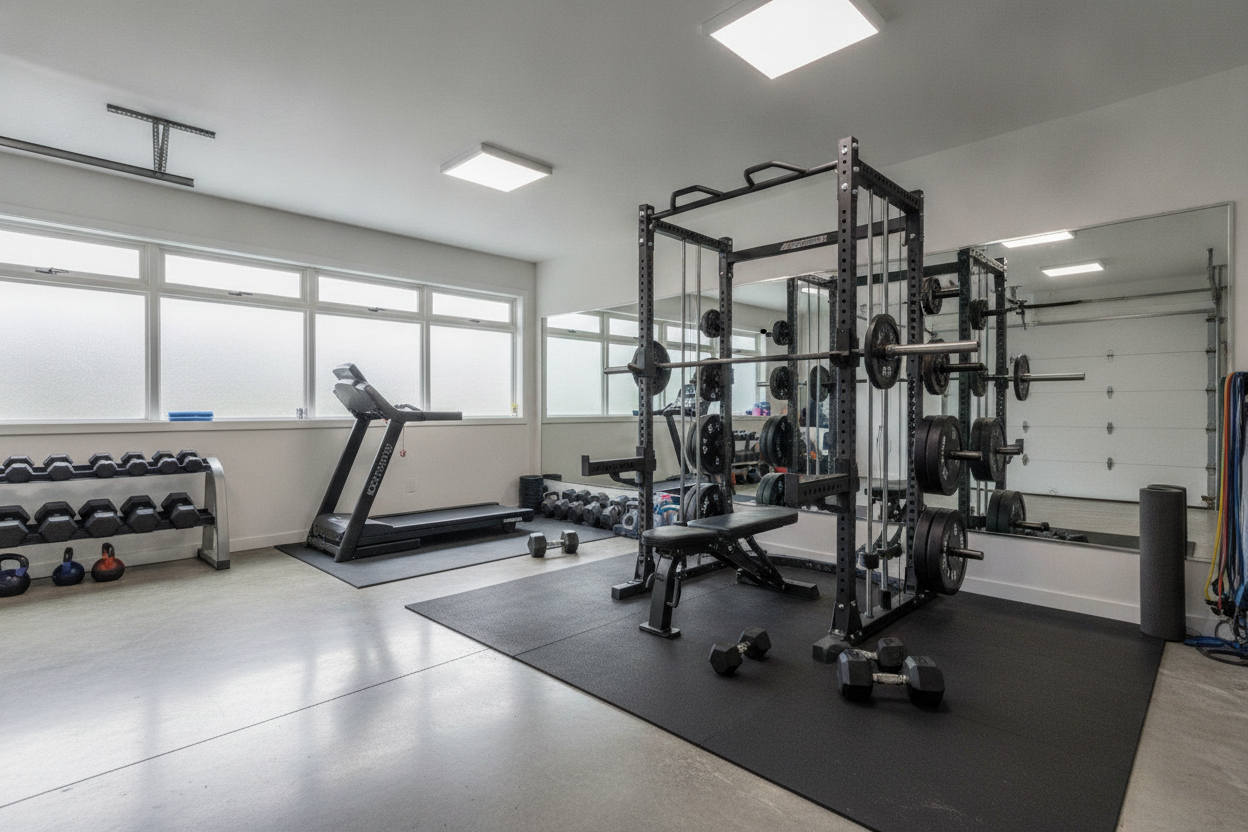
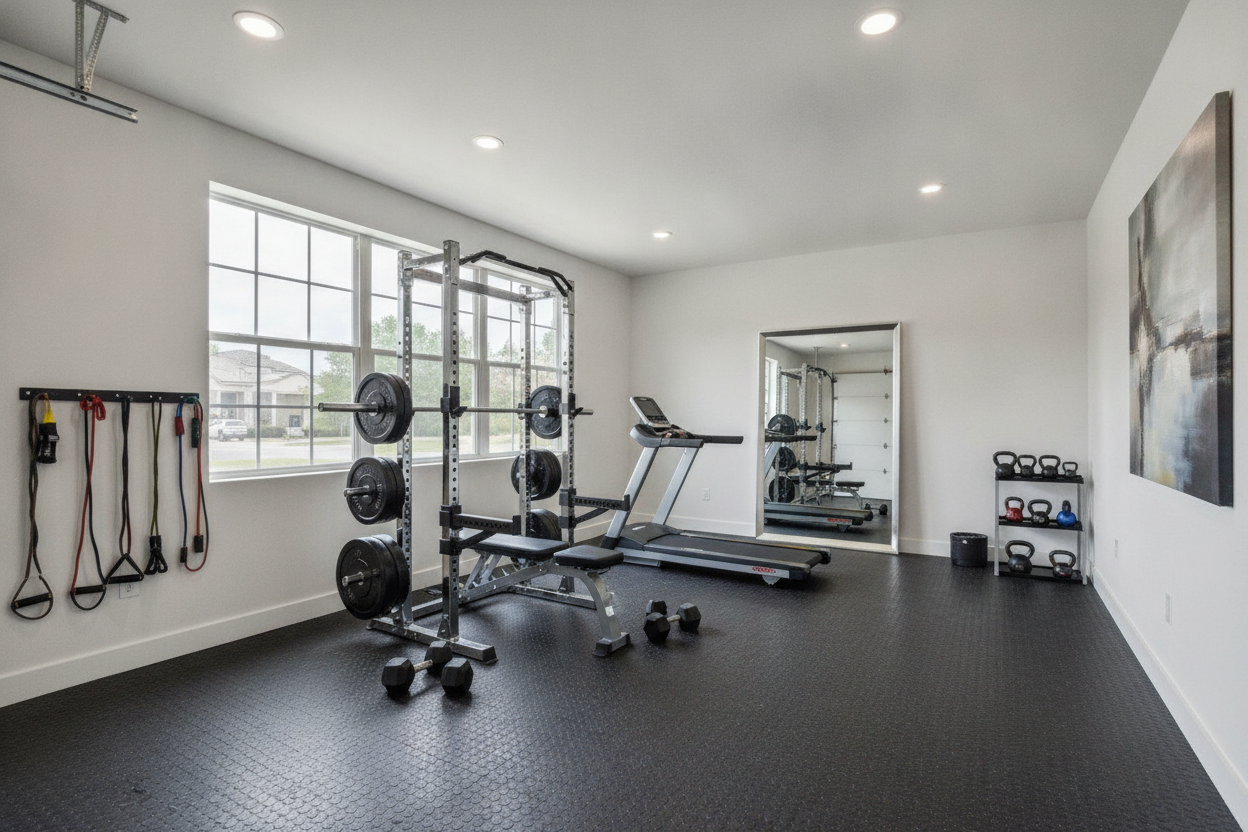
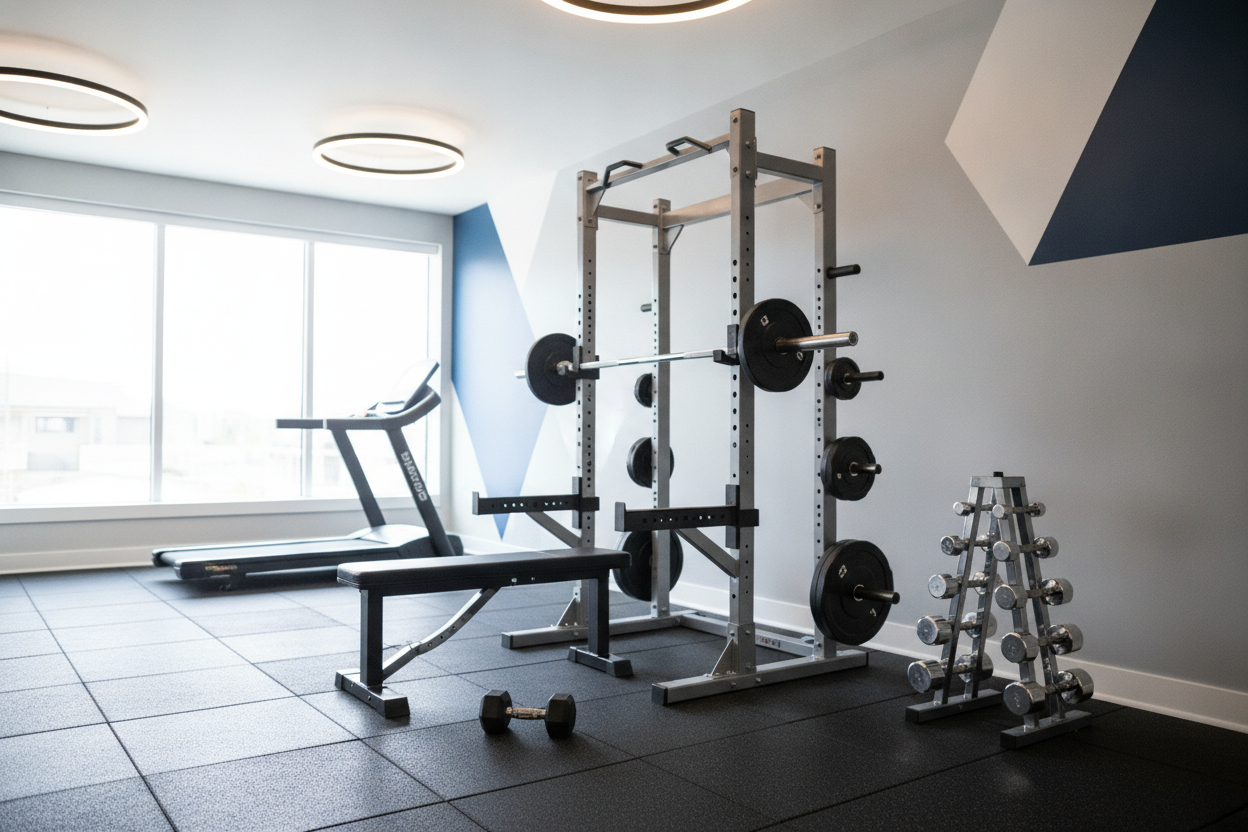
If you are setting up a barbell workout plan at home, do not cheap out on the rack. I have seen 'bargain' racks wobble like a leaf in the wind when someone tries to re-rack 135 pounds. You need a setup with 11-gauge or 14-gauge steel and reliable safeties. If the bar slips, those safeties are the only thing keeping your ribs intact.
I usually point people toward a comprehensive power rack weight bench barbell package. Getting everything in one shot ensures the bar knurling isn't too aggressive for beginner hands and the bench height is standard. You don't need a commercial-grade leg press machine; you just need a sturdy cage where you can fail a rep safely.
When to Finally Slide Those Plates On
The rule of thumb is simple: linear progression. Once you can hit 3 sets of 10 reps with the empty bar with zero 'wobble' and perfect bar speed, add the smallest plates possible—usually 2.5 or 5 pounds. If your form breaks or the bar speed slows down significantly, you've gone too heavy. Stay at that weight until it feels light.
Eventually, the empty bar won't be enough. That is when you invest in a quality barbell bumper plate set. Bumpers are great for home gyms because they are quieter and more forgiving on your floors. Once you've built a solid base of strength over 6 months, you can graduate from the basics to a specific barbell leg workout for mass to really start packing on size.
Personal Experience: The 'Cheap Bar' Mistake
Years ago, I bought a $50 barbell from a local sporting goods store. The sleeves didn't have bearings—they were just bolted on. After a month of deadlifting, the bar developed a permanent bend, and the lack of sleeve rotation started killing my wrists. I learned that day that the barbell is the one place you never compromise. Buy a bar with a decent 28mm or 28.5mm diameter and actual bushings; your joints will thank you.
FAQ
Is 45 pounds enough weight to build muscle?
For a complete beginner, yes. It is enough to stimulate muscle protein synthesis while you learn the movements. You will eventually need plates, but the first 4 weeks should be about technique.
How long should I rest between sets?
Rest 2 to 3 minutes. Barbell movements are taxing on the nervous system, even with light weight. You want to be fully recovered so every rep looks identical.
Can women use a standard 45lb bar?
Absolutely. A barbell workout for female beginners uses the same mechanics. If the 45lb bar is too heavy for the overhead press initially, use a 15kg (33lb) 'technique' bar until you're ready for the standard Olympic size.