The 3 Reps That Actually Matter When You Ask How Do Muscle Build
I spent my first three years of lifting chasing a number on a spreadsheet. I figured if I hit 3 sets of 10, the hypertrophy gods would smile upon me and grant me the physique I saw in the magazines. I was wrong. I was doing the work, but I wasn't creating the stimulus. I was just moving weight from point A to point B. If you've been grinding in your garage for months without seeing your sleeves get tighter, you're likely asking how do muscle build while ignoring the only reps that actually count.
Quick Takeaways
- Muscle growth is triggered by 'effective reps'—the final 3-5 reps before technical failure.
- Total volume matters less than the intensity of each individual set.
- Mechanical tension is the primary driver for gaining size.
- Safety is paramount; use equipment that allows you to fail without injury.
- Recovery and protein are the building blocks that turn a workout into actual tissue.
The Junk Volume Trap Most Garage Lifters Fall Into
Most people walk into their home gym with a plan to do 3 sets of 10 or 4 sets of 8. They pick a weight they know they can handle, breeze through the first 7 reps, and maybe feel a slight burn on the 10th. They check the box and move on. The problem? Those first 7 or 8 reps were essentially a warm-up. They didn't provide enough stimulus to force the body to adapt. This is what I call junk volume.
When you're focused on how do muscle build, you have to realize that your body is incredibly lazy. It doesn't want to grow expensive, calorie-hungry muscle tissue unless it absolutely has to. If a set is easy, your body sees no reason to change. Gaining size requires you to push into the 'effective rep' zone. If your 10th rep looks exactly like your 1st rep, you haven't given your body a reason to get bigger. You've just burned a few calories and practiced your form.
I used to be the king of junk volume. I'd do 20 sets per body part, but I was never really uncomfortable. My workouts took two hours, but my progress was non-existent. It wasn't until I cut my volume in half and doubled my intensity that I actually started seeing results. You need to make those last few reps a struggle. If you aren't fighting to maintain form by the end of the set, you're leaving gains on the table.
The Science of Effective Reps (And Why They Hurt)
So, how do you grow muscle exactly? It comes down to two words: mechanical tension. As a set progresses and your muscles fatigue, your brain is forced to recruit more 'high-threshold motor units.' These are the muscle fibers with the most potential for growth. In the beginning of a set, these fibers are chilling on the sidelines. They only get called into the game when the easier-to-recruit fibers are spent.
This usually happens in the final 3 or 4 reps before technical failure—the point where you can't do another rep with perfect form. These are the 'effective reps.' This is what do muscles need to grow. When these high-threshold fibers are recruited and stretched under heavy load, it triggers a chemical signaling cascade that tells your body to synthesize new protein. If you stop a set with 5 reps left in the tank, you never actually recruit those growth-prone fibers.
This process hurts. It feels like a deep burn, and your heart rate will spike. But that discomfort is the signal. When people ask what do muscles need to grow, they often want a supplement recommendation. The truth is, they need a reason to survive the next workout. By pushing close to failure, you're telling your nervous system that the current muscle mass is inadequate for the task at hand. The body responds by overcompensating during the recovery phase.
But Wait, How Do You Grow Muscle Safely Without a Spotter?
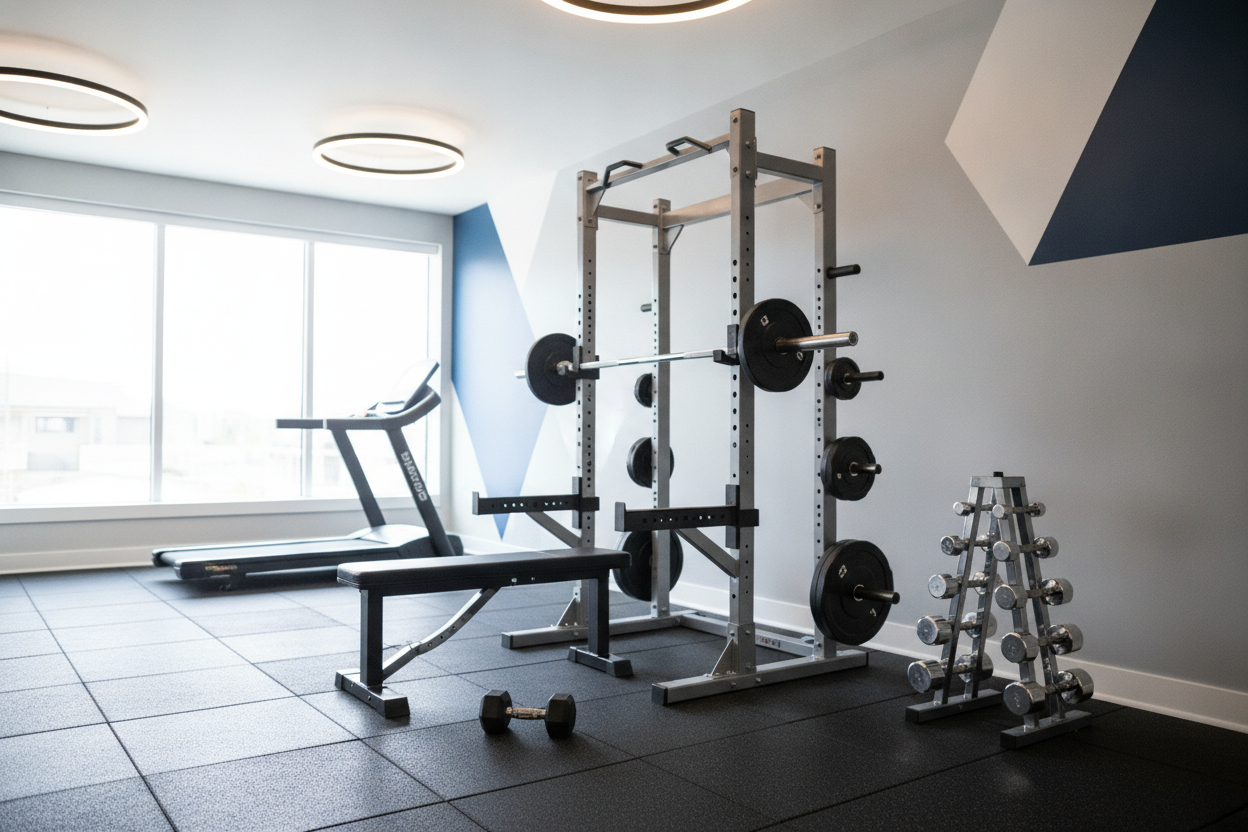
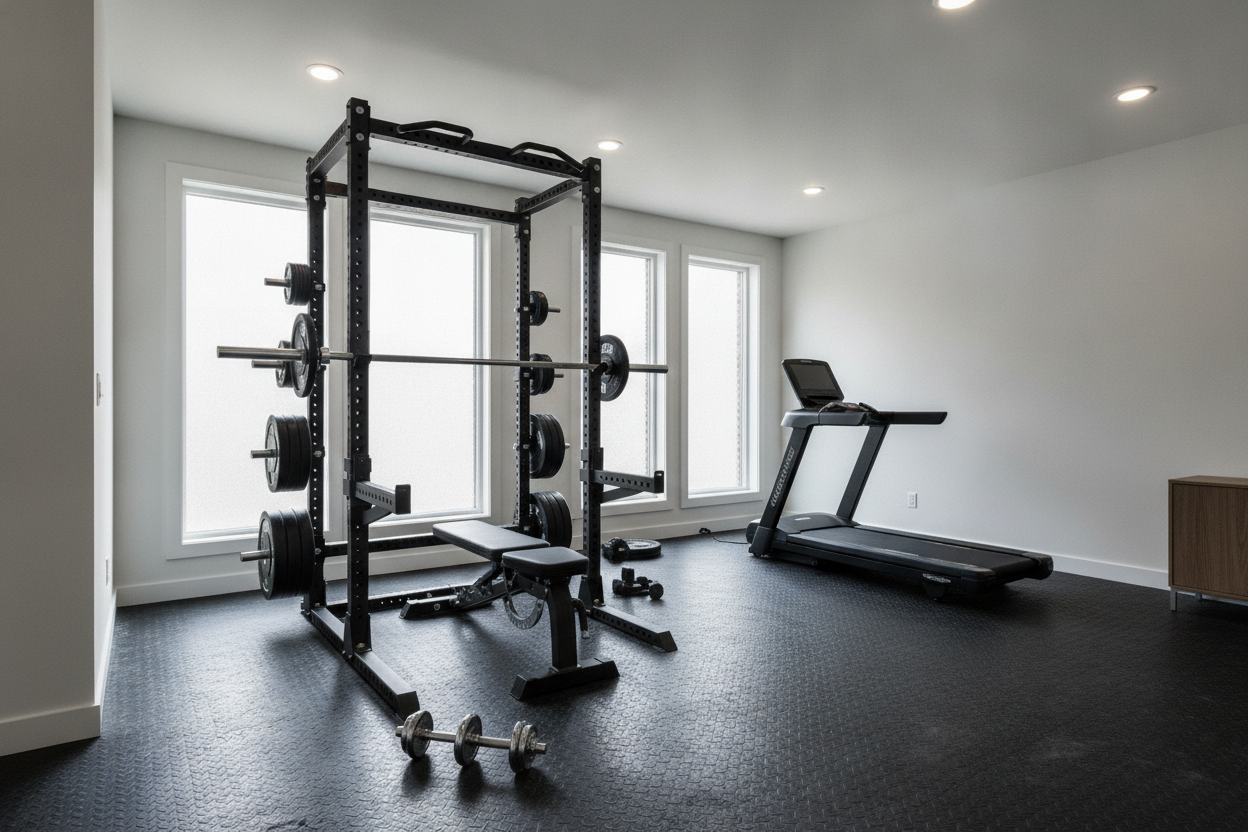
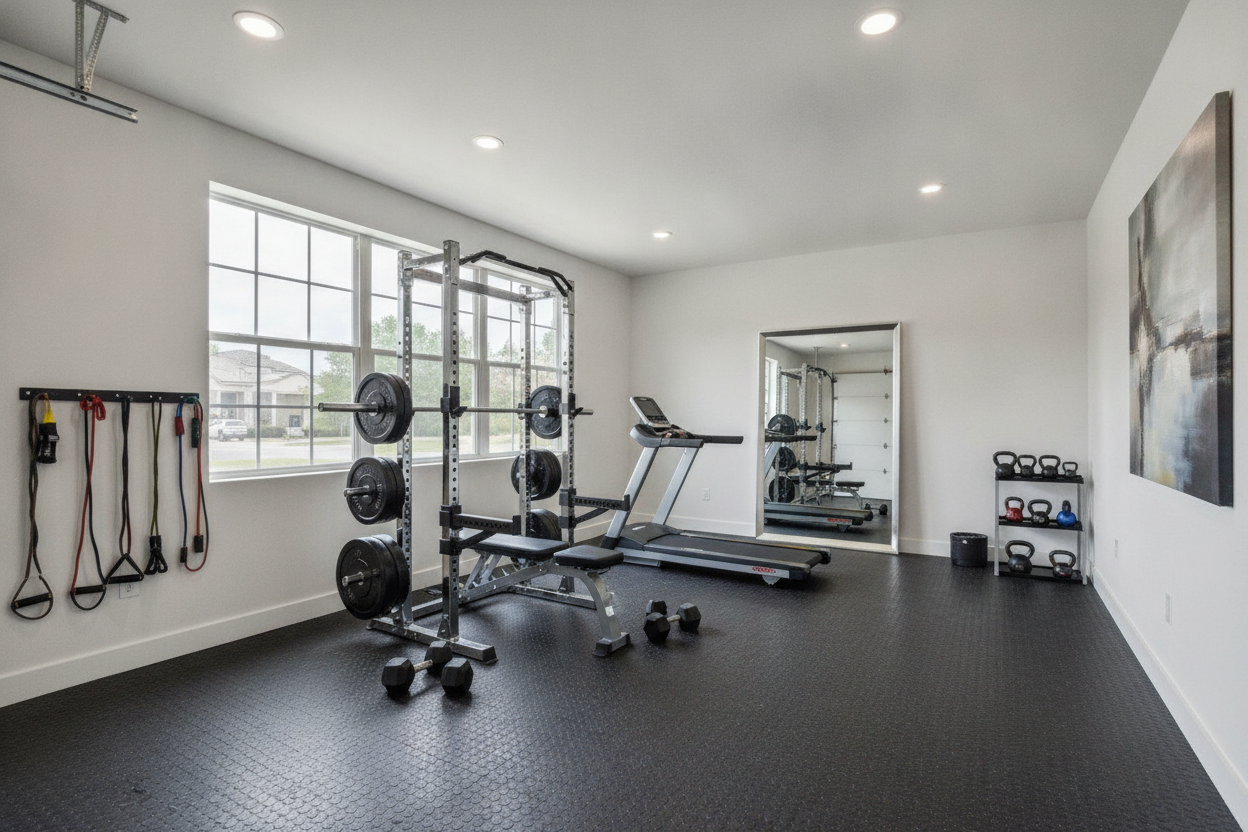
The biggest hurdle for the garage lifter is fear. It's hard to push to true failure on a bench press when there's nobody in the house to pull the bar off your chest. I've been pinned under a 225-lb bar in a 40-degree garage at 6:00 AM, and let me tell you, the 'roll of shame' is a great way to bruise your ribs and your ego. But you don't need to risk your life to find those effective reps.
First, use your equipment properly. If you have a power rack, set the safety pins. They should be just below your chest on the bench and just below your parallel point on the squat. Second, embrace variations that are inherently safer. Dumbbells are fantastic because you can just drop them. Bulgarian split squats are a brutal way to reach failure without needing a heavy bar on your back. In fact, you can build strong legs without a squat rack by using high-intensity techniques like rest-pause sets or tempo work.
Another tip: use 'technical failure' as your stopping point, not 'absolute failure.' Technical failure is the moment your form starts to break down. If your hips start rising faster than the bar on a squat, the set is over. You've reached the point of maximum stimulus without entering the zone of injury. This is how you stay in the game for decades rather than months.
Don't Let Slippery Floors Rob Your Force Production
You can't produce maximum force if you're worried about your feet sliding out from under you. I've tried lifting on bare concrete and cheap, thin foam tiles from the big-box stores. It’s a disaster. When you’re grinding through those last two effective reps of a heavy overhead press, you need to be bolted to the floor. If your base is unstable, your nervous system will actually 'dampen' your strength output to prevent you from falling.
To truly maximize your output, you need a high-traction surface. I personally use extra wide exercise mats because they provide enough real estate to move around without stepping off the edge. A dense, grippy mat allows you to drive your heels into the ground and generate the stability required for high-intensity reps. If you're sliding around, you're wasting energy on balance that should be going into the muscle you're trying to grow.
Fueling the Fire: What Does Muscle Need to Grow After the Workout?
You don't grow in the gym; you grow in your sleep. The workout is just the demolition crew that tears down the old structure. The building crew arrives afterward. When considering what do muscles need to grow, you have to prioritize protein and calories. You need roughly 0.8 to 1 gram of protein per pound of body weight to repair the damage you did during those effective reps.
You also need a caloric surplus. It is incredibly difficult to build significant new tissue while in a deep calorie deficit. Think of it like building a house: the effective reps are the blueprints, but the protein and calories are the bricks and mortar. If you don't provide the materials, the house never gets built, no matter how good the blueprints are. Sleep is the final piece. Aim for 7-9 hours. That’s when the growth hormone peaks and the actual 'gaining size' happens.
Personal Experience: My Ego-Lifting Era
I remember a phase where I was obsessed with the 405-lb deadlift. I would pull it for singles every week, grunting and straining with terrible form. I thought I was a beast. But my back was always trashed, and my legs actually looked smaller. I was using momentum and every muscle except the ones I wanted to target. I wasn't getting effective reps; I was just surviving the movement. Once I dropped the weight to 315, slowed down the eccentric, and focused on the stretch, my hamstrings finally started to grow. Humbling yourself is the fastest way to get big.
FAQ
Do I have to go to failure on every set?
No. Aim to stay 1-2 reps away from failure on most sets. This provides 95% of the growth stimulus with much less fatigue, allowing you to recover faster for your next session.
Can I grow muscle with just bodyweight exercises?
Absolutely, but you have to make the movements hard enough. If you can do 50 pushups, the first 40 are junk volume. You need to do harder variations, like decline or one-arm pushups, to stay in the 5-20 rep range for effective growth.
How long does it take to see muscle growth?
If you're hitting your effective reps and eating enough, you'll notice increased muscle fullness in 2-4 weeks. Significant visual changes usually take 8-12 weeks of consistent effort.