You Don't Need Half the Weight Lift Accessories in Your Bag
I watched a guy at my local spot yesterday spend ten minutes prepping for a 135-pound squat. He had the 7mm knee sleeves, a lever belt tight enough to cause a hernia, and wrist wraps that looked like they belonged in a hospital wing. He spent more time adjusting his weight lift accessories than he did actually moving the bar. It is a classic case of gear-shaming your own biology before you have even given it a chance to adapt.
- Most gym lifting accessories are designed to mask weaknesses rather than build strength.
- Relying on straps too early will leave you with the grip strength of a toddler.
- A belt is a tool for intra-abdominal pressure, not a bulletproof vest for your spine.
- Investing in a heavy-duty rack and bench pays higher dividends than a bag full of velcro.
The Gym Bag Epidemic: Too Much Gear, Not Enough Raw Strength
Walk into any commercial gym and you will see it: the 'tactical' gym bag overflowing with every piece of weight lifting equipment accessories known to man. We have been sold this idea that we need a specific strap, wrap, or sleeve for every minor joint ache. Instead of learning how to hinge properly or build a solid grip, people are reaching for a nylon solution to a physical problem.
It is easy to stop wasting money on useless weight lifting accessories when you realize that your body is remarkably good at adapting if you just let it. When you strap up for a warm-up set of deadlifts, you are telling your central nervous system that it does not need to work. You are essentially outsourcing your stability to a piece of cheap polyester. If you cannot hold 225 pounds in your hands, you have no business trying to pull 315 with straps.
When Gym Lifting Accessories Become a Dangerous Crutch
There is a biological cost to overusing these tools. Your connective tissue—tendons and ligaments—takes longer to strengthen than your muscles. When you use gym lifting accessories to bypass these natural limiters, you create a massive strength imbalance. I have seen guys with massive quads blow out a knee because they used heavy sleeves to squat weights their patellar tendons were nowhere near ready for.
Straps vs. Your Failing Grip Strength
I am not a purist. There is a time and place for weights accessories like lifting straps. If you are doing high-volume rack pulls or Kroc rows where your back can handle way more than your forearms, strap up. But if you are using them for every single pull day, you are leaving forearm gains on the table. Try using a double overhand grip until it fails, then switch to a hook grip. Only then should you reach for the straps.
The Belt Is Not a Magic Back Saver
A lifting belt is a tool to give your abs something to push against. It creates pressure. It does not magically fix a rounded lumbar or a terrible setup. In fact, wearing a belt while using weight lifting machines is one of the most pointless things you can do in a weight room. If the machine is guiding the path and supporting your back, that $100 leather belt is just a fancy corset. Save the belt for heavy, compound free-weight movements where your core actually has to work.
The Few Pieces of Weight Room Accessories Actually Worth Buying
If you are going to spend money, spend it on things that last decades, not weeks. A block of gym chalk is the best $5 you will ever spend. It improves your connection to the bar without removing the requirement for grip strength. Beyond that, a 10mm or 13mm leather powerlifting belt and a pair of stiff knee sleeves for heavy days are all you really need.
Most weight room accessories marketed on social media are just landfill fodder. If it has neon lights, excessive branding, or claims to 'activate' your muscles through some proprietary fabric, leave it on the shelf. You want gear that survives being dropped, sweated on, and tossed into a trunk in mid-July.
Upgrade Your Setup Before Buying More Wearable Junk
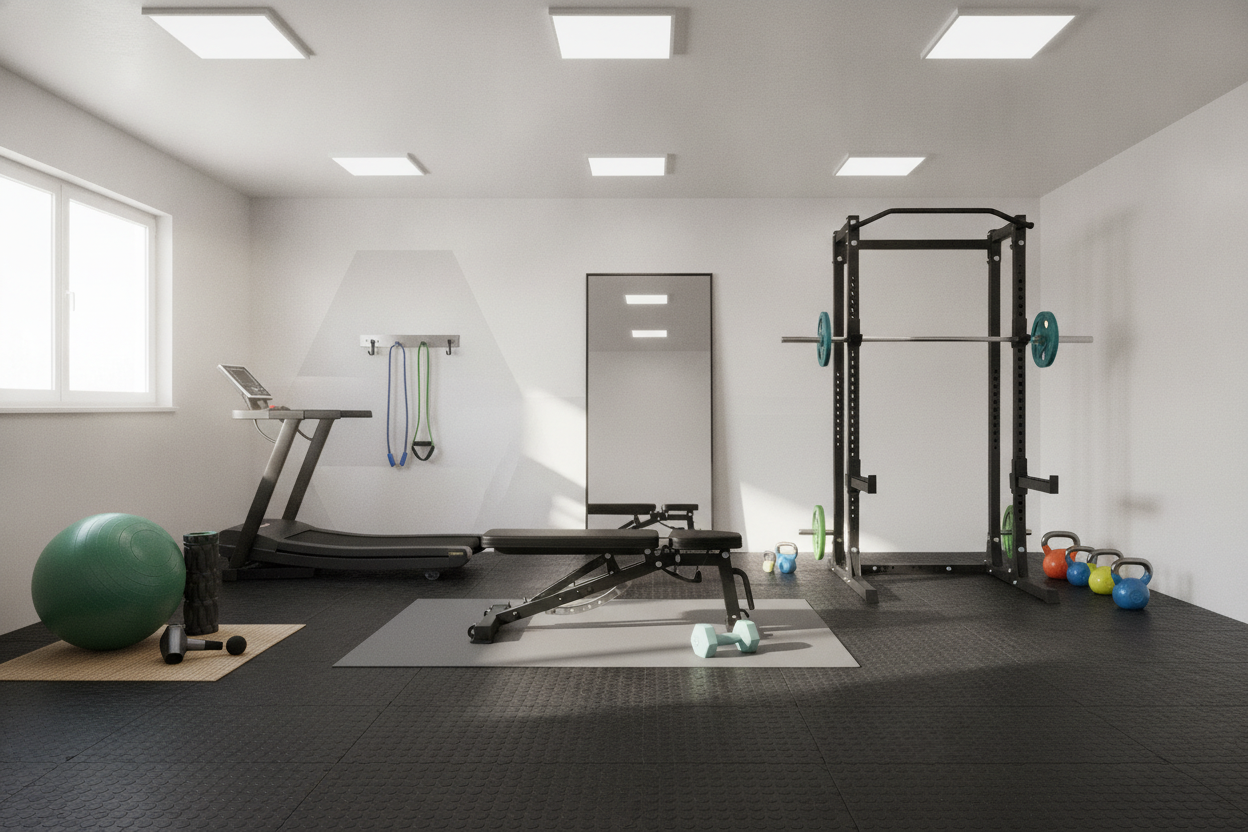
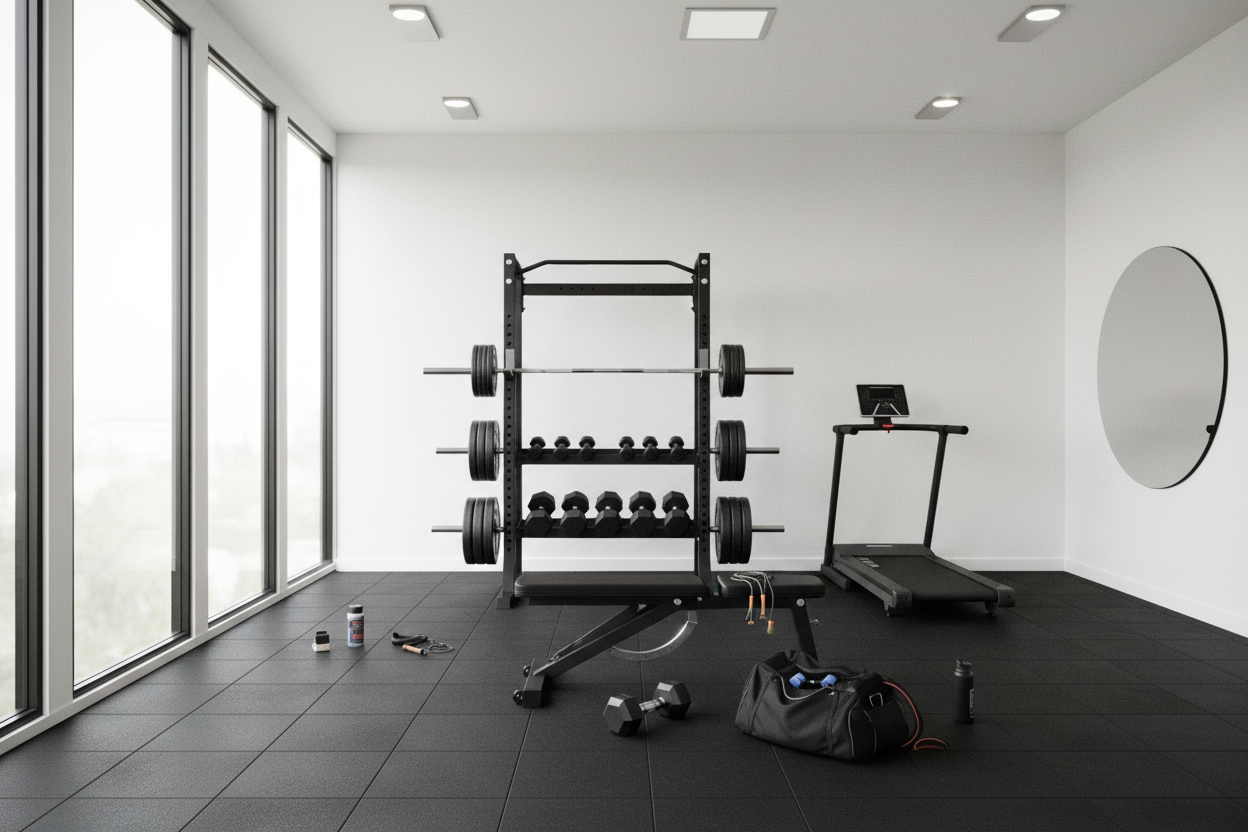
Instead of hoarding more wearable junk, look at the foundation of your training. If you are training at home, a rock-solid adjustable weight bench that does not wobble when you are pressing 80-pound dumbbells is worth more than ten pairs of elbow sleeves. Stability is the mother of force production. If you do not feel stable, your brain will not let your muscles fire at 100%.
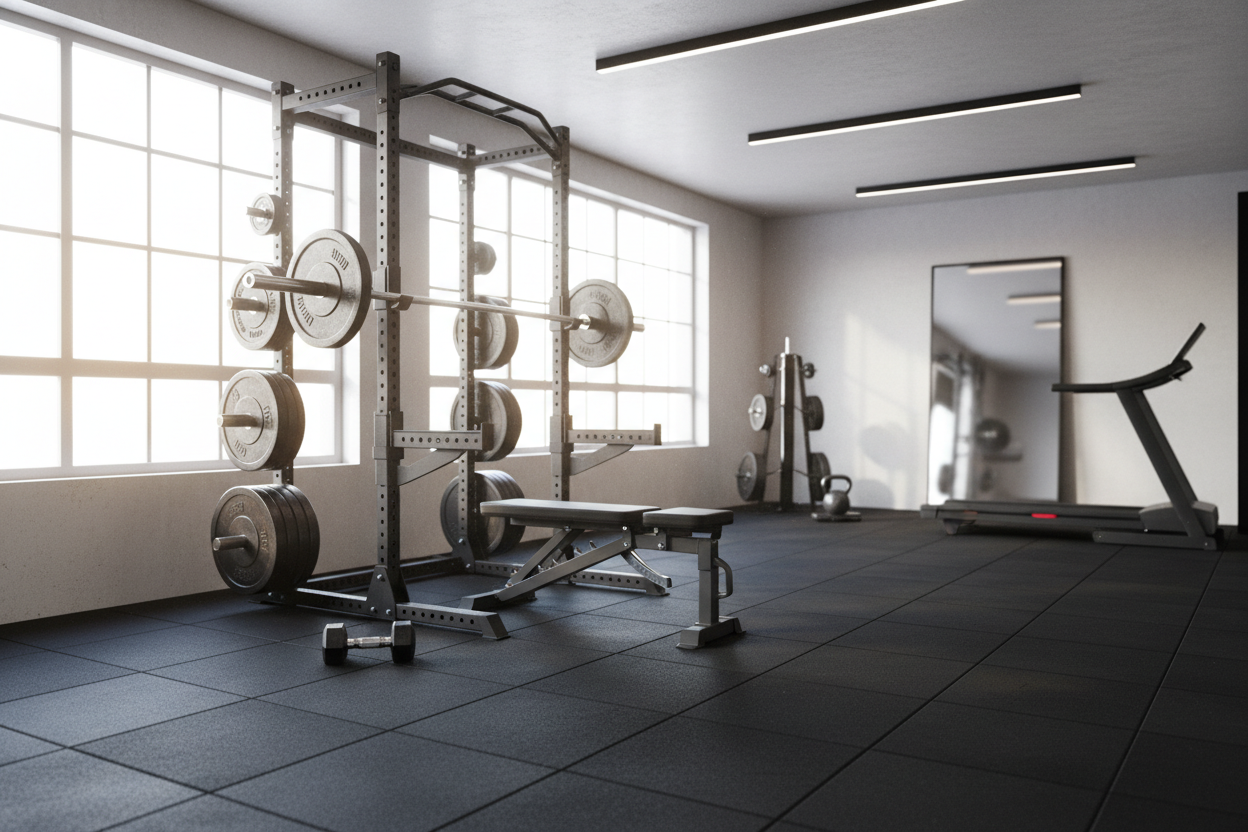
If you are serious about long-term progress, look into a power rack and weight bench package. This is the core of any real strength journey. I would rather train on a high-quality rack with zero accessories than have a bag full of wraps and a flimsy, dangerous bench. Real gear allows you to push to failure safely, which is where the actual growth happens.
What to Throw Out of Your Lifting Accessories Gym Bag Today
Go through your lifting accessories gym bag tonight. If you find 'fat grips' you never use, smelling salts for a Tuesday afternoon bicep curl, or three different pairs of cheap wrist wraps, toss them. Keep the chalk, keep the high-quality belt, and keep one pair of straps for your heaviest sets. Force your body to be the equipment. You will be surprised at how much stronger you feel when you stop relying on velcro to hold your joints together.
Personal Experience: My Strap Addiction
Early in my training, I used straps for everything. Pull-ups, rows, deadlifts—if it had a handle, I was strapped in. I felt strong until I tried to compete in a local strongman grip challenge and couldn't even lift the 'beginner' implements. I had to spend a full year doing heavy holds and farmer's carries just to catch my grip up to my posterior chain. It was a humbling lesson: gear hides weakness, it doesn't fix it.
FAQ
Do I need wrist wraps for bench press?
Only if you are moving maximal loads that cause your wrists to cock back. For 90% of your training, focus on keeping your knuckles facing the ceiling and building those forearm extensors.
Are liquid chalk and block chalk the same?
Liquid chalk is basically alcohol and magnesium carbonate. It is great for commercial gyms that ban real chalk, but nothing beats the grip of a real block of dry chalk.
Should I wear a belt for overhead press?
Yes, if you are going heavy. It helps stabilize the spine and gives you a rigid pillar to press from, but don't put it on until you hit about 80% of your max.