You Don't Need an Hour for a Good Exercise Routine Workout
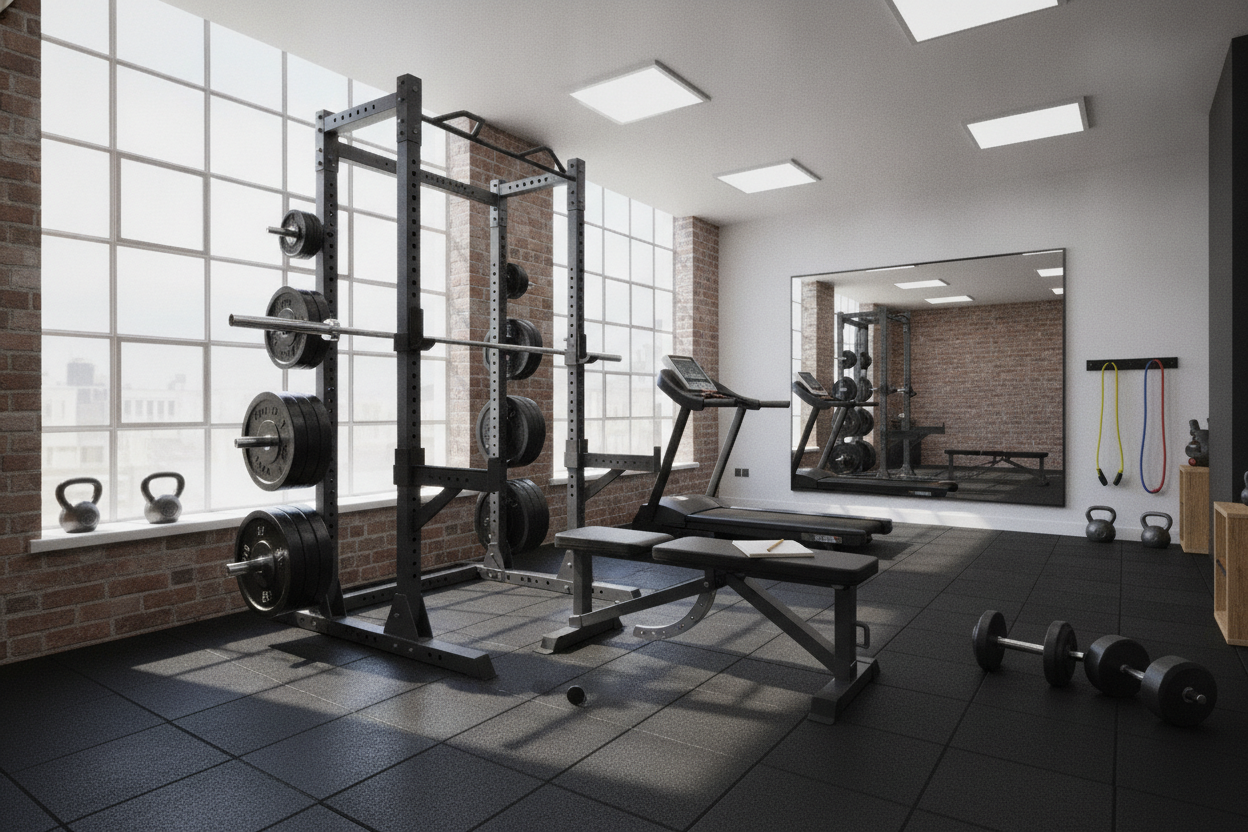
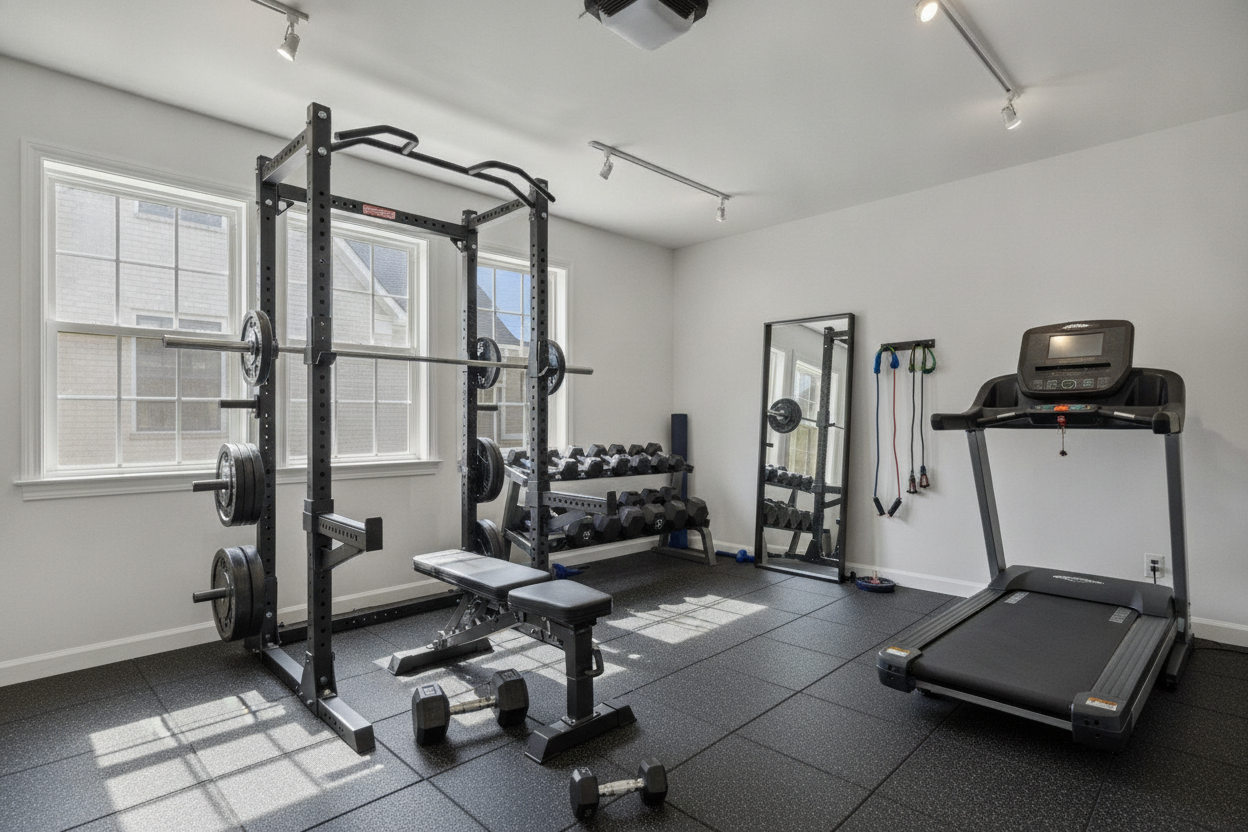
I used to stare at my power rack for fifteen minutes before I even touched a barbell. After a long day of work and chasing kids, the mental hurdle of a 90-minute session felt like climbing Everest. I was convinced that if I didn't leave a puddle of sweat on the floor, it wasn't a exercise routine workout worth doing. I was stuck in that all-or-nothing trap where if I couldn't do the full session, I did nothing at all.
Then I hit a wall. My joints felt like they were filled with sand, and my consistency was non-existent because life kept getting in the way of my marathon sessions. I realized that the best workout for everyday isn't the one that looks good on Instagram; it's the one you actually finish before your morning coffee gets cold. Shifting to a shorter, high-frequency model changed everything.
- Frequency beats volume for long-term joint health and muscle retention.
- 20 minutes is the sweet spot for a daily exercise regimen that you won't skip.
- Consistency is built by removing physical friction in your home gym setup.
- Focus on four primary movement patterns to cover all your functional bases.
Why We Think Good Workouts Have to Take an Hour
We've been brainwashed by 1980s bodybuilding splits and fitness influencers who have six hours a day to spend in a commercial gym. They tell us that a good workout requires endless sets, isolation moves, and enough rest time to write a novel between sets. For most of us with jobs and families, this mindset is a recipe for failure. If we don't have 60 minutes, we do zero minutes. That's how you end up with a high-end treadmill that serves as a very expensive coat rack.
I spent years following high-volume exercise routines that left me more exhausted than energized. The routine of exercise should support your life, not consume it. When you stop obsessing over the clock, you start focusing on the quality of the movement. A great daily workouts session doesn't need to be a marathon to be effective; it just needs to be intentional. Most of those long sessions are 50% fluff anyway—scrolling on your phone or waiting for a squat rack isn't building muscle.
By condensing your daily workout exercise routine, you force yourself to be efficient. You stop wasting time on the 'extras' and focus on the movements that actually move the needle. When you only have 20 minutes, you don't have time for three different types of bicep curls. You do the big lifts, you get your heart rate up, and you get out. This training workout routine style builds a level of density that 60-minute sessions often lack.
The Magic of the 20-Minute Daily Grind
When you switch to a shorter everyday workout, something weird happens: you actually look forward to it. It's much easier to talk yourself into a 20-minute daily exercise workout than a grueling hour-long slog. This shift in mindset is the foundation of a sustainable exercise routine workout that sticks for years, not weeks. It turns the 'chore' of exercise into a manageable daily habit.
From a physiological standpoint, daily physical exercise routine keeps your metabolism humming and your joints lubricated. You aren't crushing your central nervous system every day, so you wake up feeling fresh instead of beat up. This is the secret to a daily fitness regime that actually works for busy adults who can't afford to be sore for three days after every leg day. Frequency allows for more 'first reps,' which is where the real skill and strength are built.
A daily plan workout should be about movement quality. By doing exercise daily workout sessions, you get more practice with the lifts. Think of it like playing an instrument—you're better off practicing 20 minutes every day than four hours once a week. This everyday exercise routines approach builds real-world strength and resilience. It’s about being 'ready' rather than being 'spent.'
The Only 4 Movements You Need Every Single Day
You don't need a 12-station cable machine or a fleet of machines to get fit. A general exercise routine should focus on the big rocks. I stick to four basic daily exercises: a push (pushups or overhead press), a pull (rows or pull-ups), a squat (goblet squats or lunges), and a loaded carry. These are the best exercises to do everyday because they translate directly to real-life tasks like carrying groceries or picking up your kids.
If you do 3 sets of each, you've hit every major muscle group in under 20 minutes. This daily workout guide isn't fancy, but it's incredibly effective. You're building a daily exercise schedule at home that covers all the bases without the need for a commercial gym membership. It's the ultimate exercises for everyday fitness because it requires minimal equipment—maybe a single kettlebell or a pair of adjustable dumbbells.
To round things out, I always finish with some mobility work to keep the joints happy. A quick stretching workout at home can make the difference between waking up stiff and jumping out of bed. Focus on your hips and upper back—the areas that suffer most from sitting at a desk all day. Keep fit moves like the 'World's Greatest Stretch' or a deep goblet squat hold will do more for your longevity than another set of tricep extensions.
Make Your Setup Frictionless (Or You Won't Do It)
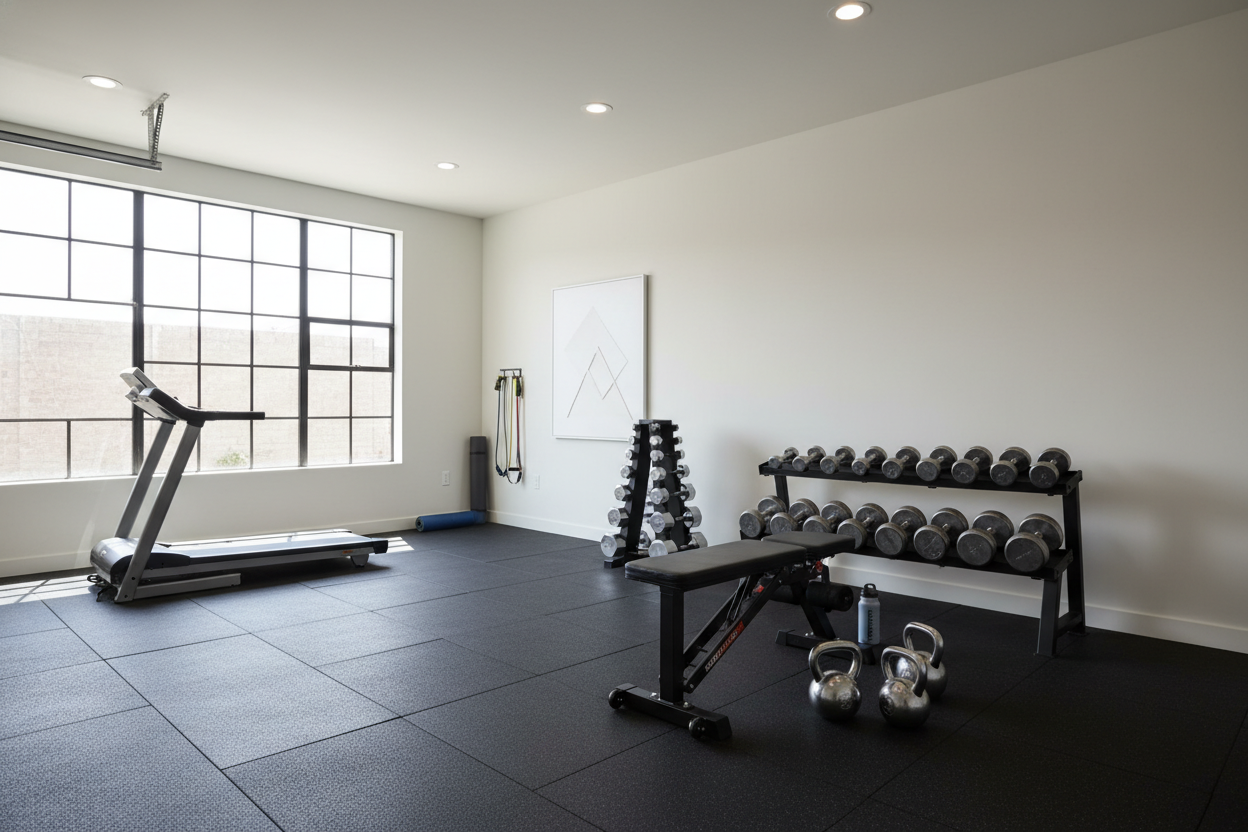
The biggest killer of a daily fitness regime is the setup time. If you have to move a coffee table, find your shoes, and unroll a thin, bunchy mat every morning, you're going to skip it. You need a dedicated space that is always ready to go. I recommend getting a large exercise mat for home gym and leaving it out permanently in a corner of your living room or garage.
When your equipment is already there, the barrier to entry disappears. You can walk into your space and start your exercises to do each day immediately. This frictionless environment is what makes an everyday exercise plan successful over the long haul. Your home gym should be a sanctuary, not a puzzle you have to solve every morning. If you have to spend 10 minutes setting up for a 20-minute workout, you've already lost the battle.
Why Your Living Room Carpet is Ruining Your Pushups
I learned this the hard way: working out on carpet is a disaster for your joints. It's slippery, it gives you rug burn, and it provides zero support for your wrists during pushups. If you're doing exercises everyday, you need a surface that can handle the sweat and the impact. Upgrading to a dedicated 6x8ft exercise mat was the best investment I ever made for my home gym. It stays put, it's easy to clean, and it actually saves your joints during high-rep sets. Plus, it defines your 'workout zone' so the rest of the house knows you're busy.
My Personal Movement Shift
A few years ago, I was deep into a 'hardcore' powerlifting phase. I was spending two hours in the garage, four days a week. My numbers were going up, but I felt like garbage. My elbows were constantly inflamed, and I was missing workouts because life just got in the way. I finally ditched the ego and moved to a 20-minute daily physical exercise routine. The mistake I made was thinking more was always better. Now, I do a workout to do everyday that keeps me mobile and strong without the burnout. My joints feel ten years younger, and I haven't missed a session in six months because it's so easy to fit in.
What exercise can I do everyday?
Focus on foundational movements like squats, pushups, and planks. These are the best daily exercises because they build functional strength without overtaxing your recovery capacity. Walking is also a non-negotiable daily addition.
What is a good daily workout routine?
A simple daily exercises circuit of 10 pushups, 15 air squats, and a 30-second plank, repeated for 15-20 minutes, is more than enough for most people to stay in great shape and maintain muscle mass.
Is it okay to do the same workout routine for everyday?
Yes, as long as you listen to your body. If you feel a 'tweak' or excessive soreness, swap a movement or focus on mobility for a day. The goal is long-term movement, not short-term destruction. Consistency over intensity is the name of the game.