You Don't Need a Power Rack for This Weights Routine for Beginners
I remember staring at a $2,000 power rack online, convinced I couldn't get strong without it. My garage was empty, my bank account was thin, and I hadn't even mastered a proper goblet squat yet. Most people overbuy before they've actually built a base. If you're just starting, this weights routine for beginners is designed to keep you out of the orthopedic surgeon's office and in the gym.
Quick Takeaways
- Skip the barbell for the first 8-12 weeks to build tendon durability.
- Focus on four core patterns: Push, Pull, Hinge, and Squat.
- An adjustable bench and a set of dumbbells are all you need to start.
- Track progress with a physical notebook to avoid phone distractions.
Put the Heavy Barbell Down (For Now)
The biggest mistake I see beginners make is trying to emulate a powerlifter's 5x5 program on day one. Your muscles might be able to handle a heavy barbell, but your tendons and ligaments are still on 'factory settings.' Connective tissue adapts slower than muscle, and jumping into heavy squats too fast is a one-way ticket to knee tendonitis.
Building foundational strength isn't about moving the most weight; it's about mastering movement patterns. I Tried a Pro's Weight Lifting For Mass Routine and Failed because I ignored this exact rule. My joints weren't ready for the sheer volume. Spend your first few months using dumbbells to iron out imbalances and let your joints catch up to your enthusiasm.
The Anatomy of a Simple Weight Routine
You don't need a 12-station cable machine to get fit. You need a simple weight routine that covers the basics: pushing things away from you, pulling things toward you, hinging at the hips, and squatting deep. If you can do those four things with control, you're winning.
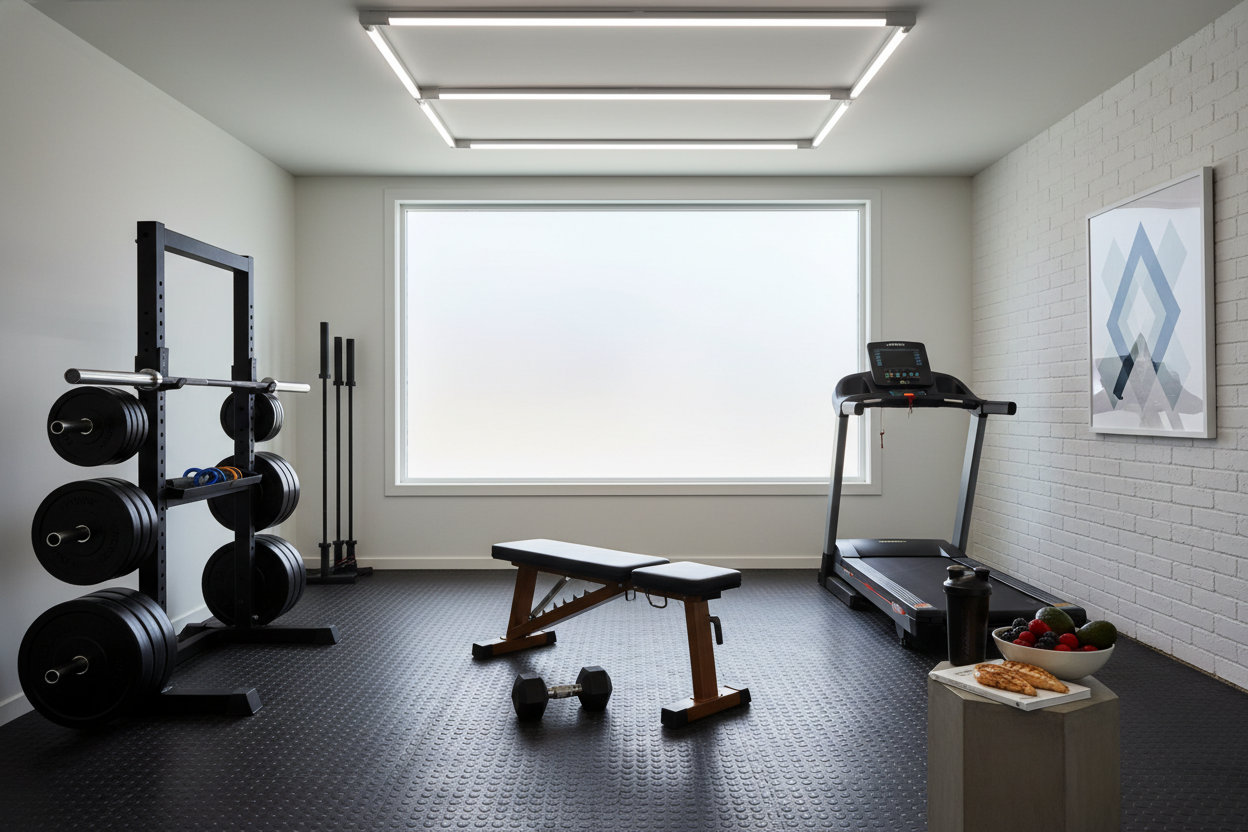
All you really need is a pair of adjustable dumbbells and a sturdy surface. I personally use the Gxmmat Adjustable Weight Bench as my base camp. It has a 600-lb capacity which is more than enough for a beginner, and it doesn't have that annoying 'gap' between the seat and backrest that cheaper benches have. A solid bench allows you to perform supported rows and chest presses without worrying about the equipment collapsing under a 50-lb load.
The 3-Day Bench and Dumbbell Protocol
This simple lifting workout is designed for a Monday-Wednesday-Friday split. We aren't chasing 'max effort' here. We are chasing 'perfect reps.' Focus on a 3-second eccentric (the lowering phase). This builds massive control and thickens those tendons we talked about.
- Monday: Goblet Squats (3x12), Dumbbell Flat Bench Press (3x10), One-Arm Dumbbell Rows (3x10 per side).
- Wednesday: Dumbbell Romanian Deadlifts (3x12), Dumbbell Overhead Press (3x10), Plank (3x45 seconds).
- Friday: Dumbbell Lunges (3x10 per leg), Incline Dumbbell Press (3x10), Dumbbell Rear Delt Flies (3x12).
Keep it simple. If you can do all 12 reps with perfect form, increase the weight by 5 pounds next week. If your form breaks down on rep 8, stay at that weight. There is no prize for lifting ugly.
Stop Overcomplicating Your Progression
Everyone wants a fancy app with heat maps and heart rate integration. Forget that. When you're starting out, your phone is a distraction, not a tool. You'll end up scrolling Instagram between sets instead of focusing on your recovery.
I'm a firm believer in the 'analog' approach for the first year of training. I Ditched Fitness Apps For This Simple Weight Lifting Worksheet and my focus skyrocketed. Writing down your sets and reps with a pen makes the progress feel real. It forces you to look at what you did last week and decide if you're actually getting stronger or just going through the motions.
When Are You Actually Ready for the Big Rig?
So, when do you graduate to the big stuff? I tell people to wait until they hit three benchmarks: consistency (lifting 3x a week for 3 months), form (no 'ego lifting' or momentum), and strength (pressing at least 50% of your body weight for reps). Once you've earned it, you can start looking at more advanced gear.
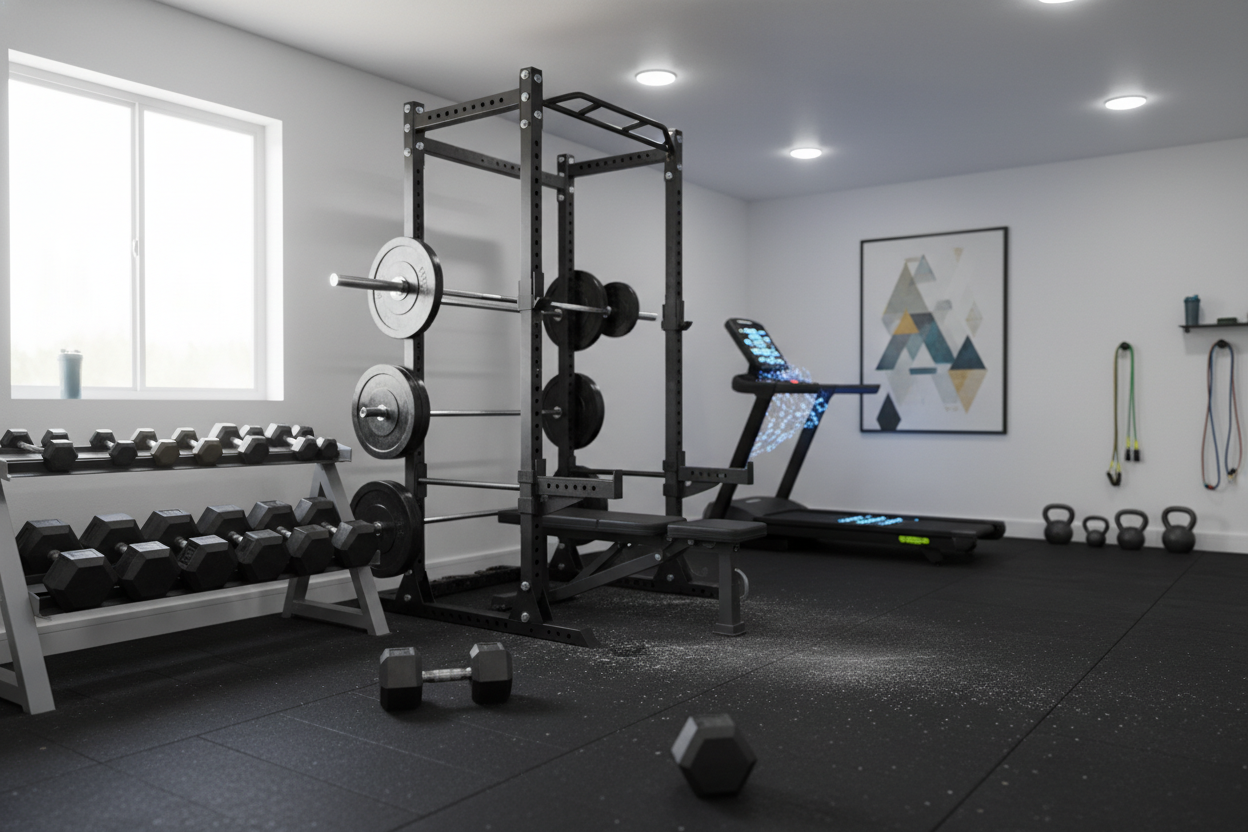
You might eventually want to add Weight Lifting Machines for specific isolation work, like leg extensions or lat pulldowns. But the ultimate goal for most home gym owners is the 'forever' setup. When you're ready to move 300+ pounds safely, that's when you invest in something like the Gxmmat X6 Power Rack Weight Bench Package. It gives you the safety of spotter arms and a pull-up bar, which is the logical next step after you've maxed out your beginner dumbbell weights.
Personal Experience: My 'Ego' Injury
Years ago, I thought I was too good for dumbbells. I jumped straight into a heavy barbell squat program because I wanted to look 'hardcore' in my garage. Three weeks in, my lower back snapped during a rep because my core wasn't stable enough to support the bar. I spent six weeks on the couch. That's why I'm so vocal about this beginner protocol—I'd rather you lift 'boring' weights for a year than be sidelined for two months.
FAQ
Do I need a gym floor mat for this?
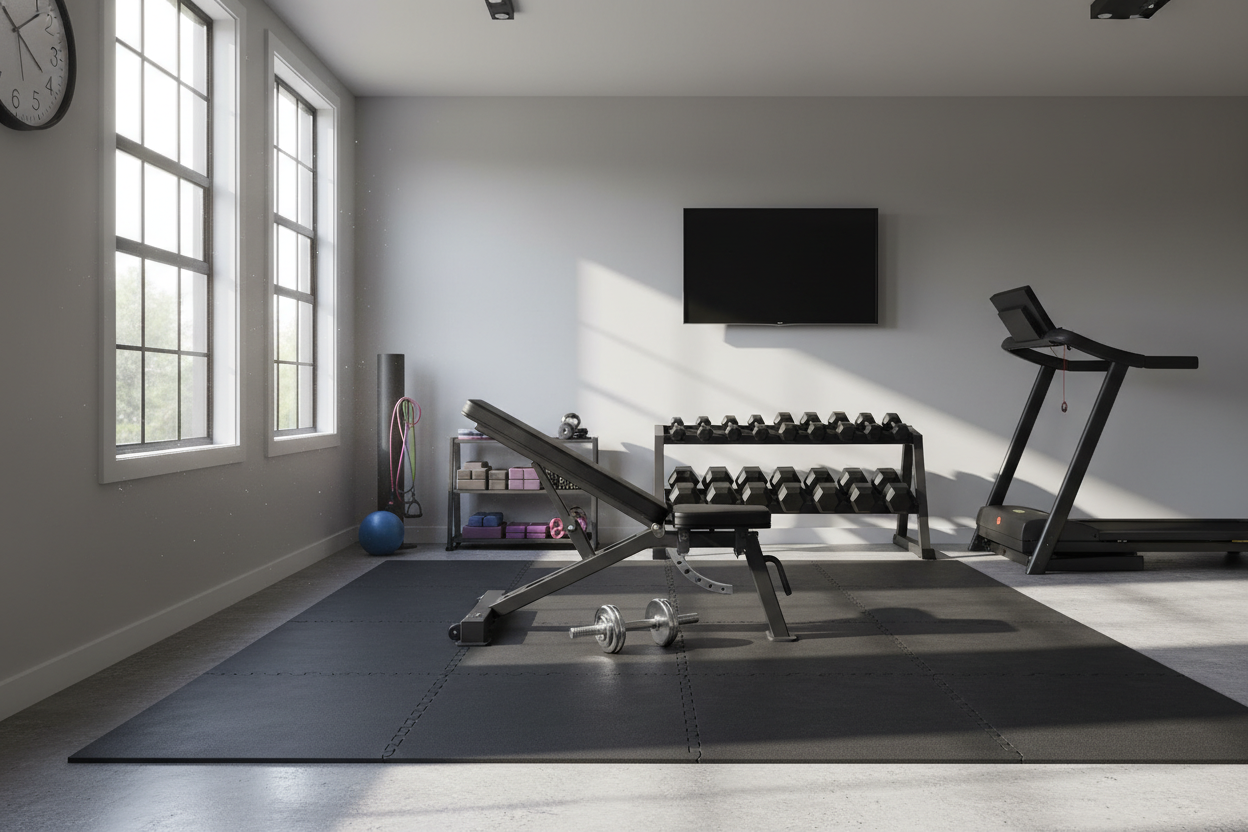
If you're using dumbbells at home, yes. Dropping a 30-lb hex dumbbell on bare concrete or hardwood will either crack the floor or the dumbbell. A basic 7mm rubber mat is usually enough for a beginner setup.
How heavy should my first dumbbells be?
For most men, a pair of adjustables that goes up to 50 lbs is perfect. For women, starting with a set that reaches 25 or 30 lbs covers almost every exercise in this routine for the first six months.
Can I do this routine every day?
No. Your muscles grow while you sleep, not while you're lifting. Beginners need those rest days between sessions for the central nervous system to recover. Stick to 3 days a week.