You Don't Need a Hard Workout Plan, You Need Better Intensity
I remember the night I hit a breaking point. I was three hours deep into a 'high-volume' leg day I found on a forum, my knees felt like they were filled with crushed glass, and I was still four sets away from finishing. I thought I was following the ultimate hard workout plan, but in reality, I was just digging a hole I couldn't climb out of. My progress had stalled for months despite the fact that I was 'outworking' everyone I knew.
Quick Takeaways
- Exhaustion is not an indicator of muscle growth; mechanical tension is.
- A true high-intensity session usually requires less time, not more.
- Recovery is a physical requirement, not a sign of weakness.
- Safety gear like spotter arms and proper flooring are non-negotiable for solo failure training.
Why Chasing Exhaustion Is Keeping You Small
The biggest mistake I see in garage gyms is the 'sweat equity' trap. People search for a hard workout plan thinking that if they aren't gasping for air or hovering over a trash can between sets, they aren't working hard enough. That is a lie. If you're doing 30 sets per body part, you aren't training with intensity; you're doing weighted cardio.
Muscle growth is triggered by taking sets close to technical failure. When you do too much, you're just accumulating 'junk volume' that your body has to waste energy recovering from. I’ve seen guys add more size in three months of focused, low-volume lifting than they did in three years of 'marathon' sessions. Stop trying to be tired and start trying to be stronger.
The Anatomy of a Genuinely Hard Workout Program
A productive hard workout program is built on the back of heavy, compound movements performed with violent intent. It’s about the quality of the struggle. Instead of four different types of chest flies, you should be focused on two sets of bench presses where those last two reps move at a snail's pace. That is where the growth happens.
In my own training, I moved away from the 'bodybuilder' splits that required six days a week in the gym. I found that my numbers exploded when I focused on three or four high-intensity sessions. When you know you only have two work sets for an exercise, you treat them with a lot more respect. You don't sandbag. You don't leave anything in the tank.
Stop Frying Your Central Nervous System
Your muscles recover faster than your nervous system. If you're constantly red-lining, your brain will eventually start 'throttling' your strength to protect you. This is why many people fail when surviving a leg day hell; they push until their coordination breaks down, which is a recipe for a snapped lower back.
When you're running a hard workout routine, you have to listen to the signs of CNS fatigue. If your grip strength suddenly drops or you're feeling irritable and losing sleep, you're overreaching. You can't out-train a fried nervous system. Learn to push the muscle to its limit without breaking the machine that runs it.
Building a Hard Workout Schedule That Fits Real Life
The best hard workout schedule is the one you can actually recover from. For most of us with jobs and families, that means training hard on Monday, Wednesday, and Friday. This gives you those crucial 48-hour windows to actually build the tissue you just broke down.
Periodization isn't just for Olympic athletes. Every few weeks, you need to back off. I used to think 'deload weeks' were for cowards until I realized my best PRs always came the week after a deload. You have to give your joints and connective tissue a chance to catch up to your muscle strength.
Prepping Your Garage Gym for Heavy Duty Training
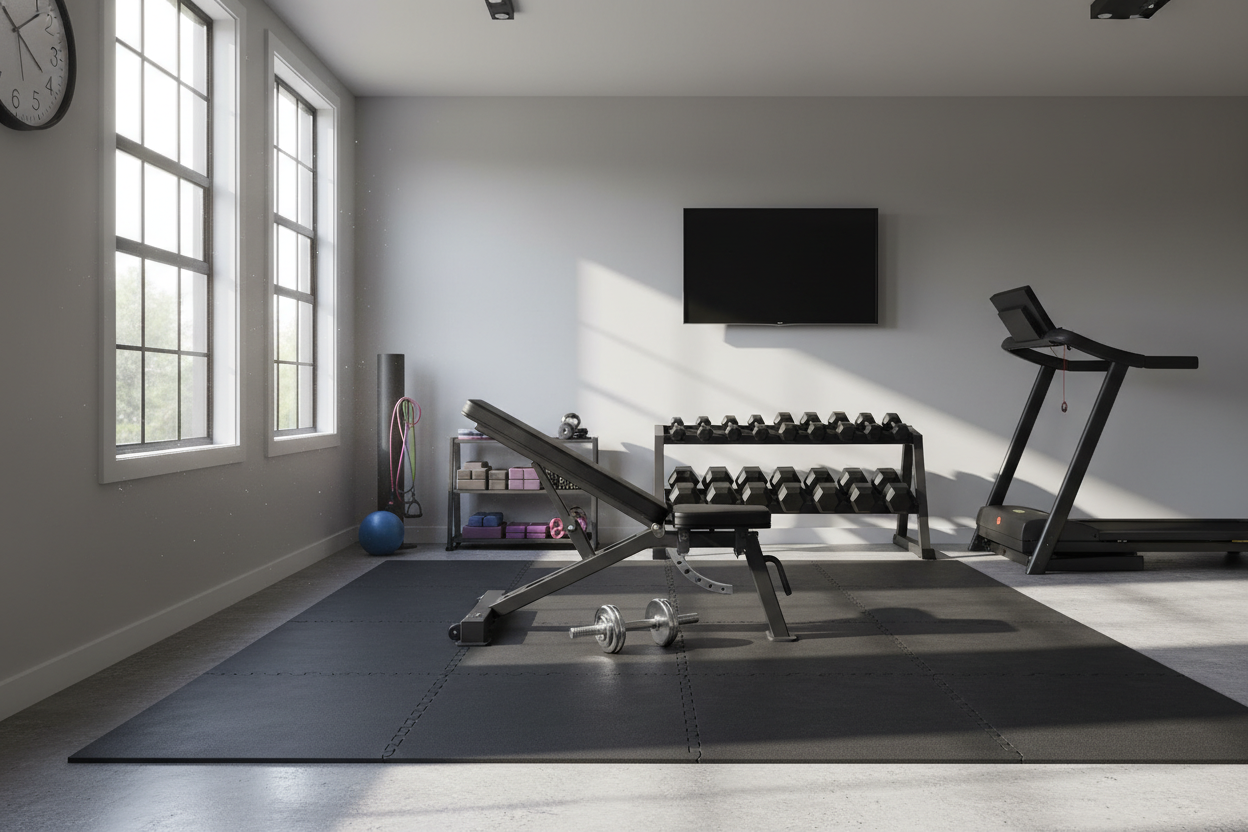
If you're going to train with real intensity alone in a garage, you need to be smart. You cannot reach true failure on a squat or bench press if you're terrified of getting pinned. I’ve had to bail on a heavy set more than once, and having a heavy-duty 6x8ft exercise mat saved my concrete floor from a 400-pound impact.
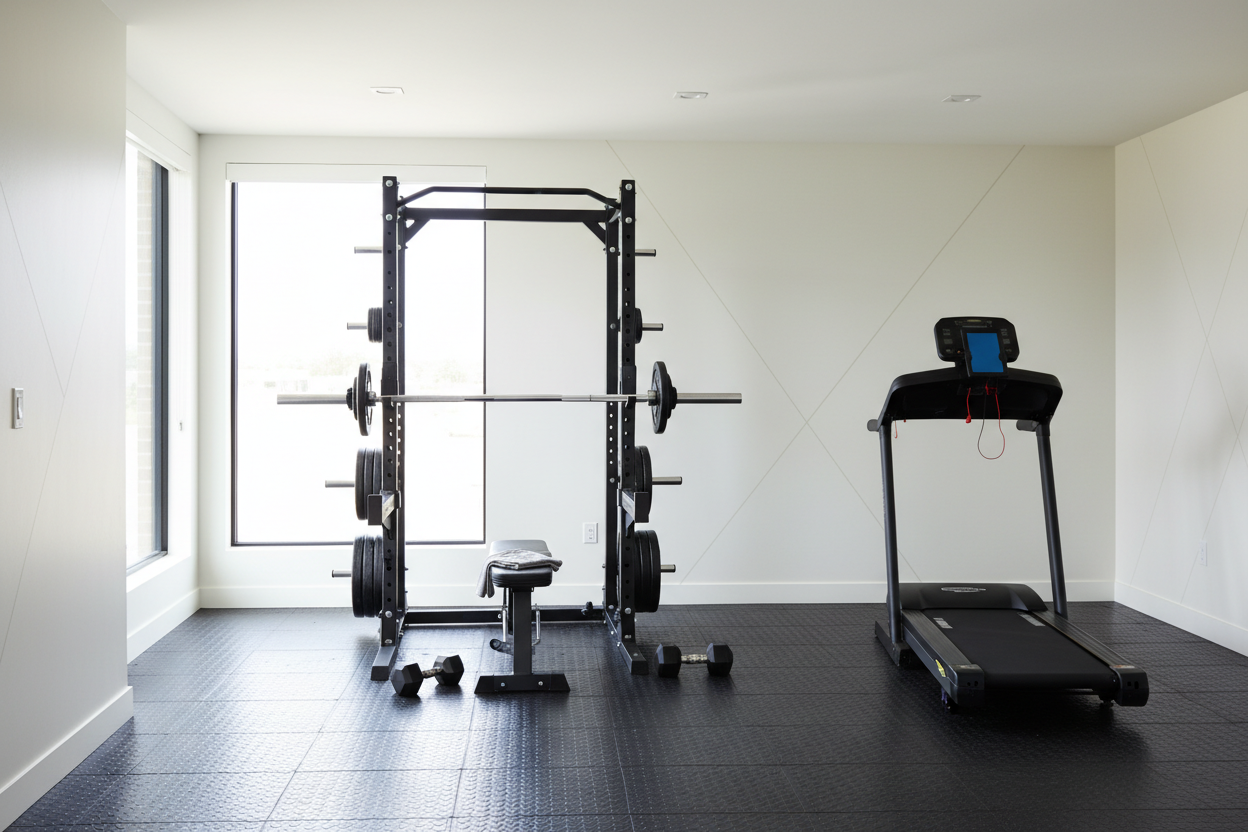
Invest in high-quality spotter arms or a full power rack. If you're worried about the noise or the floor, you'll subconsciously hold back on those final, most productive reps. Your gear should be the last thing on your mind when you're grinding out a rep. It should be a silent partner that has your back when things go south.
Stop Guessing and Start Lifting
Stop jumping from one '30-day shred' to the next 'extreme challenge.' Most of those are designed to make you tired, not better. Pick a simple, brutal, low-volume plan and run it for 12 weeks. If you need a starting point, check out our complete workout hub for routines that actually make sense.
I’ve wasted years on 'hard' plans that were just busy work. Don't make that mistake. Focus on the logbook, focus on your form, and focus on the intensity of the individual set. The results will follow the effort, not the duration.
Personal Experience: The Lesson of the 20-Rep Squat
A few years back, I tried a hard workout routine that centered around a single set of 20-rep 'breathing' squats. On paper, it looked easy. In practice, it was the most physically demanding thing I’ve ever done. I ended up dropping the bar on my safeties during week four because I pushed so hard I got lightheaded. It taught me that intensity isn't about how many exercises you do; it's about how much of yourself you put into a single movement. My legs grew more in that month than they had in the previous six.
FAQ
How do I know if I'm training hard enough?
If your rep speed doesn't naturally slow down significantly on the last two reps of a set, you aren't at a high enough intensity. You should be within 1-2 reps of 'technical failure,' where you couldn't do another rep with perfect form.
Can I train with high intensity every day?
No. High intensity requires high recovery. If you're truly pushing your limits, your body needs the off-days to repair systemic damage. 3 to 5 days a week is the sweet spot for most lifters.
What gear is essential for a hard workout?
A solid power rack with safeties is number one. After that, good flooring to protect your foundation and a versatile barbell are all you really need to get the job done.