Workout Machines Cheap: Read This Before You Spend A Dime
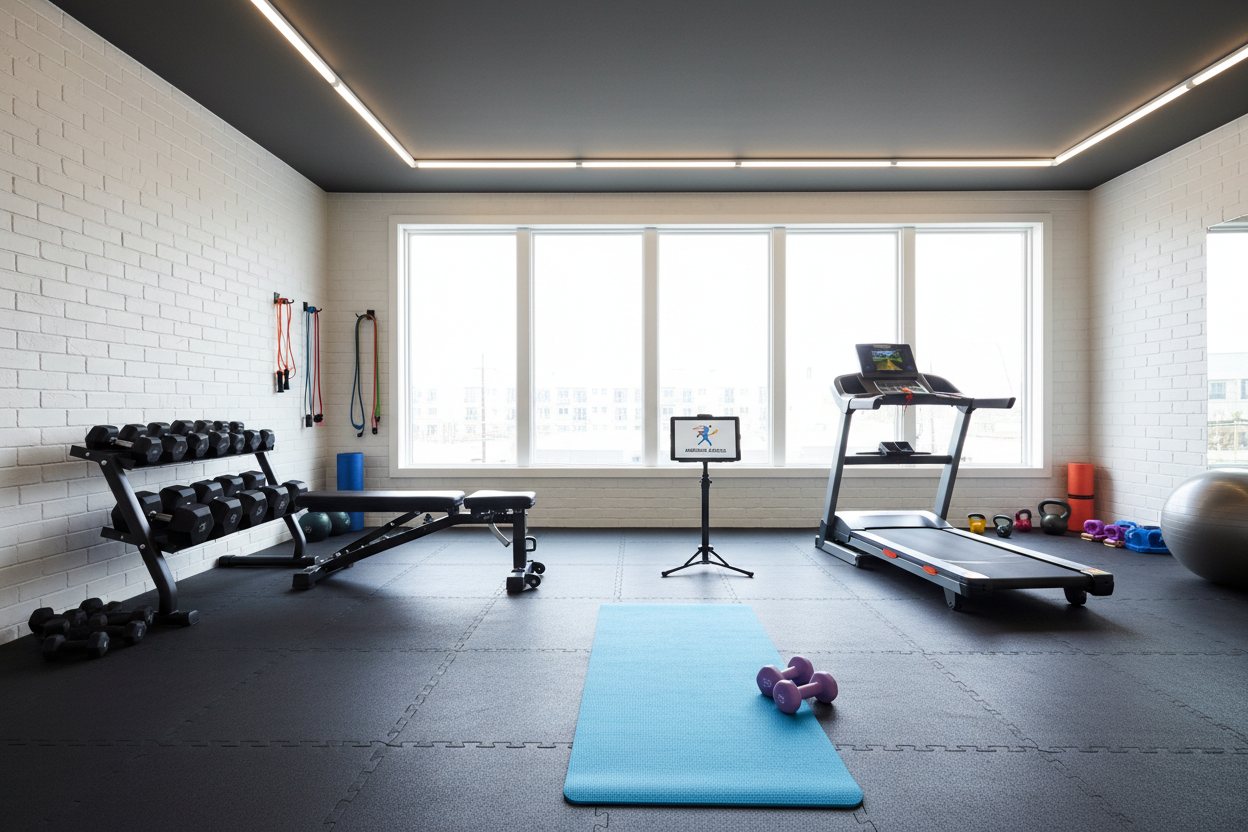
Building a home gym shouldn't require a second mortgage. If you are tired of paying exorbitant monthly fees and fighting crowds, you have probably started hunting for workout machines cheap enough to fit your garage budget but sturdy enough to handle serious training.
The problem? The internet is flooded with flimsy, unstable options that look great in photos but wobble dangerously under load. In this guide, we will help you navigate the budget fitness market so you can build a reliable, safe setup without wasting your hard-earned cash.
Key Takeaways
- Weight capacity is king: Always check the static and dynamic load ratings before hitting the checkout button.
- Prioritize versatility: A budget functional trainer offers significantly more value than a cheap single-station machine.
- Beware of hidden shipping costs: A low fitness machine price can quickly double once heavy freight fees are applied.
- Check the footprint: Measure your ceiling height and floor space before ordering tall racks or cable towers.
The Truth About the Price of Gym Equipment
When browsing any fitness equipment website, it is easy to get sticker shock. Commercial-grade equipment for fitness center use can cost thousands of dollars per piece. However, you do not need commercial specs for a residential garage or basement gym.
When to Save vs. When to Invest
You can absolutely find reliable equipments for gym setups on a budget, provided you know where to compromise. Save money on basic gymnasium items like flat benches, simple pull-up bars, or basic plate-loaded pulley systems. Conversely, invest a bit more in your primary gym weight equipment—specifically your power rack and barbell—where safety and heavy load-bearing are paramount.
Spotting Quality Gym Material on a Budget
Not all budget gear is created equal. The difference between a great deal and a dangerous waste of money usually comes down to the gym material used in manufacturing and the engineering of the moving parts.
Frame Gauge and Stability
When evaluating the equipment of gym setups, look closely at the steel gauge. While 11-gauge steel is the gold standard for heavy powerlifting, 14-gauge is perfectly acceptable for most standard home gym objects and budget machines. Avoid anything thinner than 14-gauge if you plan on lifting heavy. Additionally, check the weld quality in the product photos—you want clean, consistent lines rather than messy, spotty welds on your gym exercise material.
From Our Gym: Honest Take
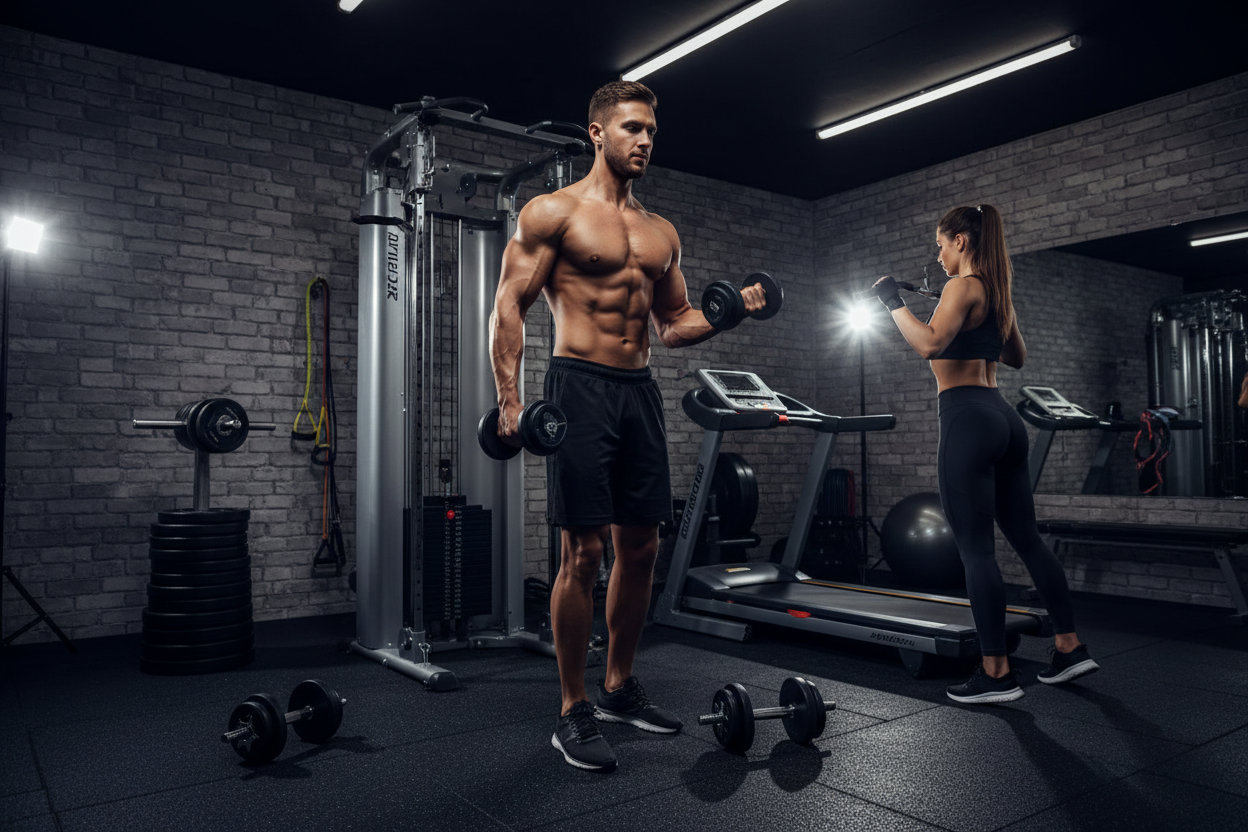
We recently tested a highly-rated budget cable crossover machine that retails for under $300. On paper, it looked like a massive steal compared to standard fitness center equipments. Assembly took about three hours, and the 14-gauge steel frame felt surprisingly robust once all the bolts were torched down.
However, here is my honest caveat: at 6'2, I found the dual-track carriage didn't quite accommodate my full wingspan during standing cable flyes. I had to step significantly forward to get a deep stretch in my chest. Furthermore, the stock nylon pulleys were a bit gritty out of the box. A quick swap to aluminum pulleys (a $30 DIY upgrade) completely transformed the machine, making it feel incredibly smooth. It is a fantastic piece of gym equipment supplies for the money, but you should expect to make minor tweaks when buying budget machines.
Frequently Asked Questions
Are cheap workout machines safe to use?
Yes, provided you stay within their stated weight limits and assemble them correctly. Always double-check the hardware tightness monthly, especially on budget-friendly moving parts and cable systems.
How can I find a reliable fitness equipment website?
Look for brands that offer transparent warranties, verified customer reviews with user-submitted photos, and clear return policies. Avoid obscure drop-shipping sites with no physical address or customer service contact information.
Is it better to buy used commercial gear or new budget gear?
It depends entirely on your space and mechanical skills. Used commercial gear is bulletproof but often massive, heavy, and requires specialized maintenance. New budget gear is designed specifically for compact home footprints and comes with a fresh warranty.