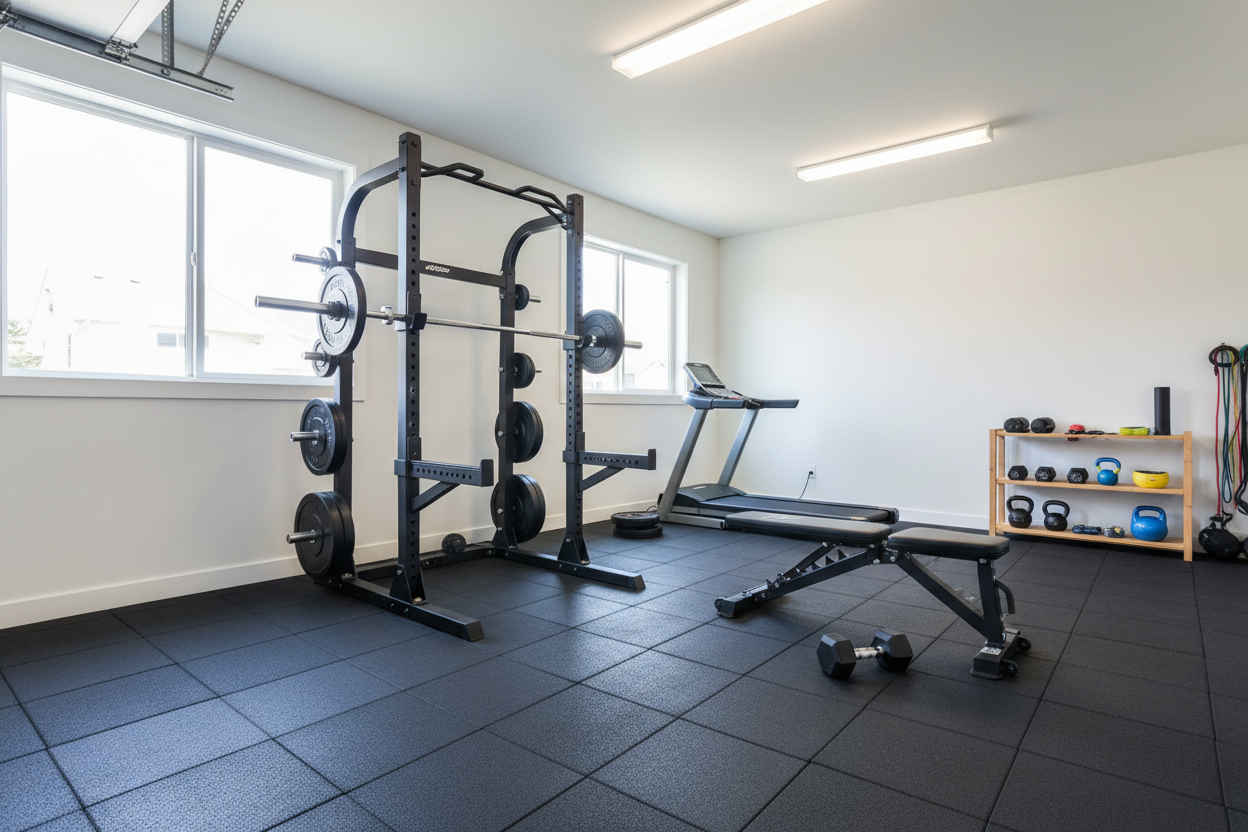
Full Body Workout Plan: Routines and Proper Form
A structured full body workout is one of the most practical ways to build muscle, develop upper body strength, and stay consistent with home training. Instead of spending hours isolating minor areas, a well-planned full body training program hits multiple muscle groups in a single session. This balanced approach helps lifters manage fatigue while ensuring every major muscle group receives regular stimulation throughout the training week.
Whether your goal is to build muscle, support weight loss, or trim excess body fat, switching to an integrated body workout routine simplifies your weekly schedule. Training the whole body removes unnecessary junk volume, focusing your energy on high-value movements that stimulate lean muscle development.
Why Choose a Full Body Workout Routine?
The primary advantage of a full body workout plan is weekly consistency. When you practice a traditional body split, missing one session throws off an entire week of progress. With regular body sessions, each major muscle group gets stimulated several times a week. Even if a busy schedule forces you to skip a day, you still maintain momentum.
A total body workout also helps lifters develop functional coordination. Exercises that hit multiple muscle groups simultaneously recruit the core, upper body, and lower body together. This elevated muscle recruitment promotes steady muscle growth and keeps energy expenditure high, making it a reliable training style for anyone aiming to lose weight or build functional strength.
Core Movement Patterns for Full Body Training
An effective full body workout does not require dozens of machines. Instead, it relies on foundational compound movements organized across key muscle groups. When you build your workout routine around these patterns, you cover all key angles without redundant strain.
1. Knee-Dominant Lower Body Moves
Squat variations anchor your lower body training. Stand with your feet shoulder width or slightly wider than shoulder width apart, keeping your chest tall. As you descend, sit back into your hips while tracking your knees over your toes. Push through the whole foot to stand tall and drive hips forward at lockout. Beginners can start with bodyweight squats, while advanced lifters can add dumbbells or a barbell.
2. Hip-Dominant Hinges
Hinge exercises like deadlifts or Romanian deadlifts target the hamstrings, glutes, and posterior chain. Hinging teaches you to fold at the hips while maintaining a neutral spine. Stand with feet hip-width to shoulder width apart, soften your knees, push your hips back, and finish the lift by driving your hips forward. These full body exercises engage your back and legs at once.
3. Horizontal and Vertical Upper Body Pushes
Pushing movements develop upper body strength across the shoulders, triceps, and upper chest. For a horizontal press, the dumbbell or barbell bench press remains a classic staple. Focus on keeping your shoulder blades retracted and elbows tucked at a comfortable angle. Vertical pushes, such as the overhead press, challenge overhead stability and core control.
4. Pulling Movements for Upper Body Balance
Balanced pulling movements protect shoulder joints and build back thickness. Rows work the mid-back and lats, while pull-ups or lat pulldowns emphasize vertical pulling. Pairing pressing and pulling ensures symmetrical upper body development.
How Many Times a Week Should You Train?
For most lifters, scheduling a full body workout two to three times a week provides an ideal balance of stimulus and recovery. Spacing body sessions with a rest day between them ensures that muscles rebuild before the next heavy bout.
If you prefer a 3-day weekly cadence, an alternating structure allows you to rotate movement priorities without overloading any single joint. For example, Workout A might lead with a knee-dominant squat and bench press, while Workout B leads with a hinge and overhead press. You can explore structured setups in this 3 day full body workout routine for beginners.
When time is tight, a brisk 20-minute body workout plan can still hit every major muscle group if you maintain steady pacing. Review our 20 min full body workout guide for ideas on sequencing short, productive home routines.
The Two-Day Alternating Full Body Workout Plan
Here is an approachable, balanced workout plan that you can run on alternating days (such as Monday, Wednesday, and Friday). Each session hits key muscle groups with minimal equipment overlap.
Workout A: Squat and Bench Press Focus
- Knee Dominant: Goblet Squat or Barbell Squat — 3 sets of 8 to 10 reps. Set your feet shoulder width apart, brace your core, and stand tall.
- Horizontal Push: Dumbbell or Barbell Bench Press — 3 sets of 8 to 10 reps. Keep your upper back stable against the bench and drive the weight upward.
- Vertical Pull: Lat Pulldown or Assisted Pull-Up — 3 sets of 10 reps. Focus on driving your elbows down toward your ribs.
- Posterior Accessory: Romanian Deadlift — 2 to 3 sets of 10 to 12 reps with light weights or moderate dumbbells.
Workout B: Hinge and Overhead Press Focus
- Hinge Dominant: Trap Bar or Dumbbell Deadlift — 3 sets of 6 to 8 reps. Set your feet shoulder width apart and stand tall by driving your hips forward.
- Vertical Push: Standing Dumbbell Overhead Press — 3 sets of 8 to 10 reps to develop vertical upper body strength.
- Horizontal Pull: Chest-Supported Row — 3 sets of 10 to 12 reps to recruit the mid-back without stressing the lower back.
- Unilateral Leg Move: Reverse Lunges or Split Squats — 2 to 3 sets per leg to build balanced lower body stability.
Mastering Proper Form and Floor Setup
Exercising at home requires a secure, stable surface, especially when you alternate between standing compound lifts and floor work like push-ups or core holds. Lifting on hard, slick surfaces can cause your feet to slip during squats or lunges. A dedicated 6x10ft exercise mat for home workout provides the traction and joint cushioning needed for both heavy sets and cool-down stretches.
If you split your training between loaded weights and floor mobility, a durable 6x10ft yoga mat exercise mat protects your subfloor while keeping your footing secure during dynamic bodyweight exercises.
Whenever you execute loaded movements, focus on proper form rather than simply chasing heavier loads. Keep your spine neutral, maintain control throughout the eccentric lowering phase, and avoid rushing between repetitions.
Bodyweight Exercises and Light Weights Variations
You do not need heavy barbells to complete an effective full body workout. Bodyweight exercises and light weights offer a great entry point for developing movement competence and joint comfort before adding heavy loads.
Calisthenics for Full Body Training
- Push-Ups: An exceptional bodyweight move that engages the chest, triceps, and anterior shoulders while challenging trunk stability.
- Bodyweight Squats: Stand with feet shoulder width apart, lower under control, and stand tall while pressing hips forward to finish each rep.
- Inverted Rows: Using a suspension trainer or sturdy table edge, inverted rows strengthen the upper back using only your bodyweight.
- Plank Variations: Static and side planks train core stability, reinforcing the bracing posture you need during heavier compound movements.
Using Light Weights for Warm-Ups and Accessory Sets
Starting your body workout routine with light weights helps warm up the joints and groove proper form before challenging sets. Light dumbbell lateral raises, biceps curls, and face pulls can be added at the end of your main full body exercises to address smaller muscles without creating systemic fatigue.
For more programming templates and equipment guides, browse our dedicated workout hub resource.
Common Full Body Workout Mistakes to Avoid
While a full body workout plan is efficient, common training pitfalls can reduce your progress or cause excessive fatigue:
- Overloading Isolation Moves: Adding endless sets of triceps kickbacks or biceps curls dilutes the energy needed for major compound movements. Stick to foundational lifts first.
- Training to Absolute Failure Every Set: In a program where you train three times a week, pushing every set to failure makes recovery difficult. Stop one to two reps before breakdown.
- Neglecting Floor Stability: Unstable footing during squats or overhead presses compromises your balance and limits force transfer. Use stable gym flooring or a non-slip exercise mat.
- Skipping Warm-Up Sets: Transitioning directly into your heaviest weights without preparing your joints increases strain. Always perform ramp-up sets with light weights or bodyweight drills.
Frequently Asked Questions
What is the best full body workout routine for beginners?
An alternating two-session split performed three times a week is widely considered the most practical approach. It allows beginners to practice basic movements like squats, hinges, pushes, and pulls frequently without accumulating unmanageable fatigue.
Are 4 exercises enough for a full body workout?
Yes. A routine containing four well-chosen compound movements—such as a squat, a hinge, an upper body push, and an upper body pull—can effectively challenge every major muscle group in under an hour.
How does a full body workout support weight loss?
Because full body exercises hit multiple muscle groups across the upper body and lower body, they require substantial energy expenditure during and after training. Combined with balanced nutrition, this supports healthy weight loss and the preservation of lean muscle.
Can I build muscle doing only bodyweight exercises?
Yes. Progressive bodyweight exercises such as push-ups, pull-ups, lunges, and inverted rows provide ample tension to build muscle when performed with controlled tempo, full range of motion, and proper form.