Workout for a Flat Belly: Why Your Core Routine is Failing
If you have ever spent thirty minutes lying on a paper-thin yoga mat, pumping out endless crunches while staring at your ceiling, you know the frustration. Core training is often the most misunderstood part of home fitness, leading to wasted time and zero visible results.
Building a functional, effective workout for a flat belly isn't about doing a thousand reps of a single movement. It is about strategic equipment choices, progressive overload, and targeting the entire abdominal wall. In this guide, we will break down the gear and the programming you actually need to build a stronger, leaner core without wasting your time or gym space.
Key Takeaways
- Ditch the crunches: Focus on anti-extension and stability movements for deeper core engagement.
- Space-saving gear like ab rollers and suspension trainers offer the highest return on investment for home gyms.
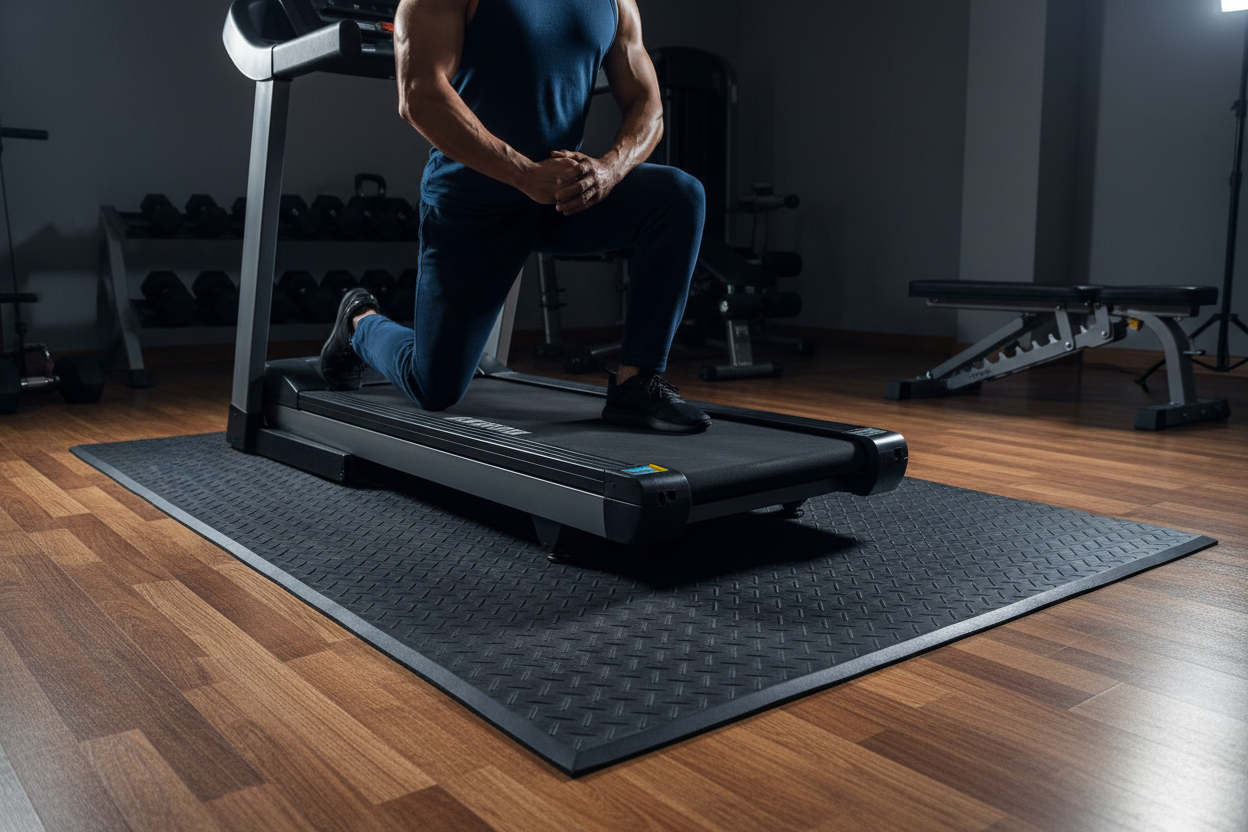
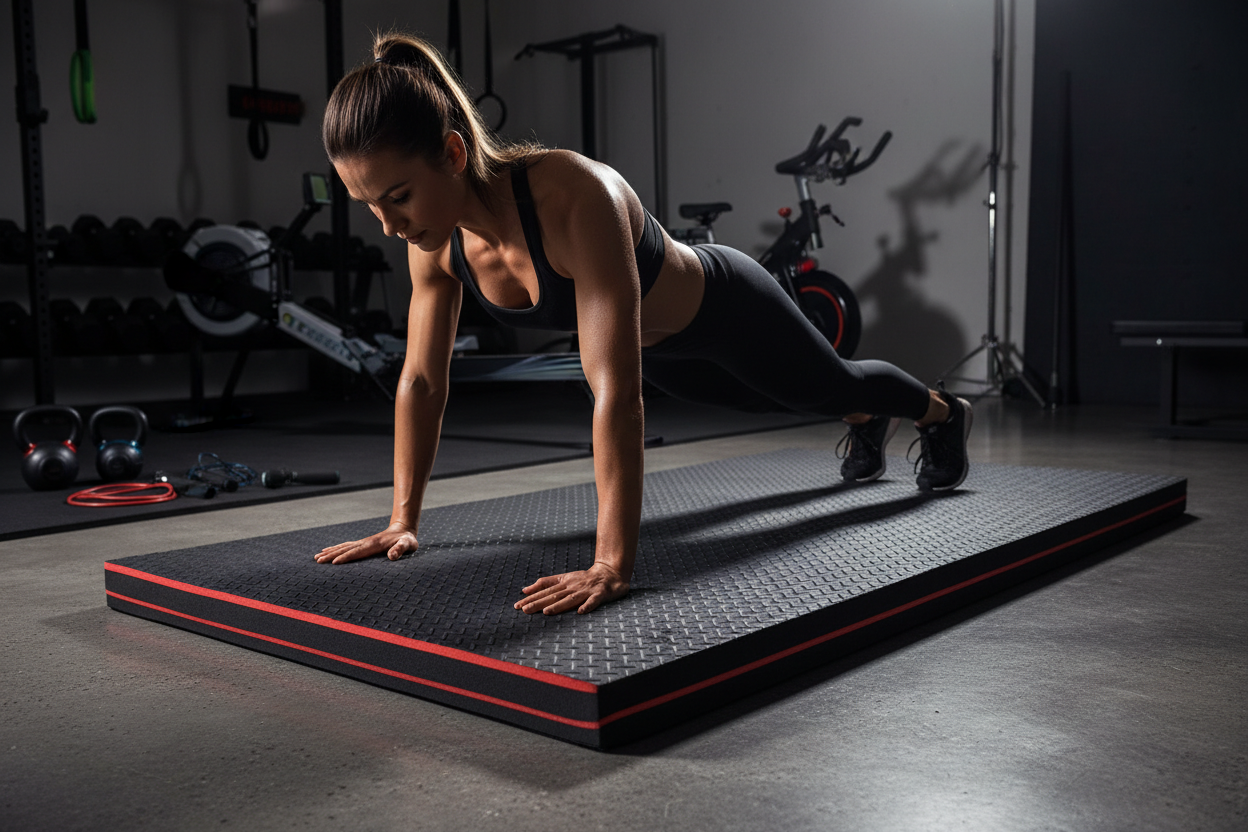
- A thick, high-density exercise mat is non-negotiable for protecting your tailbone and knees on hard garage or basement floors.
- Core visibility is heavily tied to nutrition, but building the muscle requires actual resistance training.
The Science of Core Training at Home
Why Traditional Crunches Aren't Enough
When people look for a workout for a flatter stomach, they usually default to spinal flexion (sit-ups and crunches). However, the core's primary biological function is to stabilize the spine and resist motion. To truly engage the deep transverse abdominis, you need exercises to flatten stomach profiles by bracing—think heavy farmer's walks, ab wheel roll-outs, and hollow body holds. These movements force the core to work as a unified system.
Essential Gear for Core Development
The Ab Roller: Small Footprint, Massive ROI
For those tight on space, an ab wheel is the ultimate home gym tool. It requires less than six feet of floor space and provides some of the most intense stomach flattening exercises available. When executed properly, roll-outs force your entire anterior chain to stabilize, making them incredibly effective exercises to flatten abs. Look for a wheel with a wide base or dual wheels if you are a beginner, as this provides better lateral stability.
Decline Benches and Suspension Straps
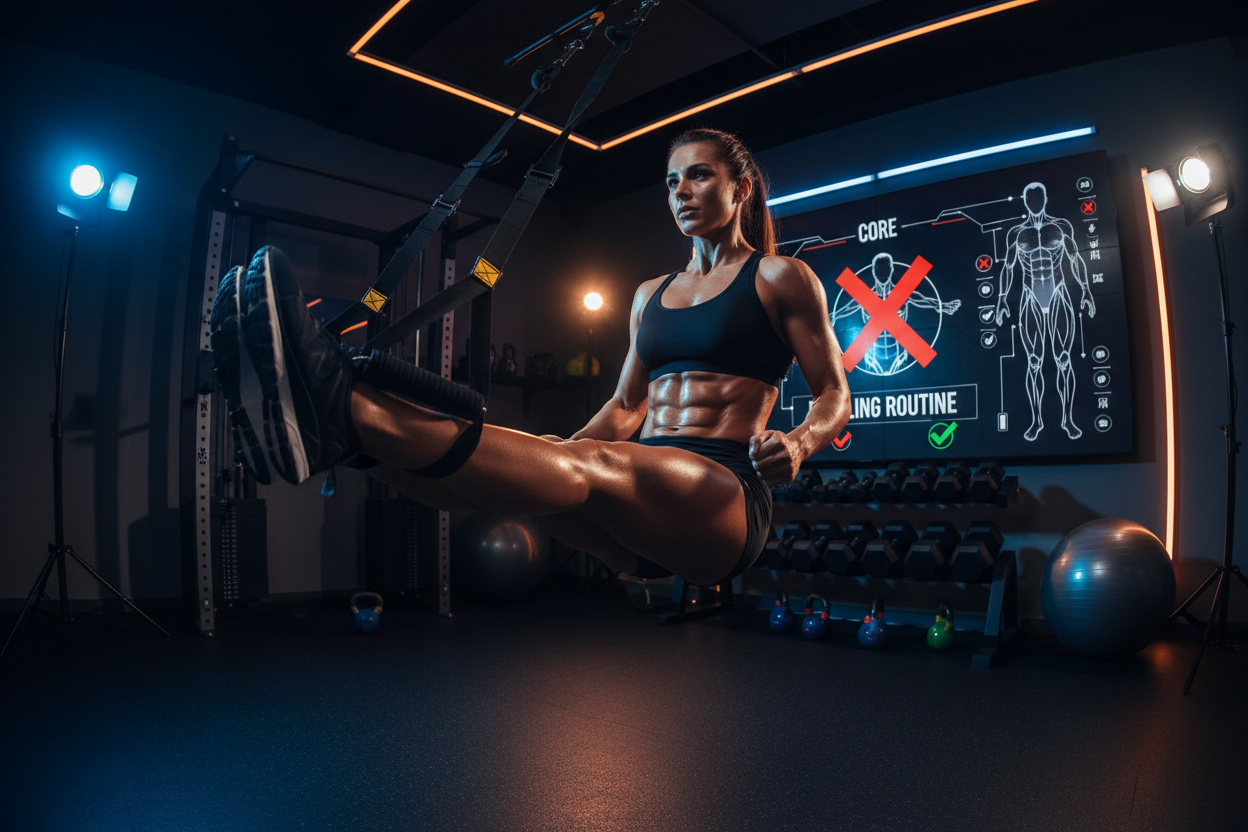
If you have a dedicated garage or basement gym, an adjustable decline bench is a worthy investment. It allows you to perform weighted Russian twists and decline sit-ups, which are undeniably good exercises for a flat stomach. Just ensure you have roughly a 6-foot by 3-foot clearance area. Alternatively, suspension straps can be hung from any sturdy power rack, allowing for suspended pikes and knee tucks—both fantastic, good exercises for a flatter stomach that require zero floor footprint when not in use.
Structuring Your Core Routine
Beginner to Advanced Progressions
Starting out, you might be searching for easy exercises to flatten stomach muscles safely without straining your lower back. Begin with dead bugs and bird-dogs on a premium, high-density mat. These flat tummy easy exercises build the crucial mind-muscle connection. As you advance and build strength, you can integrate weighted movements and suspension trainer pikes to continue challenging the muscles.
From Our Gym: Honest Take
I have tested dozens of core gadgets over the years, from late-night infomercial gimmicks to commercial-grade GHD machines. When I set up my own garage gym, I quickly realized floor space was my biggest enemy. I bought a heavy-duty, dual-wheel ab roller and a 15mm thick NBR foam mat. Let me tell you, doing exercises to flatten the belly on a bare concrete floor will wreck your knees in a matter of days. That thick mat was a lifesaver. Furthermore, the knurled rubber handles on the premium ab wheel made a huge difference when my hands got sweaty during intense circuits. You don't need a massive, $500 crunch machine; you just need durable, simple tools and ruthless consistency.
Frequently Asked Questions
Do I need heavy weights for core training?
Not necessarily. While weighted resistance can help build thicker, more visible abs, bodyweight tension and stability tools (like suspension straps or an ab wheel) are more than enough to build a strong, flat midsection at home.
How much space do I need for core equipment?
Most core-specific gear is highly space-efficient. An ab wheel and a good mat can easily be stored in a closet and require only a 6x3 foot area to use. A decline bench will require a bit more dedicated floor space, roughly 5x2 feet, plus head clearance.
Can I out-train a bad diet with core workouts?
No. While you can build the muscle underneath, revealing a flat belly ultimately comes down to your overall body fat percentage. Your home gym equipment builds the muscular foundation, but your kitchen habits reveal the results.