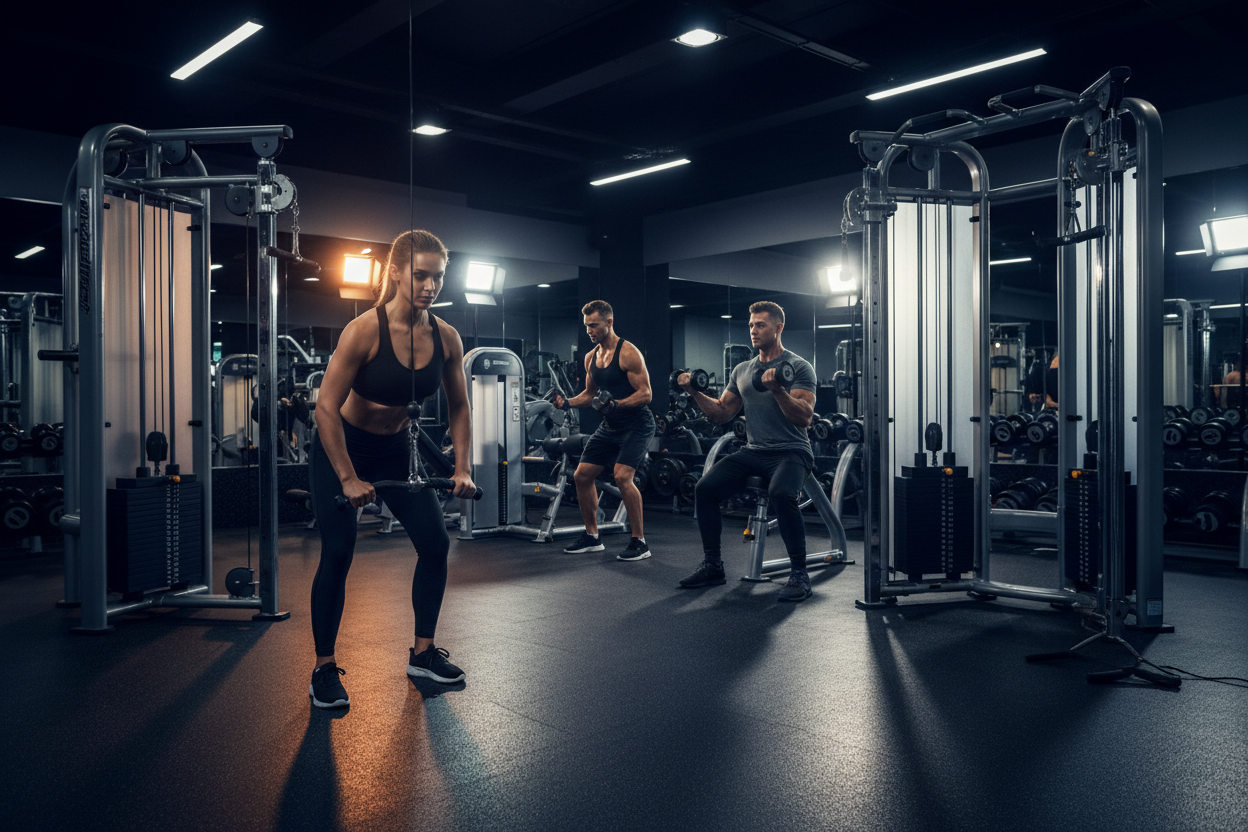
Workout Fitness Mastered: Elevate Your Home Gym Setup
Hitting a wall with your home training is incredibly frustrating. You have the weights, you have the space, but your workout fitness results have completely stalled. Often, the missing link isn't pushing more heavy iron—it's optimizing your environment for better programming and consistency. In this guide, we'll break down how to structure your home gym to seamlessly integrate modern digital training, ensuring you never waste another session staring at your rack wondering what to do next.
Key Takeaways
- Pairing your equipment with structured video fitness programs accelerates results and prevents frustrating plateaus.
- Your gym layout must account for screen visibility and a minimum 6x8 foot clearance for dynamic movements.
- Adjustable dumbbells and high-density rubber mats are the highest-ROI investments for digital programming.
- Following an exercise program video requires proper acoustic planning to hear cues over clanking weights.
Integrating Digital Programming
Gone are the days of printing out spreadsheets and taping them to your squat rack. Today, leveraging high-quality digital content is the most efficient way to bring a personal trainer directly into your garage or basement.
Finding the Right Flow
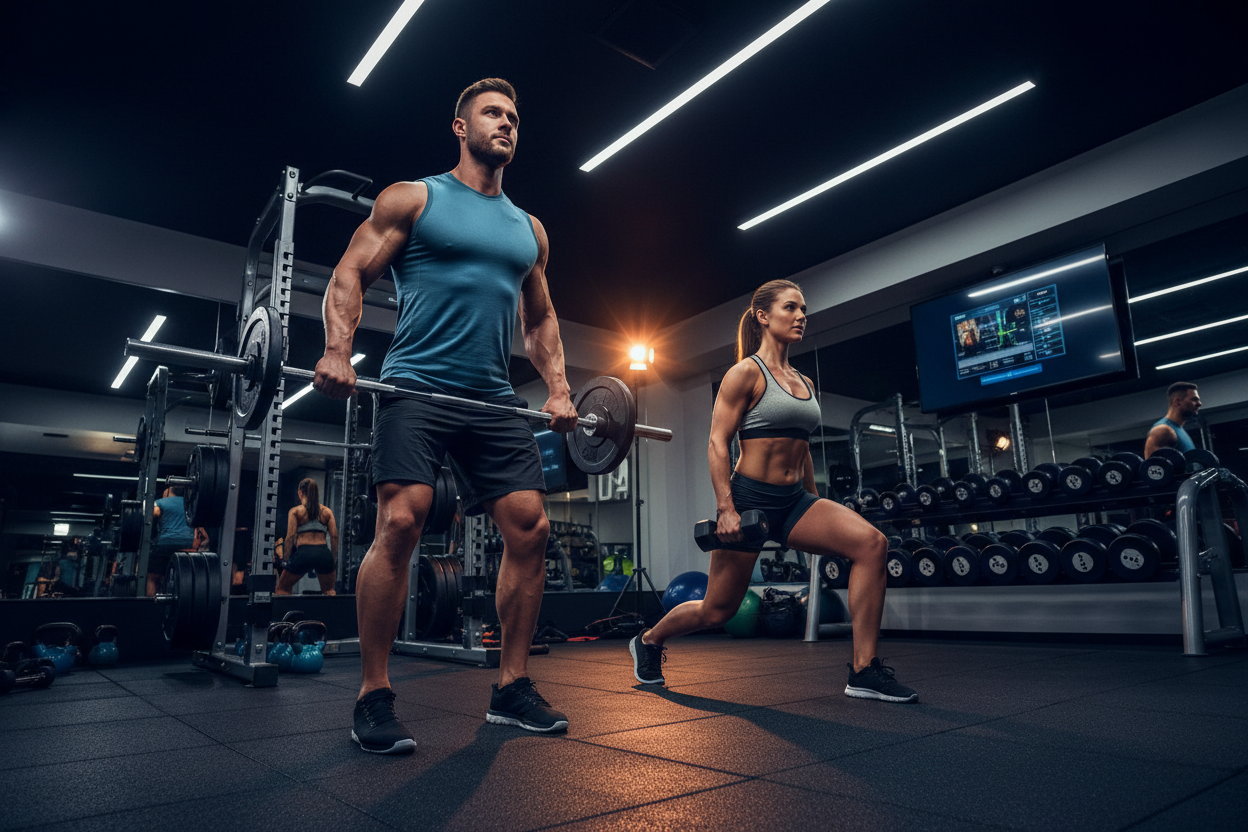
The key to success with any training video fitness platform is reducing friction. If you have to spend ten minutes moving a heavy bench just to see your tablet, you'll eventually stop logging in. Position your primary screen at eye level when standing, ideally mounted to a wall or securely attached to a dedicated magnetic media stand on your power rack uprights.
Space Planning for Dynamic Movement
Traditional powerlifting requires a strictly linear footprint. However, following modern video workout routines often introduces lateral movements, plyometrics, and mobility flows that demand a completely different spatial approach.
Clearance and Flooring
For most North American home gyms, we recommend a clear 'active zone' of at least 6 by 8 feet directly in front of your screen. Invest in 3/4-inch vulcanized rubber flooring. Not only does it protect your concrete foundation from dropped weights, but it also provides the necessary grip and shock absorption for dynamic, high-intensity intervals.
Essential Equipment for Guided Workouts
You don't need a commercial facility to follow along with premium digital content. Focus on versatile, space-saving gear that allows for rapid transitions between exercises.
Adjustable Resistance
A set of high-quality adjustable dumbbells is non-negotiable. When an instructor in your exercise program video calls for quick drop sets or rapid transitions, you don't have time to unspin collars on traditional loadable handles. Pair these with a commercial-grade flat/incline/decline (FID) bench that features a narrow pad (around 10 to 12 inches wide) to allow full scapular retraction during heavy presses.
From Our Gym: Honest Take
When we first started testing various digital platforms in our own facility, I realized my setup was completely flawed. I had a massive 6-post power rack dominating the room, leaving barely any floor space for the kettlebell flows required by my new program. I ended up downsizing to a folding wall-mount rack to reclaim that square footage. The biggest game-changer, though, was audio. Trying to hear form cues from a laptop speaker over the roaring sound of a fan bike is impossible. I highly recommend investing in a rugged, sweat-proof Bluetooth speaker or over-ear workout headphones. It completely transformed my engagement with the content.
Frequently Asked Questions
Is a dedicated screen necessary for home workout fitness?
While a phone works in a pinch, a dedicated TV or a large tablet mounted at eye level significantly improves your posture and form, allowing you to follow along without constantly straining your neck downward.
How much space do I need for video-guided routines?
Aim for a minimum of 48 square feet (6x8 feet) of clear floor space. This accommodates lateral lunges, burpees, and overhead barbell work without risking damage to your drywall or nearby equipment.
Can I build muscle with just digital programs and dumbbells?
Absolutely. Progressive overload can be achieved through tempo manipulation, increased reps, and shorter rest periods—all common techniques utilized by expert trainers in premium programming.