Why Your Strength Workout Training Plan Is Doing Way Too Much
I remember scrolling through social media at midnight, watching an influencer perform six different variations of a cable flye after already hitting three bench press variations. It looks impressive on camera, but if your strength workout training feels like a three-hour marathon of fifteen different movements, you aren't actually training—you're just collecting fatigue. I’ve been there, thinking that if I didn't hit my muscles from eighteen different angles, the workout didn't count. The result? Stalled lifts and joints that felt like they were filled with sand.
Quick Takeaways
- Focus on 3-5 high-impact compound movements per session.
- Progressive overload is the only metric that truly matters for long-term growth.
- Junk volume kills recovery and stalls your top-end strength.
- Quality gear like a solid rack and barbell beats a room full of specialized machines.
The 'More is Better' Trap Destroying Your Gains
The fitness industry thrives on variety because variety is easy to sell. Doing the same squat, bench, and deadlift every week for a year is boring, but it works. Influencers need new content every day, so they invent 'creative' angles that do nothing but eat into your recovery capacity. When you pile on endless accessory work, you aren't creating more muscle adaptation; you're just creating more systemic fatigue.
I see guys in garage gyms all the time trying to replicate a professional bodybuilder's high-volume split. The problem is, unless you have elite-level recovery or 'chemical assistance,' that much volume just leaves you too tired to perform on your heavy sets the following week. Your workout strength shouldn't be measured by how much you sweat, but by the numbers in your logbook.
Stripping Down to Real Strength Workout Training
A barebones, effective strength training workout is built on the classics. We're talking about the squat, hinge, push, and pull. If you can’t explain why an exercise is in your program, it shouldn't be there. I’ve found that my best progress came when I cut my exercise count in half and doubled my intensity on the lifts that actually move the needle.
Instead of chasing a 'pump' with light weights and high reps, focus on moving heavy loads with perfect technique. This doesn't mean you never do accessories, but they should serve the main lift. If your tricep work isn't helping your bench press lockout, it's probably just wasted energy.
Ditch the Junk Volume
Junk volume is any set that taxes your central nervous system (CNS) without providing a stimulus for growth or strength. If you're doing a fifth set of lateral raises but your form is breaking down and you're using momentum, that's junk. This kind of workout strength training leads to burnout. You want every rep to have a purpose. If you're hitting your main lifts with 85-90% of your max, you don't need ten different isolation moves to 'finish' the muscle off.
The Only Gear This Minimalist Routine Requires
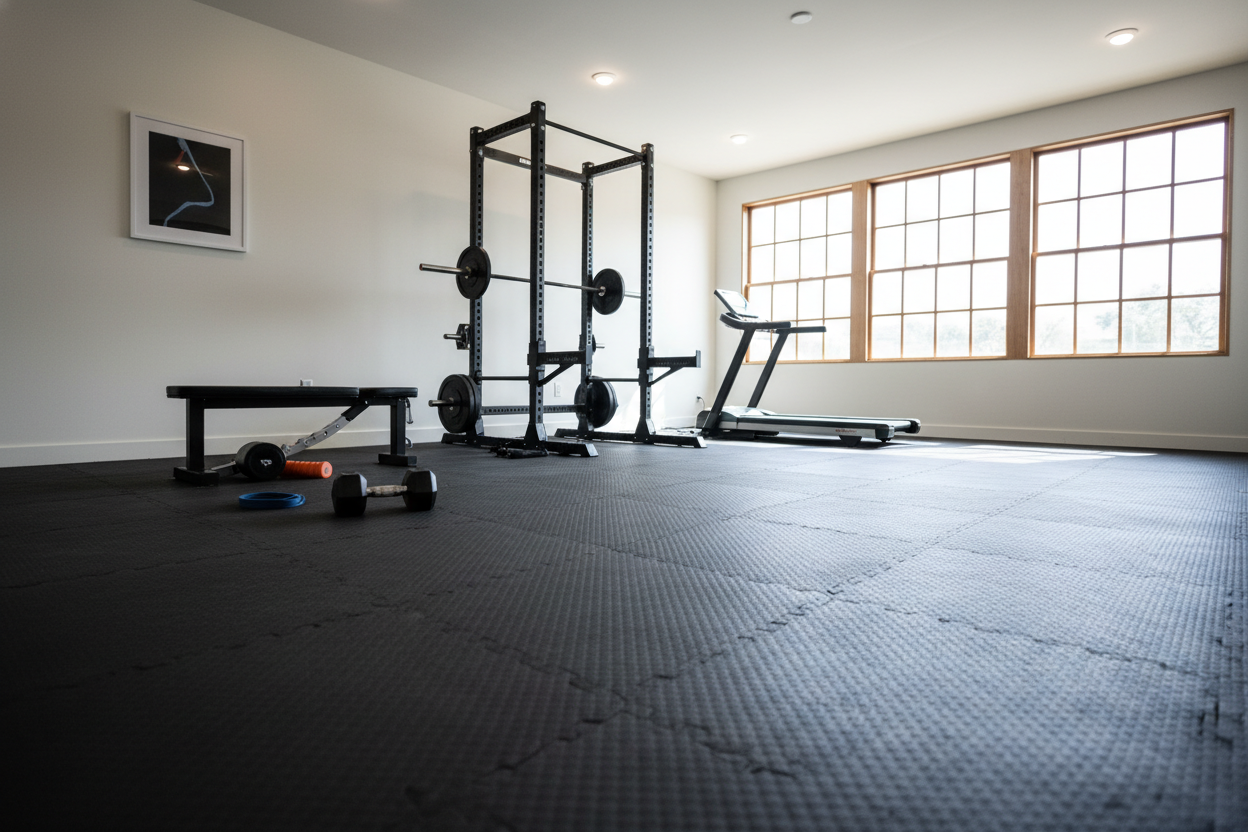
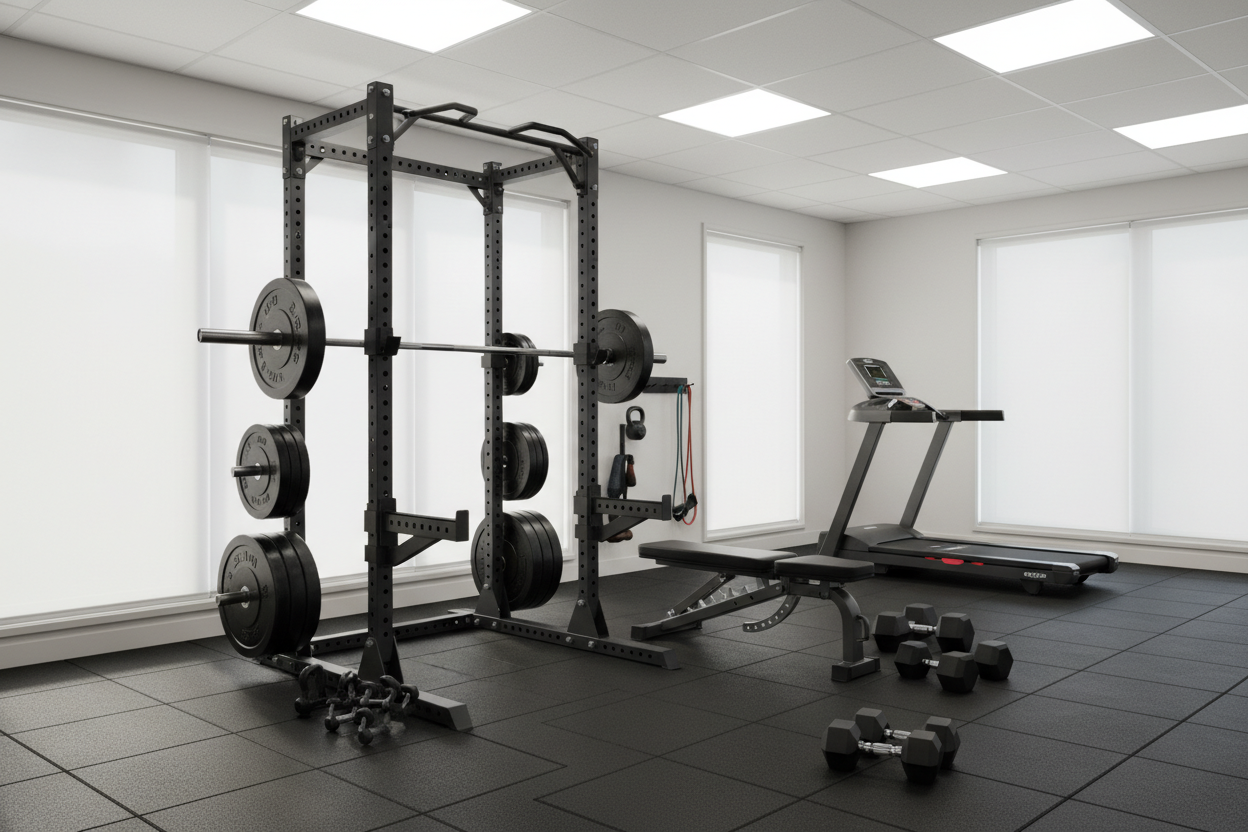
You don't need a 20-station commercial gym to get strong. In fact, most of those machines are just distractions. I built my foundation with basic strength equipment: a sturdy power rack, a 20kg barbell with decent knurling, and a stack of iron plates. That’s it. If your rack has a 1,000-lb capacity and your bar doesn't bend under a 405-lb load, you have everything you need for world-class strength and training workouts.
As you get heavier, you might want a few strength training accessories to keep things moving. I’m talking about a high-quality 10mm or 13mm lever belt and maybe some chalk. Avoid the flashy gadgets that promise to 'isolate' muscles you didn't know you had. Stick to the tools that have been building monsters since the 70s.
Protecting Your Foundation (And Your Joints)
If you're training in a garage or a spare room, you have to respect the house. Dropping 400 lbs on bare concrete is a fast way to ruin your floor and your equipment. More importantly, the shock of heavy lifting on a hard surface is brutal on your knees and ankles over time. I learned this the hard way after a year of deadlifting on thin plywood—my patellar tendonitis was constant.
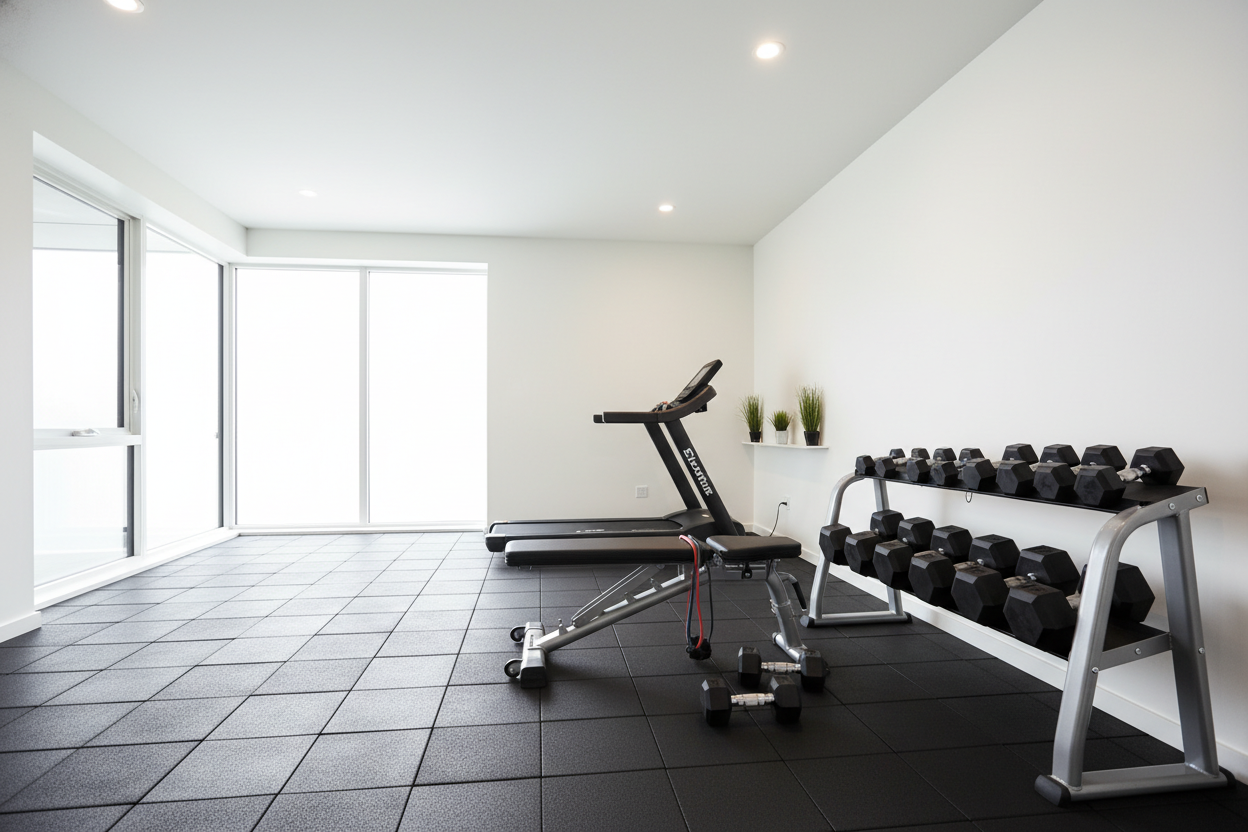
Invest in heavy-duty gym flooring to create a dedicated lifting area. A 3/4-inch rubber mat provides the stability you need for heavy squats while absorbing the impact of a dropped pull. It makes the whole strength workout experience quieter and safer for your joints.
Where Conditioning Actually Fits In
Conditioning shouldn't be an afterthought, but it shouldn't cannibalize your strength workout either. If you're huffing and puffing so hard that you can't recover for your next set of squats, your 'cardio' is actually a detriment. I prefer keeping conditioning sessions separate from my heavy lifting days.
On your non-lifting days, you can run a total body strength training HIIT workout to keep your work capacity high. This ensures you have the gas tank to get through a heavy session without losing the raw power you've built. The goal is to be a well-rounded athlete, not just a specialist who gets winded walking up a flight of stairs.
Personal Experience: My 'More is Better' Mistake
A few years ago, I convinced myself I needed a 'pro' routine. I was doing 25 sets per workout, five days a week. I was constantly sore, my sleep was terrible, and my deadlift actually went down by 20 lbs in three months. I was doing too much workout strength work and not enough recovering. I stripped everything back to a basic 4-day split with 4 exercises per day. Within six weeks, I hit a lifetime PR on my squat. The lesson? More isn't better; better is better.
FAQ
How many exercises should be in a strength workout?
Aim for 3 to 5 exercises. Focus on one main compound lift (squat, bench, deadlift, or overhead press) and follow it up with 2-3 meaningful accessory movements that address your weaknesses.
Is a 30-minute strength workout long enough?
If the intensity is high and you're hitting heavy compounds, 30-45 minutes is plenty. Most people spend too much time resting or scrolling on their phones between sets of fluff exercises.
Do I need to change my routine every week?
No. 'Confusing the muscle' is a myth. You want to keep the same lifts for at least 8-12 weeks so you can actually track progress and apply progressive overload.