Why Your Living Room Makes a Better Gym Than You Think: A Real Guide to Home Workout Systems
Setting up a complete home fitness gym equipment solution doesn't mean you need a spare bedroom or thousands of dollars. After spending months researching and testing different setups in my own 900-square-foot apartment, I've learned that the right home exercise system can deliver results that rival any commercial gym membership—without the commute, crowds, or recurring fees.
The transformation of home fitness has been remarkable. What used to require bulky machines and dedicated rooms now fits into corners, folds against walls, or slides under beds. Modern workout systems have evolved to meet the reality of how most people actually live.
What Makes a Complete Home Workout System
A functional workout system for home needs to address three core movement patterns: pushing, pulling, and lower body exercises. Everything else is supplementary. This realization changed how I approached my own setup and saved me from buying equipment that would eventually become expensive coat racks.
The best home training machine options combine multiple functions into single pieces of equipment. Adjustable dumbbells replace entire racks. Resistance band systems create cable machine alternatives. A quality adjustable bench transforms simple weights into a complete upper body solution.
Space efficiency matters more than most people realize when planning workout stations at home. I made the mistake of buying a traditional weight bench before measuring my available floor space. It dominated the room and made the area feel cramped rather than motivating. Foldable or wall-mounted options would have been smarter choices.
Building Your Setup Around Real Life
The most expensive home training system isn't necessarily the best one. I've seen friends invest in elaborate gym systems that promised everything, only to use them for a few weeks before they became furniture. The equipment that gets used is equipment that fits seamlessly into your daily routine.
Consider your actual workout habits rather than aspirational ones. If you've never enjoyed rowing at a commercial gym, buying a rowing machine for home probably won't change that. Match your home work out system to movements you genuinely enjoy and will repeat consistently.
The Core Equipment That Actually Gets Used
Adjustable dumbbells form the foundation of most successful home setups. They're versatile, compact, and suitable for hundreds of exercises. Brands like PowerBlock or Bowflex offer sets that replace 15-20 pairs of traditional dumbbells in the footprint of a small box.
Resistance bands deserve more credit than they typically receive. A quality band set with door anchors creates a surprisingly effective cable system alternative. They're perfect for pulling movements that are otherwise difficult to replicate at home without expensive machines.
A pull-up bar or suspension trainer addresses the pulling movements that dumbbells can't effectively target. Doorway-mounted options work for most people, though free-standing systems provide more exercise variety if you have the space and budget.
Smart Choices for Different Spaces and Budgets
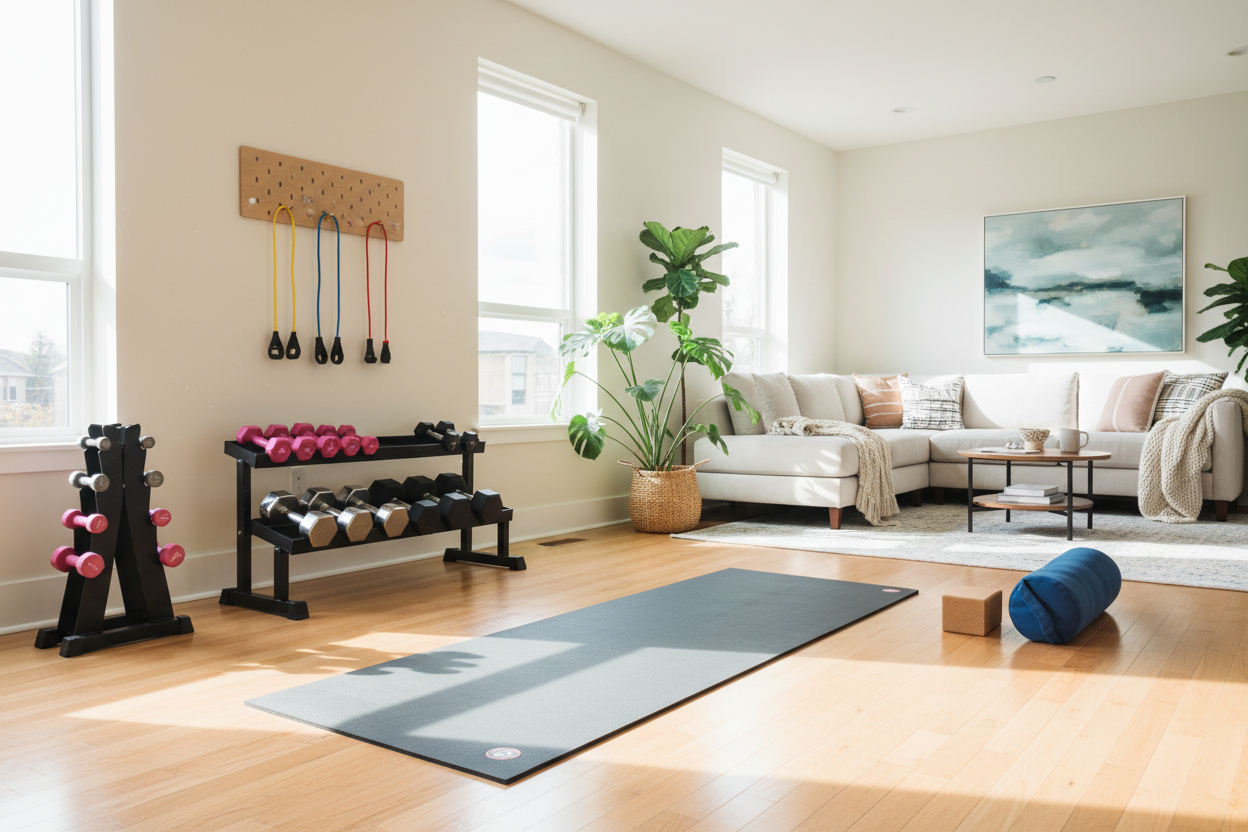
Small apartments demand creative solutions. Wall-mounted folding racks, resistance band systems, and adjustable dumbbells can create a complete workout system in less than 20 square feet of floor space. When not in use, everything either folds flat or stores in a closet.
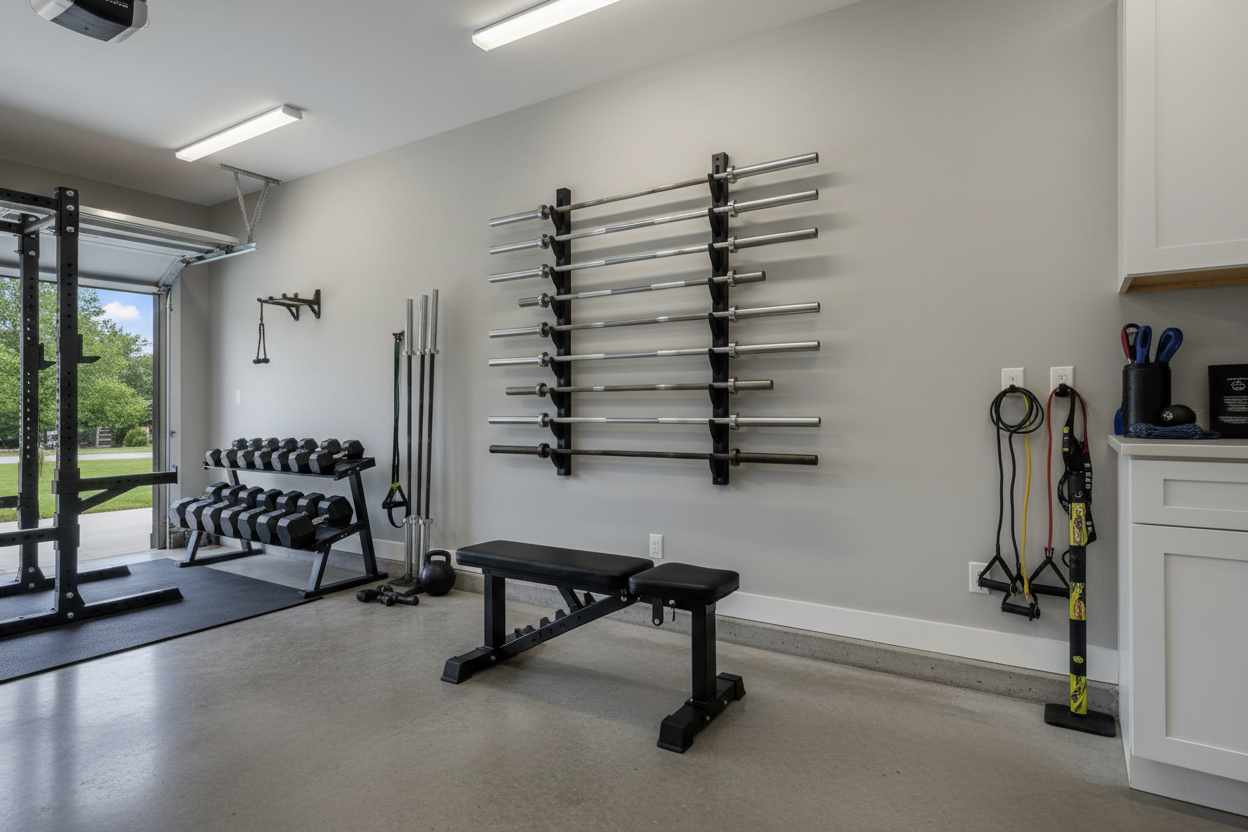
Garage or basement setups allow for more traditional system gym configurations. Here, a power rack with a pull-up bar, adjustable bench, and barbell set creates a foundation that can handle nearly any strength training program. Adding a few specialty items like a cable attachment or dip station expands the possibilities further.
Budget constraints are real, but they don't have to prevent effective training. Starting with a simple setup—adjustable dumbbells, a stability ball, and resistance bands—costs less than three months of most gym memberships. This basic home exercise system handles beginner and intermediate programs perfectly well.
Avoiding Common Purchasing Mistakes
The temptation to buy everything at once is strong but usually counterproductive. Start with basics and add pieces as you identify genuine needs rather than perceived ones. My own storage area contains several pieces of equipment that seemed essential when I ordered them but rarely get touched now.
Quality matters more than quantity, especially for items you'll use frequently. A solid adjustable bench that doesn't wobble during exercises is worth paying extra for. Cheap dumbbells with uncomfortable grips make workouts less enjoyable and less likely to happen consistently.
Don't overlook used equipment markets. Commercial-grade gym systems often appear on local marketplaces for a fraction of retail prices when gyms upgrade or close. I found a professional-quality adjustable bench for 40% of its original cost from a gym that was downsizing.
Making Your Investment Last
Maintenance extends equipment life significantly. Wiping down surfaces after workouts prevents corrosion. Checking bolts and connections monthly catches small issues before they become safety hazards. These simple habits have kept my home training machine collection functioning like new for years.
Proper storage protects your investment and maintains your living space. Resistance bands last longer when stored away from direct sunlight. Dumbbells need a designated spot rather than being scattered across the floor where they create tripping hazards and damage flooring.
The psychological aspect of equipment placement shouldn't be underestimated. Keeping workout stations at home visible serves as a constant reminder and removes the friction of setup time. Out of sight often becomes out of mind, which defeats the purpose of having home equipment in the first place.
When to Upgrade or Expand
Your workout system for home should evolve with your fitness level and goals. Beginners might start with bodyweight exercises and light resistance, but eventually need heavier weights or more variety to continue progressing. Recognizing these transition points prevents plateaus.
Adding specialized equipment makes sense once you've established consistent habits with your basic setup. A dedicated leg press attachment, cable crossover system, or specific cardio machine becomes worthwhile only after proving you'll use what you already own.
The best home workout system is ultimately the one you use regularly. Fancy features and impressive specifications mean nothing if the equipment sits unused. Honest self-assessment about your preferences, space, and commitment level leads to smarter purchasing decisions and better long-term results.
Frequently Asked Questions
How much space do I really need for a functional home gym?
A basic but complete setup requires surprisingly little room—about 6 feet by 6 feet of floor space handles most exercises with adjustable dumbbells, a bench, and resistance bands. If you can comfortably lie down and extend your arms overhead, you have enough space for an effective home training system.
What's the minimum budget for quality home fitness gym equipment?
You can build a legitimate starter setup for $300-500 with adjustable dumbbells, a stability ball, resistance bands, and a doorway pull-up bar. This covers all major movement patterns and supports progression for months before needing additions. Spending more buys convenience and durability rather than effectiveness.
Should I buy an all-in-one machine or individual pieces?
Individual pieces offer more flexibility and better value for most people. All-in-one gym systems often compromise on exercise quality, take up significant space, and can't be easily upgraded. Building your collection piece by piece also spreads out costs and lets you prioritize based on actual usage patterns rather than assumptions.