Why Your Leg Day Is Failing You (And How Functional Training Fixes It)
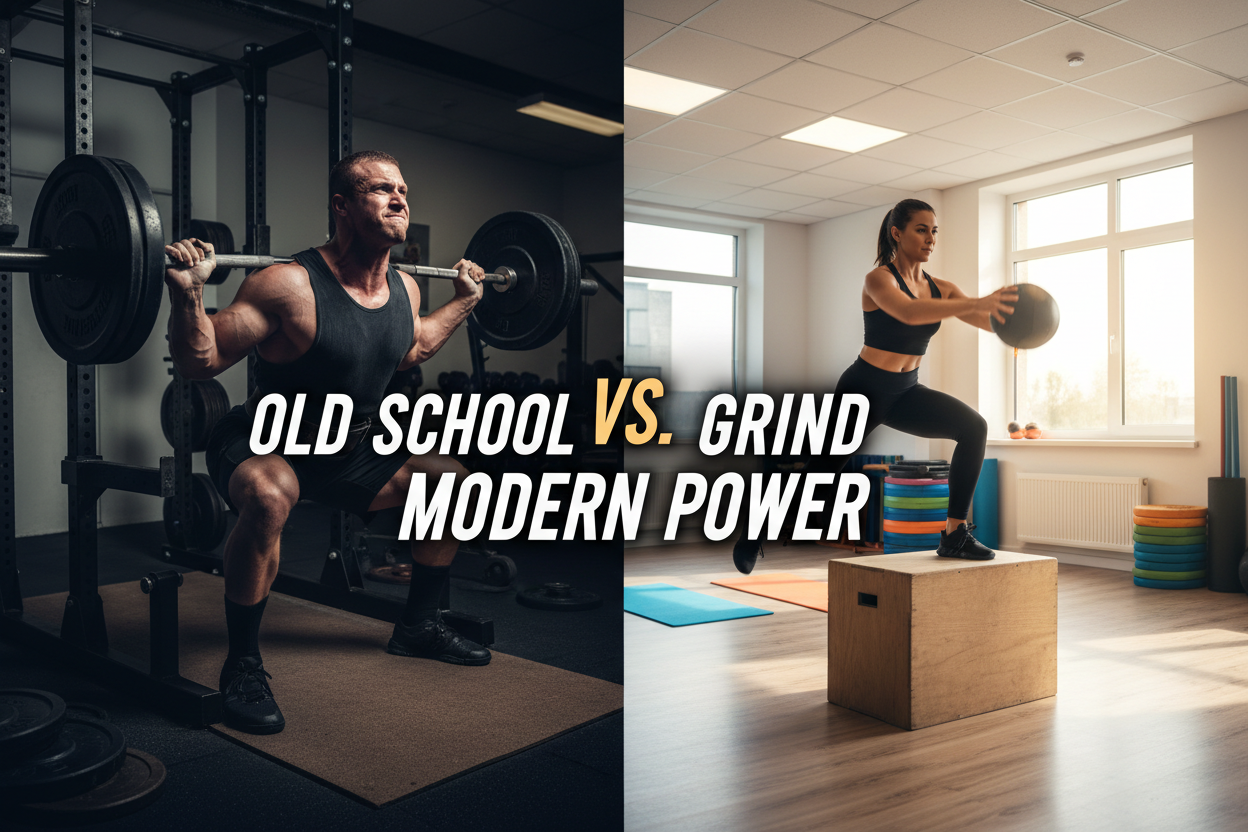
Most people treat leg training as a simple equation: add weight to the bar, push until failure, and hope for bigger muscles. While this approach might help you fill out a pair of jeans, it often fails to deliver the kind of strength you actually need outside the gym. If you have ever felt a twinge in your lower back while picking up a heavy box or struggled to maintain your balance on an icy sidewalk despite having a 300-pound squat, you have experienced the gap between aesthetic strength and real-world capability. Functional training bridges that gap. It prioritizes movement patterns over individual muscle groups, ensuring that your body works as a cohesive unit rather than a collection of isolated parts.
I remember the specific moment my perspective on lower body training shifted. I had spent years obsessed with the leg press machine, stacking plate after plate until I could move an impressive amount of weight. I felt strong. Then, I helped a friend move into a third-floor walk-up apartment. Within twenty minutes, my legs were shaking, and my lower back was screaming. The fixed path of the machine had made my quads strong, but my stabilizers were practically non-existent. I couldn't handle the uneven weight distribution of a sofa while navigating a turning staircase. That humbling afternoon forced me to completely overhaul my routine to focus on functional exercises for legs that mimic the chaotic, unscripted demands of daily life.
The Core Philosophy of Functional Leg Training
Functional training is often misunderstood as doing circus tricks on a stability ball. In reality, it is about purpose. The goal is to prepare the body for activities performed in daily life or sports. Unlike machine-based isolation movements, functional leg exercises require you to stabilize your body through multiple planes of motion. You aren't just pushing weight from point A to point B; you are controlling that weight while gravity and leverage try to pull you off balance.
This approach relies heavily on compound movements. When you perform a lunge or a step-up, you aren't just working the quadriceps. You are engaging the glutes, hamstrings, calves, and the deep core muscles that protect your spine. This integration is what makes functional training legs so effective for injury prevention. It teaches your nervous system to fire the right muscles at the right time.
Essential Movements for a Functional Lower Body
To build a body that performs as well as it looks, you need to categorize your movements by pattern rather than muscle group. A well-rounded program should include a knee-dominant movement, a hip-dominant movement, a unilateral (single-leg) movement, and a loaded carry.
The Squat Pattern
The goblet squat is arguably the most applicable squat variation for general functionality. By holding the weight in front of your chest, you automatically engage your core and shift your center of gravity, which allows for a more upright torso and deeper range of motion. This mirrors how we typically carry heavy objects in the real world. It builds the requisite mobility in the hips and ankles that keeps you moving fluidly as you age.
The Hinge Pattern
Most lower back injuries occur because people bend at the waist rather than hinging at the hips. Mastering the hip hinge is non-negotiable. The kettlebell swing or the Romanian deadlift teaches you to load the posterior chain—the glutes and hamstrings—to lift heavy loads safely. This is the engine of your functional lower body exercises, providing the power for running, jumping, and lifting.
Unilateral Stability
Life is rarely performed on two feet perfectly planted side-by-side. We walk, run, and climb stairs one leg at a time. If your routine doesn't include single-leg work, you are leaving performance on the table and inviting muscle imbalances. Exercises like the Bulgarian split squat or the reverse lunge expose weaknesses immediately. If your right leg is significantly stronger than your left, a standard barbell squat might mask the issue, but a single-leg movement will force the weaker side to catch up.
Structuring Your Functional Leg Workout
You don't need a complicated setup to get results. A functional leg workout should flow from high-skill, high-demand movements to simpler, endurance-focused exercises. This ensures you are performing complex stability work when your nervous system is fresh.
Here is a framework for a functional leg day workout that addresses strength, balance, and endurance:
- 1A. Goblet Squats: 3 sets of 8-10 reps. Focus on depth and keeping the chest proud.
- 1B. Single-Leg Romanian Deadlifts: 3 sets of 8 reps per leg. This targets the hamstrings while challenging your balance. If you wobble, that is the stabilizers waking up.
- 2A. Multi-Directional Lunges: 3 sets of 6 reps per leg (forward, lateral, and reverse). Moving in different planes of motion is crucial because life doesn't just happen in a straight line.
- 2B. Step-Ups with Knee Drive: 3 sets of 10 reps per leg. Use a box that puts your knee at a 90-degree angle. Drive through the heel to stand up, avoiding pushing off the back foot.
- 3. Farmer’s Carries: 3 sets of 40 meters. Walk with heavy dumbbells in each hand. This integrates the lower body with grip strength and core stability.
Progression Without Just Adding Weight
In traditional bodybuilding, progression usually means adding more plates. In a functional lower body workout, progression can take many forms. Before you reach for a heavier dumbbell, try altering the tempo. Slowing down the eccentric (lowering) phase of a squat to three or four seconds forces you to own every inch of the movement. It eliminates momentum and increases time under tension.
Another method is increasing instability. Once you have mastered a standard lunge, try performing it with a kettlebell held in the rack position on only one side. This offset load forces your obliques to work overtime to keep you upright, turning a leg exercise into a full-body challenge. You can also vary the surface; performing movements on sand or grass changes the proprioceptive demand, forcing your foot and ankle muscles to adapt constantly.
The Long-Term Benefit
The beauty of functional lower body exercises lies in their longevity. Heavy spinal loading with barbells takes a toll over decades. While there is a time and place for max-effort lifts, prioritizing movement quality and stability ensures you can keep training well into your later years. You build a body that is resilient against falls, capable of handling odd objects, and free from the chronic aches associated with muscle imbalances.
Shifting your focus to functional training legs doesn't mean you will lose size. On the contrary, the increased range of motion and activation of stabilizer muscles often lead to a more athletic, defined physique. More importantly, you gain the confidence that your strength is usable. Whether you are hiking up a mountain, playing with your kids, or just carrying groceries in a single trip, your body will be ready for the task.
Frequently Asked Questions
Can I build muscle mass with functional leg training?
Yes, absolutely. While functional training prioritizes movement quality, you can still apply progressive overload by increasing weight, volume, or time under tension to stimulate hypertrophy (muscle growth). The muscle you build will likely look more athletic and balanced compared to machine-only isolation training.
How often should I perform this type of workout?
For most people, performing a functional leg session twice a week is ideal. This frequency allows for sufficient stimulation to build strength and stability while providing enough recovery time for the muscles and the central nervous system.
Do I need special equipment for functional leg exercises?
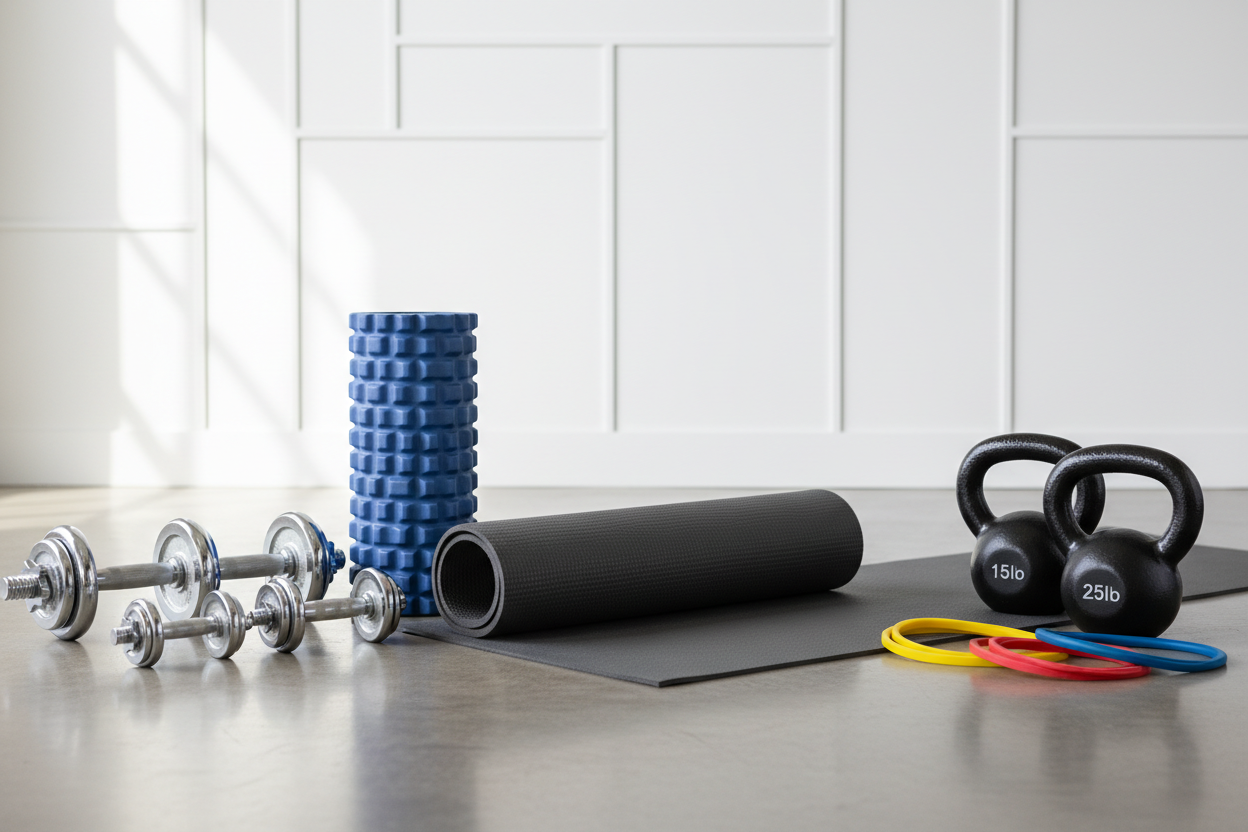
No, you can perform an effective workout with just your body weight, although dumbbells or kettlebells are helpful for progression. The focus is on how you move your body through space, making this training style highly adaptable to home gyms or limited-equipment environments.