Understanding the Male Chest: Structure, Function, and Care
The male chest is one of the most defining features of masculine physique. It plays an important role not only in appearance but also in strength, posture, and overall health. Whether you are referring to it as the masculine chest, chest in men, or simply wondering what a man's chest is called, understanding its anatomy and purpose can help you take better care of it and achieve a balanced body.
Anatomy of the Male Chest
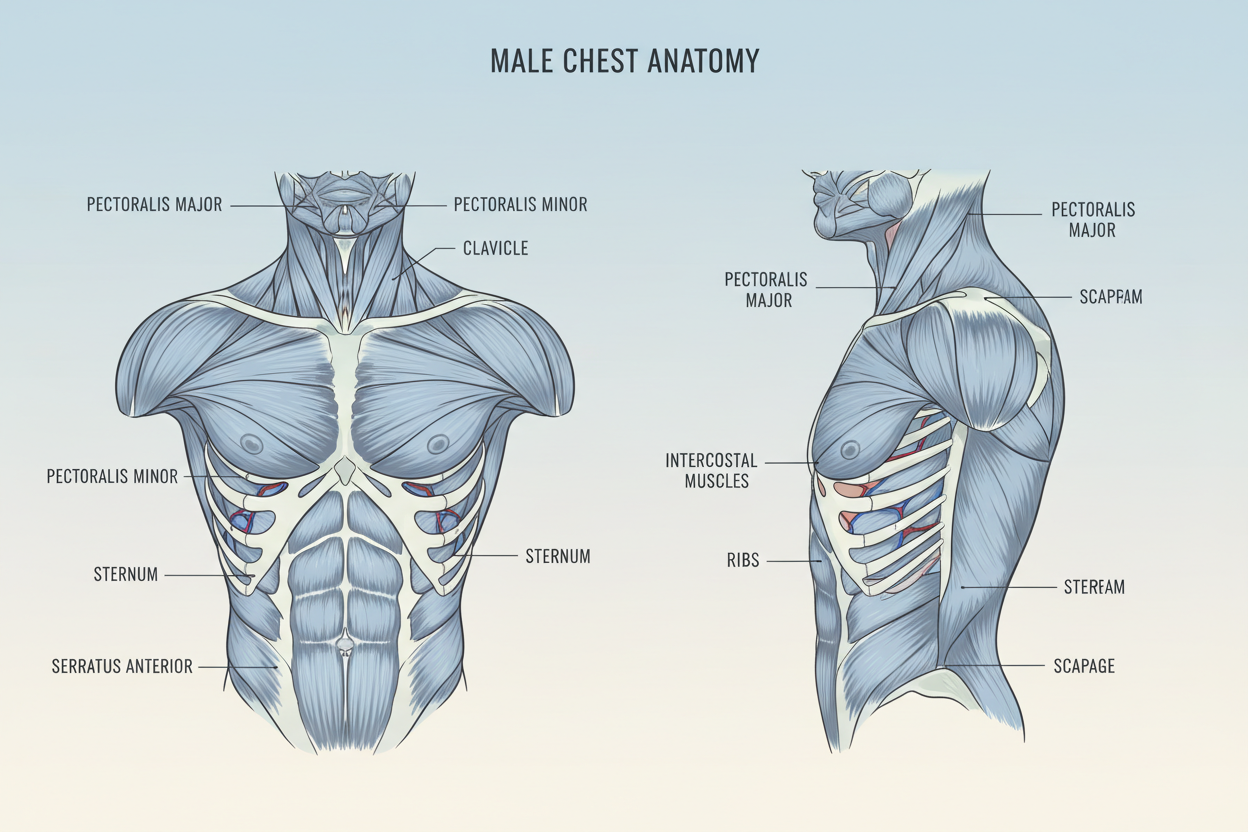
In men, the chest region comprises the pectoral muscles, the rib cage, and skin tissue. The primary muscles are the pectoralis major and pectoralis minor, which are responsible for movements of the arm and shoulder. Beneath these muscles lies the rib cage, protecting vital organs including the heart and lungs. This anatomical combination contributes to the masculine chest appearance, which is often associated with strength and fitness.
What Is a Man's Chest Called?
From a physiological standpoint, a man's chest is referred to as the thorax in medical terms. In everyday language, it is often just called the chest. When people discuss chest men or masculine chest, they are often highlighting the physical characteristics such as muscle size, definition, and proportion. This area serves both functional and aesthetic purposes, making it a focus in strength training and sports.
Functions Beyond Appearance
The male chest is far more than a visual trait. It supports breathing by assisting in the expansion and contraction of the rib cage during respiration. The muscles of the chest also play a critical role in arm movements such as pushing, lifting, or throwing. A well-developed chest in men contributes to better posture by providing stability to the shoulder girdle and upper body.
Development and Training
For those aiming to improve the physical look of their masculine chest, strength training is the most reliable method. Evidence-based routines often include bench presses, push-ups, and chest fly movements. According to sports physiology research, progressive overload—gradually increasing the weight or resistance—helps grow the pectoral muscles efficiently. Incorporating variety in exercises can target different parts of the chest, resulting in balanced muscle development.
Importance of Proper Technique
Incorrect form when exercising can lead to injuries, particularly in the shoulders and upper back. Following correct posture and movement patterns ensures that the intended muscles are activated. Using moderate weights initially and increasing load over time reduces risk while promoting consistent progress.
Maintaining Chest Health
Maintaining strength in the male chest is not solely about aesthetics. Regular exercise aids circulation, supports respiratory health, and keeps the muscles active. Stretching and mobility exercises for the chest and shoulders can prevent stiffness, particularly for those who spend long hours sitting or working at a desk.
Nutrition and Recovery
Diet plays an important role in muscle repair and growth. Adequate protein intake supports muscle fibers that compose the chest, while vitamins and minerals maintain overall tissue health. Rest days are essential for recovery, allowing the pectoral muscles to rebuild stronger after training.
Common Conditions and Precautions
People may experience tightness, soreness, or injury in the chest area due to overtraining or poor posture. A recurring issue in chest men involved in weight training is strain of the pectoralis major. Recognizing early signs of discomfort and addressing them through rest, proper warm-ups, and medical consultation can prevent more serious injuries.
My Experience in Developing a Balanced Chest
Personally, when I began training my chest, I focused heavily on bench presses and quickly realized that my shoulder mobility limited my progress. Through research and guided adjustment, I added stretching routines and targeted exercises for the upper and lower parts of the masculine chest. Within months, not only did my strength improve, but I also noticed better posture and less tension in my shoulders. It reinforced the importance of a holistic approach rather than focusing solely on size.
Conclusion
Understanding the male chest involves looking at both its functional and aesthetic aspects. Knowing what a man's chest is called, its anatomy, and role in daily movement allows for better care through exercise, nutrition, and posture. Whether your goal is to build strength, improve appearance, or simply maintain health, focusing on balanced development will lead to long-term benefits.