Why Your Home Gym Isn't Complete Without a Proper Power Rack (And How to Choose One)
Let me tell you something that completely changed my training game: investing in a quality power rack for my home gym. I used to think they were just for serious bodybuilders or people who wanted to show off fancy equipment. But after years of working out at home and in commercial gyms, I can honestly say that a power rack is the single most versatile piece of equipment you can own. It's not just about lifting heavy—it's about training safely, progressing confidently, and having the freedom to push yourself without needing a spotter standing by.
When I first started looking into power racks for my own space, I was overwhelmed by the options. There were so many brands, colours, and price points. But once I understood what actually mattered, the decision became much clearer. Today, I want to share what I've learned through my own journey and help you make the right choice for your fitness goals.
What Makes a Power Rack Essential for Serious Training
A power rack is basically a steel cage that allows you to perform compound movements like squats, bench presses, and overhead presses with built-in safety features. The adjustable safety bars catch the barbell if you fail a rep, which means you can train to genuine failure without risking injury. This is massive for making progress, especially when you're training alone.
I remember the first time I failed a squat in my power rack. Instead of panicking or potentially hurting myself, the safety bars caught the weight exactly as they should. That moment of relief made me realize just how valuable this piece of equipment truly is. It gives you the confidence to push harder because you know there's a safety net.
Beyond safety, power racks offer incredible versatility. You can attach pull-up bars, dip stations, cable systems, and band pegs. Mine has become the central hub of my entire home gym setup. Whether I'm doing heavy squats, pull-ups, or using resistance bands for rehabilitation work, everything centres around that rack.
Understanding Your Space and Training Needs
Before you start shopping, you need to be realistic about your available space. Measure your ceiling height, floor space, and consider how much room you need around the rack for loading plates and moving safely. Most power racks need at least a 7-foot ceiling, though some compact models work with lower clearances.
Think about your current training level and where you want to be in a year or two. If you're serious about progressive overload and building strength, you'll want a rack that can handle at least 500-700 pounds. Some cheaper models might seem adequate now, but if you're consistently adding weight to your lifts, you'll outgrow them quickly.
The Colour Question: Green Power Rack vs Orange Power Rack
Here's something I didn't expect to care about but actually ended up mattering quite a bit: the colour of my power rack. It might seem superficial, but your home gym should be a space that motivates you to train. The aesthetics genuinely affect how you feel about your workout environment.
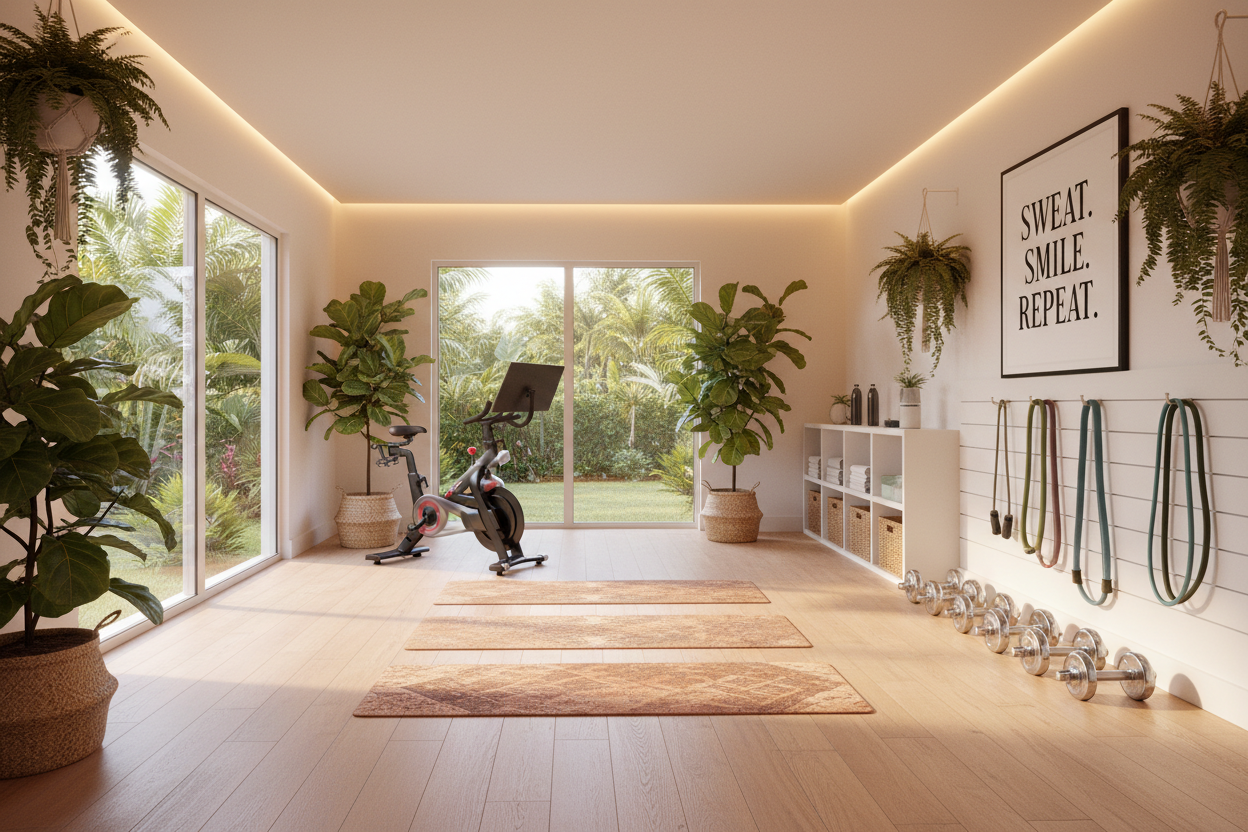
A green power rack can create a really calming, natural atmosphere in your training space. Green is psychologically associated with balance, growth, and renewal—all things that align perfectly with fitness goals. If your home gym has natural light or you've incorporated plants into the space, a green power rack can tie everything together beautifully. I've seen some stunning home gyms where the green equipment blends with wooden floors and natural textures to create this really grounding environment.
On the other hand, an orange power rack brings serious energy to your space. Orange is vibrant, energizing, and impossible to ignore. If you're someone who needs that visual punch to get motivated, especially for early morning sessions, an orange power rack might be exactly what you need. It's bold, it's different, and it makes a statement. Plus, if you're creating content or taking progress photos, that pop of colour looks incredible on camera.
The practical consideration is how the colour fits with your existing equipment and space. Most weight plates, barbells, and accessories are black or silver, so both green and orange create nice contrast. Consider your wall colour, flooring, and overall vibe you want to create.
Key Features That Actually Matter
When evaluating any power rack, regardless of colour, focus on these critical elements. The gauge of steel determines durability—look for 11-gauge or thicker. Anything thinner might wobble under heavy loads or during exercises like pull-ups.
Hole spacing is another crucial factor that many beginners overlook. Westside hole spacing (every inch in the bench press zone) allows for precise safety bar adjustment, which matters tremendously when you're benching heavy. Standard 2-inch spacing throughout is adequate for most movements but less ideal for pressing variations.
The depth of the rack affects stability and exercise options. A deeper rack (around 48 inches) provides more stability and allows for better plate storage, but requires more floor space. Shallower racks save space but can feel less stable during certain movements.
Check the weight capacity of both the rack itself and the pull-up bar if included. Some racks are rated for 1,000+ pounds on the uprights but only 300 pounds on the pull-up bar. If you're planning to do weighted pull-ups or muscle-ups, this matters.
Safety Features You Cannot Compromise On
The whole point of a power rack is safe training, so the safety features need to be rock solid. Adjustable safety bars should lock securely into place with pins or a similar mechanism. I prefer strap safeties over bar safeties because they're quieter when you set the weight down and easier on your barbell.
Some racks include spotter arms, which extend outward and provide an additional safety option for exercises like bench press. These are brilliant because they catch the bar closer to your natural pressing path than the internal safety bars.
Making the Investment Work for You
A quality power rack is an investment that should last decades. I look at it this way: if a gym membership costs £40-50 per month, a £500-800 power rack pays for itself in less than two years. After that, you're training for free while building equity in equipment you own.
Don't cheap out on the foundation of your home gym. I've seen too many people buy budget racks, feel unsafe using them, and end up replacing them within a year. Whether you choose a green power rack for its calming aesthetic or an orange power rack for its energizing presence, make sure the quality is there first.
Start with the rack and a good barbell. Everything else—plates, benches, accessories—can be added gradually. But get the rack right from the beginning, and you'll have a training partner that never lets you down, never judges your bad days, and is always ready when you are.
Your home gym is more than just equipment—it's your personal space for growth, challenge, and self-improvement. Choose a power rack that not only meets your technical needs but also inspires you every time you walk into that space. That's when the real magic happens.