Why Your Glute Activation Stretches Are Killing Your Squat
I used to be the guy who spent twenty minutes on the gym floor every leg day, contorting myself into various yoga poses and sitting in a deep pigeon stretch until my legs fell asleep. I thought I was doing the right thing. I thought I was preparing my body for the heavy triples ahead. Instead, I was walking over to the squat rack with hips that felt like wet noodles, wondering why my 315-pound warm-up felt like a max effort lift. If you are still relying on passive glute activation stretches to prep for a heavy session, you are likely sabotaging your own strength.
- Static stretching signals your nervous system to relax the muscle, reducing its power output.
- True activation requires active tension and resistance, not just passive lengthening.
- Foam rolling and long holds are better suited for post-workout recovery or rest days.
- A 5-minute dynamic priming routine is more effective than a 20-minute stretching session.
The Big Difference Between Relaxing and Activating
There is a massive neurological difference between making a muscle longer and making it ready to work. When you perform a static glute activation stretch—holding a position for 30 to 60 seconds—you are triggering the Golgi tendon organ. This is essentially a safety switch that tells your central nervous system to let the muscle relax. That is great if you are trying to wind down before bed, but it is the last thing you want before you put a heavy barbell on your back.
To move heavy weight, you need your motor units to fire rapidly and in sync. You want stiffness and responsiveness, not relaxation. Research into the highest glute activation exercises shows that the best way to prime the pump is through movements that require the muscle to produce force through a full range of motion. Think of your glutes like a rubber band; if you stretch it out and hold it there for too long, it loses some of that snappy recoil. You want that snap when you are coming out of the hole on a deep squat.
Why You Can't Foam Roll Your Way to a Bigger Deadlift
We have been sold this idea that our muscles are like play-dough that needs to be smashed and rolled before they can function. I have spent hundreds of dollars on vibrating rollers and high-end massage guns, and while they feel great, they don't 'activate' anything. Smashing your IT band or your glute medius with a lacrosse ball might temporarily dull the sensation of tightness, but it isn't teaching your brain how to recruit those fibers under load.
Many popular stretches to activate glutes are actually just flexibility drills in disguise. If you are just hanging out in a position without any muscular engagement, you are stretching the connective tissue and the joint capsule, but you aren't 'waking up' the muscle. Your glutes don't need a wake-up call; they need a dress rehearsal. They need to know exactly how to stabilize your pelvis the moment you unrack that bar.
3 Dynamic Glute Activation Stretches That Actually Work
If you want to feel your glutes actually working, you need to switch from passive holds to active ranges. I like to clear some space on a large exercise mat and run through these three movements. They shouldn't leave you exhausted, but you should feel a distinct 'burn' and a sense of stability before you touch the iron.
- 90/90 Hip Switches: Sit on the floor with one leg at 90 degrees in front and the other at 90 degrees to the side. Instead of just leaning forward, actively press your knees into the floor to lift your torso. Rotate to the other side using only your hip muscles, keeping your hands off the floor if you can.
- Dynamic Hip Airplanes: Stand on one leg, hinge forward, and rotate your pelvis open and shut. The key here is to use your standing glute to pull your hips back to a neutral position. It is a balance challenge and a glute-med killer.
- Active Spiderman Lunge: Take a deep lunge, but instead of just sinking into the floor, squeeze the glute of the back leg as hard as possible while trying to 'pull' your front heel toward your back knee. This creates massive internal tension.
How to Tell if Your Glutes Are Actually Firing
The 'mind-muscle connection' sounds like something a bodybuilder made up to sell supplements, but in the context of the posterior chain, it is real. If you finish your warm-up and you still feel the weight in your lower back or your quads, you haven't activated anything. You should feel a sense of 'fullness' in the glutes, as if the muscle is physically taking up more space in your gym shorts.
If you still feel disconnected from your backside, you might need to fix glute amnesia by incorporating more isolated isometric holds. A 10-second hard glute squeeze at the top of a bridge is worth more than five minutes of passive stretching. You are looking for the sensation of the muscle contracting to stabilize your pelvis, not just the feeling of a muscle being pulled tight.
Putting It Together: The 5-Minute Pre-Lift Protocol
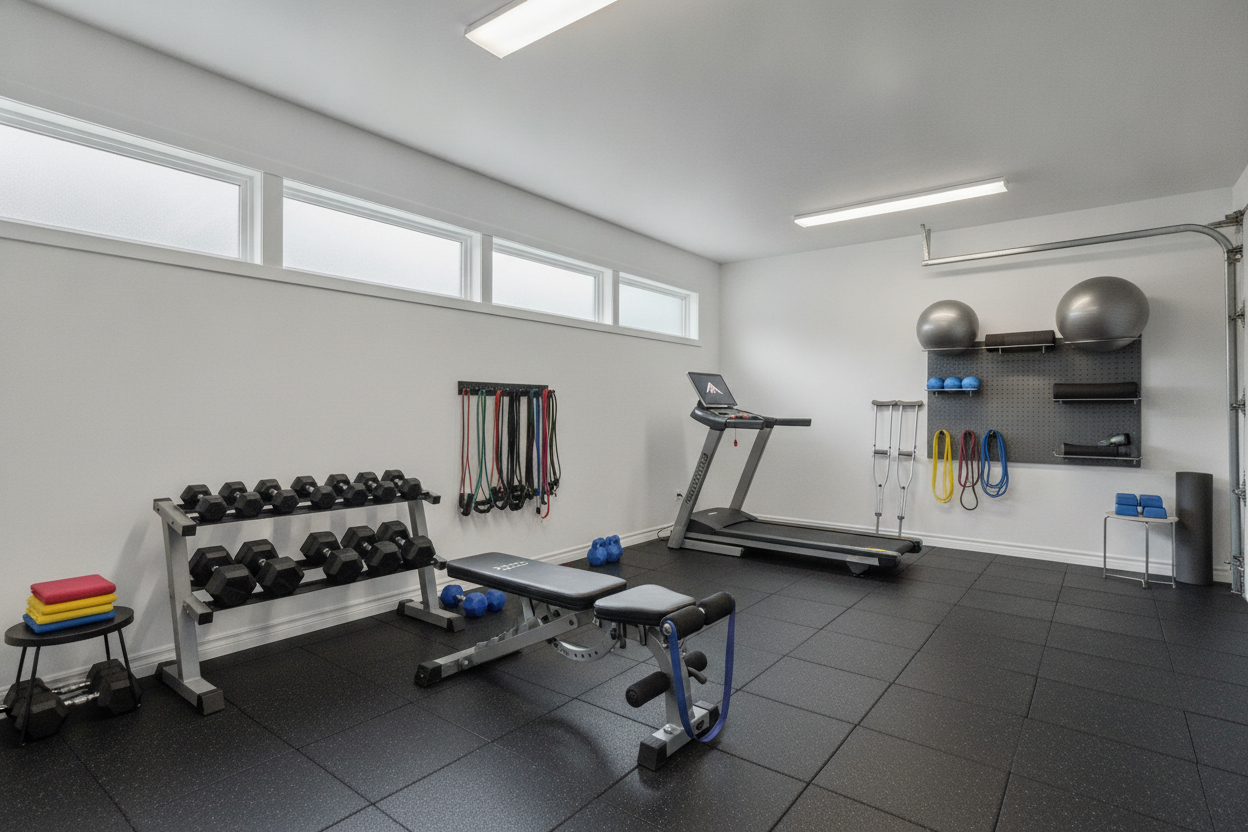
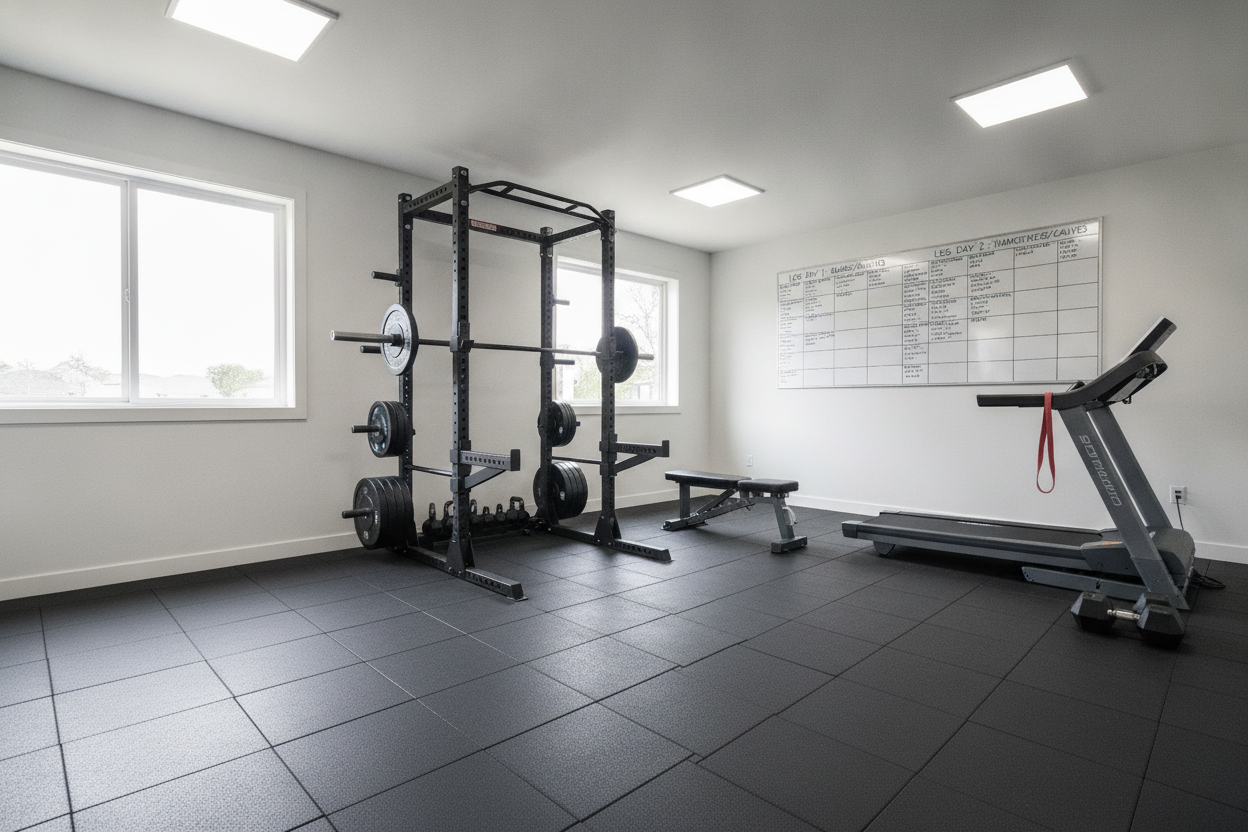
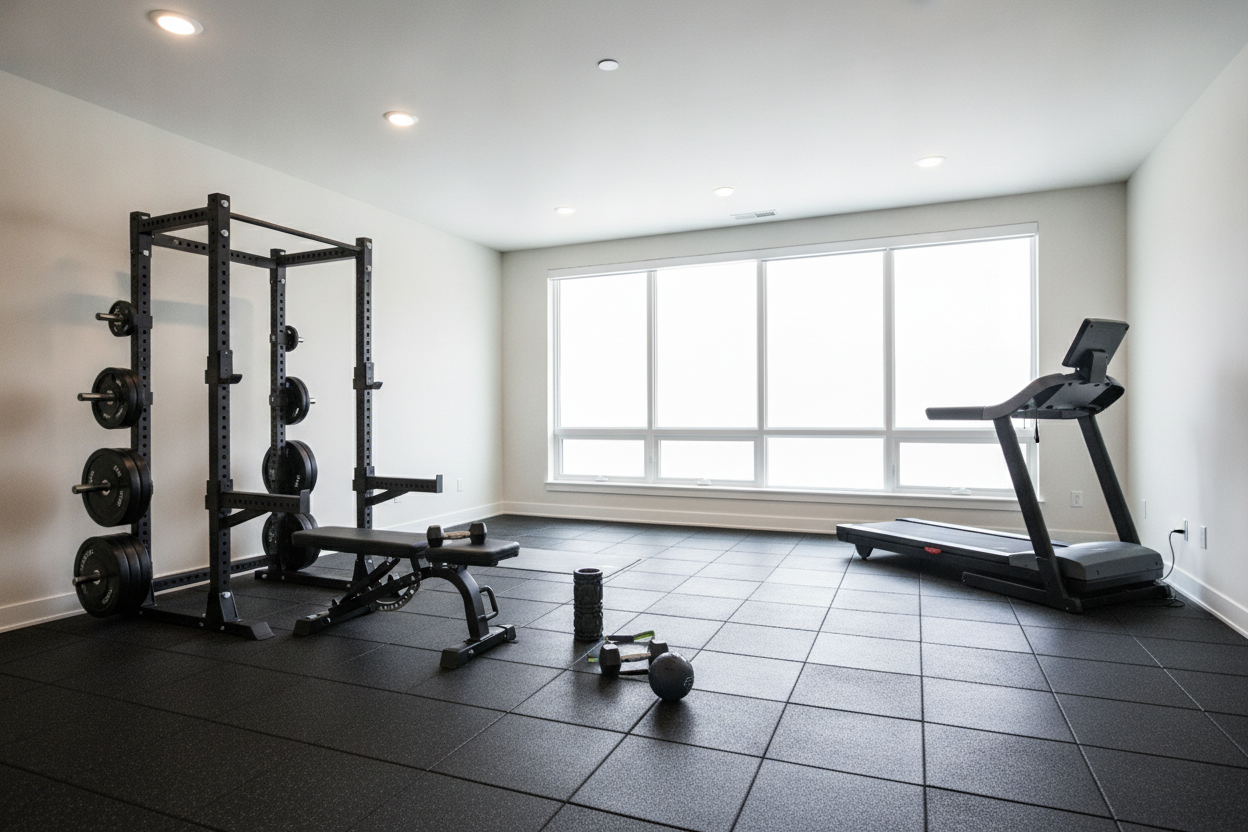
Stop wasting time. Your warm-up should be a ramp, not a detour. Here is the protocol I use when I have a heavy session scheduled in my garage gym:
- Cat-Cow (1 minute): Just to get the spine moving and the core aware.
- 90/90 Switches (1 minute): Focus on internal and external rotation.
- Hip Airplanes (1 minute per side): Controlled, slow rotations to wake up the stabilizers.
- Empty Barbell Squats (1 minute): Gradually increasing depth and speed.
That is it. Five minutes and you are ready to load the plates. Save the long, relaxing stretches for when you are sitting on the couch watching Netflix after the work is done.
Is static stretching ever okay before a workout?
Only if you have a specific range-of-motion restriction that prevents you from reaching a safe lifting position. Even then, you should follow any static stretch with an active movement to 'claim' that new range of motion with strength.
How many reps should I do for activation?
Don't think in reps; think in 'intent.' Do enough to feel the muscle working and get the blood flowing, usually 8-12 controlled reps or 30-45 seconds of movement. If you're getting a massive pump, you're doing too much.
Do I need resistance bands for glute activation?
Bands are a great tool for adding 'feedback,' but they aren't strictly necessary. The goal is to use your brain to recruit the muscle. If you can't fire your glutes without a band, you aren't really in control of the muscle yet.