Why the Best Leg Workout Routine Actually Takes Two Days
I remember hobbling out of my garage three years ago, clinging to the doorframe because my legs had turned to literal jelly. I’d spent two hours trying to hit heavy squats, RDLs, lunges, and leg extensions in one go. It felt productive, but my progress stalled for months. If you are searching for the best leg workout routine, you have likely realized that more isn't always better.
- Stop doing 20+ sets in one marathon leg session.
- Separate quads and hamstrings to maintain 100% intensity.
- Focus on heavy compounds early, isolation late.
- Recover for at least 72 hours between specific lower-body sessions.
The Problem With the 'One Massive Leg Day'
Most people looking for the 'best full leg workout' think they need to crawl out of the gym to see results. That is systemic fatigue, not growth. When you squat heavy for five sets and then try to deadlift, your central nervous system is cooked before you even touch the bar. You end up doing junk volume—sets that feel hard but do not actually trigger hypertrophy because the quality is garbage.
By the time you get to your third or fourth exercise in a massive session, your stabilizers are fried. You are not training your muscles anymore; you are just surviving the workout. This leads to plateaus and, eventually, injury because your form breaks down when the CNS gives up.
Why Splitting It Up Changes Everything
By using a science behind the best leg workout approach, you realize that splitting anterior and posterior work allows for maximum effort on every lift. A best leg day split focuses on quads one day and hamstrings or glutes the other. This prevents your lower back from becoming the limiting factor in every single movement.
When you separate the days, you can actually move heavy weight on your secondary movements. Instead of doing half-hearted leg curls after squats, you are hitting them fresh. That is how you actually build tissue rather than just burning calories.
Day 1: The Anterior Quad Crusher
This day is all about knee flexion. Start with a heavy barbell squat or a hack squat. I prefer a high-bar squat here to keep the tension on the quads. Keep the reps between 6 and 10 for the big moves. If your lower back is fried from a previous back day, a best leg press workout is a legitimate way to isolate the quads without spinal loading.
Finish the session with Bulgarian split squats or leg extensions. The goal here is to drive as much blood into the quads as possible. Because you aren't saving energy for deadlifts, you can actually push these isolation moves to true failure. Your quads will grow more from 3 high-intensity sets than 10 mediocre ones at the end of a full-body session.
Day 2: The Posterior Hinge and Pull
This is where the real power happens. You are hitting the hinge pattern—think Romanian Deadlifts (RDLs) and Glute Ham Raises. Since your quads aren't fatigued from squatting, you can actually move real weight on your RDLs. I usually target 3 sets of 8-12 reps, focusing on the stretch at the bottom.
I also like to throw in lying leg curls to target the hamstrings at the knee joint. If you have the space, weighted hip thrusts are the finishing move here. By isolating the posterior chain, you’ll notice your squat strength actually goes up because your 'brakes' (the hamstrings) are finally strong enough to handle the load.
Setting Up Your Garage Gym for Heavy Splits
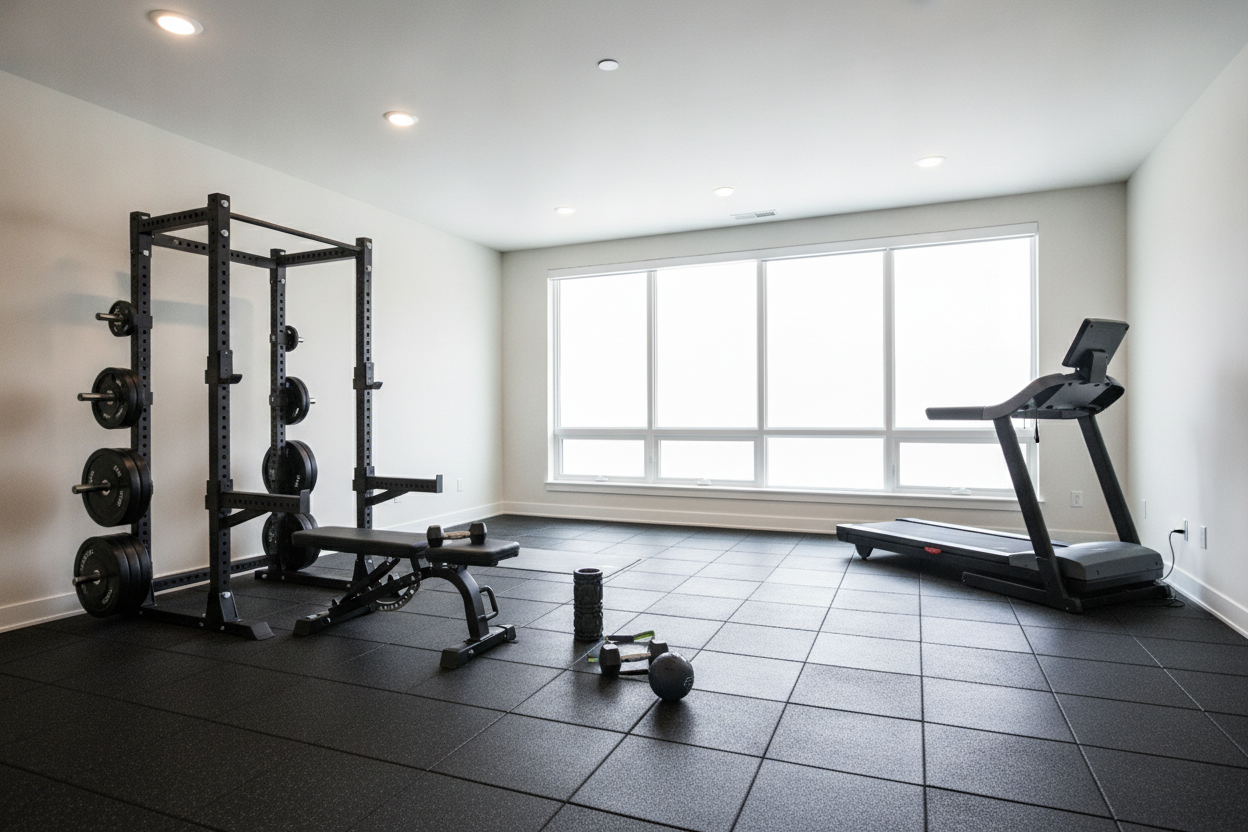
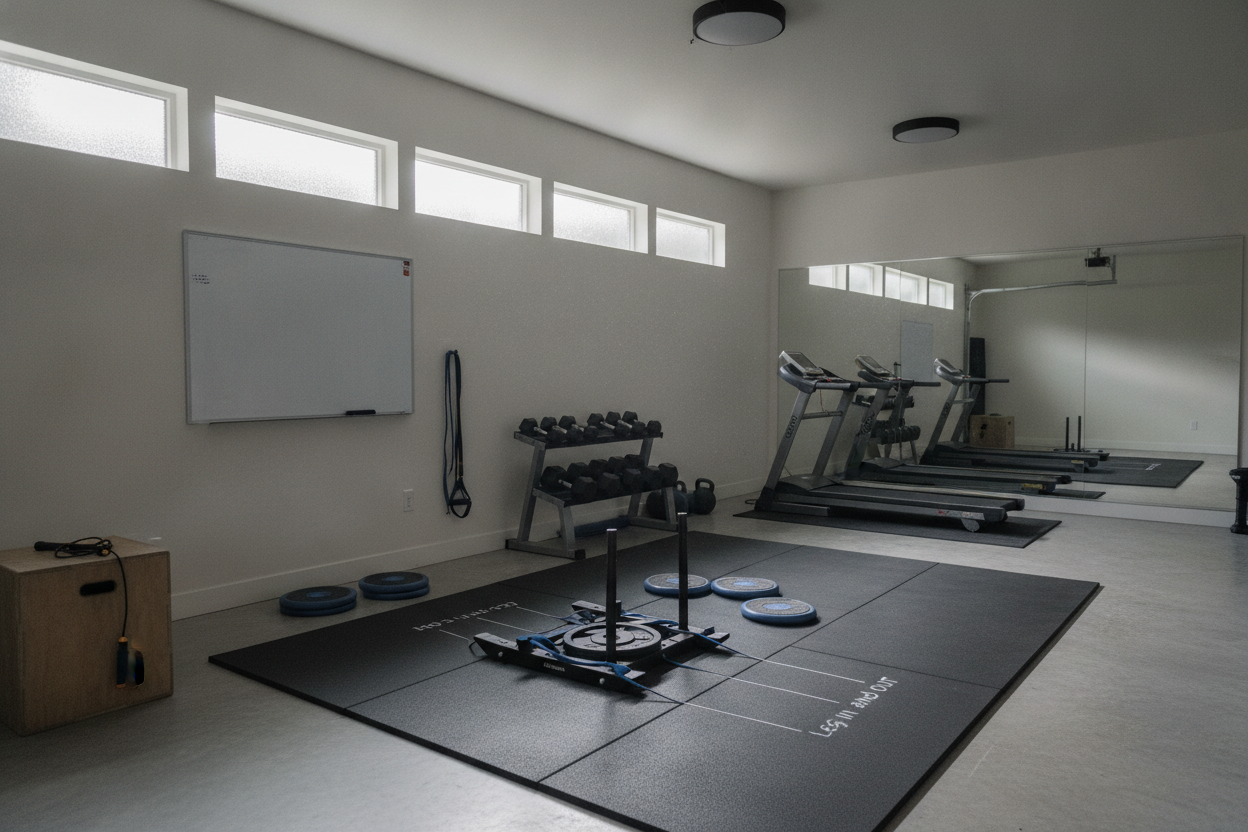
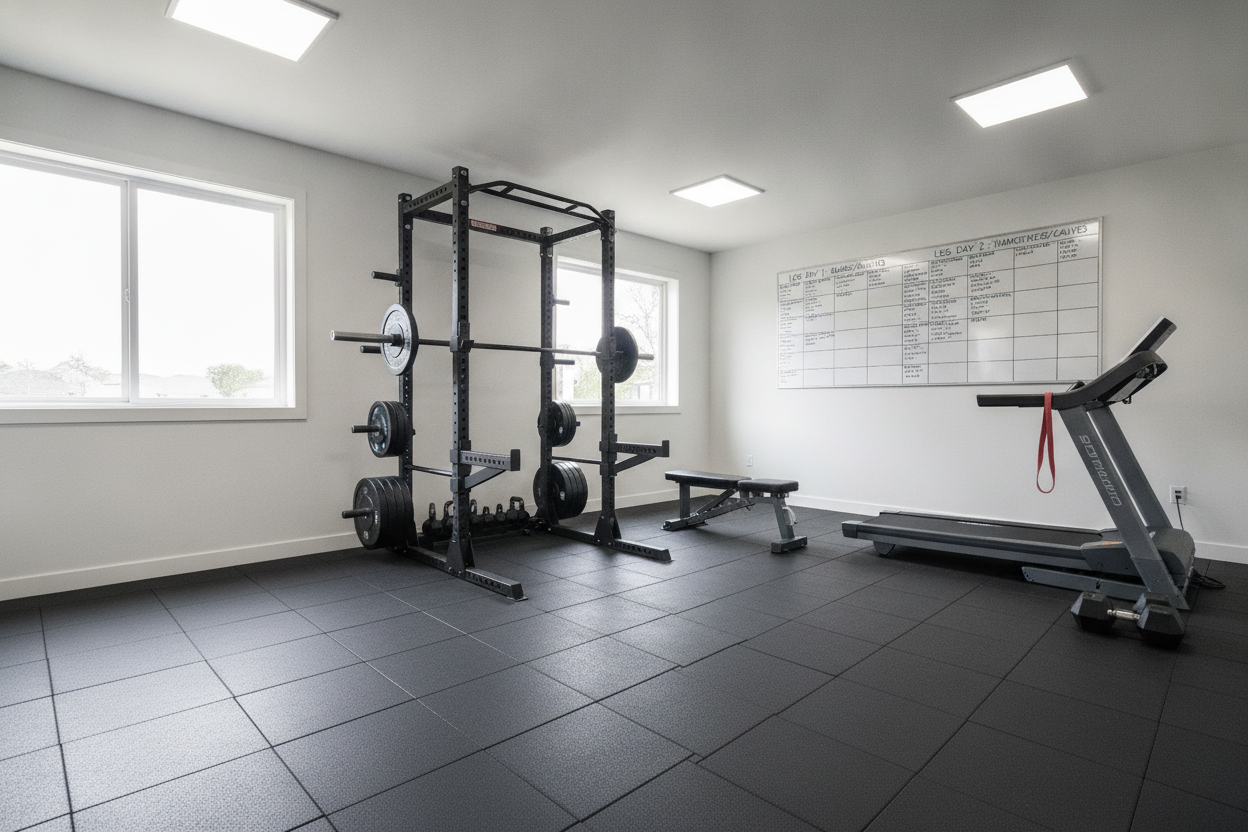
You need a solid foundation for this kind of heavy lifting. If you are pulling 400 lbs on a slick concrete garage floor, you are asking for a groin tear. I use a 6x8ft exercise mat because the traction is essential for heavy RDLs and split squats. Stability is the difference between a PR and a trip to the chiropractor.
Ensure your rack has spotter arms. When you are splitting your leg days, you will likely find you can push closer to failure than you used to. Having that 11-gauge steel safety net is a must when you're testing your limits on a Monday morning alone in the garage.
How to Program This Without Destroying Your Week
Space these days out. I typically run Quads on Monday and the Posterior session on Thursday. This gives your nervous system a break and lets you hit upper body sessions in between. Check out the workout hub for ways to slot this into a 4-day or 5-day rotation.
Consistency beats intensity every time. By splitting the volume, you won't dread leg day as a three-hour torture session. You’ll go in, hit it hard for 50 minutes, and get out. That is how you stay in the game for years instead of months.
Personal Experience
I used to think I was a hero for doing those 3-hour leg days. I would finish with 400mg of caffeine and a prayer. One day, my form broke on a simple lunge because my stabilizers were shot, and I felt a nasty pop in my hip. That was the wake-up call. Switching to this split didn't just save my joints; my quads actually started showing definition for the first time in a decade because I could finally train them with real intensity.
FAQ
Can I do this in a commercial gym?
Absolutely. Just prioritize the rack or the leg press on your quad day and the cables or RDL platforms on your posterior day. The logic remains the same.
What about calves?
I usually throw calves onto the end of the quad day since that session tends to be slightly shorter. Two or three sets of heavy raises are plenty if you're consistent.
Is this okay for beginners?
Yes, though you should start with lower total volume. The principle of not overtaxing your system in a single session is even more important when you are just starting out.