Why Your Female Strength Training Program Feels Like a Part-Time Job
I remember the first time I tried to follow a 'serious' female strength training program I found online. It had 18 different exercises, required four different types of resistance bands, and expected me to spend 20 minutes just 'activating' my glutes before I even touched a barbell. By the time I actually got to the squats, I was already mentally checked out and looking at my watch. If your current routine feels more like a logistics nightmare than a workout, you’re likely falling into the trap of junk volume.
- Stop doing 15 exercises per session; 4 to 6 high-quality movements is the sweet spot for growth.
- Prioritize progressive overload by adding small weight increments or extra reps every week.
- Focus on heavy compound movements like squats and hinges to get the most bang for your buck.
- Intensity and consistency will always beat a complex 'influencer' circuit.
The Problem With the 15-Exercise Workout Menu
Most women's weight training plans are unnecessarily bloated. You see these plans everywhere: three types of lunges, four variations of cable kickbacks, and some weird lateral raise hybrid that requires a BOSU ball. This is junk volume. It’s designed to make you feel exhausted, not to make you stronger. There is a massive difference between being tired and creating actual mechanical tension in the muscle. If you’re bouncing between a dozen different stations just to feel like you had a 'good' workout, you’re wasting energy that should be going into your primary lifts.
When you spread your effort across 15 different exercises, you never truly master the mechanics of any of them. You end up with a gym strength training routine women use to 'burn calories' rather than build a foundation. A real female weight training plan should focus on doing a few things exceptionally well. If you aren't straining on your last two reps of a set because you're too busy worrying about the next six exercises in your circuit, you aren't providing the stimulus your muscles need to grow. Exhaustion is easy to achieve; strength is harder. You want a women's strength training programme that demands focus, not just a high heart rate.
Building Your Baseline: What Actually Matters
If you want to stop spinning your wheels, you have to embrace the boring stuff. A successful lifting plan for women is built on the back of progressive overload. This means doing the same movements week after week but making them slightly harder. Maybe you add 2.5 lbs to the bar, or maybe you perform 10 reps instead of 8 with the same weight. This is how you actually change your body composition. Without a logbook and a plan to beat your previous self, you’re just exercising, not training.
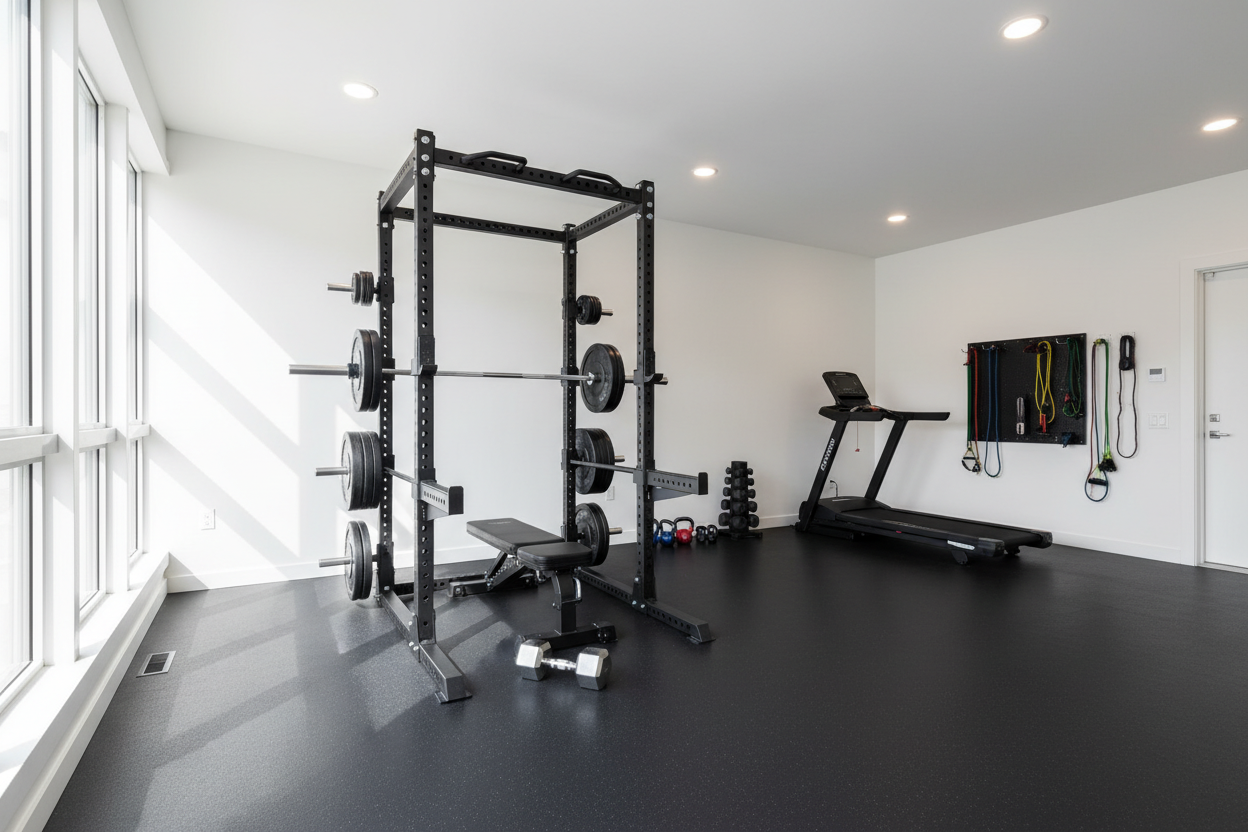
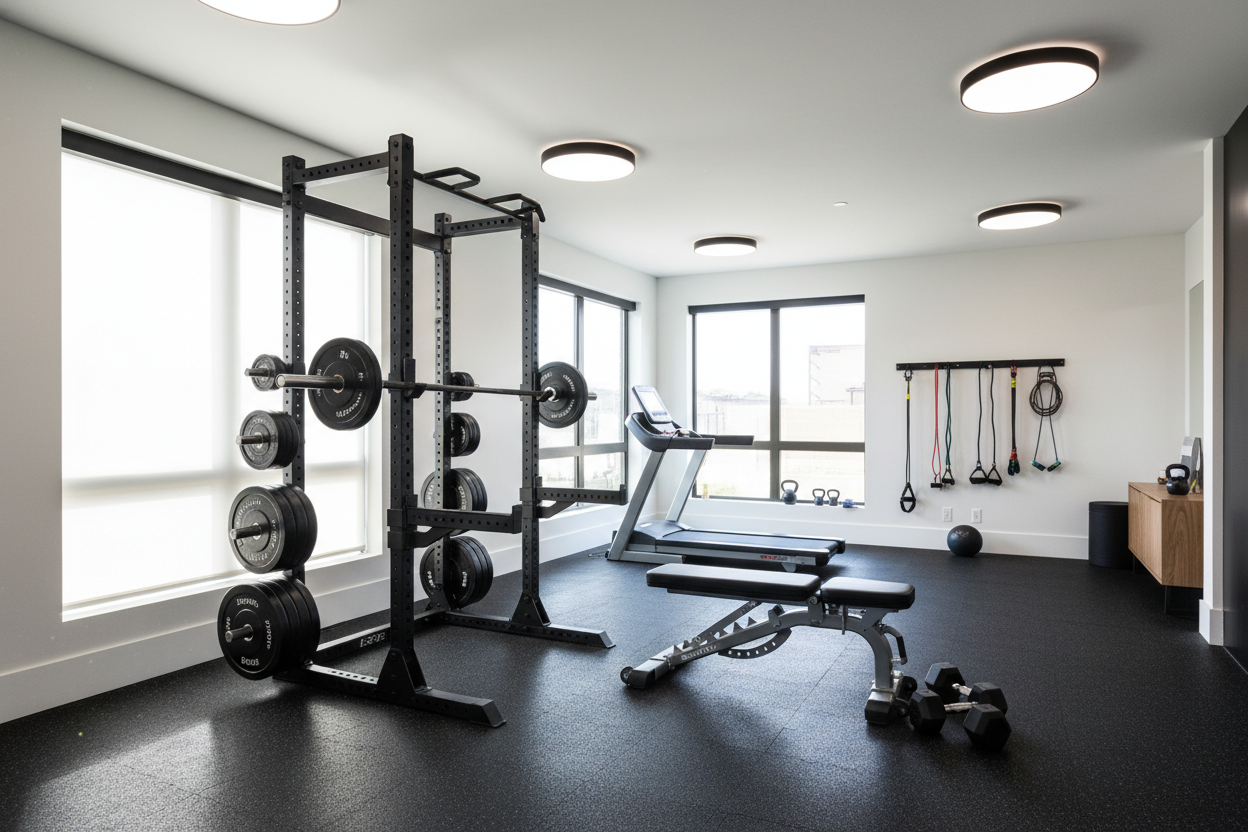
Setting up your environment is just as important as the reps themselves. You can't execute a high-level training program women actually benefit from if you're constantly hunting for gear or using equipment that doesn't fit your frame. Success starts with choosing the best strength and weight training equipment for your specific space and goals. Whether you’re training in a commercial gym or a garage, you need access to heavy enough loads to actually challenge your musculoskeletal system. A strength training plan for women that relies solely on 5-lb pink dumbbells is a recipe for stagnation.
The Stripped-Down Female Strength Training Program
This is a minimalist 3-day strength training schedule women can actually stick to. We’ve cut the fluff. Each session focuses on one or two big movements followed by a few accessory lifts to round things out. By doing fewer exercises with higher intensity, you’ll see faster results and spend less time wandering around the gym floor. This is the weight training plan for female lifters who have lives outside the gym but still want to look like they lift.
Day 1: Heavy Hinge and Squat Mechanics
Day one is all about the posterior chain and quad development. We start with Romanian Deadlifts (RDLs). This is the king of hinges for a weightlifting workout plan for women because it targets the hamstrings and glutes with incredible efficiency. Focus on pushing your hips back as far as possible while keeping the bar close to your shins. If you feel it in your lower back, you’ve gone too low or lost your brace.
Next, move into Goblet Squats and Bulgarian Split Squats. For the split squats, using a dedicated adjustable weight bench is a game-changer for stability. I’ve seen people try to use the edge of a treadmill or a stack of plates, but having a solid, padded surface to hook your rear foot onto allows you to focus entirely on the lead leg. This is a staple in any effective women's weight training workout plan because it exposes imbalances and builds serious single-leg power.
Day 2: Vertical and Horizontal Upper Body Power
Don't skip upper body day. A strong back and shoulders provide the 'X-frame' look and make everyday life significantly easier. We’re focusing on the Overhead Press and Heavy Dumbbell Rows. Many weightlifting schedule for women guides shy away from heavy upper body work, but that’s a mistake. You need to pull and push heavy things to see definition.
When performing those heavy rows, don't let your grip be the limiting factor. If you’re moving 50-lb dumbbells and your fingers start to slip before your lats are tired, use some strength training accessories like lifting straps or grips. There’s no prize for having the strongest grip in the world if it’s holding back your back development. This weight training schedule for females ensures you’re building a balanced physique that is as functional as it is aesthetic.
Day 3: Full-Body Integration and Core
The final day of this women's weight training plans template ties everything together. We aren't doing 'abs' in the traditional sense of 500 crunches. Instead, we’re doing loaded carries—like the Farmer’s Walk—and heavy lunges. These movements force your core to stabilize under load, which is exactly how it’s designed to function. This weight training workout plan for women finishes the week by hitting the nervous system just enough to stimulate growth without leaving you wrecked for Monday.
When Should You Actually Use Specialized Gear?
As you progress with your women weightlifting plan, you’ll eventually hit a point where dumbbells aren't enough. While free weights are the gold standard for building stability, weight lifting machines have a place in a mature women's lifting plan. Once you’ve built a base of strength with the barbell and dumbbells, machines allow you to push a muscle to absolute failure without the risk of losing your balance or dropping a weight on your foot. They are perfect for targeted isolation at the end of a workout.
Personal Experience: The 'More is Better' Lie
I spent two years following a women's lifting workout plan that had me in the gym six days a week for two hours at a time. I was constantly sore, my joints ached, and my lifts hadn't moved in months. I was terrified that if I did less, I’d lose my progress. Finally, I got fed up and cut my routine down to just four big lifts, three days a week. My squat went up 30 pounds in a month, and I finally started seeing the muscle definition I’d been chasing. The biggest mistake I ever made was thinking that more exercises equaled more results. It doesn't. Effort equals results.
Frequently Asked Questions
Will lifting heavy make me bulky?
No. Bulking requires a massive caloric surplus and years of dedicated hypertrophy training. Lifting heavy will make you dense, strong, and defined, but 'bulk' is much harder to achieve than people think.
Can I do this program at home?
Yes, provided you have a set of adjustable dumbbells and a bench. You just need enough weight to make those last few reps difficult. If the weight is too light, you'll need to increase the reps significantly to see a change.
How long should I rest between sets?
For the big compound moves, rest 2 to 3 minutes. You want your nervous system to recover so you can move the same weight again. For accessory moves, 60 to 90 seconds is plenty.