Why Your Elderly Warm Up Exercises Shouldn't Happen in a Chair
I remember walking into a community center gym a few years back and seeing a 'senior fitness' class where twenty people were sitting in folding chairs doing slow wrist circles. It looked more like a quiet afternoon at a library than a workout. If you want to move better in the real world, you have to practice moving while standing up. elderly warm up exercises shouldn't be a nap in disguise; they should be the foundation of your mobility.
- Dynamic movement beats static stretching every time for pre-workout prep.
- Standing exercises challenge balance and core stability, unlike chair-based routines.
- Lubricating joints with movement prevents the 'creaky' feeling during walks.
- Proper flooring is non-negotiable to prevent slips and falls during a warm-up.
Why 'Chair Aerobics' Are a Waste of Time
The fitness industry has a bad habit of treating anyone over the age of 65 like they are made of fine china. Sitting down to do arm circles or leg lifts fails to prepare your body for the actual demands of life, like walking the dog or carrying groceries. When you sit, your core goes to sleep and your balance receptors stop firing. This is why Why Most Strength Exercises for Men at Home Feel Like a Warm-Up—if the intensity and the environment are too passive, you aren't actually training anything.
Real-world movement happens on your feet. By performing your warm-up while standing, you are forced to engage your ankles, knees, hips, and spine as a single unit. It’s about functional readiness, not just killing time before the 'real' workout starts.
Stop Touching Your Toes: Dynamic vs. Static Stretching
Cold muscles are like cold rubber bands—if you pull them hard and hold them there, they are more likely to snap than stretch. This is why static stretching (holding a reach for 30 seconds) is often a mistake before a workout. Instead, you want dynamic stretches for seniors. Dynamic stretching involves moving through a range of motion to pump synovial fluid into your joints.
Think of synovial fluid as the WD-40 of the human body. It reduces friction in your knees and hips. A list of warm up exercises for seniors should always prioritize active movements like leg swings or arm crossovers over reaching for your toes and holding it. You want to wake the nervous system up, not lulls it into a false sense of security.
A 5-Minute Standing Warm-Up You Can Do Anywhere
You don't need a massive commercial gym floor to get your blood moving. You can easily perform an at-home workout warm-up for tight spaces right in your living room. Here is a simple, high-impact routine: Start with 60 seconds of high-knee marches, lifting your knees as high as comfortable while swinging your arms. Move into 10 hip hinges—push your hips back like you're trying to close a car door with your butt, keeping your back flat.
Finish with torso twists and gentle neck rolls. This routine targets the major 'hinge' points of the body. It elevates the heart rate just enough to break a light sweat without leaving you gassed before your actual exercise begins. If your balance feels shaky, keep a sturdy countertop nearby for a light touch.
Things to Do Before Walking or Jogging
Walking is the most underrated form of exercise for older adults, but it is still a repetitive impact activity. A specific walking warm up for seniors should focus on the ankles and calves. Before you step out the door, do 15 toe-to-heel rocks. Stand tall and roll from the balls of your feet back onto your heels. This wakes up the stabilizers in your lower legs.
Follow this with 'gate openers'—lift your knee and rotate it out to the side as if you're stepping over a small dog. This opens up the hip capsule. Taking three minutes to do this prevents the shin splints and nagging knee pain that often stop a good walking habit in its tracks.
Fix Your Floor Before You Move
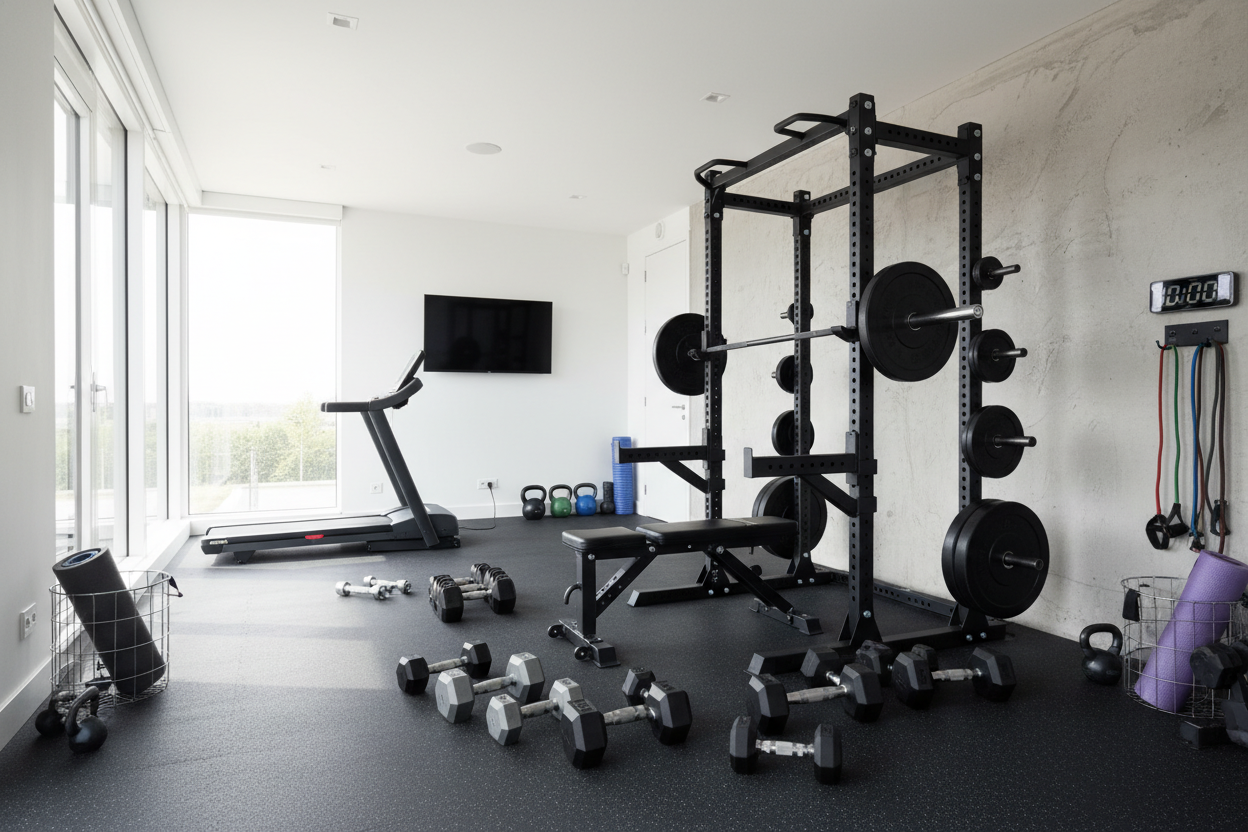
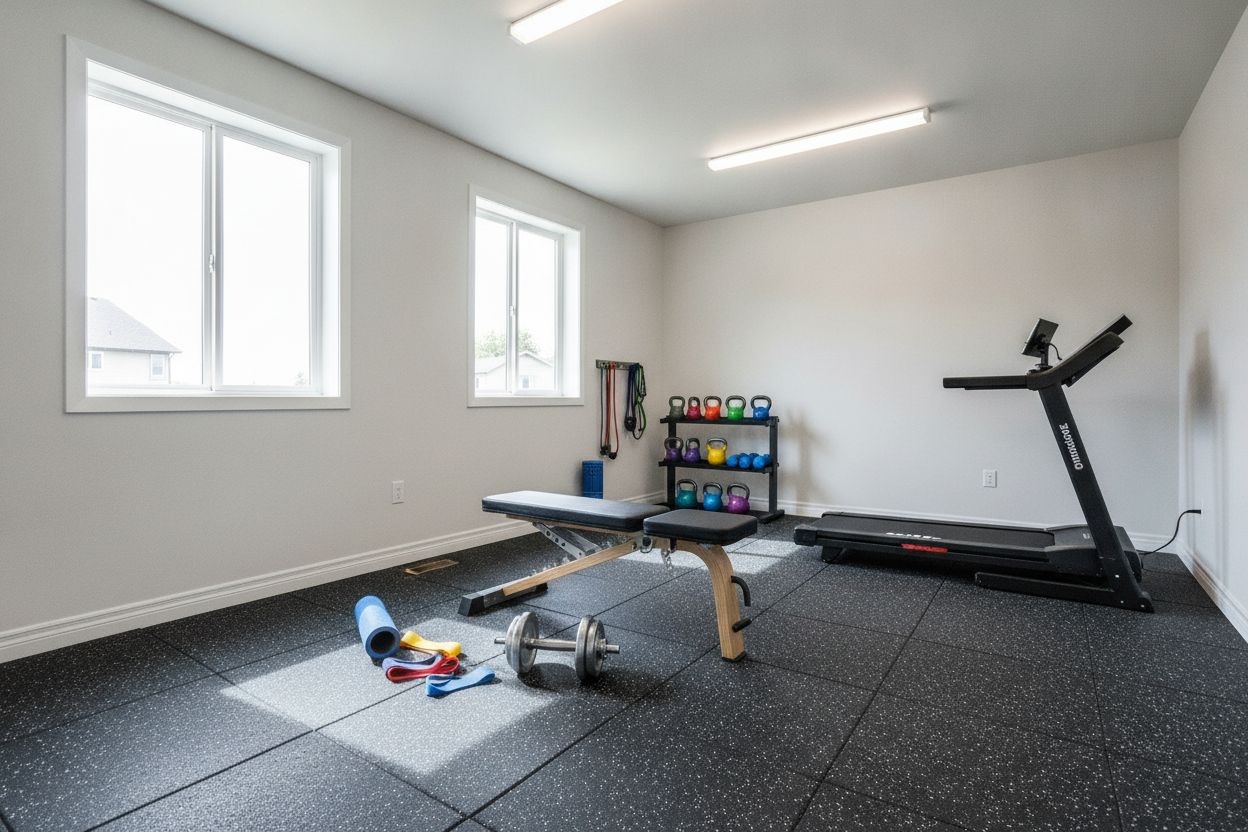
I’ve seen more injuries from people slipping on hardwood floors in socks than from people lifting heavy weights. Your environment matters. If you are doing dynamic movements, you need a surface that grips. I always recommend clearing a dedicated space and laying down a large exercise mat for home gym use. It provides the traction you need to move confidently.
For most living rooms, a 6x4ft exercise mat is the 'Goldilocks' size. It’s big enough to allow for lateral steps and lunges but small enough that it won't take over the entire room. Having a dedicated, non-slip surface is the best insurance policy against a fall during your warm-up.
How long should a senior warm up?
Five to ten minutes is the sweet spot. You want to feel warm and loose, but you shouldn't feel fatigued. If you're huffing and puffing, you've gone too far.
Is it okay to warm up in socks?
Only if you are on a high-traction mat. On wood, tile, or laminate, socks are a major slip hazard. Wear athletic shoes or go barefoot on a grippy surface.
What if I have arthritis in my knees?
Movement is actually medicine for arthritis. Dynamic warm-ups help circulate fluid that cushions the joint. Just keep the range of motion comfortable—don't force a deep squat if your knees aren't ready for it.