5 Bodybuilding Training Methods That Don't Require a Spotter
I remember the first time I got pinned under a 225-lb bench press in my basement. No spotter, no safeties, just me and a cold piece of steel crushing my sternum while I performed the 'roll of shame' across my thighs. It was a wake-up call that using traditional bodybuilding training methods in a solo garage gym isn't the same as training at a powerhouse commercial gym with a partner on standby.
Quick Takeaways
- Prioritize intensity techniques that allow for instant weight release.
- Avoid forced reps and heavy negatives unless you have high-end spotting arms.
- Rest-pause and drop sets are the safest ways to reach true muscular failure alone.
- Focus on mechanical advantages to extend sets without changing plates.
You Can't Just Copy Pro Magazine Routines in Your Garage
Most of those high-volume routines you see in magazines were designed for guys training in Gold's Gym with two partners screaming in their faces. In a home gym, the stakes are different. If you fail a rep on a heavy squat without a plan, you aren't just missing a set; you're potentially destroying your floor or your spine. You have to adapt bodybuilding training techniques to fit a solo environment where safety is your own responsibility.
The goal is to find ways to reach that 'effective rep' zone—those last few grinds before failure—without needing someone to pull the bar off your chest. This means shifting your focus away from maximal load and toward metabolic stress and technical failure. You can still get huge in a garage, but you have to be smarter than the guy with a dedicated spotter.
Drop Sets: The Undisputed King of Solo Intensity
Drop sets are the most practical bodybuilding methods of training for the lone wolf. When you hit failure with a 50-lb dumbbell, you don't need a partner to help you finish; you just grab the 35s and keep going. It pushes the muscle past its initial breaking point safely because the load is constantly decreasing as you fatigue.
If you're using a barbell, speed is the enemy of the pump. I always recommend using quick-release strength training accessories like nylon or aluminum collars. There is nothing worse than spending 30 seconds wrestling with a cheap spring clip while your muscle fibers recover, killing the entire point of the drop set. Strip the plates, lock it back, and get back to work immediately.
Rest-Pause: Maximum Mechanical Tension, Zero Help Needed
Rest-pause is one of the most effective training methods bodybuilding veterans use to accumulate volume with heavy weights. You take a weight you can hit for 8-10 reps, go to failure, rack it, count to fifteen, and then grind out 2-3 more. Repeat this twice, and you've turned a standard set into a high-intensity cluster.
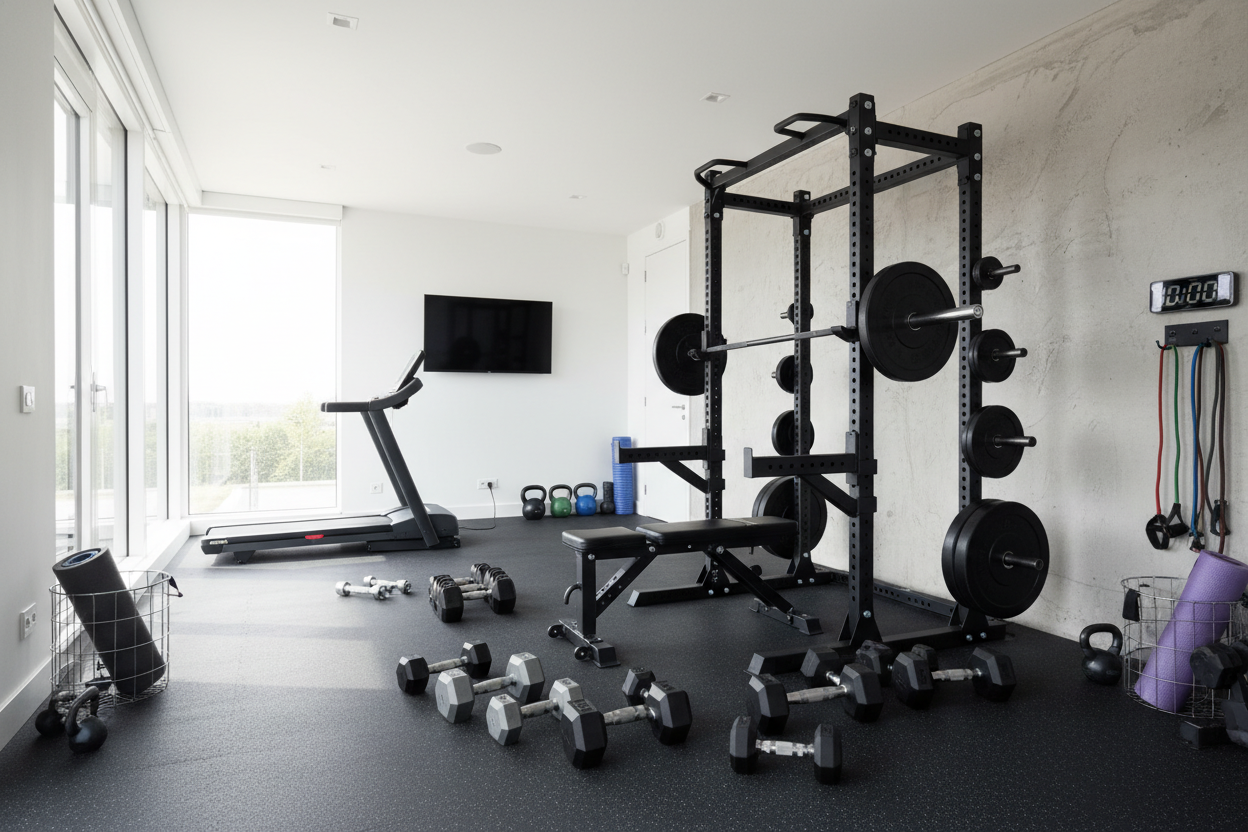
This is significantly safer than forced reps because you are always in total control of the weight. Since you're performing these in a power rack, you have the peace of mind knowing the safeties are there if that final mini-set goes south. It’s a brutal way to increase density without needing a human being standing behind you breathing down your neck.
Why Heavy Negatives Are a Trap for Home Gym Owners
We've all seen the videos of pros doing slow, 5-second eccentrics with 120% of their max. In a home gym, this is a recipe for disaster. Without a partner to help you lift the weight back to the starting position, you are essentially performing a one-way trip to an injury. You have to be honest about whether certain advanced bodybuilding training methods safe to do alone are actually worth the risk to your equipment and your joints.
If you don't have heavy-duty spotting arms or a power rack with a 1,000-lb capacity, stay away from overloaded negatives. The risk-to-reward ratio just doesn't check out. Stick to training techniques bodybuilding experts recommend for solo lifters, like slow eccentrics with weight you can actually move back up yourself.
Mechanical Drop Sets for Brutal Leg Days
Leg day in a garage can be terrifying. If you don't have a leg press, you're usually stuck with a barbell, which makes traditional drop sets a massive pain in the ass. This is where bodybuilding techniques like mechanical drop sets shine. Instead of changing the weight, you change your body position to make the exercise easier.
For example, start with front squats (hardest), and when you hit failure, immediately switch to back squats (easier) with the same weight. If you're lucky enough to have a dedicated lower body strength machine like a hack squat or a sissy squat bench, you can push these even further. Shifting your foot placement mid-set allows you to keep the tension on the quads without ever having to unrack the weight or ask for a hand.
Stop Trying to Combine Everything Into One Workout
The biggest mistake I see in home gym programming is 'intensity stacking.' You don't need drop sets, rest-pause, and supersets in every single session. Your central nervous system will fry long before your biceps grow. Consistency is what builds a physique, not a single 'death workout' that leaves you unable to train for a week.
Focus on one or two body building techniques per workout and master them. Also, stop mixing powerlifting with bodybuilding weight training in the same hour if you're chasing aesthetics. Pick a lane for your current cycle. If you're trying to grow, focus on the pump and the mind-muscle connection, and leave the 1-rep max ego at the door.
My Personal Experience
A few years back, I tried to run a high-intensity 'Dorian Yates' style program in my 10x10 shed. I was doing forced reps by using my legs to help my arms on curls—which worked—but then I tried to apply that logic to heavy benching by 'bouncing' off my chest. I ended up with a bruised rib and a three-week layoff. I learned the hard way that solo training requires a different kind of discipline. Now, I stick to rest-pause sets in my rack where I know the safeties have my back, and my progress has been more consistent than ever.
FAQ
Is it safe to train to failure alone?
Yes, provided you are using a power rack with properly set safeties or exercises where you can safely 'dump' the weight, like dumbbells or machines.
What is the best equipment for solo bodybuilding?
A sturdy power rack with spotting arms is non-negotiable. Beyond that, adjustable dumbbells and a cable pulley system offer the most versatility for safe intensity techniques.
How do I know if I'm hitting true failure?
Technical failure is when your form breaks down. For solo lifters, this is where you should stop. Pushing into 'absolute failure' where the weight stops moving entirely is risky without a spotter.