Why Your Bodybuilding Heavy Sets Just Look Like Sloppy Powerlifting
I remember the night I almost took out my garage door with a 315-pound barbell. I was chasing a number, trying to convince myself that moving big iron was the only way to grow. My ego was huge, but my chest? Flat as a pancake. I was training bodybuilding heavy, or so I thought, but in reality, I was just performing a very dangerous, very ugly version of a powerlifting meet.
If you're training in a home gym, it's easy to get sucked into the 'more weight is better' trap. You don't have a crowd, so you try to impress the camera or your own PR log. But if your goal is actual hypertrophy—real, shirt-stretching muscle—you have to realize that the weight on the bar is just a tool, not the trophy.
Quick Takeaways
- Muscle growth requires mechanical tension, not just momentum.
- If your hips leave the bench, the weight is too heavy for your chest.
- Tempo manipulation is more effective for growth than adding sloppy plates.
- Your nervous system and your muscles fail at different intensities.
The Ego Trap of Chasing Garage Gym Numbers
In my early garage gym days, I thought a 405-pound squat was the ticket to massive quads. I'd load the bar, dive-bomb into the hole, and bounce back up with a rounded back and knees caving in. I was moving the weight, sure, but my quads weren't doing the work—my lower back and joints were just screaming for mercy. I finally saw real progress when I backed off the absolute heaviest weights and started making the muscle do the heavy lifting.
Hypertrophy isn't a math equation where 1+1 equals more muscle. It's about how much stress you can put on a specific tissue. When you chase raw barbell math, you start using 'body english' to finish reps. You swing the dumbbells on curls. You use leg drive on a strict overhead press. You might be 'lifting heavy,' but you aren't bodybuilding.
What 'Bodybuilding Heavy Weight' Actually Feels Like
There is a massive difference between a 1-rep max and a bodybuilding heavy weight set. In powerlifting, success is getting the bar from point A to point B by any means necessary. In bodybuilding, success is making point A to point B as difficult as possible for the target muscle. You want to feel the muscle fibers literally fighting to stay together under the load.
When you're mixing heavy singles into your routine, you're training your nervous system to fire efficiently. That's great for strength. But for size, you need to stay in that 6-12 rep range where the weight is heavy enough to cause failure, but light enough that you can still feel the 'squeeze' at the top and the 'stretch' at the bottom. If you lose the mind-muscle connection, you've gone too heavy.
The Form Breakdown Litmus Test
How do you know if you've crossed the line into sloppy powerlifting? Use the form breakdown test. If you're doing a seated dumbbell press and your butt starts sliding forward or you have to bridge your hips off a solid adjustable weight bench to get the weight up, you've lost the plot. You're no longer training shoulders; you're doing a weird, high-incline chest press.
A real heavy bodybuilding set should look almost identical to a warm-up set, just slower and more painful. The bar path shouldn't change. Your external stability shouldn't waver. If you need to heave the weight to start the movement, you're using momentum to bypass the hardest part of the lift—which is exactly where the growth happens.
How to Make Lighter Weights Feel Brutally Heavy
You don't need 800 pounds of calibrated plates to get big. I've had some of my most productive workouts using nothing but a 250-pound stack and some creativity. The secret is tension. Try a 3-second eccentric (lowering phase) followed by a 1-second pause at the bottom. Suddenly, that 225-pound bench press feels like 315.
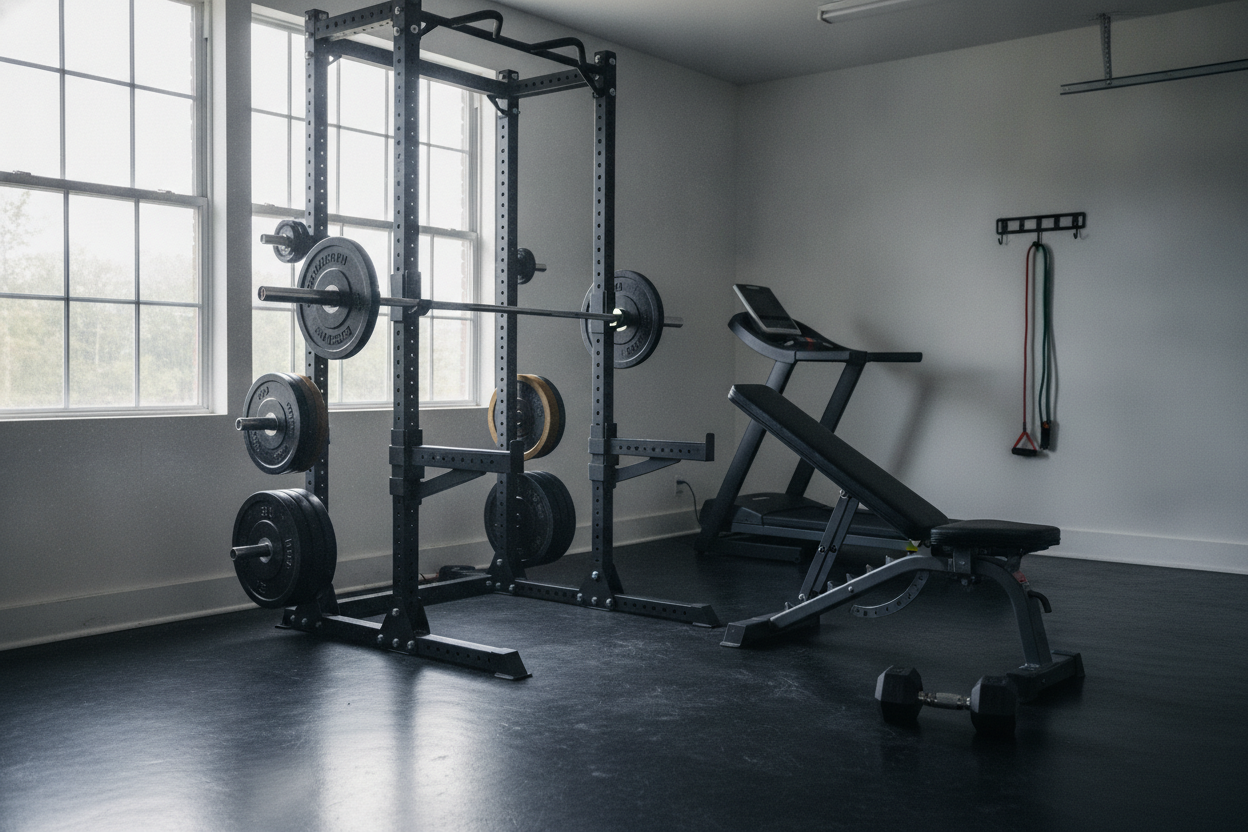
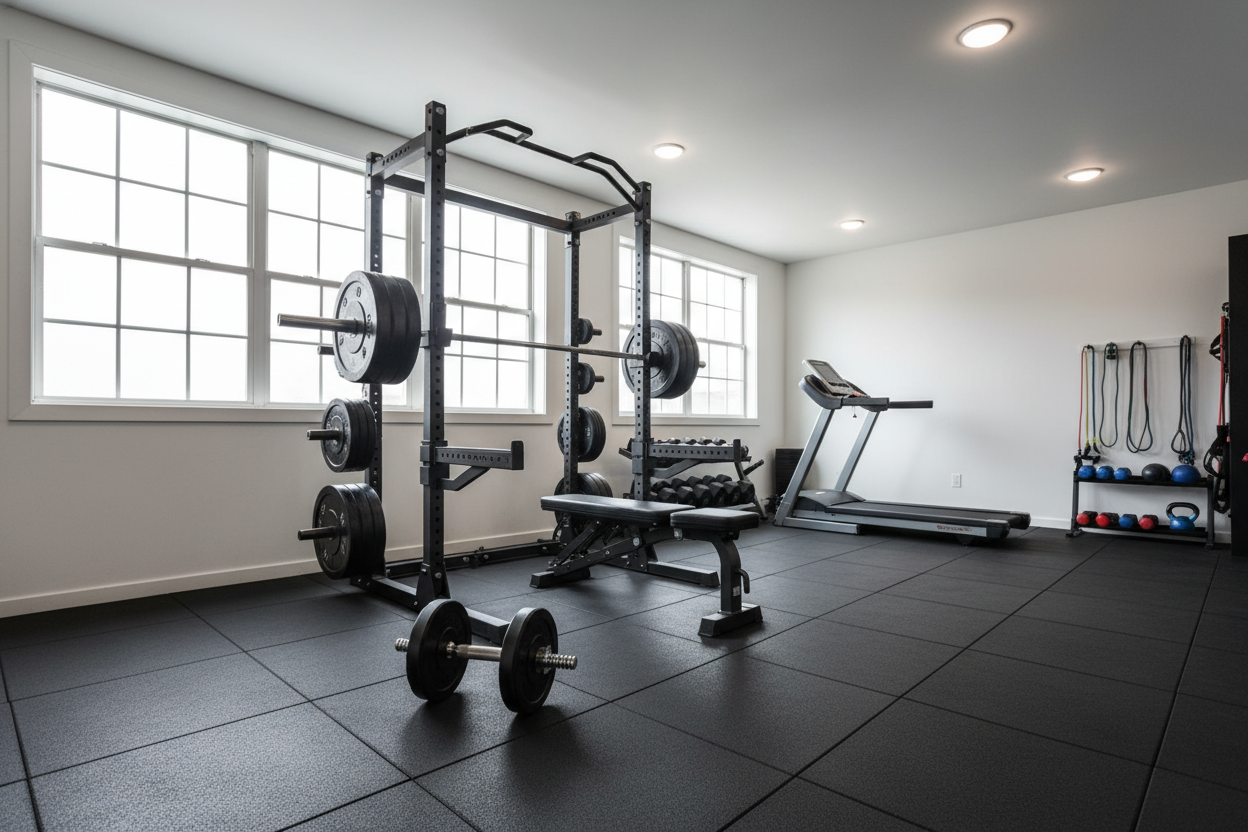
If you're working inside a power rack weight bench package, use the safety pins. Set them just above chest height for 'pin presses.' Starting a heavy rep from a dead stop eliminates all momentum and forces the muscle to contract from a zero-energy state. It's humbling, it's heavy, and it'll grow your chest faster than any sloppy max-effort attempt.
Leaving Your Pride at the Garage Door
At the end of the day, the mirror doesn't care what you bench. Your quads don't have eyes to see if you're using four plates or two. They only respond to the stimulus. If you're constantly sidelined with 'cranky' elbows or a 'tight' lower back, it's a sign that your 'heavy' sets are just mechanical ego-padding.
Track your progress by the quality of the pump, the soreness in the target muscle (not the joints), and the actual inches on your arms. Stop trying to be a mediocre powerlifter and start being a calculated bodybuilder. Your joints will thank you, and your sleeves will finally start to get tight.
Personal Experience: My Row Reality Check
I used to think I was a beast because I could 'row' 315 for reps. Then I filmed myself. I was basically doing a standing rhythmic dance where the bar moved maybe four inches and my torso did all the work. I dropped the weight to 185, pulled my elbows back, and actually squeezed my lats. My back grew more in three months with that 'light' weight than it had in three years of ego-lifting. It was a hard pill to swallow, but my T-shirt size doesn't lie.
FAQ
Is lifting heavy bad for bodybuilding?
Not at all. You need heavy loads to recruit high-threshold motor units. The problem is when 'heavy' becomes 'sloppy.' If you can't control the weight, it's not doing its job.
What rep range is best for bodybuilding heavy weight?
Generally, the 6 to 10 rep range is the sweet spot. It's heavy enough to provide massive mechanical tension but high enough volume to trigger metabolic stress.
How do I know if I'm using too much momentum?
Try to pause for one second at the 'turnaround' point of any lift (the bottom of a squat or the top of a curl). If you can't hold it there, you're using momentum to carry the load.