Why You Look Blocky (And How to Get Visible Muscles)
I remember looking at my reflection after a year of heavy powerlifting, weighing 225 lbs, and feeling like a refrigerator. I was strong, sure, but I didn't look like I worked out. I just looked like I really enjoyed buffet night and had a passing interest in moving heavy furniture. If you are wondering how to get visible muscles, the answer usually isn't adding another 20 lbs to your squat.
Most of us spend too long in the 'building' phase and not nearly enough time in the 'reveal' phase. You've probably already got the muscle tissue; it's just buried under a layer of insulation that makes you look blocky instead of athletic.
Quick Takeaways
- Muscle definition is a body fat percentage game, not a rep range secret.
- Keep your training intensity high to preserve muscle while dieting.
- A 10-12 week aggressive cut is the standard timeline for real visibility.
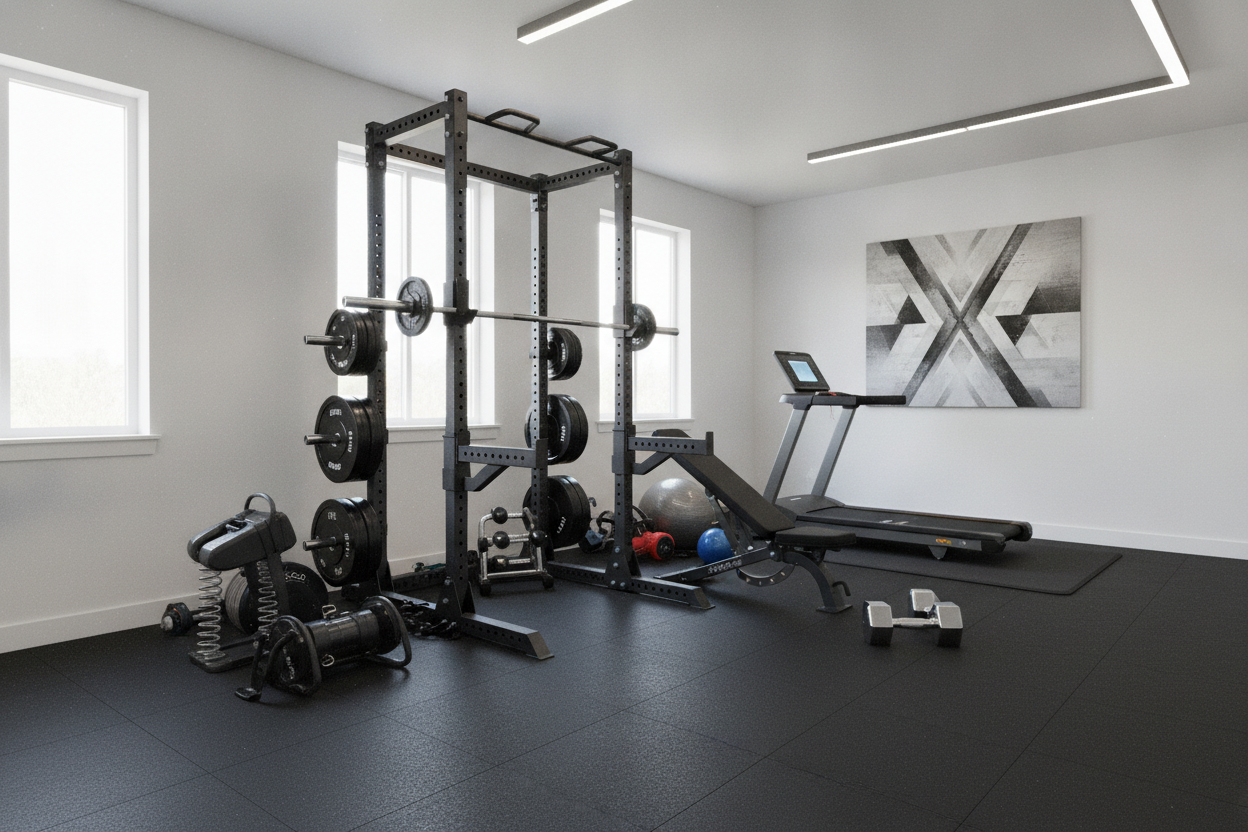
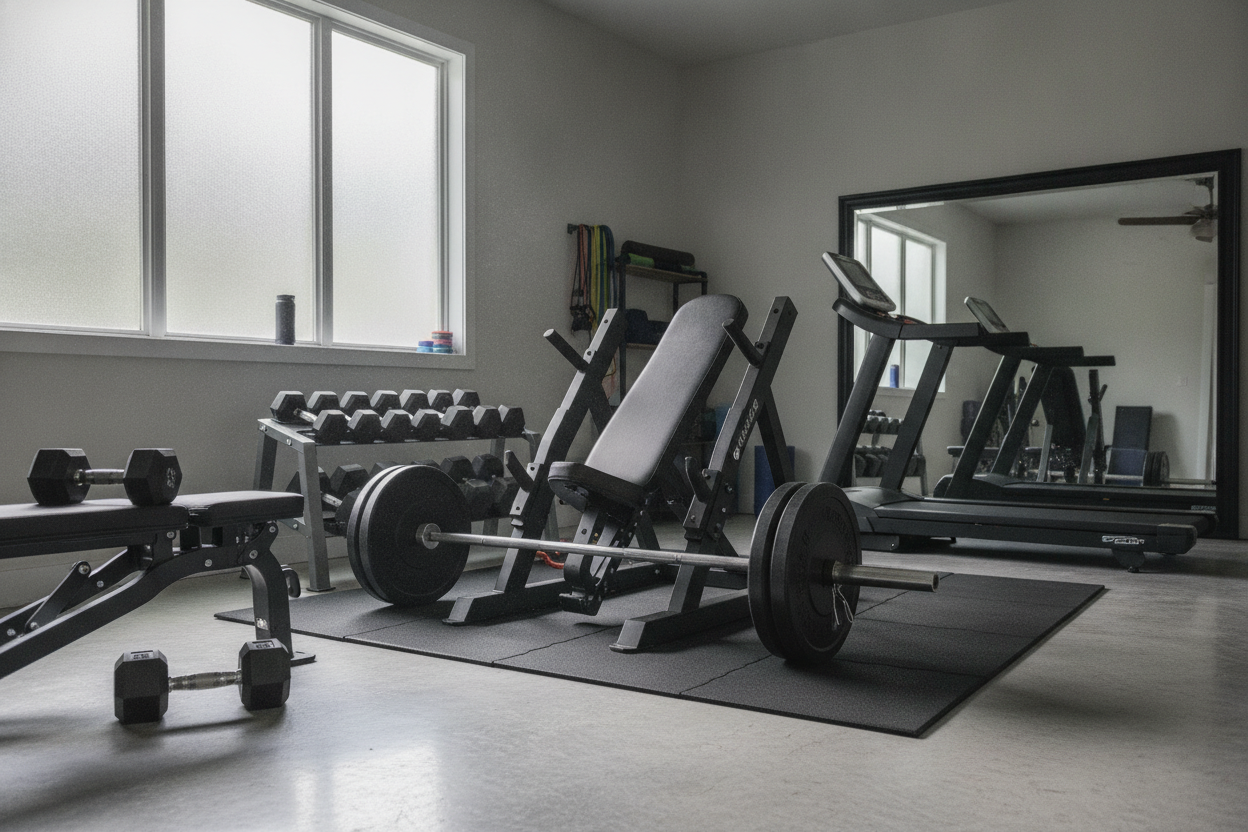
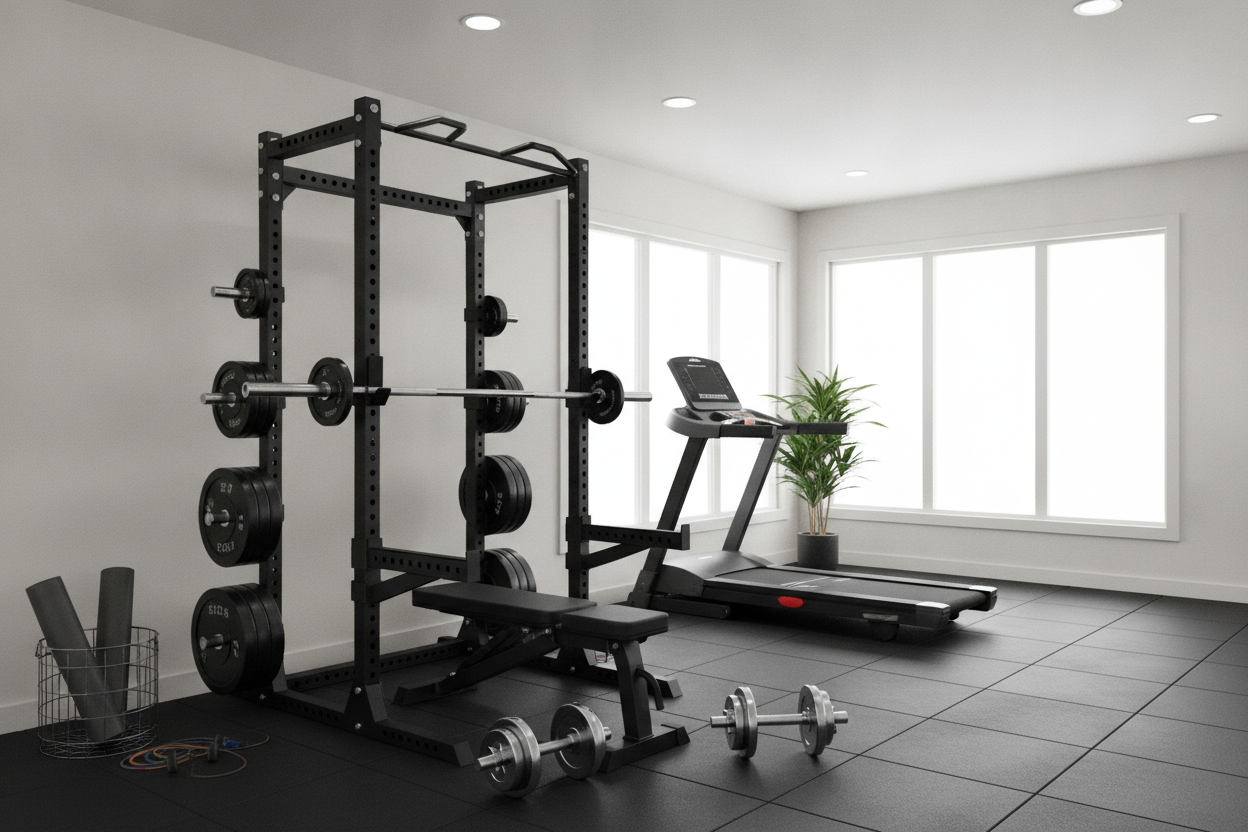
- Your garage gym setup should facilitate conditioning, not just heavy lifting.
The 'Permabulk' Trap: Why You Just Look Like a Bouncer
Most home gym owners fall into the 'mass at all costs' mindset. We buy bigger plates, we eat the extra steak, and we get thick. But muscle tissue is incredibly dense and easily hidden. If you have two inches of soft tissue over your serratus and delts, nobody is ever going to see the hard work you put in on the rack. You don't need more 'size' in the traditional sense; you need less padding.
I see guys all the time who can bench 315 lbs but look like they’ve never touched a dumbbell because their body fat is sitting at 22%. They look powerful, but they look blocky. Building the tissue is only half the battle. The other half is the boring, disciplined work of stripping away the top layer so the architecture of your physique actually shows through.
The Brutal Truth About How to Get Visible Muscles
Definition is a math problem solved in the kitchen, not a magical high-rep workout. To how to make muscle more visible, you need to reach specific body fat thresholds. For most men, that 'popping' look happens under 12%. For women, it’s usually the low 20s. If you aren't there yet, no amount of 'shaping' exercises will help.
You have to stop viewing your workouts as the primary driver of fat loss. Your training is for muscle preservation and strength; your diet is for visibility. When you stop trying to 'eat for size' and start eating for clarity, the muscles you already have will start to look twice as large because the separation between the muscle heads finally becomes apparent.
Stop Doing High Reps to 'Tone'
I hate the word 'tone.' It is a marketing term for having muscle and low body fat. Doing 30 reps with light weights won't carve anything into your frame. In fact, dropping your weights during a cut is the fastest way to lose the muscle you worked so hard to build. You need heavy mechanical tension to tell your body to keep that muscle while you are in a deficit.
You can build muscle without buying more iron by focusing on tempo and forced eccentrics, but don't let the intensity of your compound lifts slide. Keep the weight heavy and the reps in the 6-12 range to ensure you're losing fat, not your hard-earned gains.
The Timeline: How Long Until You Actually Look Lean?
Don't expect to see your obliques in a week. The first 14 days of a cut are usually just shedding water and glycogen. Real fat loss—the kind that makes your shoulders look like cannonballs—takes 8 to 12 weeks of absolute consistency. This isn't a linear process, and your body will fight you every step of the way by making you feel flat and tired.
It is also worth noting that men and women hold fat differently. You will see a different rate of change when looking at the timeline for visible muscle in woman lifters compared to men. Women often hold more essential fat in the lower body, which can be the last place to lean out, requiring a bit more patience during the final weeks of a transformation.
Set Up Your Garage to Support the Grind
When you are on low calories, your motivation will tank. If your gym is a disorganized mess or your floor is slick, cold concrete, you will find every excuse to skip your conditioning work. I realized early on that a dedicated space for high-intensity work was the missing link for my cuts.
I put down extra wide Gxmmat exercise mats so I could jump rope, do burpees, and hit mountain climbers without sliding around or wrecking my joints. Having that 7x10 foot area of high-traction padding makes the 'grind' work much more tolerable. When you don't have to worry about your equipment failing or your feet slipping, you can focus entirely on the intensity of the session.
Personal Experience: My 'Big' Mistake
A few years back, I spent six months 'bulking' and put on 20 lbs. I felt like a beast in the gym, but my clothes fit like garbage and I had no jawline. When I finally decided to cut, I realized about 15 of those pounds were just fluff. It was a massive ego hit. My mistake was thinking I could eat my way to a better physique without a plan to eventually reveal the work. Now, I never let my body fat get so high that I lose sight of my abs. It makes the cutting phase much shorter and less miserable.
FAQ
Do I need to do cardio every day?
No. Cardio is a tool to increase your caloric deficit, but it shouldn't be your entire personality. Aim for 3 sessions of 30 minutes of steady-state work or two high-intensity interval sessions per week to start.
Will I lose strength while trying to get visible muscles?
You might lose a little top-end strength on lifts like the bench press due to changes in leverages, but if you keep your protein high and your lifting heavy, you should maintain the vast majority of your muscle mass.
What is the best body fat percentage for muscle visibility?
For men, the 'sweet spot' where you look athletic and defined is usually 10-12%. For women, you'll see great definition around 18-22%.