Why You Always Quit Your 12 Week Beginner Workout Plan By Week 3
I have seen it a thousand times. You buy the adjustable dumbbells, clear out a corner of the garage, and download a 12 week beginner workout plan while riding a high of Sunday night motivation. By Tuesday of Week 3, the dumbbells are collecting dust and you are back to scrolling Netflix. It is not that you are lazy; it is that most plans are designed for robots, not people with jobs, kids, and actual lives.
Quick Takeaways
- Start with joint preparation to avoid the 'Week 3 Burnout.'
- Consistency is the only metric that matters in the first 30 days.
- Phase your training: Habit first, then intensity, then heavy loads.
- If you miss a day, just resume. Do not start over from Day 1.
The 'Month One' Trap That Derails Your Progress
The biggest mistake novices make is trying to go from zero to five days a week of high-intensity training. A three-month commitment is a massive psychological load. When you jump into a rigid 12-week fitness plan for beginners with the 'no pain, no gain' mentality, you are basically asking for an injury or mental fatigue by day 21. Your central nervous system and your joints need time to adapt that your enthusiasm doesn't account for.
Most people quit because they feel like they have 'failed' the program the moment they miss a session. In reality, the first month should be about the lowest common denominator. It is about showing up, moving your body, and getting used to the friction of exercise. If you make the barrier to entry too high, you will find every excuse to skip it.
Weeks 1 to 4: Stop Trying to Destroy Yourself
The first phase is all about 'pre-hab' and routine. You are not trying to set world records here; you are trying to convince your brain that working out is just something you do now. I always tell people to focus on their environment first. If you are working out on a cold, hard concrete floor, you are going to dread every plank and mountain climber.
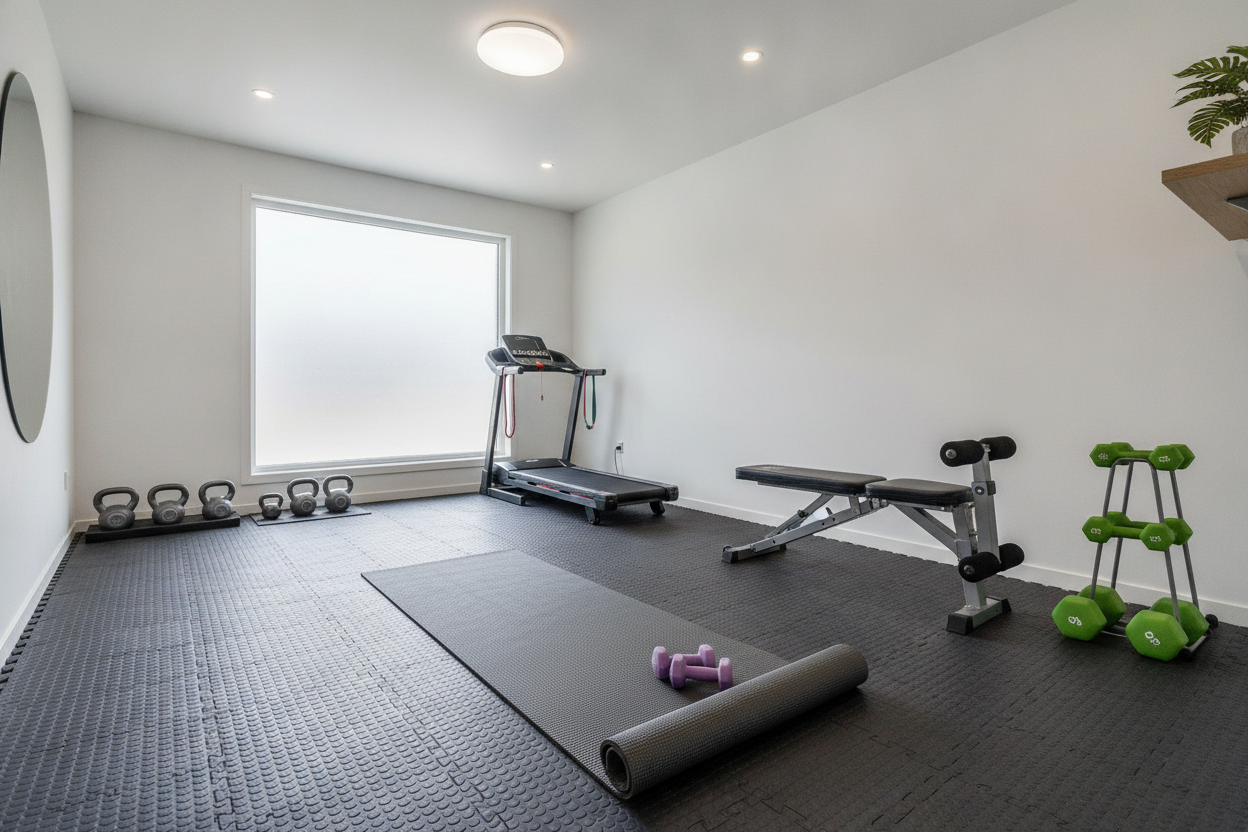
Setting up a dedicated space with a thick 6x8ft exercise mat changes the game. It defines your 'gym' area and saves your knees during the foundational mobility work that defines this phase. Spend these four weeks mastering bodyweight squats, lunges, and core stability. If you finish a workout feeling like you could have done a little more, you are doing it right.
Weeks 5 to 8: Actually Lifting Some Iron
By month two, your connective tissues are ready for a real 12 week exercise plan for beginners that involves external resistance. This is the 'Progressive Overload' phase. You should be moving from purely bodyweight movements to using dumbbells, kettlebells, or a barbell. This is where the visible changes start to happen, but it is also where the technique becomes critical.
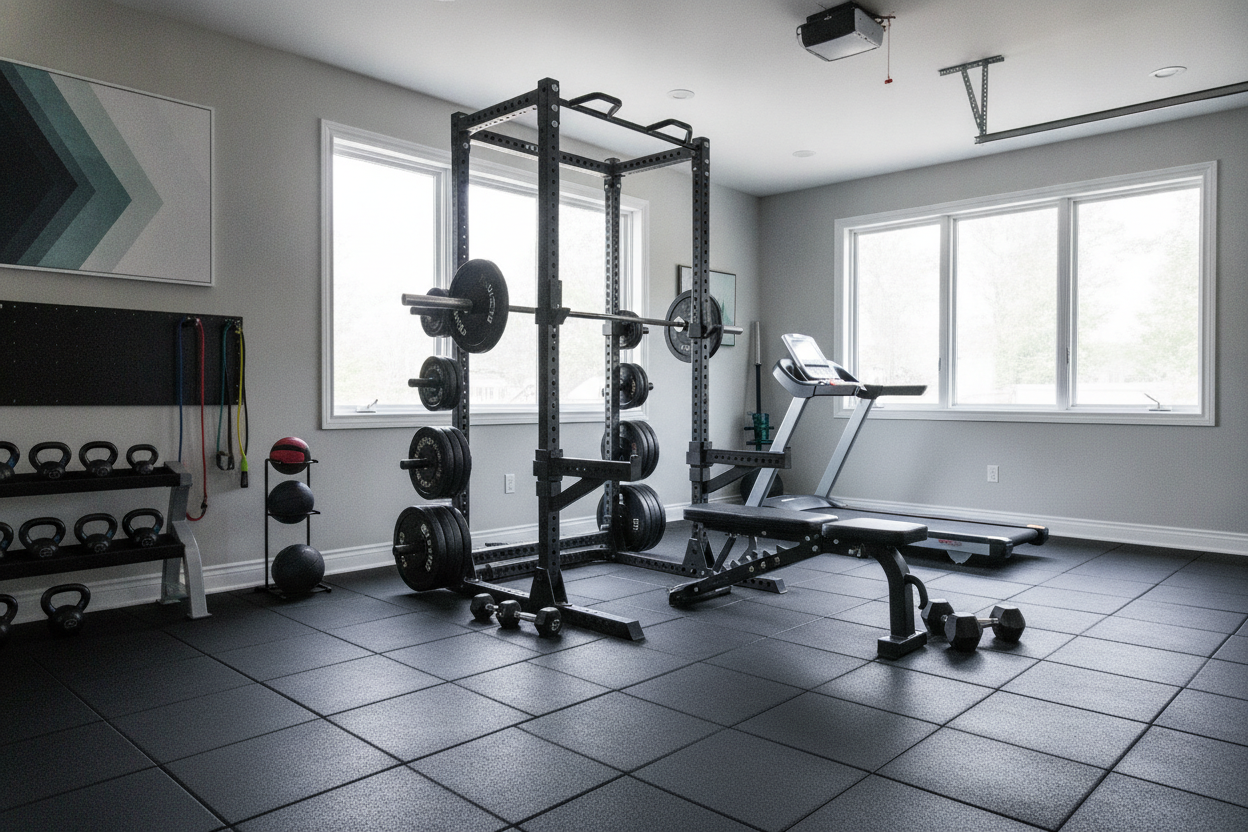
If you are moving your training from the living room to a commercial space, I highly recommend following a structured gym workout plan for beginners. It prevents that 'deer in the headlights' look when you walk into a weight room. Focus on the big four: squat, hinge, push, and pull. Don't worry about fancy machines or 'muscle confusion.' Just focus on adding 5 pounds to the bar or doing one more rep than you did last week.
Weeks 9 to 12: The Grind and the Payoff
This is the final stretch of the 12 week workout plan for beginners. By now, the 'newbie gains' might slow down, and you will start feeling the accumulated fatigue. This is why we use a deload week. Around Week 9 or 10, cut your weights and sets in half. It feels like slacking, but it is actually the secret to hitting new personal records in Week 12.
By this point, if you have stayed consistent, you have likely outgrown your temporary setup. Investing in a large exercise mat for home gym use is a great way to reward yourself and solidify your commitment. You are no longer 'trying out' a workout; you are a person who trains. Use these last few weeks to test your strength safely and see just how far you have come from that first wobbly bodyweight squat.
How to Keep Going When Life Ruins Your Schedule
Life is going to happen. You will get a cold, your car will break down, or a deadline will keep you at the office until 8 PM. Most beginners think that if they miss three days, the 12-week block is ruined. That is nonsense. Just pick up exactly where you left off. The calendar is arbitrary; the total work performed is what matters.
If you find that a three-month block is just too much for your current lifestyle, do not just quit and go back to the couch. Scale back to a shorter 30 day exercise plan. It is better to finish a short program with 100% consistency than to fail a long one at 50%. The goal is to build a habit that lasts years, not just twelve weeks.
My Personal Experience
Years ago, I tried a high-volume powerlifting program without any 'base' phase. I thought I could out-willpower my lack of preparation. By Week 4, my elbows were so inflamed I couldn't even pick up a coffee cup, let alone a barbell. I had to sit out for a month. The lesson? Your ego will write checks that your tendons can't cash. Start slower than you think you need to. You have the rest of your life to get strong.
Frequently Asked Questions
Do I need a full gym for a 12-week plan?
Not necessarily. You can get incredible results with a set of adjustable dumbbells and a solid floor mat. The gym just offers more variety once you get bored of the basics.
What should I do if I am still sore from the last workout?
If it is just muscle soreness, move. A light walk or some mobility work on your mat will actually help recovery. If it is sharp joint pain, stop and re-evaluate your form.
How important is diet during these 12 weeks?
You can't out-train a bad diet, but don't try to change everything at once. Focus on hitting a protein goal first. Once that is a habit, then look at your calories.