Why 'Weight Lifting for Beginners Female' Plans Are Usually Garbage
I remember the first time I tried to help a friend set up a home gym. She’d been searching for weight lifting for beginners female and came back with a list of 15 different 'toning' exercises involving 3-pound pink dumbbells and a stability ball. It was a mess. The fitness industry has spent decades convincing women that they need a completely different set of physics to get strong. It’s nonsense. You don’t need a specialized 'female' version of gravity; you just need a plan that doesn't treat you like you're made of glass.
Quick Takeaways
- Ignore 'toning' routines—focus on building actual strength.
- Day One only requires three movements: a squat, a press, and a hinge.
- A home gym removes the 'gym-timidation' factor that stalls progress.
- Invest in an adjustable bench before you buy a massive rack.
- Progress comes from adding weight, not just adding more reps.
The Paralysis of the Perfect Program
The biggest hurdle for beginner strength training for women isn't the weight itself—it's the sheer volume of overcomplicated advice. Most 'weight training for beginners female' searches lead to 6-day splits that require two hours of gym time and machines you’ve never seen before. This creates analysis paralysis. You spend so much time trying to figure out if you should do a Bulgarian Split Squat or a Goblet Squat that you end up doing nothing at all. I’ve seen people spend three weeks 'researching' the perfect grip width for a lat pulldown while their brand-new equipment sits in boxes.
The truth is, your body doesn't care about the 'perfect' program on day one. It cares about stimulus. If you want to see results from strength training for female beginners, you have to stop overthinking weight lifting training programs and focus on the big movers. Most beginner weight training for women programs fail because they are too boring or too complex. They either have you doing 50 reps with a light weight—which is just cardio in disguise—or they have you doing complex Olympic lifts that require a coach to perform safely. You need the middle ground: simple, heavy-enough movements that make you feel like you actually did something.
When you look at a beginner strength training program for women, look for the 'Big Three' patterns. You need to push something, pull something, and use your legs. That’s it. Everything else is just accessory work that you can worry about six months from now. If a plan tells you that you need to be in the gym six days a week to see progress, they’re trying to sell you a lifestyle, not a result. Two or three days of focused weight lifting for female beginners is plenty to see massive changes in bone density and muscle tone.
Your Aggressively Simple Day One Workout
This is exactly what I tell anyone starting weightlifting for women beginners: do three things and go home. Or, if you're training in your garage, do three things and go have a protein shake. This routine is designed to build confidence without leaving you so sore that you can't walk for a week. We call that 'avoiding the DOMS trap.' If you go too hard on day one, you won't come back for day two.
First: The Goblet Squat. Hold one dumbbell at your chest like a trophy. Keep your feet shoulder-width apart, sit back into your hips, and stand up. Do 3 sets of 8 reps. Second: The Overhead Press. Take two dumbbells, hold them at your shoulders, and push them toward the ceiling. Keep your core tight—don't arch your back. Again, 3 sets of 8. Third: The Romanian Deadlift. Hold your weights at your thighs, hinge at the hips while keeping your back flat, and feel the stretch in your hamstrings. Stand back up. 3 sets of 8. That’s your entire beginner weight lifting routine for women.
This 'easy weight training for women' approach works because it hits every major muscle group without requiring a PhD in kinesiology. If the last rep of each set feels like you could have done three more, the weight is too light. If your form starts breaking down at rep five, it’s too heavy. This is the foundation of a beginner women's strength training workout. Once you master these three, every other exercise in the world is just a variation of these patterns. You’re not just working out; you’re learning how your body moves under load.
Creating a Safe Space to Fail at Home
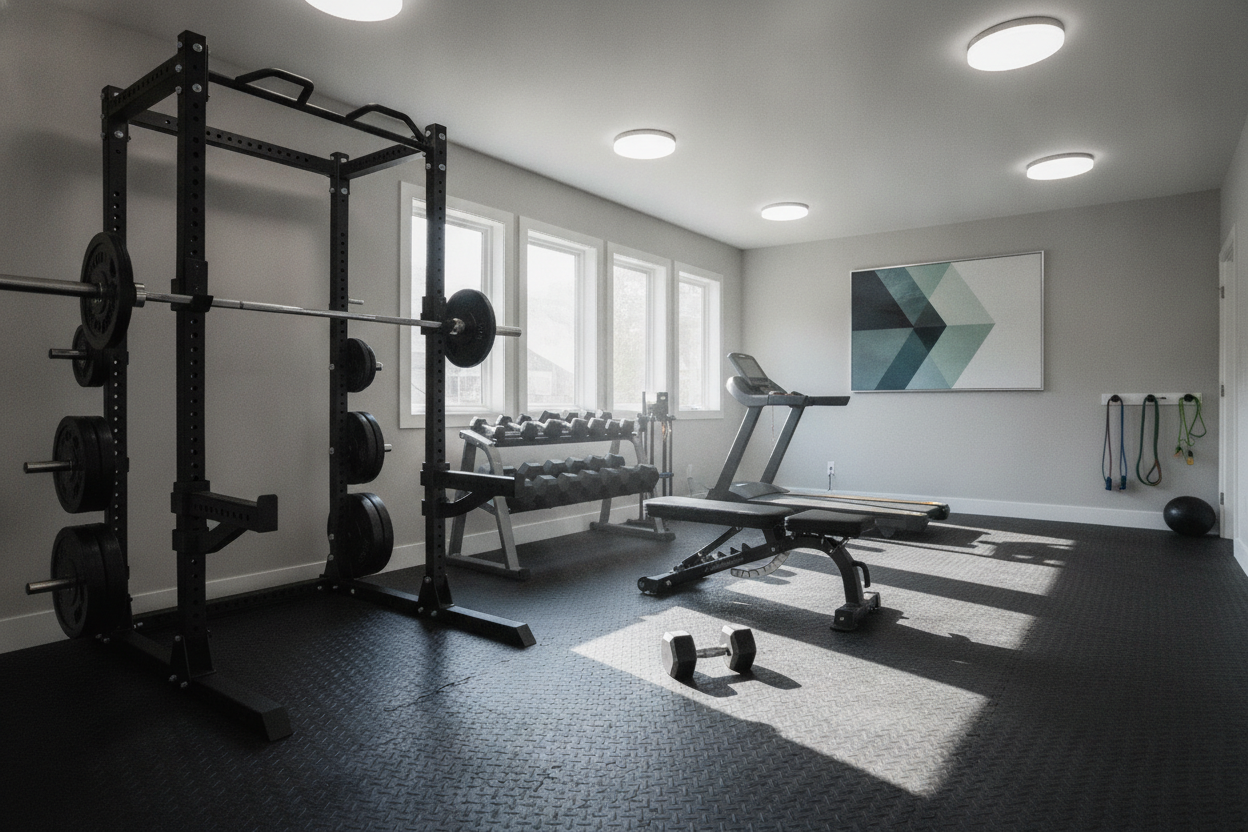
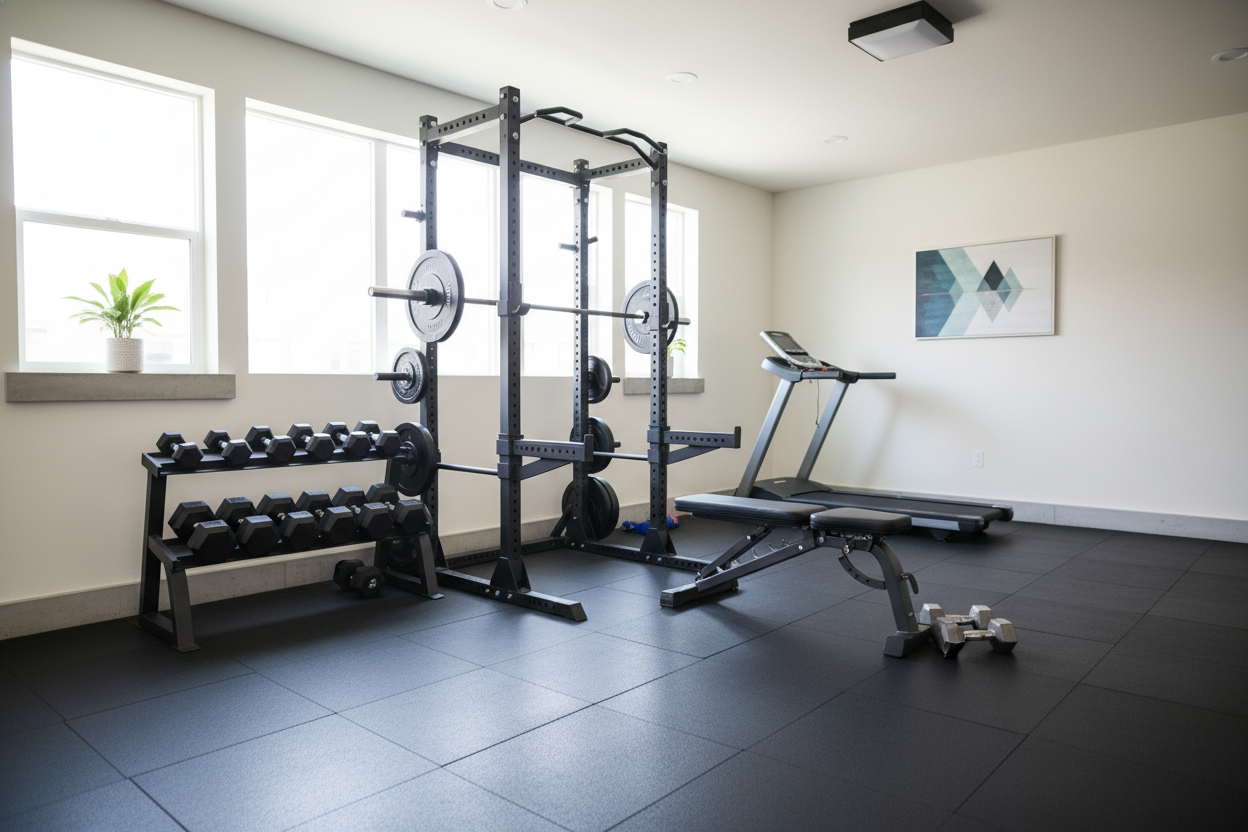
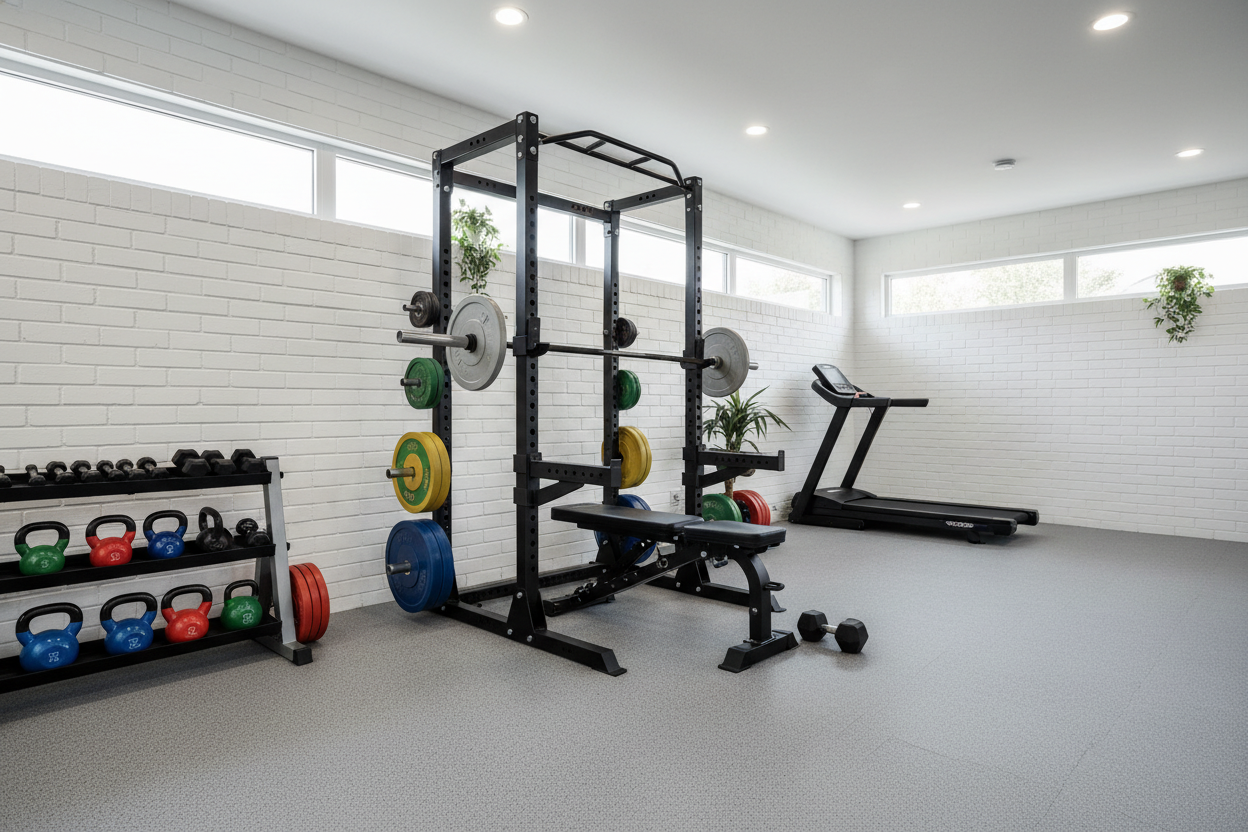
I’m a huge advocate for weight lifting for women at home. There is a psychological barrier to the 'big box' gym—the clanging plates, the guys hogging the squat rack, and the feeling that everyone is watching your form. When you lift at home, that pressure disappears. You can grunt, you can fail a rep, and you can wear your oldest t-shirt without a second thought. Setting up a dedicated space, even if it’s just a 6x8 foot corner of the basement, signals to your brain that this is where the work happens.
But before you start clicking 'buy' on every piece of gear you see, take a breath. Beginners often make the mistake of buying 'starter weights for women' that are way too light. You'll outgrow a 5-lb set of dumbbells in about twenty minutes. Instead, focus on choosing the best strength and weight training equipment for your specific space and long-term goals. You want gear that grows with you, not gear that ends up as a clothes rack in three months. A simple weight lifting plan for women only requires a few high-quality items to be effective.
The Core Pieces That Won't Collect Dust
If you’re doing weight lifting at home for beginners female style, you don't need a 12-station cable machine. In fact, stay away from bulky weight lifting machines that only do one thing. They take up half your floor space and offer zero versatility. You can’t do a squat, a press, and a row on a leg extension machine. Free weights are superior because they force your stabilizer muscles to work, which is exactly what you want for functional strength.
Your first real purchase should be a sturdy adjustable weight bench. Why? Because it unlocks dozens of movements. You can do chest presses, supported rows, and split squats. Look for one with at least a 600-lb weight capacity—it sounds like overkill, but that stability matters when you’re holding heavy dumbbells over your face. A cheap, wobbly bench is the fastest way to lose confidence in your lift. Pair that bench with a set of adjustable dumbbells, and you have a complete gym that fits in the corner of a bedroom.
When to Upgrade to the Big Iron
There will come a day when the dumbbells aren't enough. Maybe your grip gives out before your legs do during a squat, or you've maxed out the heaviest weight you own. This usually happens between the 3-month and 6-month mark if you’re consistent. This is the 'graduation' phase of weight training for women beginners. It’s time to move from dumbbells to a barbell. Barbells allow for much finer increments of 'progressive overload'—the practice of adding just a little bit of weight each week.
When you reach this point, you’re looking at a power rack weight bench package. A rack isn't just for 'hardcore' lifters; it’s a safety device. The 'spotter arms' on a rack will catch the bar if you can't get back up from a squat, which is vital if you're training alone. This is how you transition from a beginner weight lifting routine female to a more advanced, long-term strength program. It’s an investment in your safety and your future gains.
Personal Experience: My 'Sand' Mistake
When I first started building out a space for my partner to train, I tried to save money by buying those plastic, sand-filled weights you see at big-box retailers. It was a disaster. Within a month, the plastic cracked on one of the plates and leaked gray sand all over the gym mat. Not only was it a mess, but the weights were so bulky that she couldn't actually perform a full range of motion on rows. I ended up spending twice as much money replacing them with real cast iron. Lesson learned: Buy once, cry once. Get the gear that’s built for actual training, not just for looking pretty in a box.
FAQ
Will lifting weights make me look 'bulky'?
No. This is the most persistent myth in women's fitness. Building significant muscle mass requires a massive caloric surplus and specific hormone profiles. For most women, lifting weights will simply make you look 'toned'—which is just a way of saying you have muscle and low enough body fat to see it.
Do I need special shoes for weight lifting?
You don't need fancy lifting shoes yet, but stop lifting in squishy running shoes. They are like standing on marshmallows. Wear a flat-soled shoe like a Chuck Taylor or just lift in your socks if you're at home. You want a stable connection to the floor.
How do I know if I'm lifting heavy enough?
Use the 'two-rep rule.' If you finish your set and feel like you could have done more than two additional reps with perfect form, it’s time to increase the weight. If you're struggling to finish the set with good form, stay where you are or scale back.