Why Basic Workout Programs Always Beat Complex Spreadsheets
I remember sitting in my garage at midnight, bleary-eyed, staring at a 12-week periodized spreadsheet I’d downloaded from a powerlifting forum. I hadn't even squatted 225 pounds yet, but there I was, trying to calculate RPE-based back-off sets and adjusting my 'peak' for a meet that didn't exist. It was a classic mistake. We live in an era where we think more data equals more muscle, but for most of us, basic workout programs are the only thing that actually moves the needle.
- Complexity is the ultimate enemy of consistency.
- Full-body splits provide better frequency for muscle protein synthesis.
- Progressive overload—adding weight or reps—is the only metric that matters early on.
- Recovery is where the growth happens; don't out-train your ability to heal.
The 'Optimal' Spreadsheet Trap
When you start searching for 'what is the best workout routine for beginners', the internet rewards you with complexity. You’ll find spreadsheets designed for elite athletes that require a degree in mathematics just to figure out your Tuesday afternoon session. These plans are 'optimal' on paper, but they are a nightmare in practice for someone just starting. They demand a level of precision and time commitment that most people can't maintain while balancing a job or a family.
The trap is thinking that if a pro uses it, you should too. But a pro has a massive base of strength and years of conditioning. If you try to jump into a high-volume, highly specific routine, you’ll likely burn out or get injured within three weeks. I’ve seen guys spend more time tweaking their Excel formulas than actually touching a barbell. Your goal isn't to have the prettiest data; it's to get under the bar and move something heavy enough to make your body adapt. The best routine isn't the one with the most variables; it's the one you actually finish every single week.
Why Less is Actually More for Early Muscle Growth
Novice gains are the closest thing to magic in the fitness world. Because your body isn't used to the stress of lifting, almost any basic stimulus will cause an adaptation. You don't need 15 different angles of bicep curls or four different chest fly variations to see growth. You need to master the big, compound movements that recruit the most muscle mass at once. Squats, presses, and pulls are your bread and butter. If you focus on these, you can start with just 15 minutes a day to build the habit of showing up.
Consistency is the foundation of every physique you admire. By keeping the program simple, you remove the mental friction of 'what do I do today?' You walk into the gym, you see the three or four movements on your list, and you execute. This simplicity allows you to focus on form and intensity rather than navigating a complex menu of exercises. I’ve found that when I stripped my own training back to the essentials, my joints felt better and my strength numbers actually started climbing faster than when I was doing 'accessory' work for three hours a day.
Building a Realistic Workout Timetable for Beginners
A 'good gym schedule for beginners' is usually built around a 3-day full-body split. Think Monday, Wednesday, Friday. This 'workout timetable for beginners' is superior to the 6-day 'bro-splits' you see on Instagram for one main reason: recovery. When you're new, your central nervous system takes a hit every time you lift. Giving yourself 48 hours between sessions ensures you’re actually recovered enough to push harder in the next workout. If you try to go six days a week, you'll likely end up going through the motions with 50% effort because you're perpetually exhausted.
Structure your week so it fits your life, not the other way around. If you miss a Monday, do it Tuesday. The flexibility of a 3-day plan is a massive advantage. It leaves room for life to happen without making you feel like you’ve 'failed' the program. I used to think I needed to be in the gym every day to see results, but I actually saw my best chest growth when I stopped benching every other day and gave my pecs time to actually rebuild. Remember, you don't grow in the gym; you grow while you're sleeping and eating.
So, What is a Good Workout Routine for Beginners?
If you’re looking for 'what is a good workout routine for beginners', stop looking for secret exercises. A solid foundation consists of a squat variation (back squat, goblet squat), a push (bench press or overhead press), and a pull (rows or chin-ups). That’s it. If you master those three, you’ve hit 90% of your muscle groups. You can even run a home workout routine that actually feels good using just a pair of dumbbells or a single kettlebell. The key is to pick a weight where the last two reps of a set are difficult but your form stays tight.
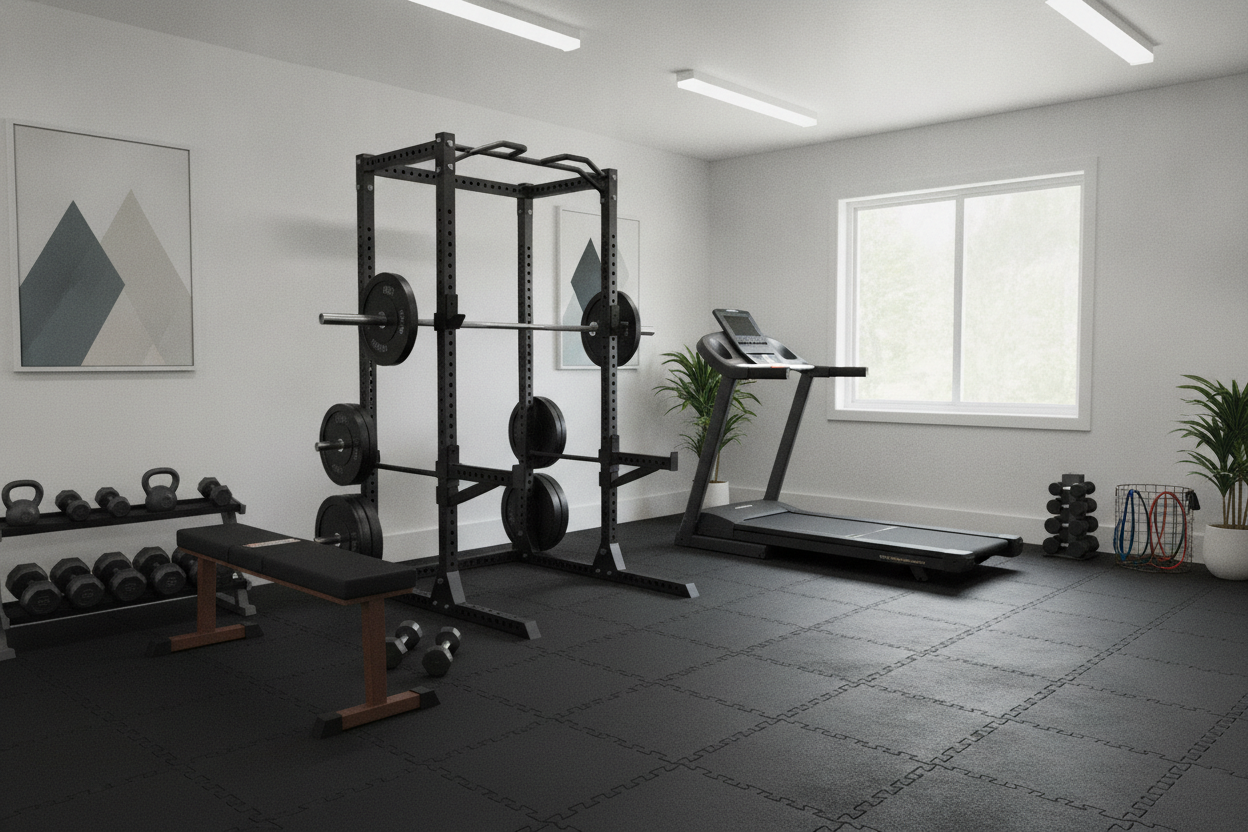
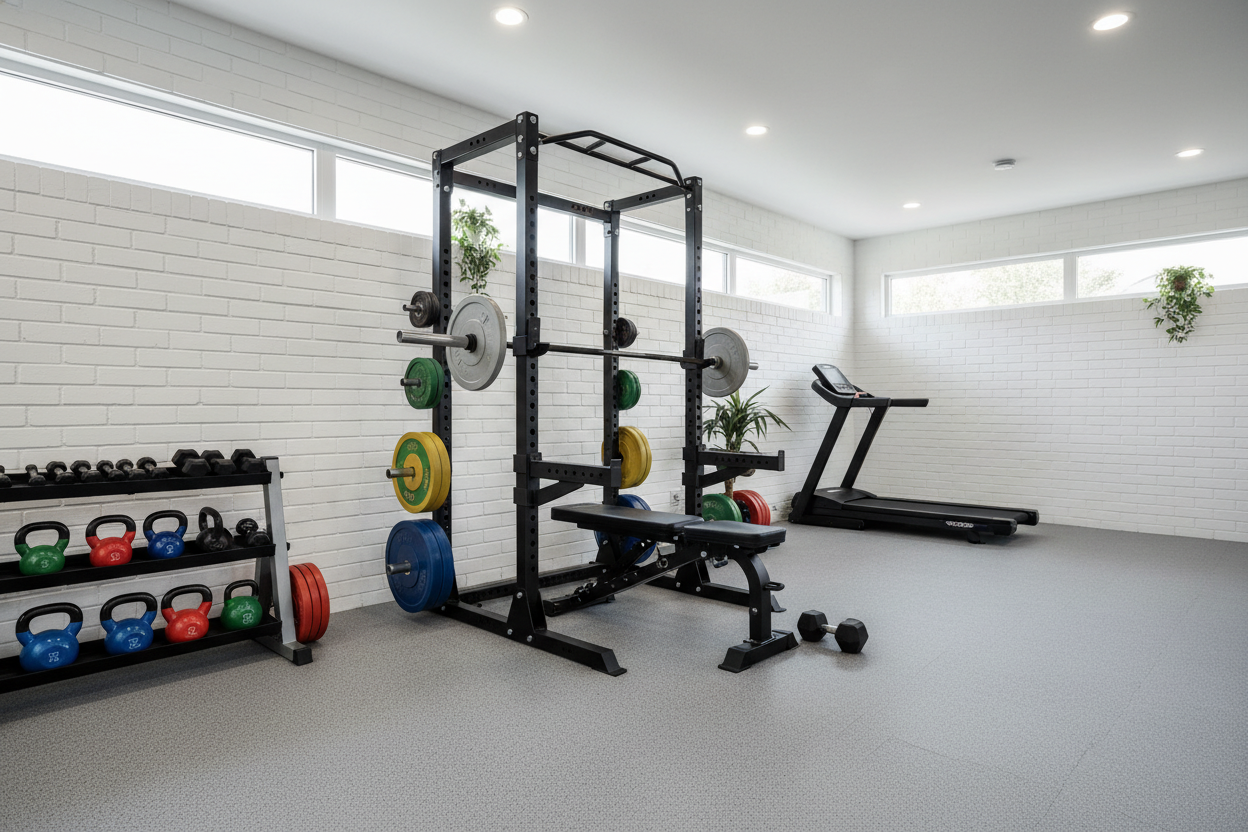
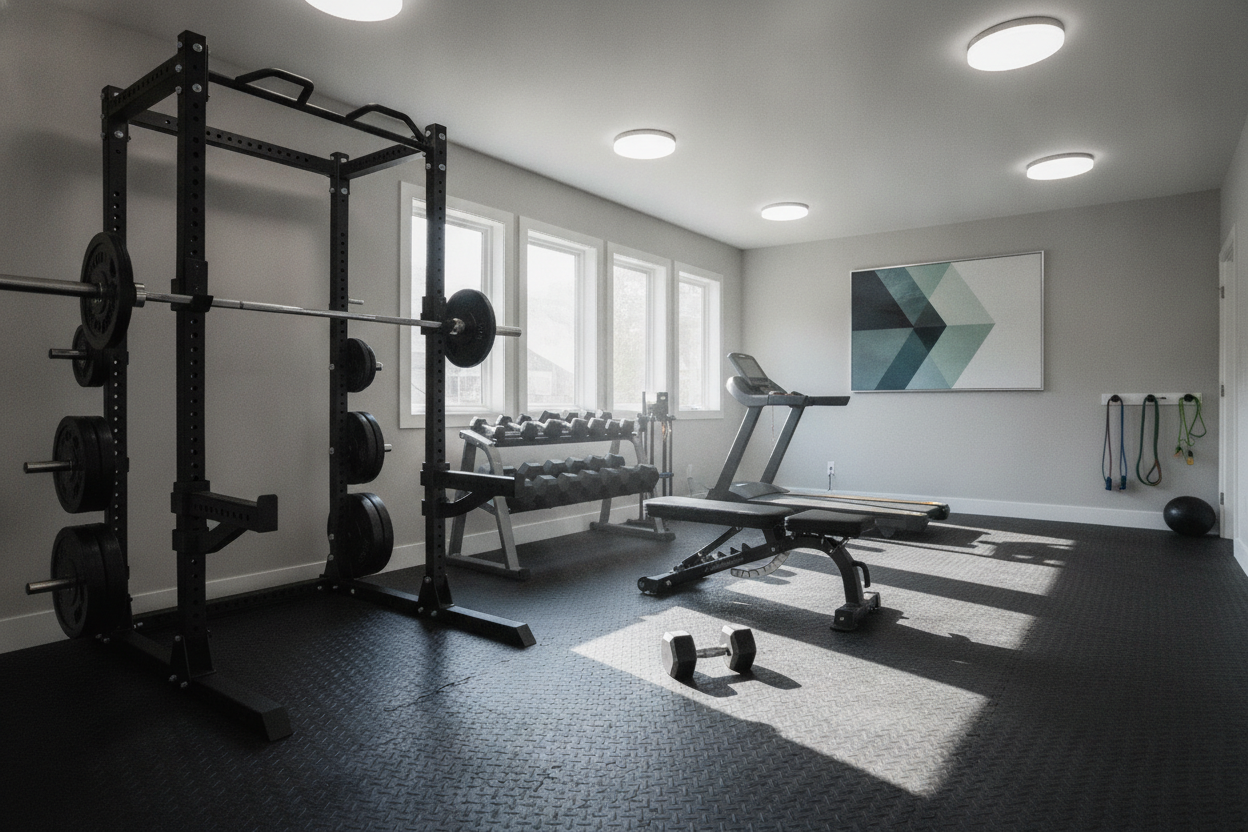
In terms of equipment, you don't need a $3,000 power rack to get started. If you're training at home, the most important thing is a safe, stable surface. I always recommend a heavy-duty 6x8 exercise mat to give you enough space to move and protect your subfloor from dropped weights. Once you have a grippy surface and a bit of resistance, you’re ready to go. Focus on adding five pounds to the bar or one extra rep to your sets every week. That is the essence of progressive overload, and it’s the only 'secret' that actually works long-term.
When to Finally Upgrade Your Routine
Don't jump to a new program just because you saw a cool video or you're feeling a bit bored. You should milk a basic program for every ounce of progress it’s worth. You’ll know it’s time to move on when you’ve hit a genuine plateau—meaning you haven't been able to add weight or reps for three or four weeks in a row, despite sleeping eight hours and eating enough protein. For most people, this takes six months to a year of dedicated training. Once you’ve built that base, you can explore a collection of free workout plans to find a more specialized path.
My biggest mistake was switching programs every month. I’d do 'Starting Strength' for three weeks, get bored, and switch to a bodybuilding split. I ended up with mediocre results in everything and great results in nothing. It wasn't until I stuck to a boring, basic 5x5 plan for six months straight that I finally saw my deadlift jump by 100 pounds. Discipline is doing the same effective thing over and over again until it stops working, not chasing the 'new' thing every Monday.
How long should a beginner workout take?
Usually 45 to 60 minutes. If you’re spending two hours in the gym as a novice, you’re likely doing too much 'junk volume' or spending too much time on your phone between sets.
Do I need to do cardio too?
It helps, but don't let it interfere with your lifting. A 20-minute brisk walk or a light bike ride on your off days is plenty for heart health without killing your recovery.
What if I can't do a pull-up yet?
Start with lat pulldowns or seated cable rows. The goal is to build the pulling strength in your back and lats. You can also use resistance bands to assist your pull-ups until you can do them bodyweight.