Why the Proper Diet for Gaining Muscle Doesn't Cost $200 a Week
I remember standing in the grocery aisle, staring at a $14 jar of artisanal almond butter and wondering if this was the 'entry fee' for a 405-lb squat. It isn't. I’ve spent years loading plates in my garage and even more time figuring out how to fuel that work without draining my bank account. The proper diet for gaining muscle isn't about luxury; it's about logistics and caloric density.
Quick Takeaways
- Calories are the primary driver of growth; don't overpay for 'superfoods.'
- High-quality protein doesn't have to mean expensive cuts of steak.
- Digestibility is the secret to eating enough volume without bloating.
- Consistency beats a complex, expensive meal plan every single time.
The $200 Grocery Cart Mistake Keeping You Small
The fitness industry loves to sell you the idea that 'clean eating' requires a trust fund. They want you buying organic asparagus, zero-carb konjac pastas, and $80 tubs of grass-fed isolate that tastes like chalk. These things don't build muscle; they just make you broke. If you're struggling to put on weight, your problem isn't a lack of organic kale—it's a lack of total energy.
I see guys all the time trying to bulk on 'clean' foods that are so high in fiber they feel full after 1,500 calories. You can't grow on 1,500 calories, no matter how 'pure' they are. Stop wasting money on overpriced supplements that claim to be a 'shortcut' to hypertrophy. Real tissue growth comes from cheap, boring, consistent calories that your body can actually process and use.
So, What Is the Best Diet for Building Muscle?
People ask me 'what is the best diet for gaining muscle' like there’s some secret formula hidden in a PDF. The truth is much simpler: you need a caloric surplus, roughly 0.8g to 1g of protein per pound of body weight, and enough carbohydrates to fuel your training. Simplicity is the common thread among the best diets for building muscle mass.
When you're looking for the best diet for building muscle, ignore the trendy names like keto or carnivore for a second. Focus on mechanical digestion. If a food makes you feel sluggish or bloated for four hours, you won't be able to eat your next meal. That’s a failed bulk. You want foods that move through you efficiently so you can hit your numbers day after day.
The 'Peasant Food' Framework for Mass
The most jacked guys I know eat like 19th-century farmers. We're talking white rice, potatoes, eggs, and 80/20 ground beef. White rice is the ultimate muscle-building fuel because it’s incredibly cheap and digests almost instantly. It’s the perfect vehicle for calories. While some argue that steak and rice actually the best meal for muscle gain, I’d argue that ground beef is the more practical choice for most of us. It's easier to chew, easier to prep in bulk, and significantly easier on the wallet.
Potatoes are another heavy hitter. They provide the potassium and micronutrients you need to keep your muscles from cramping during a heavy set of squats. Combine these staples with a few dozen eggs a week, and you have a foundation for growth that costs less than a single night out at a steakhouse.
Building a Fast Muscle Growth Diet That Doesn't Rule Your Life
A fast muscle growth diet shouldn't require you to live in your kitchen. If you're cooking six separate meals a day, you're going to burn out. My answer to 'what is the best diet to gain muscle' for the busy lifter is the 'Rule of Four.' Four big meals, one simple shake. Breakfast is four eggs and a massive bowl of oats. Lunch and dinner are 8oz of meat with two cups of rice. Your fourth meal is a pre-bed snack like Greek yogurt or cottage cheese.
This layout ensures you’re hitting your macros without constant stress. You can meal prep the rice and beef in 45 minutes on a Sunday. If you want to see progress, you have to treat your nutrition with the same discipline you use for your training program. No missed sessions, no missed meals.
Your Kitchen Setup Should Match Your Garage Gym
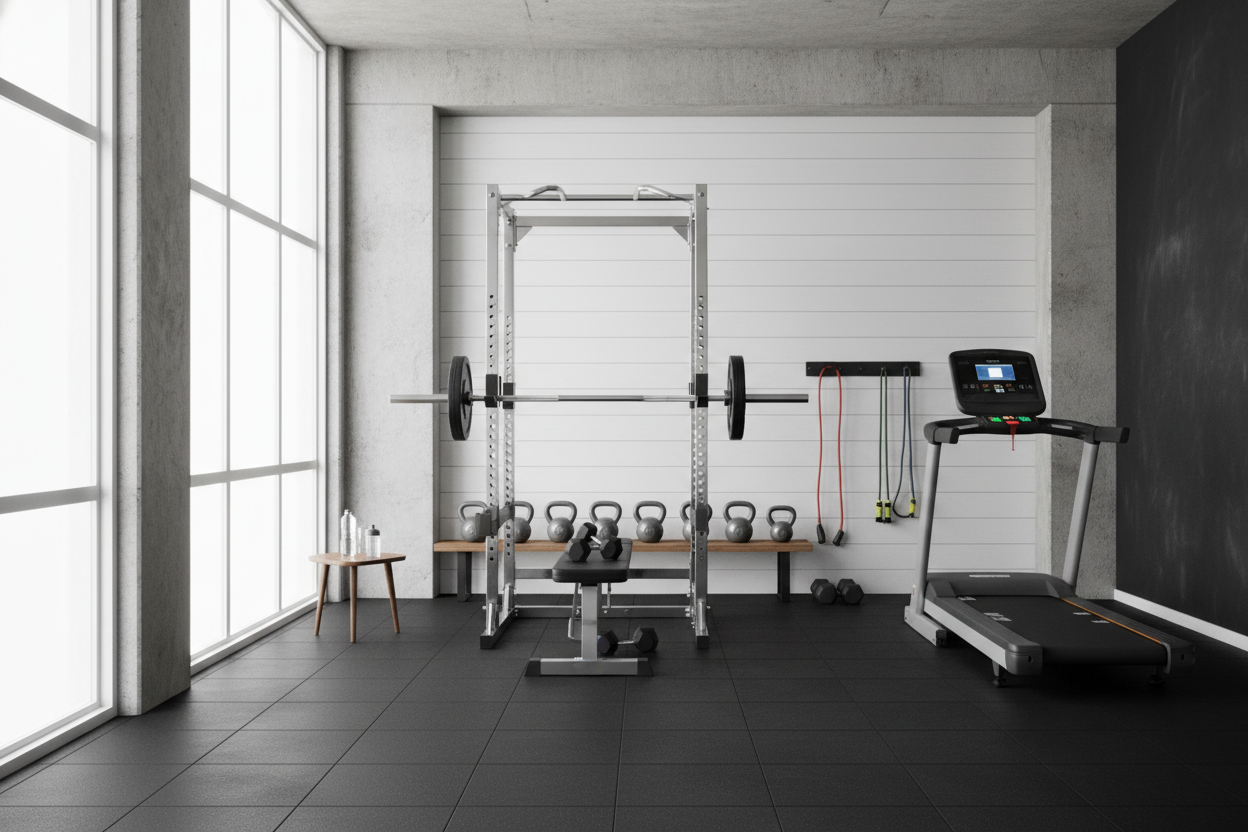
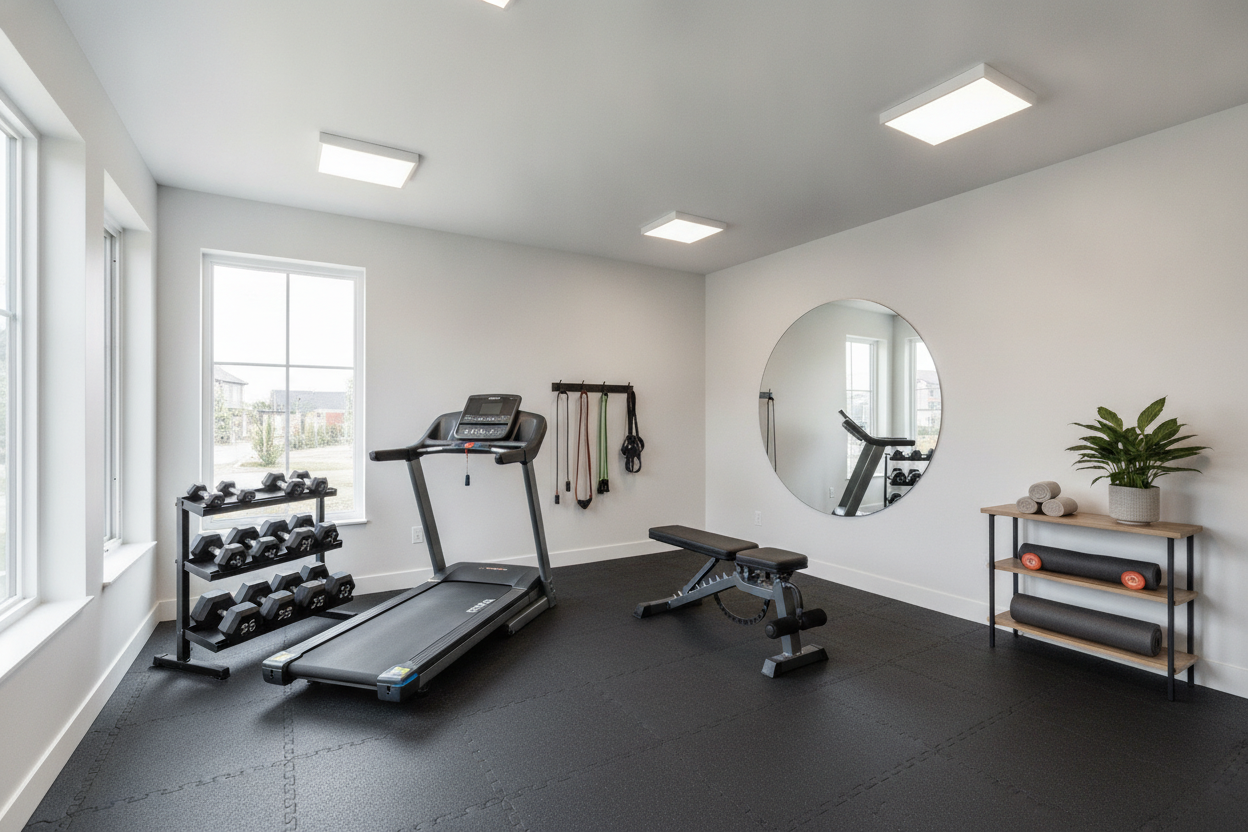
I’m a big believer in the 'basics only' philosophy. You don't need a $5,000 cable machine to get big—you need a barbell and some heavy plates. Your kitchen is the same. A solid rice cooker and a cast iron skillet will do more for your physique than any fancy gadget. After I finish a brutal session, I usually spend ten minutes on my large exercise mat for home gym for some basic mobility work before heading straight to the kitchen. Recovery starts the second the bar is racked.
Don't overcomplicate the process. Buy in bulk, cook in bulk, and eat with purpose. The gains will follow the effort, not the price tag on your grocery receipt.
Personal Experience: The 'Clean' Bulking Trap
A few years back, I tried to bulk using only 'clean' foods—think brown rice, chicken breast, and mountains of broccoli. I was spending a fortune and felt like a bloated balloon all day. I couldn't even finish my workouts because my digestion was so backed up. The day I switched to white rice and ground beef, my strength skyrocketed. I was finally able to hit my 3,500-calorie goal without feeling like I was in a food coma. Don't let 'health' marketing stop you from getting the calories you need to grow.
FAQ
How much protein do I actually need?
Keep it simple: 1 gram per pound of body weight. If you weigh 200 lbs, eat 200 grams of protein. Going way over that won't build more muscle; it'll just make your grocery bill more expensive.
Is white rice better than brown rice for bulking?
For most people, yes. Brown rice has more fiber and takes longer to digest. When you're trying to eat 3,000+ calories, that extra fiber can make you too full to eat your next meal. White rice is easier on the gut.
Do I need to eat every 3 hours?
No. Total daily calories and protein are what matter most. If you prefer three large meals or five smaller ones, do what fits your schedule. The best diet is the one you can actually stick to for six months straight.