Why the Empty Bar is Your Best Teacher (And How to Finally Load It Up)
Walking into the free weights section of a gym can feel like stepping onto a different planet. The air smells of chalk and old iron, and the sound of heavy metal plates clanking together echoes off the walls. For years, I avoided this area, sticking to the safety of selectorized machines where instructions were printed right on the plastic casing. I was terrified of looking foolish or, worse, hurting myself. But the truth is, the fastest way to build real, functional strength isn't found in a machine that isolates your muscles; it's found in the simple, brutal effectiveness of barbell training. If you want to get strong, you have to get comfortable with the iron.
The beauty of the barbell lies in its instability. Unlike a machine that runs on a fixed track, a barbell forces you to stabilize the load yourself. This recruits more muscle fibers and builds a type of coordination that translates directly to real-world activities. However, before you start piling on the plates, you have to respect the equipment. The standard Olympic bar isn't just a metal stick; it's a calibrated tool designed to handle massive loads while spinning to protect your wrists. Understanding how to handle this tool is step one.
The Humbling Reality of the Empty Bar
My first experience attempting a proper squat was a disaster of ego. I walked up to the rack, ignored the empty bar, and immediately slid 25-pound plates on each side. I assumed that because I was an adult male, the empty bar was beneath me. I was wrong. My form collapsed, my knees caved in, and my lower back screamed in protest. I racked the weight, stripped it all off, and started over.
There is zero shame in training with just the bar. In fact, it is a requirement for mastery. A standard Olympic barbell weighs 45 pounds (20 kilograms). That is a significant amount of weight to move if your stabilizers are undeveloped or your mobility is restricted. When you lift bar weight alone, you get immediate feedback on your movement patterns. If the bar tilts to the left, your left arm is lagging. If the bar travels forward during a squat, your ankle mobility needs work. The empty bar doesn't lie, and it doesn't care about your ego.
Understanding Your Equipment
Before you execute a weight lift barbell routine, you need to know what you are holding. The anatomy of the bar matters. The rough, cross-hatched sections are called knurling; they provide friction so your grip doesn't slip when your palms get sweaty. The smooth rings within the knurling are guide marks to help you space your hands evenly. The ends of the bar, where the weights go, are called sleeves. These sleeves contain bearings or bushings that allow the weights to spin independently of the bar. This spin is vital. If you lift bar with weights and the plates don't spin, the inertia of the rotating plates would twist the bar right out of your hands or wreck your wrists.
The Big Three: Where to Start
You don't need a hundred different exercises. You need three to five compound movements done with exceptional form. The squat, the deadlift, and the bench press form the holy trinity of strength training. These movements work the entire body as a system rather than a collection of parts.
The squat is often called the king of exercises for a reason. It requires you to balance the load across your upper back while descending until your hips are below your knees. This recruits everything from your calves to your traps. The deadlift is perhaps the most primal movement: pick a heavy object up off the floor. It builds a bulletproof back and powerful hamstrings. The bench press develops upper body pushing strength. In all three instances, your focus shouldn't be on the weight initially, but on the path of the bar. It should generally travel in a vertical line over your center of gravity.
Progressive Overload and Adding Weight
Once you can control the empty bar for sets of 10 to 12 repetitions with perfect form, it is time to introduce external load. This is where weightlifting bar weights—commonly known as plates—come into play. Standard plates are color-coded in competitive settings (red for 25kg, blue for 20kg, etc.), but in most commercial gyms, you will be dealing with iron or rubber-coated plates ranging from 2.5 pounds up to 45 pounds.
The concept you must follow is progressive overload. This means gradually increasing the stress placed on the body during training. You might add 5 pounds to the bar each week. It sounds slow, but over a year, that adds up to a massive increase in strength. Do not rush this process. When you lift bar with weights that are too heavy too soon, your form breaks down. Bad form reinforces bad habits, and bad habits eventually lead to injury.
The Role of Collars and Safety
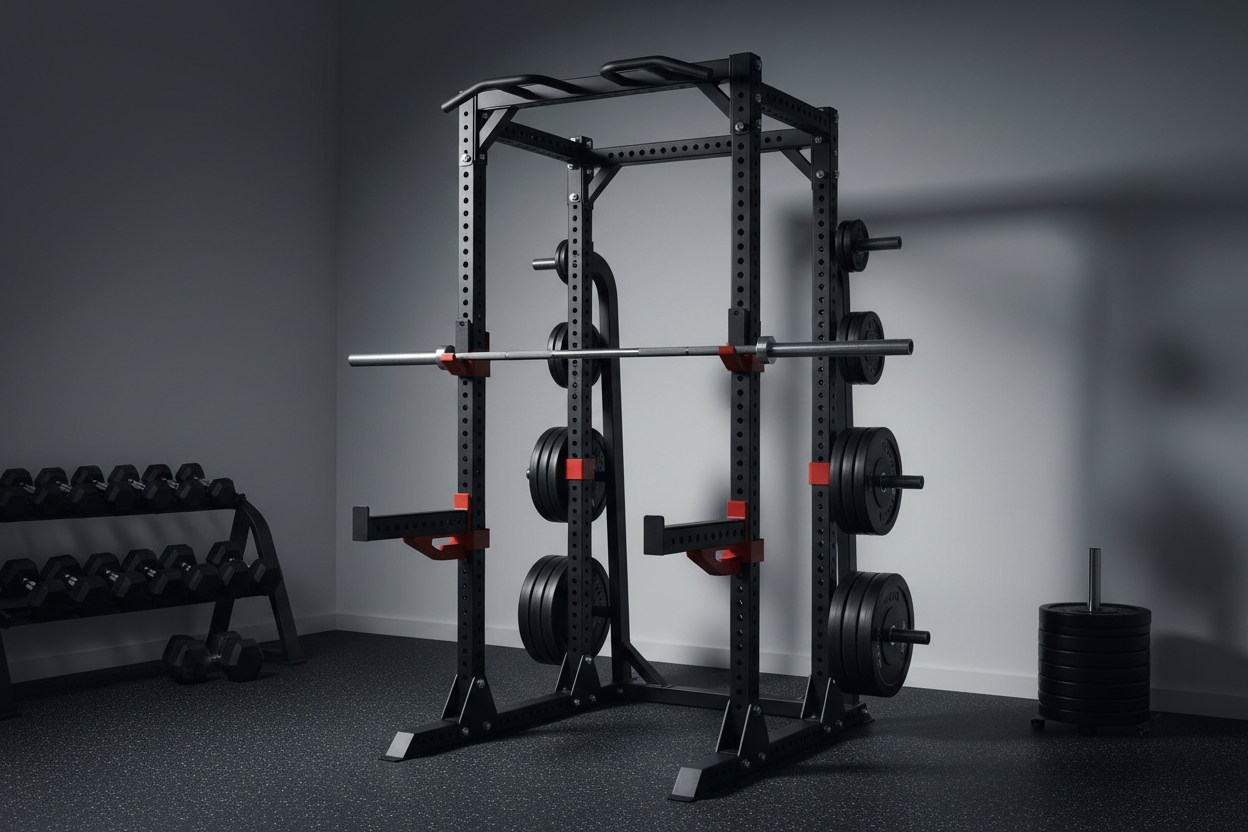
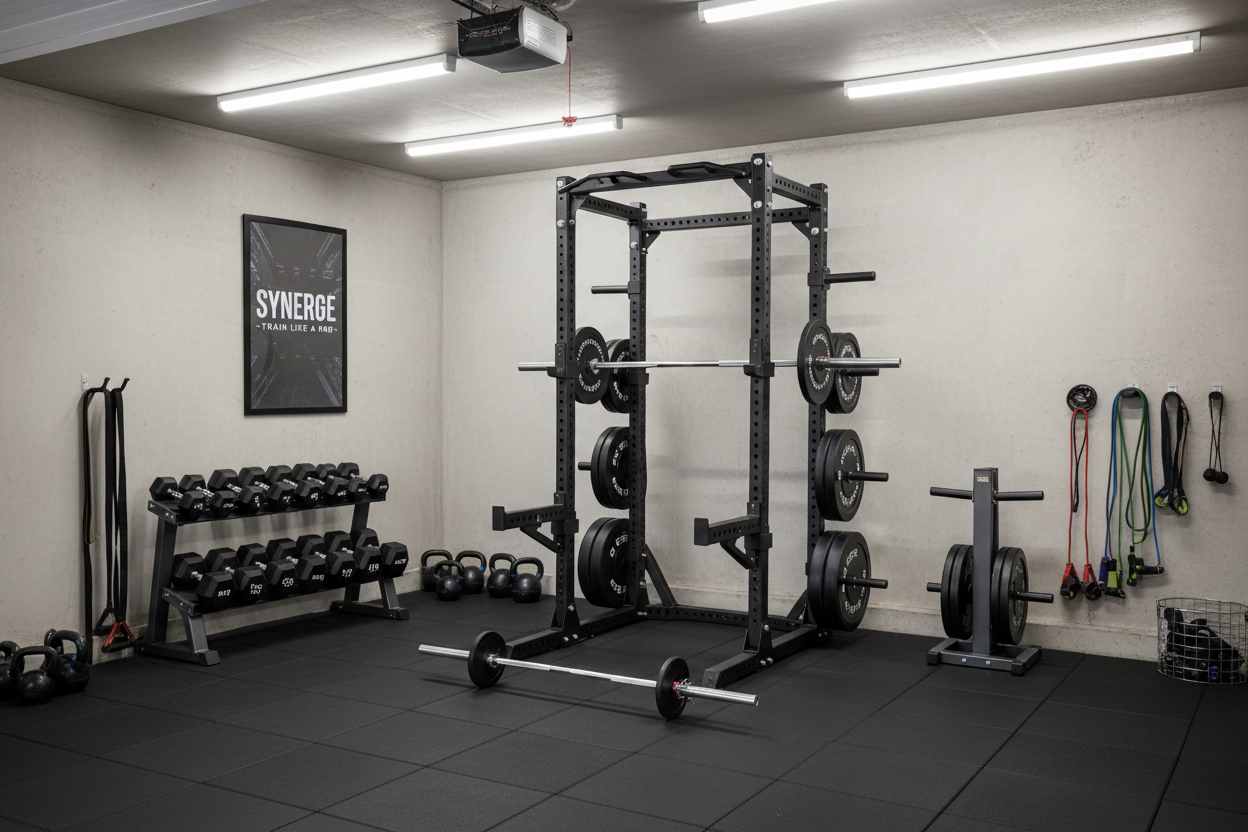
A common mistake beginners make is forgetting to secure the plates. Always use collars (clips) to keep the weightlifting bar weights from sliding. If you are squatting and you lose your balance slightly, an unsecured plate can slide an inch. That shift in weight causes the bar to tilt, causing the plate to slide further, creating a catastrophic seesaw effect. The only exception to this rule is the bench press when you are lifting alone without a spotter; in that specific, rare scenario, leaving collars off allows you to dump the weights if you get pinned. However, the better solution is to always ask for a spotter or use a power rack with safety pins set at the appropriate height.
Respect the Iron
Fitness isn't about flashing lights or complex machinery. It is about the relationship between you and gravity. The barbell is the most honest tool in the gym. It weighs exactly what it says it weighs. It doesn't help you lift it, and it doesn't cheat. Whether you are struggling to lift bar weight on its own or you are loading up for a new personal record, the principles remain the same: tension, stability, and patience. Treat every repetition with focus, regardless of how much iron is on the ends of the bar, and the strength will follow.
FAQ
How much does a standard gym barbell weigh?
Most commercial gyms use standard Olympic barbells that weigh 45 pounds (approx. 20.4 kg). However, some gyms offer "women's bars" or technique bars that can weigh 35 pounds (15 kg) or even as little as 15 pounds for beginners learning form.
Do I need gloves to lift weights?
Generally, no. While gloves prevent calluses, they can actually make the bar harder to grip by increasing the diameter of what you are holding. Developing natural calluses helps protect your hands and improves your connection to the knurling for a safer lift.
What should I do if I can't lift the empty bar yet?
This is very common and nothing to be embarrassed about. You can start by using fixed-weight barbells (often found on a separate rack) which start as light as 20 pounds, or use dumbbells to build up your base strength until you are ready for the Olympic bar.