Why the Best Weightlifting Gyms Ignore 90% of Modern Fitness Trends
I remember walking into a luxury 'athletic club' downtown last year. The lobby smelled like expensive citrus and the towels were fluffier than my pillows at home. But when I asked where the deadlift platform was, the trainer looked at me like I’d just asked to slaughter a goat in the yoga studio. I realized then that finding the best weightlifting gyms isn't about the perks; it is about the raw utility of the space.
- Chalk is treated like a tool, not a crime scene.
- Platforms are made of solid oak and high-impact rubber, not carpeted concrete.
- The barbells actually spin, and the knurling doesn't feel like smooth plastic.
- The membership doesn't include a 'lunk alarm.'
The Illusion of the Megagym
Corporate fitness chains have spent the last decade perfecting the art of the 'lifestyle' facility. They want you to feel like you're at a spa, not a training hall. You get towel service, a juice bar that charges twelve bucks for a protein shake, and enough cardio equipment to power a small city. But if you are looking for the best gym for strength training, these amenities are usually a distraction from a lack of real hardware.
In these megagyms, you will often find twenty treadmills but only two power racks. You will see people being told to stop 'clanging the weights' because it disturbs the person on the elliptical watching HGTV. A real strength facility doesn't care about your comfort in the locker room; it cares about your stability under a 400-pound bar. When the floor is covered in plush carpet and the lighting is designed for selfies rather than focus, your training suffers. The best gym for strength training is often tucked away in an industrial park, smells slightly of sweat and old iron, and has a membership cap that ensures you never have to wait thirty minutes for a squat rack.
What Real Iron Sanctuaries Actually Get Right
The best weightlifting gyms prioritize the floor plan for performance. This means dedicated areas for the 'big three' lifts and enough space to drop a heavy snatch without hitting a passerby. You won't find flimsy cable circuits taking up the prime real estate. Instead, a true iron gym selects heavy-duty, plate-loaded weight lifting machines that can actually handle 450-pound loads without the frame shaking like a leaf in a storm.
I look for things like 8-foot by 8-foot platforms with enough rubber thickness to save the subfloor. I look for specialized bars—not just the generic 'beater' bars you find at the mall. A real gym has dedicated 20kg Olympic bars for the fast lifts and 29mm stiff power bars for the slow ones. They have chalk bowls every ten feet because they know that grip is the first thing to fail when you're pushing a PR. These facilities understand that the 'best gym for weight lifting' is defined by its ability to let you train at 100% intensity without worrying about breaking the equipment or the rules. They invest in 3x3-inch 11-gauge steel power racks that are bolted to the floor, ensuring that when you rack a heavy set of squats, the whole unit doesn't shift six inches backward.
Equipment Over Aesthetics
I’ve trained in gyms with gold-plated dumbbells and gyms with rusted plates that were older than me. I’ll take the rust every time if the weight is accurate. When you are looking for the best gym for weightlifting, you need to look at the plates. Are they calibrated? Do they have a tight tolerance? If a 45-pound plate actually weighs 42 pounds, your programming is a lie. The best facilities invest in machined iron or competition-grade bumpers.
Beyond the plates, look at the variety of bars. If a gym only has one type of barbell, they aren't serious about your progress. You need specialty bars like the Safety Squat Bar (SSB) to save your shoulders or a Cambered Bar to build stability. When you are choosing the best strength and weight training equipment for your goals, you realize that the facility's gear is your primary toolset. If the knurling on the bars is worn down to a smooth shine, you're going to be fighting the equipment more than the weight. The best gyms keep their gear maintained, their bearings oiled, and their racks straight.
The Vibe Check: Spotting a Real Strength Community
You can tell a lot about a gym by what happens when someone misses a lift. In a corporate chain, people stare or look away awkwardly. In the best gyms for weight lifting, the music stops, two people run over to make sure you're okay, and then they tell you to get back under it. The culture of a gym dictates your progress more than the air conditioning ever will. It is an environment where the strongest person in the room is also the most helpful.
Etiquette in these places is different. It’s not about being 'polite' in the traditional sense; it’s about respect for the iron. You strip your plates, you wipe your chalk off the bar, and you don't walk in front of someone mid-set. I always tell people that the best gym advice for beginners isn't about lifting weights, but understanding gym culture. If you respect the space and the effort of others, you'll be welcomed into the fold. A hardcore gym isn't about being 'mean' or 'intimidating'; it’s about a shared obsession with getting stronger. If you see a group of people cheering on a 200-pound deadlift with the same energy they give a 600-pound pull, you’ve found the right place.
How to Filter Out the Fluff in Your City
Finding the best gyms for weight lifting near you requires some detective work. Don't trust the sponsored Instagram ads with the models who have never broken a sweat. Instead, hit the local subreddits or powerlifting forums. Search for 'black iron' or 'warehouse' gyms. These places usually have terrible websites because they spend their money on new bars instead of SEO specialists. Go for a trial pass on a Monday at 6:00 PM—that is the true test of any facility. If the squat racks are full of people doing bicep curls, keep moving.
Look at the small details. Does the gym have a communal bucket of liquid chalk? Do they provide strength training accessories like dip belts, specialized grips, and fractional plates? If you see 1.25-pound plates lying around, you know they care about progressive overload. A gym that provides the 'extras' like ammonia inhalants or extra-long deadlift jacks is a gym run by people who actually train. If the staff is more interested in selling you a personal training package than showing you where the spare collars are, it is a sign that the facility's priorities are skewed toward profit rather than performance.
When to Give Up and Build Your Own
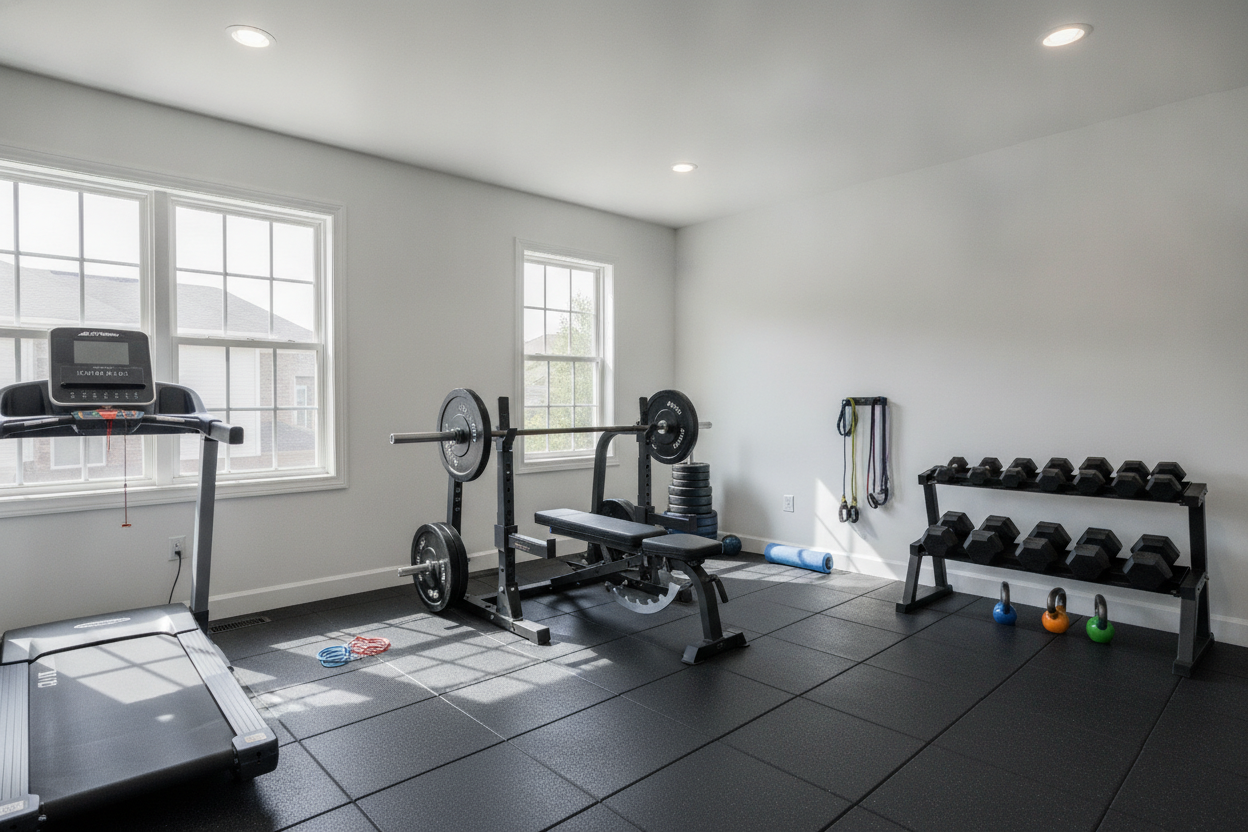
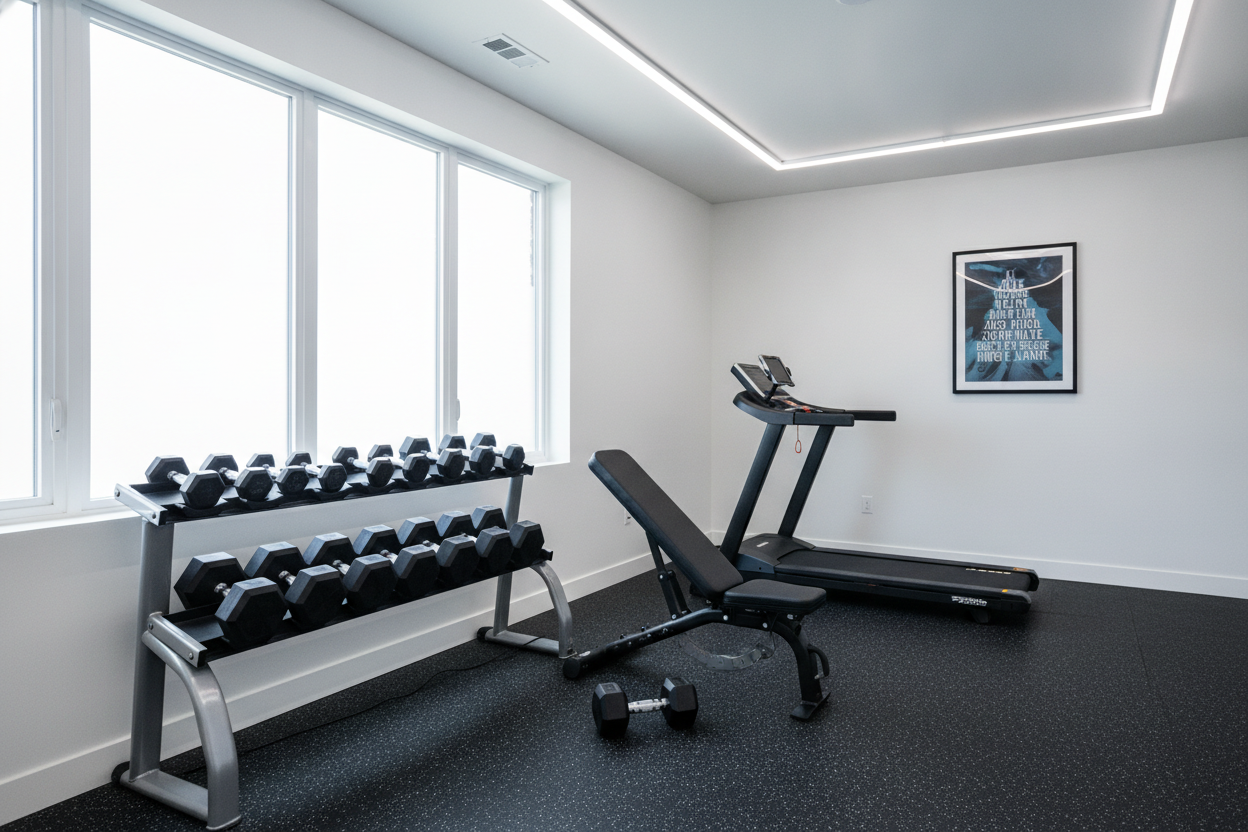
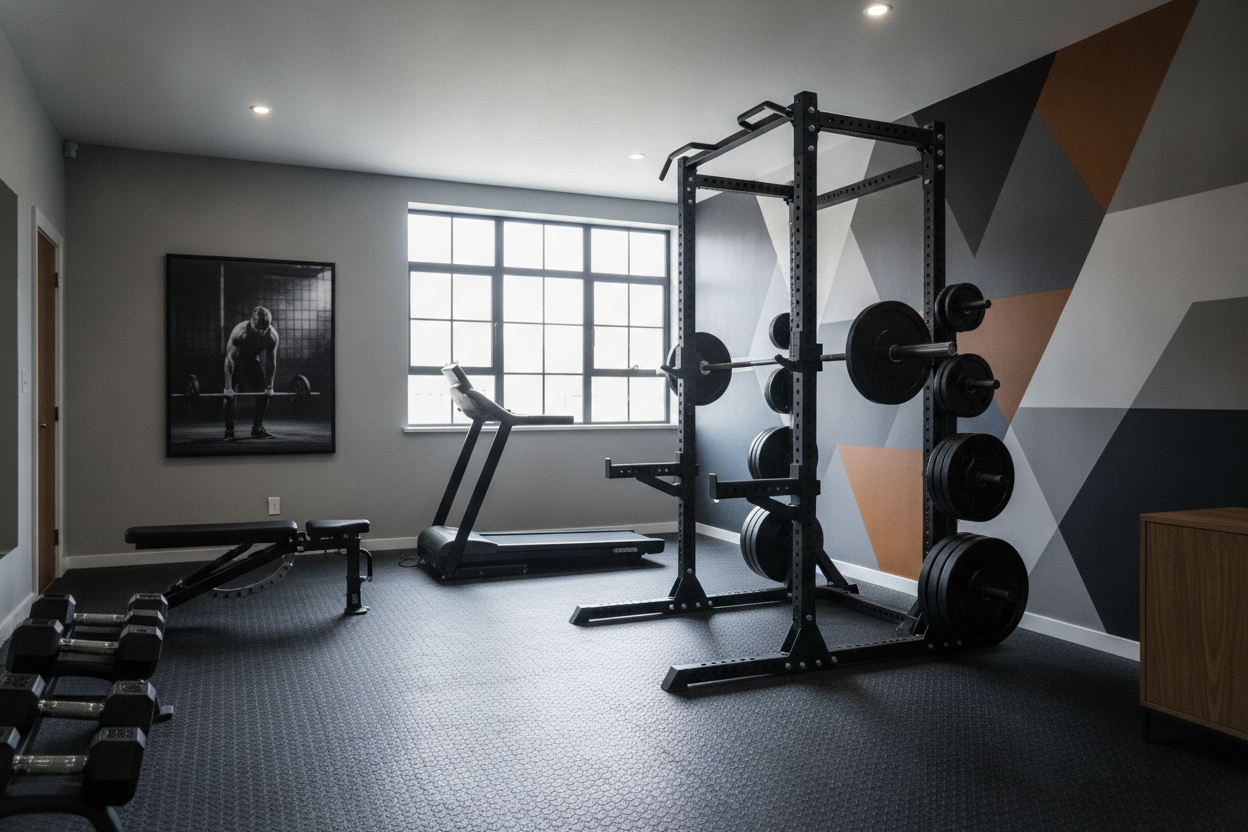
Sometimes, the commute to the best gym for weight lifting just isn't sustainable. If you're driving 45 minutes each way to find a decent platform, you're losing 90 minutes of recovery time every session. There comes a breaking point where the 'vibe' of a public gym isn't worth the logistical headache. This is usually when I tell people to start looking at their garage or spare bedroom. If you have a 6x8 foot space, you can build a setup that rivals most commercial gyms.
Building a home gym is the ultimate act of training autonomy. You choose the bar, you choose the plates, and you never have to wait for a rack. While you lose the community aspect, you gain the ability to train at 2:00 AM if that's what your schedule requires. If your local options are limited to 'fitness centers' that ban chalk and deadlifts, stop wasting your membership dues. Invest that money into a solid rack and a barbell that will last a lifetime. In the end, the best weightlifting gym is the one where you can actually put in the work without compromise.
Personal Experience: The 'Functional' Nightmare
I once joined a gym that advertised 'elite strength conditioning.' On my first day, I loaded up 315 for some moderate sets of five on the deadlift. After my first rep, a manager ran over and told me I was 'endangering the structural integrity of the building' by dropping the weights. I pointed out the 'Elite' sign on the door, cancelled my membership on the spot, and finished my workout in my driveway. That mistake cost me a sign-up fee, but it taught me to always check the floor and the 'rules' board before handing over my credit card. If they don't let you train like an athlete, they don't deserve your money.
FAQ
Should I join a gym that doesn't allow chalk?
No. If they don't allow chalk, they don't understand heavy lifting. Using liquid chalk is a workaround, but a 'no chalk' policy usually indicates a 'no heavy lifting' culture.
Are 'hardcore' gyms intimidating for beginners?
Usually the opposite. Real strength gyms are full of people who remember exactly how hard it was to start. You will get better advice in a warehouse gym than you will from a 'certified' trainer at a corporate chain.
Is a sauna necessary for a weightlifting gym?
It’s a nice-to-have, but it doesn't build a total. If I have to choose between a sauna and a second deadlift platform, I'm taking the platform every single time.