Why the Best Meal for Muscle Building Only Takes One Skillet
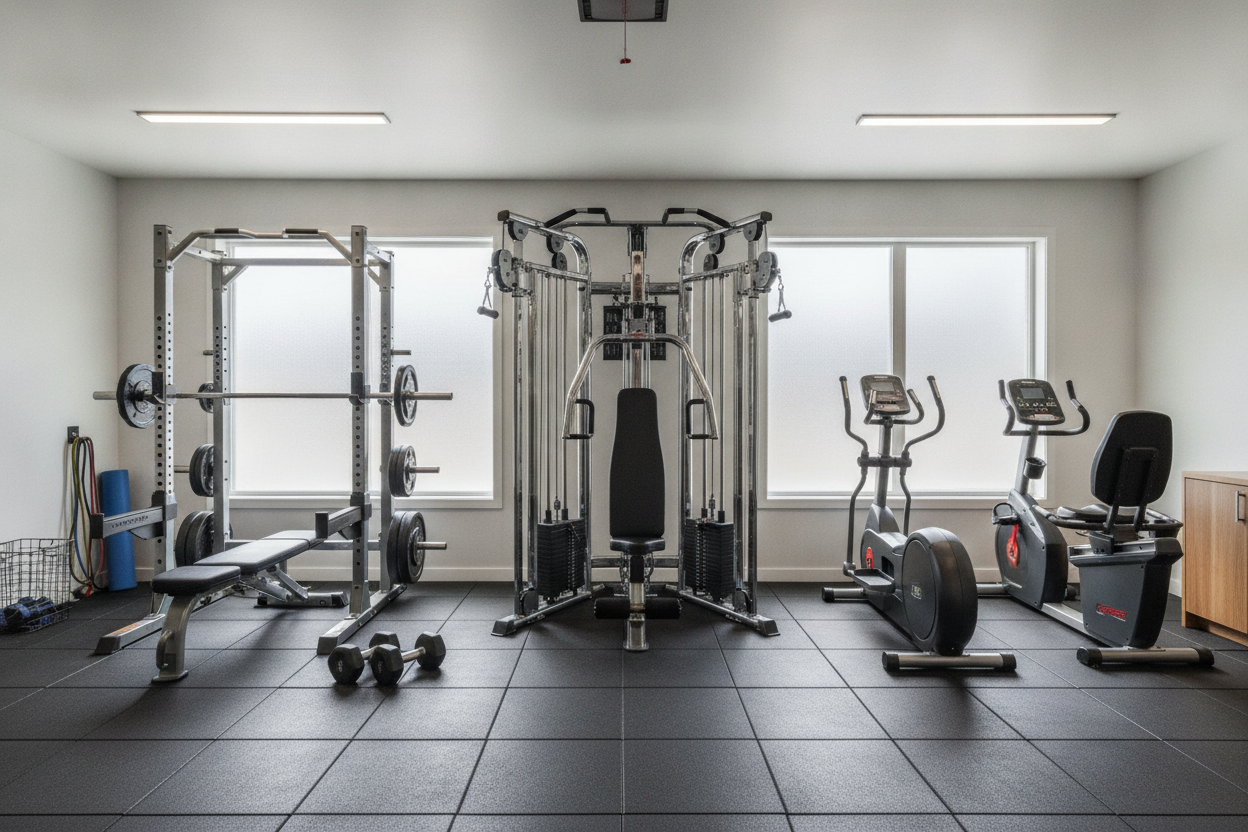
I have spent far too many nights standing in my garage, staring at a half-dissolved scoop of protein powder floating in a shaker bottle, feeling like I am failing. We are told by every supplement company on the planet that if we do not hit that magical 'anabolic window' with a liquid shake within thirty seconds of our last set, our gains will evaporate. It is a lie designed to sell you cheap dairy byproducts at a premium price.
After years of testing every recovery method under the sun, I have realized that the best meal for muscle building is not found in a plastic tub with a neon label. It is found in a heavy cast-iron skillet, cooked in fifteen minutes, and eaten with a real fork. If you want to actually grow, you need to stop treating your body like a science experiment and start treating it like a high-performance machine that requires high-octane fuel.
- Whole foods provide superior satiety and micronutrient profiles compared to powders.
- Ground beef offers essential fats and minerals that chicken breast lacks.
- White rice or potatoes provide the fast-digesting glucose needed for glycogen replenishment.
- One-skillet meals reduce 'kitchen friction,' making it easier to stay consistent with your bulk.
Ditching the Anabolic Window for Real Food
The obsession with liquid nutrition is one of the biggest hurdles for home gym owners. We finish a brutal session, and instead of letting our nervous system settle down, we rush to chug a chalky mixture that leaves us bloated and still hungry an hour later. The truth is, your body is primed for nutrients for hours after a workout, not just minutes. The best meals for building muscle are those that provide a sustained release of amino acids and a dense hit of calories that your body can actually use to repair tissue.
I have found that sitting down to a hot meal of beef and rice does more for my recovery than any 'hydrolyzed' supplement ever could. When you eat real food, you get the co-factors—the vitamins and minerals—that facilitate protein synthesis. Shakes are a supplement, not a foundation. If you are serious about your physique, you need to prioritize the best meal to build muscle: a plate of food that looks like it belongs on a dinner table, not in a laboratory.
The Anatomy of a 15-Minute Mass Skillet
The beauty of the mass skillet is simplicity. You do not need a culinary degree; you just need heat and a heavy pan. You can invest thousands in high-end equipment for muscle building, from calibrated plates to specialty bars, but that gear is only as effective as your recovery. If you are tearing your fibers down on a Saturday morning and then skipping a real lunch because you are 'too busy,' you are wasting your time in the gym.
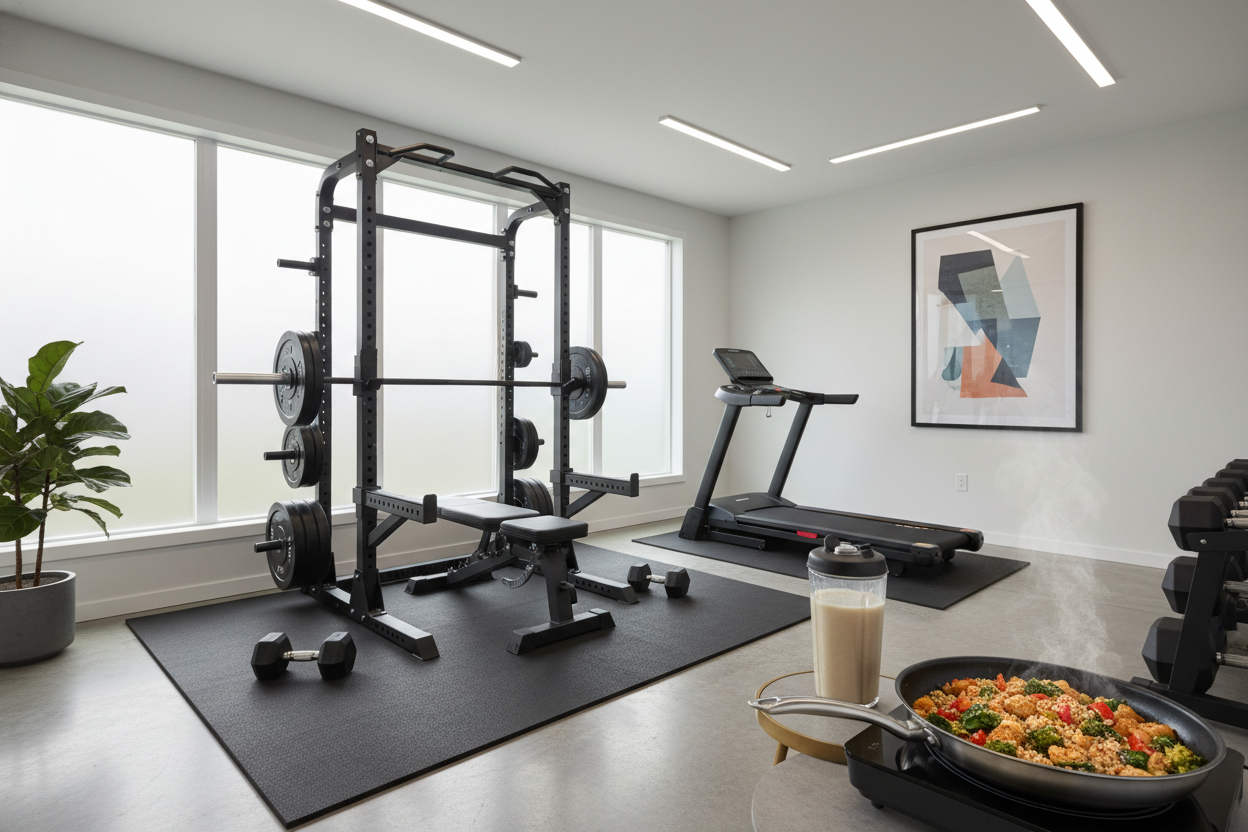
My go-to skillet is a 1:1 ratio of high-quality ground protein and a fast-acting starch. I aim for roughly 800 to 1,000 calories in this single sitting. This is the best food to eat when building muscle because it hits the perfect macro balance: roughly 50g of protein, 80g of carbs, and 30g of healthy fats. It is dense, it is delicious, and it digests easily enough that you will not feel like a lead weight for the rest of the afternoon.
The Protein: Why I Chose Beef Over Chicken
Chicken breast is the darling of the fitness industry because it is lean, but when you are trying to grow, lean is not always better. Ground beef is the best food for building mass because it is naturally loaded with creatine, heme iron, and B12. These are the sparks that fly in your metabolic engine. I usually opt for 85/15 or 90/10 ground beef. The extra fat content provides the hormonal support necessary for heavy lifting and keeps the meat from turning into dry, unswallowable pebbles in the pan.
The Carbs: Fast-Digesting Starches
Post-workout is the only time I advocate for 'white' starches over their whole-grain cousins. I want that rice or those diced potatoes to hit my bloodstream fast. When you cook them in the same pan as the beef, the starches soak up the rendered fat and juices. This makes the meal incredibly palatable. You are not just eating dry rice; you are eating rice seasoned by the beef itself. It provides the immediate glycogen replenishment your muscles are screaming for after a high-volume session.
Timing This Plate Around Heavy Garage Sessions
My routine is clockwork. I finish my final set, spend five minutes wiping the puddle of sweat off my 6x8ft exercise mat, and head straight to the kitchen. By the time I have showered, the skillet is hot. There is a psychological benefit to this, too. Cooking your own recovery meal marks the official end of the training session. It transitions your brain from 'fight' mode to 'grow' mode.
This is especially critical after a day dedicated to leg muscle building exercises for mass. Squats and lunges drain your system like nothing else. If you try to recover from a heavy leg day on a salad or a light snack, your central nervous system will stay fried for forty-eight hours. You need the heavy hitters. You need the beef, the salt, and the starch to signal to your body that the famine is over and the building can begin.
Personal Experience: The Chicken and Broccoli Trap
I used to be the guy who prepped twelve identical Tupperware containers of dry chicken and steamed broccoli every Sunday. By Wednesday, the chicken tasted like a gym shoe, and I was so bored with my diet that I would end up ordering pizza. It was a cycle of 'clean eating' followed by total dietary collapse. Switching to the fresh, daily skillet changed everything. It took the same amount of time as reheating a sad meal prep container, but the food actually tasted good. My strength jumped almost immediately because I was finally eating enough calories to support my intensity.
FAQ
Do I really need to eat immediately after training?
Not within seconds, but within an hour or two is ideal. The goal is to shift your body from a catabolic state (breaking down) to an anabolic state (building up) as efficiently as possible. Real food does this better than a quick spike from a shake.
Is ground beef too high in saturated fat?
For an active lifter, the fat in beef is a valuable energy source and a precursor for testosterone production. If you are worried, drain the excess grease, but do not fear the meat itself. It is a powerhouse for growth.
Can I use white potatoes instead of rice?
Absolutely. Diced white potatoes or even frozen hash browns work perfectly in a skillet. They provide a similar glucose response to white rice and offer a great hit of potassium, which helps with muscle cramping.