Machines Aren't Cheating: The Reality of Weight Lifting Over 65
I remember the morning my lower back decided it was officially done with heavy, low-bar back squats. I was 62, staring at a barbell that looked heavier than it had the week before, and my lumbar felt like a frayed cable about to snap. If you are looking into weight lifting over 65, you have likely had a similar 'oh no' moment. It is the realization that your engine is still strong, but the chassis is starting to rattle.
Quick Takeaways
- Stability is your new best friend; machines provide the safety free weights often lack.
- Ditch the ego-driven 1-rep max attempts in favor of controlled 8-12 rep sets.
- Adjustable, high-capacity gear is non-negotiable for a safe home setup.
- Training three days a week is the sweet spot for muscle retention and joint recovery.
The 'Tough Guy' Trap That Ruins Older Lifters
Trying to replicate the training volume you handled at 30 is the fastest way to a surgeon's office. Many guys my age fall into the trap of thinking that if they aren't 'powerlifting,' they aren't really training. That mindset leads to chronic inflammation and avoidable injuries. Weight training over 65 requires a strategic pivot—not a surrender. It is about choosing movements that offer the highest stimulus with the lowest systemic fatigue.
You do not need to prove anything to the 20-somethings in the commercial gym. Your goal is to stay capable, keep your bone density high, and maintain enough muscle to carry your own mulch bags. If a movement causes sharp joint pain, stop doing it. There is always an alternative that hits the same muscle group without the orthopedic cost.
Why I Finally Learned to Love the Machines
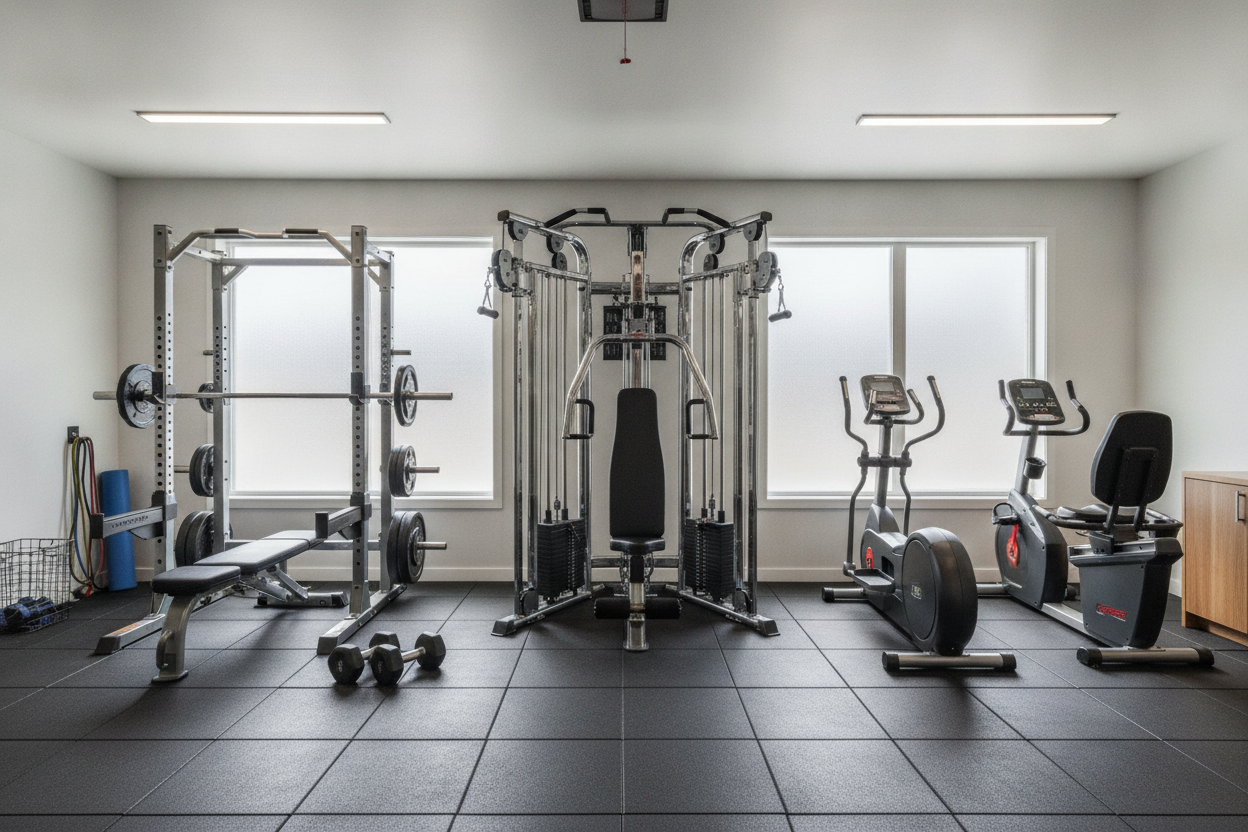
I used to be a total barbell snob. I thought machines were for people who didn't want to work hard. I was wrong. I have come to rely on weight lifting machines because they provide a locked-in range of motion that protects older joints from instability. As we age, our proprioception and stabilizer strength can dip, making a heavy bench press or squat risky if your form wavers for even a second.
Machines allow you to push a muscle to true failure without the fear of being pinned under a bar. A high-quality leg press or chest press machine takes the balance requirement out of the equation, letting you focus entirely on the squeeze. This isolation is a massive advantage when you are trying to maintain mass without stressing your spine or shoulders.
The Non-Negotiable Gear for a Safe Home Setup
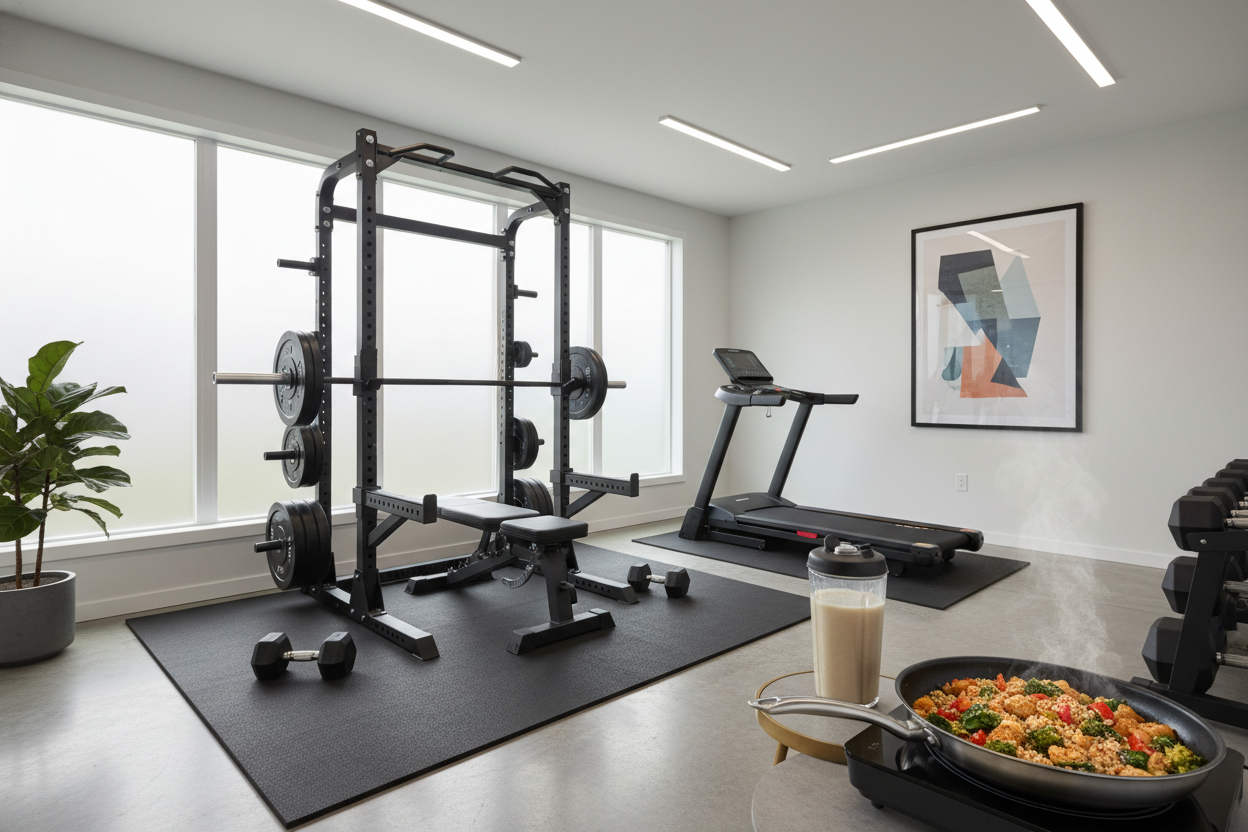
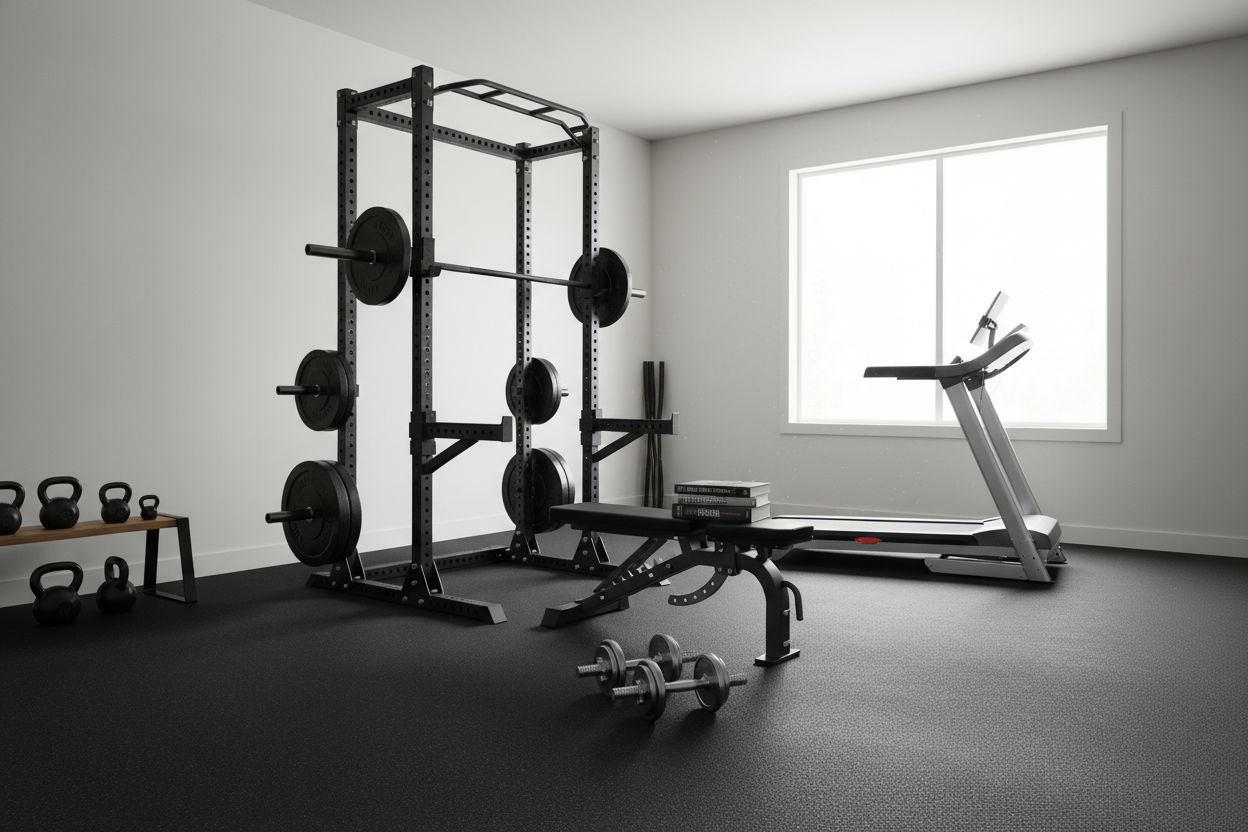
If you are training at home, your equipment needs to be as stable as a bridge. No more cheap, wobbly benches from the big-box stores. I personally recommend the Gxmmat adjustable weight bench. It is a rock-solid piece of kit that is essential for seated overhead presses and chest-supported rows—two movements that save your lower back from unnecessary loading.
For those lifting alone, a rack is your insurance policy. The Gxmmat X6 Power Rack Weight Bench Package is a smart move because it features an enclosed rack system. The safety pins are there to catch the weight if your energy flags. Having that physical failsafe allows you to train with the intensity needed for growth without the constant 'what if' anxiety of a solo lifter.
Stop Overthinking the 'Perfect' Range of Motion
The internet is full of self-proclaimed experts who will tell you that a squat doesn't count unless your hip crease is below your knees. That is nonsense for a 65-year-old with a history of meniscus tears. You should stop obsessing over perfect techniques of weight lifting and focus on what your body actually allows. If a half-depth squat keeps your knees pain-free, then do half-depth squats.
Working within a pain-free, modified range of motion is infinitely better than forcing a 'textbook' movement that lands you on the couch for a month. Consistency is the only metric that matters at this stage. If you can show up three times a week and move weight through a range that feels productive and safe, you are winning.
A 3-Day Blueprint That Won't Wreck Your Joints
You do not need to live in the gym. A three-day full-body or upper/lower split is plenty. I like to structure it with one primary 'big' movement followed by machine-based accessories. For example, Day A could be a Goblet Squat followed by Machine Chest Presses and Seated Rows. Day B might focus on Romanian Deadlifts (with a modest weight) followed by Lat Pulldowns and Overhead Machine Presses.
Keep your sets in the 8 to 12 rep range. This is the 'Goldilocks' zone—heavy enough to trigger hypertrophy and bone density improvements, but light enough that you aren't grinding through reps that compromise your form. Rest at least 48 hours between sessions. Your muscles might recover quickly, but your tendons and nervous system need that extra time.
Personal Experience: My Biggest Mistake
A few years back, I tried to 'power through' a shoulder impingement because I didn't want to stop doing heavy barbell overhead presses. I ended up unable to reach for a coffee cup without wincing for three months. I finally swallowed my pride, switched to a seated machine press with a neutral grip, and my shoulder pain vanished. My delts actually got bigger because I could finally train them consistently again. Don't let your ego dictate your exercise selection.
Frequently Asked Questions
Is it too late to start lifting at 65?
Never. Research shows that even people in their 90s can build muscle and improve mobility with resistance training. Start light, focus on machines for stability, and build slowly.
Should I use machines or dumbbells?
A mix is best. Dumbbells are great for natural movement paths, but machines are superior for safely pushing to failure. If you have joint issues, lean more toward machines.
How do I know if I am lifting too heavy?
If you can't control the weight on the way down (the eccentric phase) or if you have to use momentum to 'cheat' the weight up, it is too heavy. You should be in total control of every inch of the rep.