Why the Best Bodybuilding Routine Fits on a Post-It
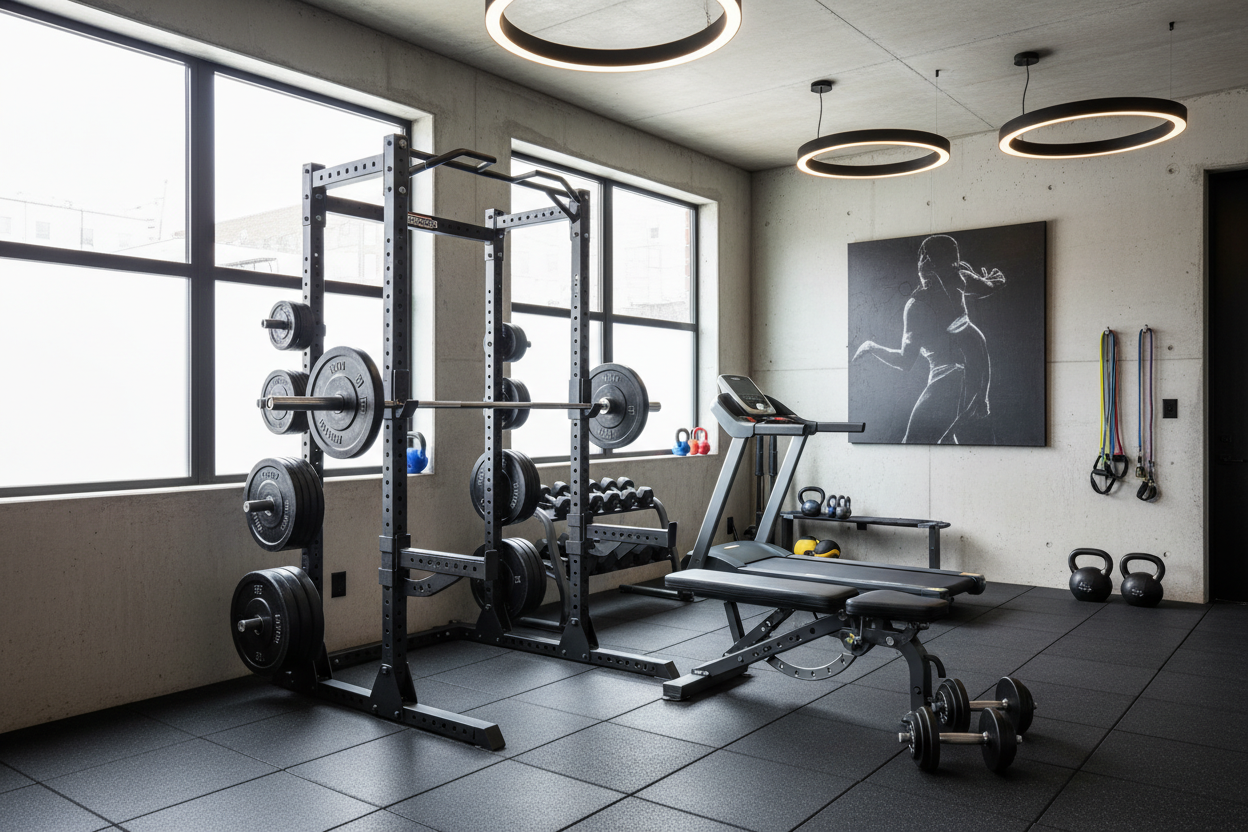
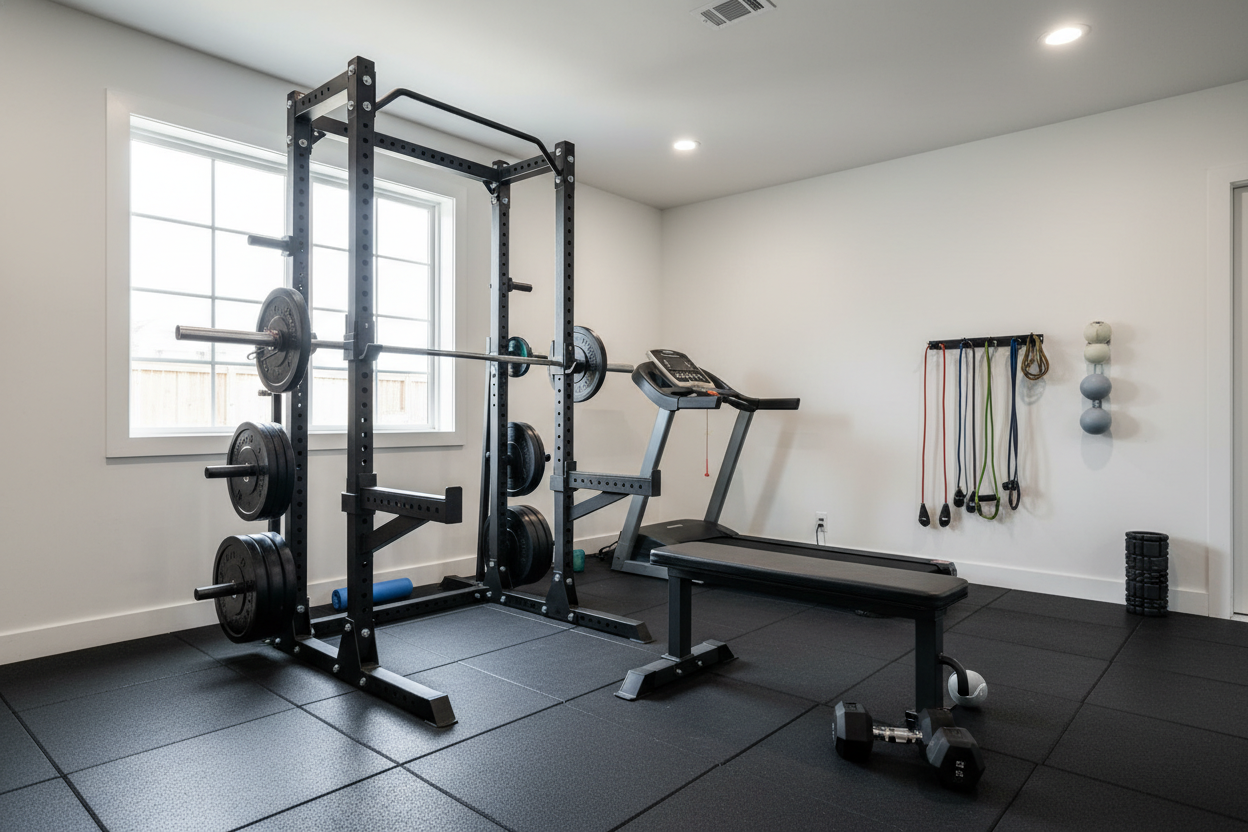
I remember sitting in my garage at midnight, staring at a three-page spreadsheet I’d downloaded from some 'science-based' influencer. I had a solid power rack, a decent barbell, and a stack of iron, but I was convinced I needed more—more volume, more angles, more variety. I was treating my 120-square-foot sanctuary like a 20,000-square-foot commercial Mega-Gym. The truth is, the best bodybuilding routine isn't a complex puzzle; it's a test of your ability to be bored and consistent.
- Consistency over complexity: Stick to the same lifts for 16 weeks.
- Focus on 'The Big Four': Squat, Hinge, Press, and Pull.
- Track everything in a physical notebook to ensure progressive overload.
- Invest in high-quality basics like 11-gauge steel racks and grippy bars.
Stop Searching for the 'Perfect' Six-Day Split
If you’re spending more time tweaking your Google Sheets than you are under a bar, you’re suffering from the 'Variables Trap.' Most home gym owners fail to build significant mass because they change their program every time a new 'optimal' training video hits their feed. When you jump from a 6-day PPL to a 4-day Upper/Lower every three weeks, you lose the ability to track progressive overload. You can't tell if you're actually getting stronger or just getting better at new movements.
In a home gym environment, complexity is your enemy. You don't have a row of twenty different cable machines to provide infinite variety. What you do have is a barbell and the ability to focus. The best bodybuilder workout for someone training in a garage is one that prioritizes heavy, repeatable movements. If you can’t look back at your logs and see that you’ve added 20 pounds to your working sets over the last two months, your routine isn't working—no matter how 'optimal' the split claims to be.
What the Best Bodybuilding Routine Actually Looks Like
Hypertrophy is simpler than the industry wants you to believe. It requires mechanical tension, metabolic stress, and muscle damage. You can achieve all three with about five or six well-chosen exercises. While commercial gym goers might swear by the best full body machine workout to hit every fiber, the home lifter needs to master the barbell. By stripping away the fluff, you force yourself to put every ounce of effort into the sets that actually drive growth.
A minimalist routine allows you to reach a higher level of intensity. When you know you only have four exercises to complete, you don’t 'save' energy for the tenth movement of the day. You attack the first three with everything you have. This high-intensity, low-complexity approach is the foundation of the best bodybuilding training. It’s about doing fewer things, but doing them with significantly more violence.
Choosing Your Primary Movers
Your routine should be anchored by 3-4 heavy compound lifts. These are your 'Primary Movers.' For a home gym, this usually means a Back Squat or Front Squat, a Romanian Deadlift, a Bench Press, and a Barbell Row. These movements recruit the most muscle mass and allow for the greatest weight progression over time. If you’re not adding weight to these four lifts over a 16-week period, you aren't going to grow.
Adding the Right Isolation Work
Isolation work shouldn't take up 70% of your time. Pick two accessory movements per session to target lagging areas. If your arms are a weak point, add Barbell Curls and Skull Crushers. If your shoulders lack width, add Lateral Raises. The key is to keep these accessories consistent. Don't swap a curl for a chin-up just because you feel like it. Keep the movement the same so you can track the rep increases.
Building a Base for the Best Bodybuilder Workout
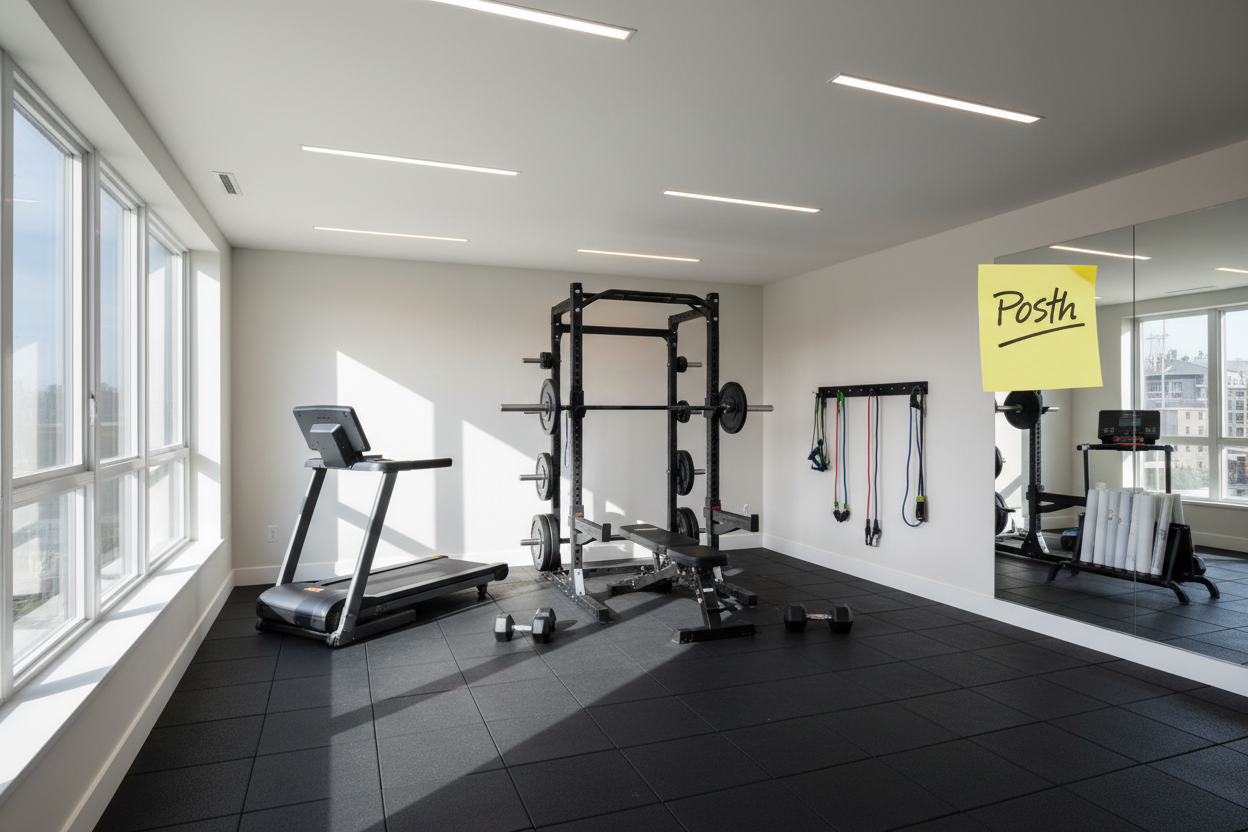
To execute a high-intensity routine, your environment needs to be stable. I’ve trained on cheap, thin foam tiles that shifted during heavy squats, and it’s a recipe for an injury that will sideline your gains for months. You need a best large exercise mat or high-density rubber stall mats to create a level, grippy surface. This isn't just about protecting your floor; it's about the confidence to push a set to RPE 10 without worrying about your rack sliding.
When it comes to the hardware, don't skimp on the touchpoints. You need reliable home gym equipment that can handle the abuse of a 16-week mass cycle. Look for a rack with 11-gauge steel and 5/8-inch or 1-inch hardware. A bar with aggressive knurling is also a must; if the bar is slipping out of your hands during a heavy set of rows, your back isn't getting the stimulus it needs. Buy gear that stays out of your way so you can focus on the logbook.
How to Track the Best Bodybuilding Training Without Losing Your Mind
Put the phone away. Every time you open a tracking app, you’re one notification away from a 10-minute Instagram rabbit hole that kills your intensity. I use a standard composition notebook. Each page is a workout. I write down the exercise, the weight, the reps, and the RPE (Rate of Perceived Exertion).
The goal is simple: beat one of those numbers every single week. Maybe you add 2.5 pounds. Maybe you do one more rep with the same weight. Maybe the same weight and reps feel like an RPE 7 instead of an RPE 9. That is the only data that matters. If you're constantly changing your 'best bodybuilding training' exercises, your notebook becomes a mess of unrelated data points that tell you nothing about your actual progress.
The 16-Week Consistency Challenge
Here is my challenge to you: pick six exercises. Perform them three to four times a week. Do not change a single lift, a single handle, or a single foot position for 16 weeks. It will get boring. You will want to try that new 'glute-biased' squat you saw online. Don't. The magic of the best bodybuilding routine happens in those final four weeks when the weights are heavy, the movements are second nature, and you’re pushing into new territory.
Hypertrophy is a slow process of adaptation. By the time you hit week 12, your body is primed to grow because you’ve mastered the mechanics of the lifts. If you switch programs then, you’re just starting the adaptation process over again. Stay the course, eat at a slight surplus, and watch what happens when you stop being a 'program hopper.'
Personal Experience: The Lesson of the 6-Day Split
A few years ago, I was convinced I needed to train six days a week to see results. I was doing a complex PPL split with 12 exercises per session. I was always sore, always tired, and my measurements didn't change for six months. I finally got fed up and switched to a basic 4-day upper/lower split with only five exercises per day. I focused on the 'big' versions of those lifts and tracked them in a $2 notebook. Within four months, I put an inch on my chest and added 40 pounds to my squat. I wasn't doing 'more' work—I was doing more effective work.
Frequently Asked Questions
How many sets should I do for hypertrophy?
For most lifters, 10-20 hard sets per muscle group per week is the sweet spot. If you're training at home with high intensity, start at the lower end (10-12 sets) and only increase if you’re recovering well and hitting your PRs.
Can I build a pro-level physique with just a barbell and rack?
Absolutely. Some of the greatest physiques in history were built with nothing but heavy iron and basic movements. Machines are a luxury, not a necessity, for the best bodybuilding routine.
What should I do if I stall on a lift?
First, check your recovery and calories. If those are on point, try a small 'reset' by dropping the weight by 10% and working your way back up over 3-4 weeks, or slightly tweak the rep range (e.g., move from sets of 8 to sets of 12).