Why the Best Beginner Weight Training Actually Uses Machines
I remember my first week in a commercial gym. I spent forty minutes trying to balance an empty 45-pound barbell on my back while my knees wobbled like a baby giraffe. I didn't feel it in my quads; I felt it in my ego and my lower back. The internet told me that machines were for 'lazy' people, but I was just a guy trying not to get pinned under a piece of steel.
The truth is, the best beginner weight training isn't the one that looks the most hardcore on Instagram. It’s the one that lets you actually fatigue your muscles without your lack of coordination getting in the way. If you spend all your energy just trying to stay upright, your muscles aren't getting the stimulus they need to grow.
- Stability breeds strength: Machines allow you to push closer to failure safely.
- Lower injury risk: Fixed paths prevent the 'wobble' that leads to joint strain.
- Faster learning curve: You can master a chest press in thirty seconds.
- Better mind-muscle connection: You can actually feel the muscle working.
The Free Weight Myth: Why Barbells Suck for Day One
Internet fitness culture loves to shame new lifters. They’ll tell you that if you aren't doing the 'Big Three' lifts with a barbell, you aren't really training. That’s nonsense. Most people starting out have the stability of a wet noodle. Forcing a novice onto a barbell squat immediately is a recipe for a rounded back and a month of physical therapy.
The best beginner strength programs should focus on muscle contraction first. You need to teach your chest how to push and your back how to pull. When you’re struggling to balance a bar, your brain is too busy screaming about survival to focus on squeezing your lats. Save the 7-foot Olympic bars for month six; start with something that won't fall on your face.
Using Guided Resistance to Build Your 'Base'
The magic of a machine is the fixed path. You don't have to worry about the weight drifting too far forward or backward. This 'guided' movement allows you to focus 100% of your effort on the target muscle. This is the smartest approach to the best strength training for beginners because it builds the 'base tissue'—the actual muscle fibers and tendons—before you introduce the complexity of balance.
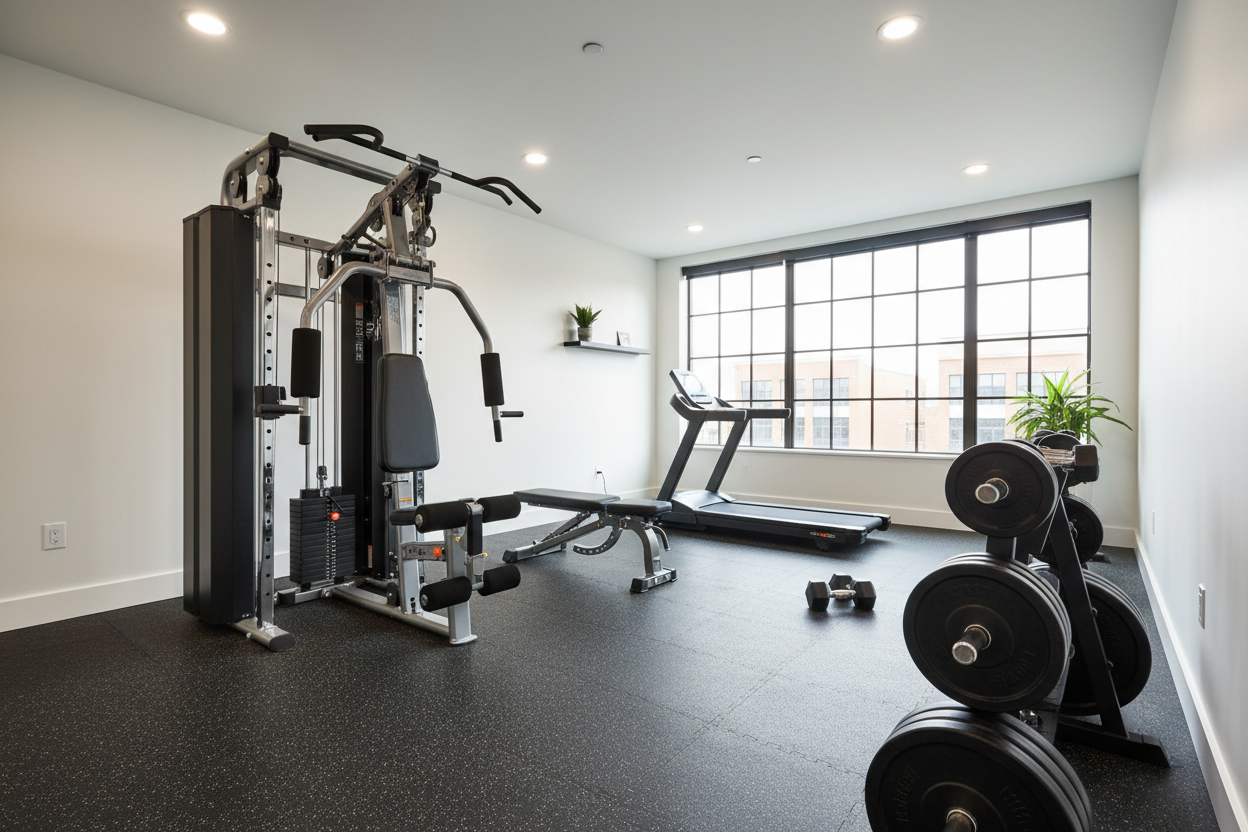
When you look at high-quality Weight Lifting Machines, you're looking for smooth pulleys and a frame that doesn't rattle when you load it up. Being able to sit down and drive your feet into a plate while doing a leg press lets you move way more weight than a shaky goblet squat ever would. That mechanical tension is what actually builds the muscle you’re after.
Don't Neglect Your Midsection While Seated
A common mistake I see is people 'turning off' their brain once they sit in a machine. Just because the equipment is stable doesn't mean you can slouch like you're on the couch. You still need to brace your core to protect your spine and create a solid platform to push from. Power is transferred through a stiff torso.
If you find yourself folding like a lawn chair during heavy rows, you need to isolate your trunk. You can Unlock Deep Core Strength With The Best Weight Machine For Abs by treating your core work with the same intensity as your bench press. A strong midsection makes the transition from machines to free weights much smoother later on.
The 'Bridge' Equipment You Need for a Home Setup
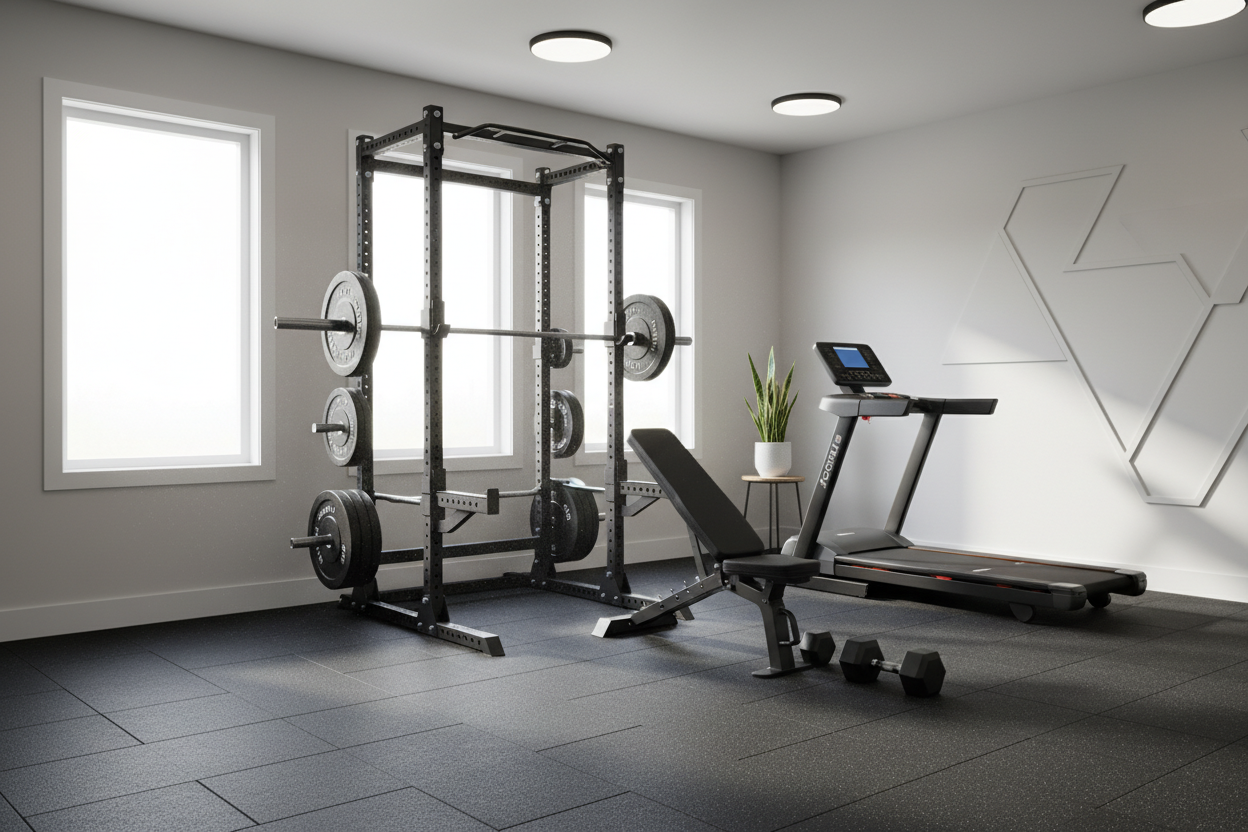
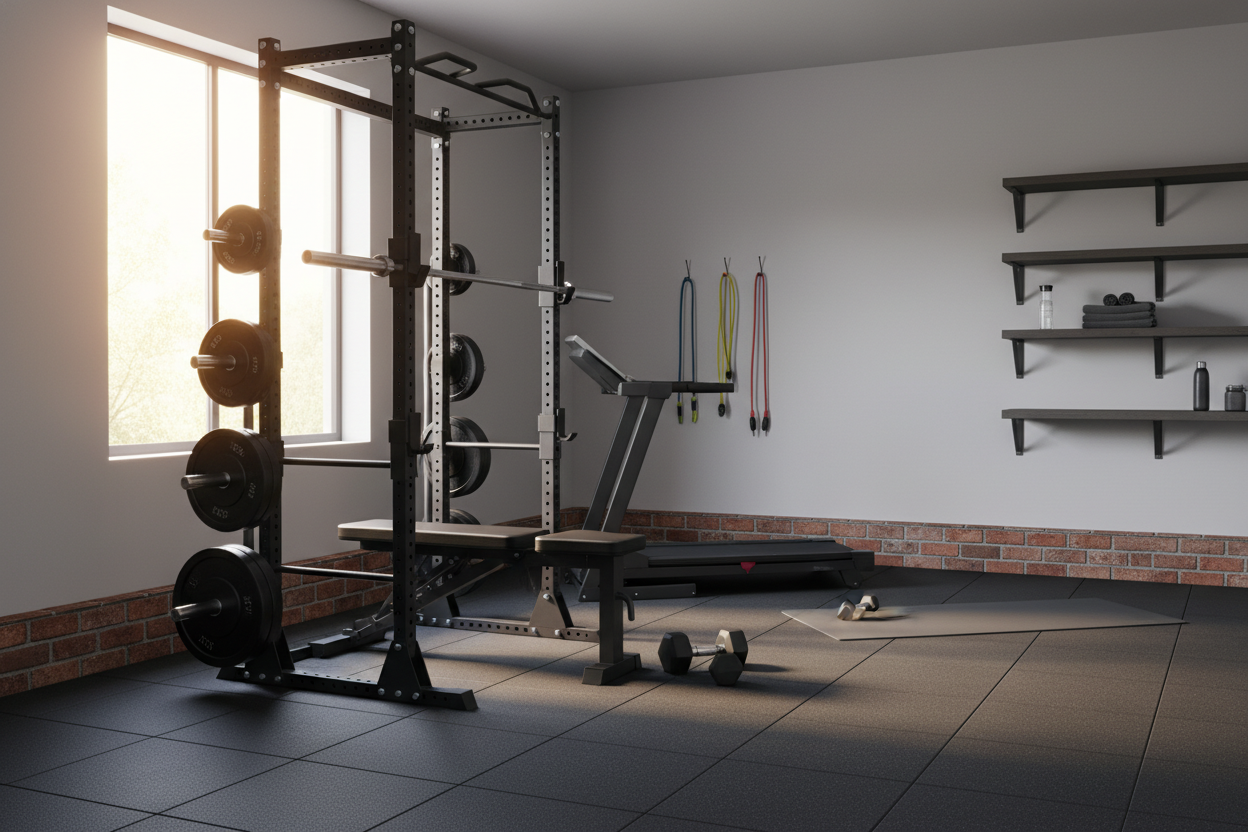
If you're building a garage gym, you probably don't have 500 square feet for a circuit of machines. You have to be smart. Choosing The Best Strength And Weight Training Equipment For Your Goals usually means finding gear that mimics the stability of a machine without the massive footprint. You want heavy, immovable pieces that feel 'planted' on your floor.
A rock-solid Gxmmat Adjustable Weight Bench is the most underrated piece of 'stability' gear you can buy. By doing seated dumbbell presses or chest-supported rows on a bench that doesn't wobble, you're creating a pseudo-machine environment. Look for a bench with a high weight capacity—at least 600 lbs—so it stays put when you're working hard.
Piecing Together the Best Strength Workout for Beginners
So, how do you actually train? Your best strength workout for beginners should be a 'push-pull-legs' split or a full-body routine using mostly machines. Start with a machine chest press, a lat pulldown, a leg press, and a seated row. Do 3 sets of 10-12 reps. It’s boring, but it works.
As you get stronger, you can start adding Strength Training Accessories like different cable handles or resistance bands to vary the angles. These small tweaks keep the stimulus fresh without requiring you to learn a whole new technical lift. Once you can max out the stack on the chest press with perfect form, then—and only then—should you think about walking over to the squat rack.
My Biggest Mistake
I tried to be a 'purist' too early. I bought a cheap barbell set from a big-box store and tried to teach myself powerlifting in my basement. I ended up with a nagging shoulder impingement because I couldn't keep the bar path straight. If I had just spent six months on a cable machine and a solid bench, I would have built the muscle mass to support those heavy lifts much better. Don't let ego dictate your equipment choice.
FAQ
Do machines build 'real' strength?
Yes. Your muscles don't have eyes; they only know tension. If you're pushing 200 lbs on a machine, your muscles are getting stronger. The only thing you aren't training as much is the stabilizer muscles, which you can handle later.
Are machines safer than free weights?
Generally, yes. You can't really 'drop' a machine on yourself, and most have built-in stops. It allows you to train to failure without needing a spotter, which is huge for home gym owners.
When should I switch to barbells?
Once you have a solid base of muscle and you can move significant weight on machines with perfect control. Usually, after 3 to 6 months of consistent training, you'll have the structural integrity to start learning the technical free-weight lifts.