Why the Best Beginner Weight Lifting Program is Surprisingly Easy
I remember the first time I walked into a serious weight room. I was armed with a printout of a pro bodybuilder’s 'arm day' and enough ego to sink a battleship. I spent two hours doing concentration curls and tricep kickbacks, woke up the next morning feeling like I’d been hit by a truck, and didn’t go back for three weeks. I thought I was working hard, but I was just wasting time. Finding the best beginner weight lifting program isn’t about finding the most complex spreadsheet; it’s about finding the one you can actually finish without hating your life.
Most people quit lifting because they treat their first week like a Spartan race. They buy the neon supplements, download the six-day-a-week 'shred' program, and burn out before the first month’s gym dues even clear their bank account. Real progress is boring. It’s consistent. It’s about doing the same five or six movements until you can do them in your sleep with perfect form.
- Start Light: If you think you can lift 100 lbs, start with 50. Your joints need to catch up to your enthusiasm.
- Frequency Over Intensity: Training three times a week for a year beats training six times a week for a month.
- Master the Basics: Squat, hinge, push, pull. If you can’t do these, you have no business doing fancy isolation work.
- Track Everything: If you didn’t write down the weight and reps, the set basically didn’t happen.
The Ego Trap: Why Your First Week Usually Dictates Your Failure
The biggest mistake I see novices make—and I’ve made it myself more times than I care to admit—is the 'Day One Max.' You feel good, the music is loud, and you want to see what you’re made of. You load up a bar for a back squat, your knees cave in like a folding chair, and you spend the next month nursing a strained lower back. You’ve just failed the most important test of a lifter: patience.
When you start the best beginner weight lifting routine, your goal isn't to build muscle in week one. Your goal is to build a neurological habit. You are teaching your brain how to fire your muscles in the right order. When you go too heavy too fast, your form breaks down, and you start 'cheating' by using momentum or secondary muscles. This leads to plateaus that last for months. I’ve seen guys benching 225 lbs with terrible form who haven’t added five pounds to the bar in three years. Don't be that guy.
Burnout is the other side of the ego coin. If every workout is a near-death experience, your central nervous system will eventually revolt. You’ll start finding excuses to skip sessions. 'My knee feels a bit weird' or 'I’m too tired from work.' If you start light, you leave the gym feeling energized, not destroyed. That feeling of 'I could have done more' is exactly what brings you back for the next session.
What Actually Makes a Novice Protocol Work?
A successful program for a beginner has three non-negotiables: high frequency, low volume per session, and forced linear progression. You want to practice the main lifts often, but not so much in one day that you’re too sore to move. This is why a full-body split is almost always superior to a 'bro-split' where you only hit legs once a week. If you squat three times a week, you get 156 practice sessions a year. If you squat once a week, you only get 52. You do the math on who gets stronger faster.
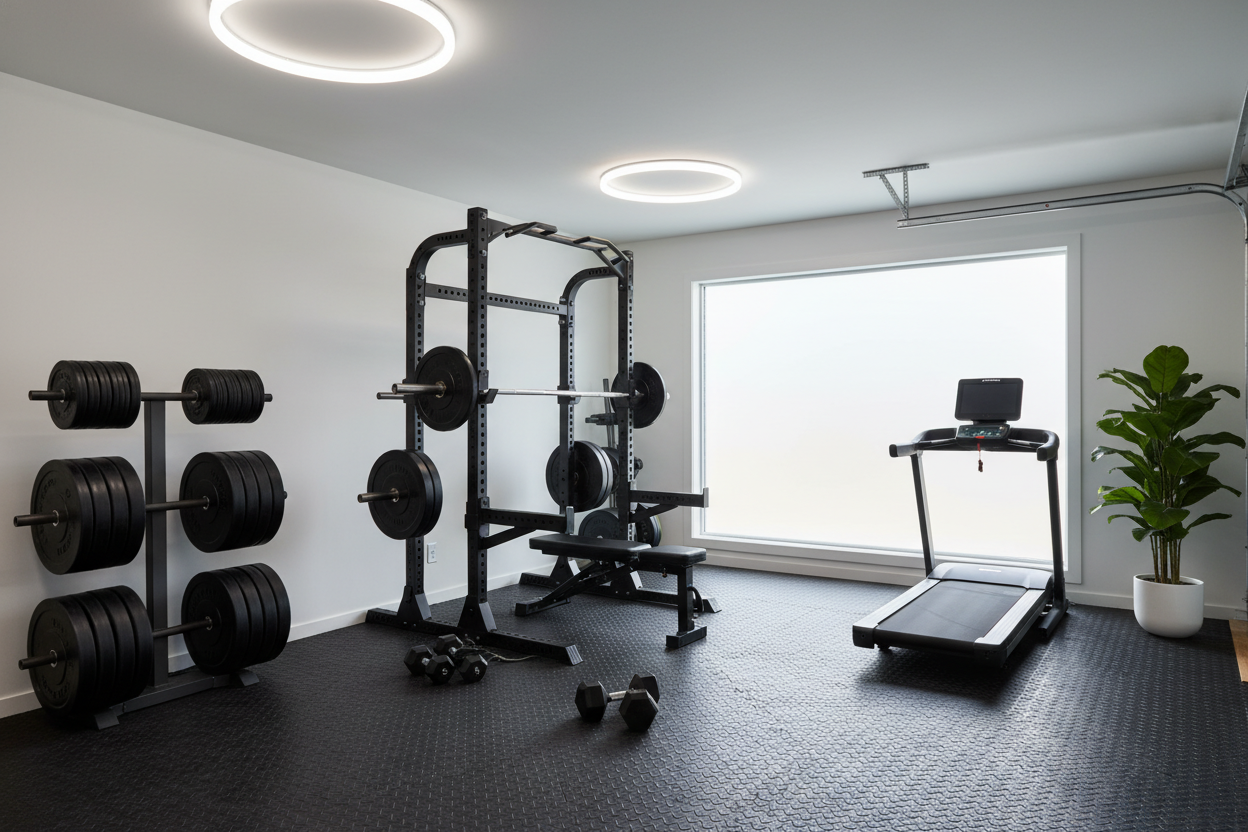
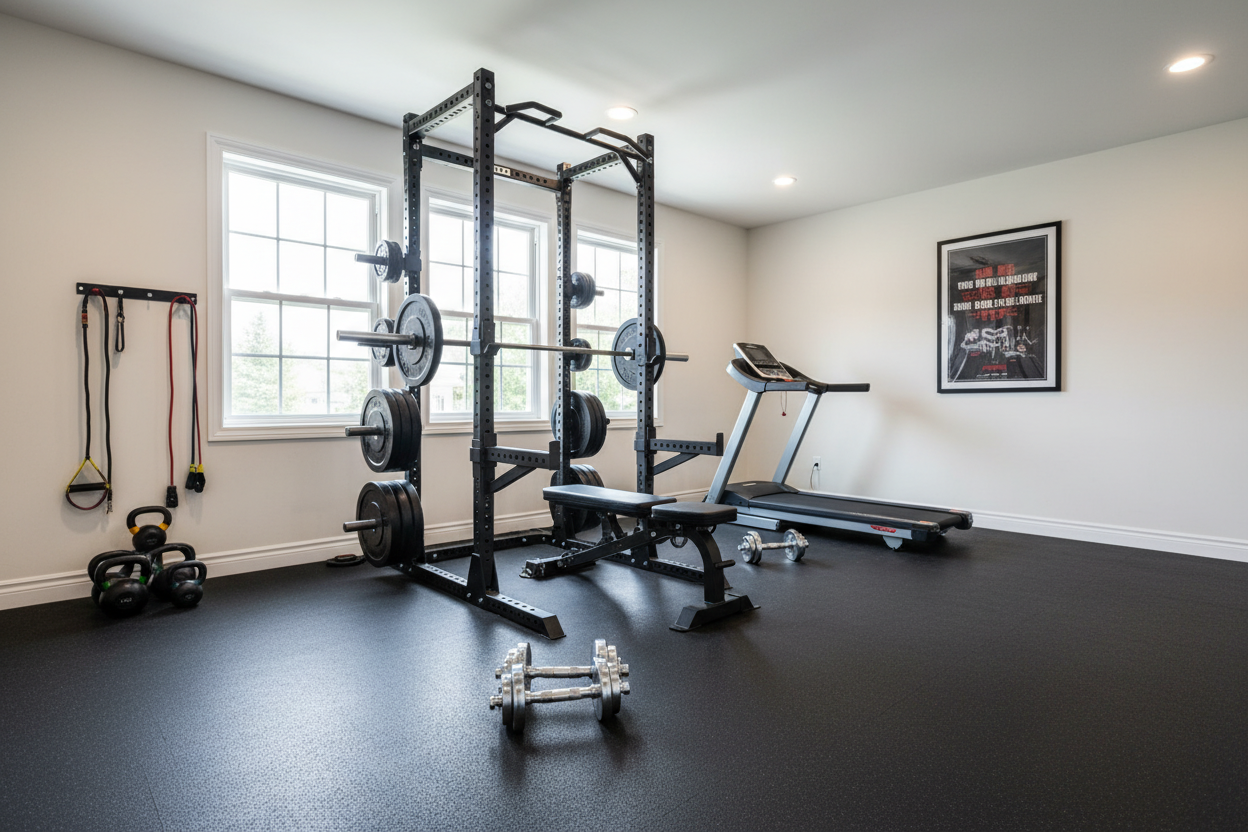
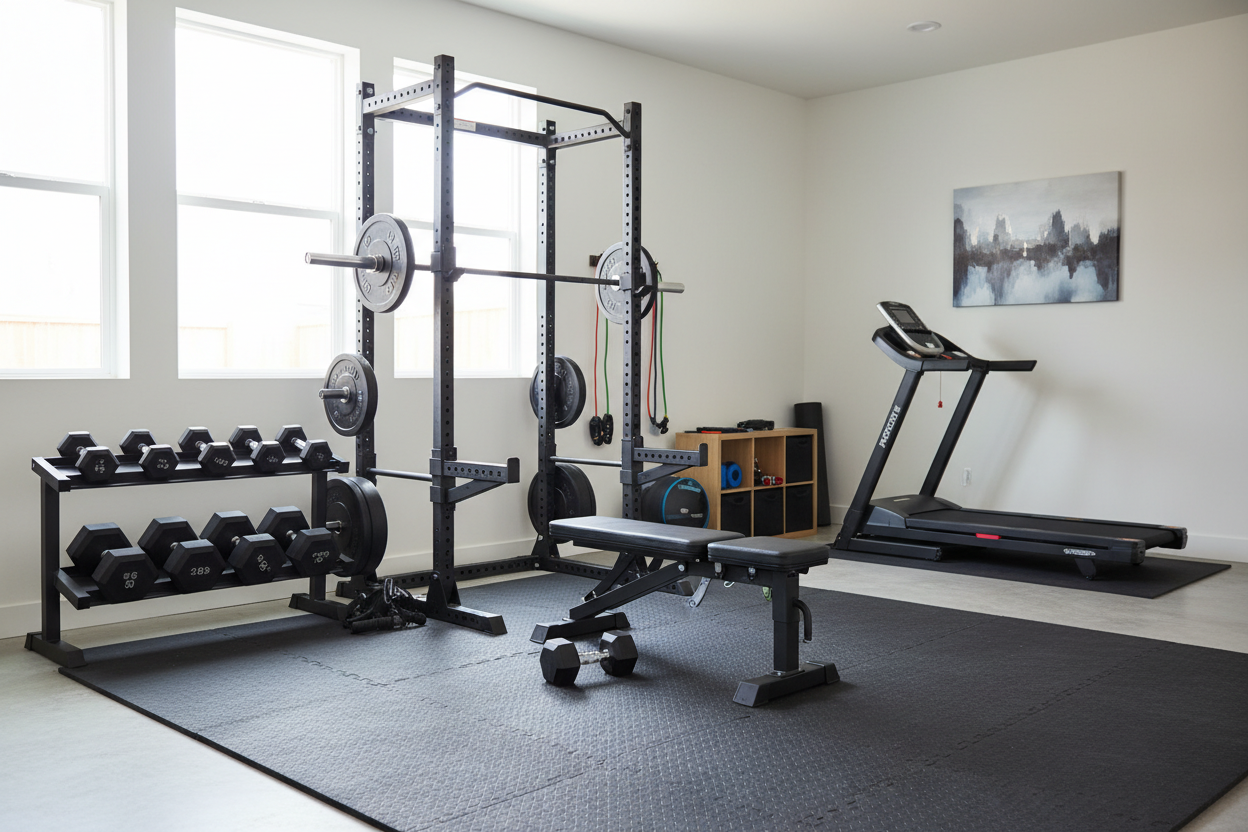
Before you even pick a program, you need to think about your environment. I’ve trained in $50,000 commercial facilities and in a damp basement with a 20-year-old rack. The gear matters because it dictates your consistency. If your rack wobbles when you re-rack 135 lbs, you’re going to be scared to push yourself. Spend some time choosing the best strength and weight training equipment that fits your space and budget, because if you don't trust your gear, you won't trust the process.
Linear progression is the 'secret sauce.' It simply means adding a small amount of weight—usually 5 lbs—every single time you go to the gym. It sounds slow, but 5 lbs a week is 260 lbs in a year. No one actually sustains that for a full year, but for the first 12 to 16 weeks, it’s like magic. You don’t need fancy periodization or 'muscle confusion.' You just need to add a small plate to the bar and do the work.
The 3-Day Full Body Sweet Spot
Three days a week (Monday, Wednesday, Friday) is the gold standard for a reason. It gives you 48 hours of recovery between sessions and a full 72 hours over the weekend. Your muscles grow while you’re sleeping and eating, not while you’re under the bar. For a beginner, your nervous system is the bottleneck, not just your muscle fibers. Pushing into a fourth or fifth day usually results in diminishing returns and nagging joint pain.
I’ve tried the high-volume approach where you spend two hours in the gym. It’s unsustainable for anyone with a job or a family. A solid 45-to-60-minute session three times a week is plenty to see massive changes in body composition and strength. When you keep the sessions short, you can maintain a higher level of focus on every single rep.
Don't Be Afraid of the Cable Stack
There’s a weird elitism in the home gym community that says if you aren’t using a barbell, you aren’t training. That’s total nonsense. While barbells are great for building raw power, modern weight lifting machines and cable stacks are incredible tools for beginners. They provide a guided path of motion that allows you to feel the muscle contracting without worrying about the bar tipping over or your balance failing.
If your lower back is fried from learning how to deadlift, using a cable row or a lat pulldown allows you to keep building your back strength without further taxing your spine. I often have my clients start their accessory work on machines because it lets them push to failure safely. You can’t 'drop' a cable stack on your face, which gives you the mental confidence to really strain on those last few reps.
The Blueprint: My Go-To Best Weightlifting Routine for Beginners
If I were starting over today, I wouldn't touch a complicated app. I’d run a simple A/B split. You alternate between Workout A and Workout B every other session. It’s the best weightlifting routine for beginners because it covers every major muscle group with zero fluff.
Workout A: Squat (3x5), Bench Press (3x5), Barbell Row (3x5).
Workout B: Squat (3x5), Overhead Press (3x5), Deadlift (1x5).
That’s it. If you have extra energy, throw in some chin-ups or planks at the end, but the 'Big Five' are your bread and butter. For a home setup, the Gxmmat X6 Power Rack Weight Bench Package is an ideal all-in-one setup for running this specific barbell-and-bench routine safely at home. It gives you the safety spotters you need when you’re lifting alone in a garage.
The goal is to master the 'hip hinge' on the deadlift and the 'tripod foot' on the squat. Don't worry about how much weight is on the bar for the first month. Focus on the bar path. Is it moving in a straight vertical line? Are your heels staying glued to the floor? If you record your sets on your phone—which you should—you’ll see the flaws that you can’t feel while you’re straining. Once the form is locked in, then and only then do you start chasing the heavy numbers.
The Only Gear You Actually Need to Start
You don't need a $3,000 functional trainer to get strong. You need a way to squat, a way to press, and a way to pull. The absolute bare minimum is a solid floor, a barbell, and a heavy-duty adjustable weight bench. A good bench is the centerpiece of any home gym; it’s what allows you to do everything from incline presses to seated rows and step-ups.
Don't skimp on the bench. I once bought a cheap, bolt-together bench that felt like it was made of soda cans. Every time I tried to bench over 150 lbs, the whole thing would creak and sway. It’s hard to focus on your chest contraction when you’re worried about the equipment collapsing. Get something with a high weight capacity and stable feet. Once you have that and a basic rack, you have everything you need to run a world-class strength program for the next two years.
Personal Experience: My 5-Pound Mistake
When I first started a linear progression program, I was flying. I was adding 10 lbs to my squat every session because I thought I was 'built different.' By week six, my form was a disaster. I was 'good-morning-ing' my squats, using my lower back to heave the weight up. I ended up with a nagging SI joint issue that took me off the platform for two months. If I had just stuck to the 5-lb jumps, I would have ended up much stronger in the long run. Learn from my impatience: the slow way is the fast way.
FAQ
How long should I rest between sets?
For a beginner, 2 to 3 minutes is the sweet spot. You want your breathing to return to normal and your heart rate to drop so you can give 100% effort to the next set. If you're rushing, your form will be the first thing to go.
Can I do cardio on my off days?
Yes, but keep it low impact. Walking, light cycling, or swimming is great for recovery. Avoid high-intensity interval training (HIIT) while you're in the first few months of a heavy lifting program; it’s too much stress on your joints and recovery capacity.
What if I miss a workout?
Don't double up the next day. Just pick up exactly where you left off. Consistency is measured in months and years, not days. Missing one session won't ruin your progress, but trying to 'make it up' by doing a double workout usually leads to injury.