Why That 500-Page Strength and Conditioning Books PDF Won't Help You Lift
I remember the first time I stumbled across a massive strength and conditioning books pdf on a late-night Reddit thread. I was convinced that if I just understood the Krebs cycle or the exact percentage of maximal voluntary contraction required for hypertrophy, my squat would magically jump 50 pounds. Instead, I spent three weeks reading and zero hours training.
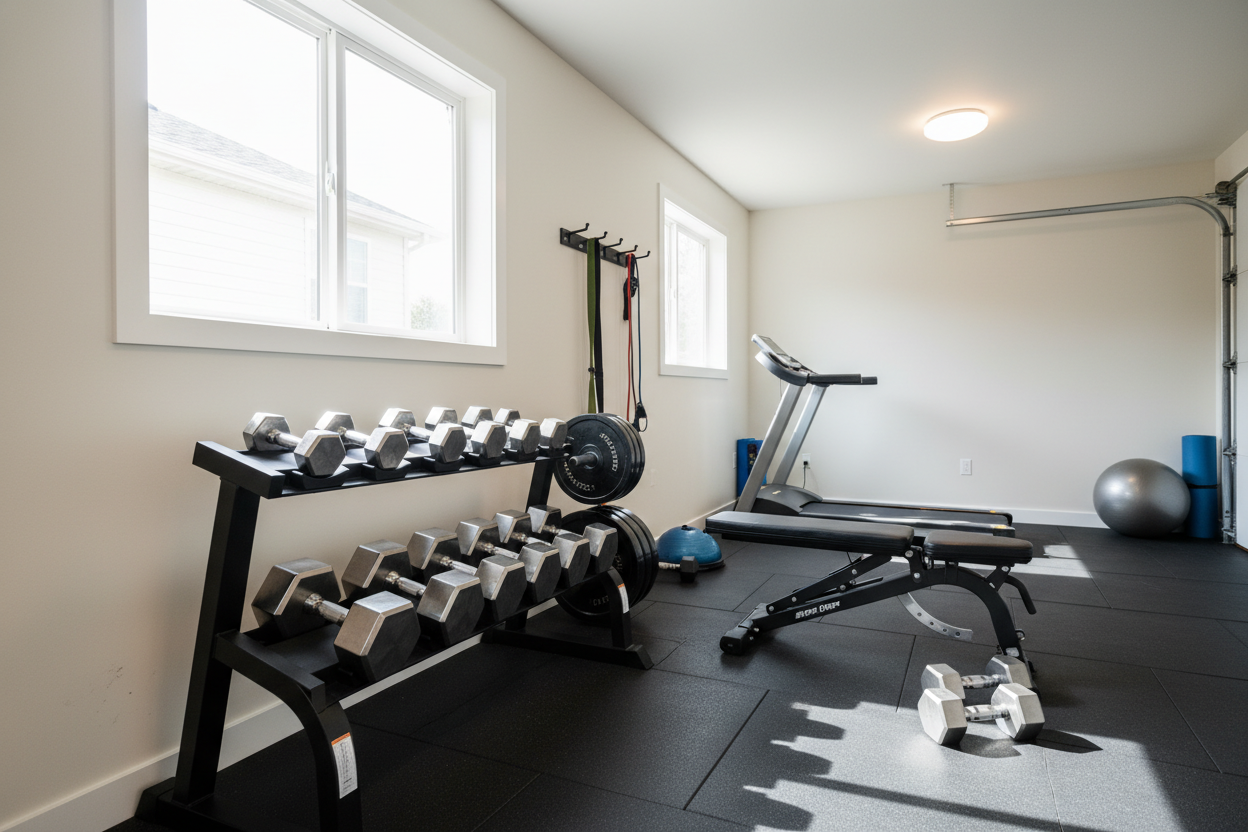
We have all been there. You want to get serious, so you look for the 'bibles' of the industry. You find a 600-page manual used by collegiate coaches, and suddenly you are more worried about force-velocity curves than actually putting 45-pound plates on the bar. The truth is, most of these academic manuals are designed for classrooms, not for someone trying to get strong in a 10x10 foot space.
- Academic theory often leads to 'analysis paralysis'—you spend more time planning than lifting.
- Soviet manuals are heavy on math; Western manuals are heavy on liability-reduction.
- Most textbooks assume you have access to a $2 million collegiate weight room.
- You only need about 10% of the information in a 500-page PDF to see 90% of your gains.
Why Most Downloaded Fitness Textbooks Are Useless in a Garage
Most of these PDFs are written for D1 coaches who have 40 athletes to manage at once. They focus on 'mitigating risk' and 'long-term athletic development' for 19-year-old freaks of nature. When you are training in a garage, your constraints are different. You care about space, time, and whether you can hit a PR before the kids wake up.
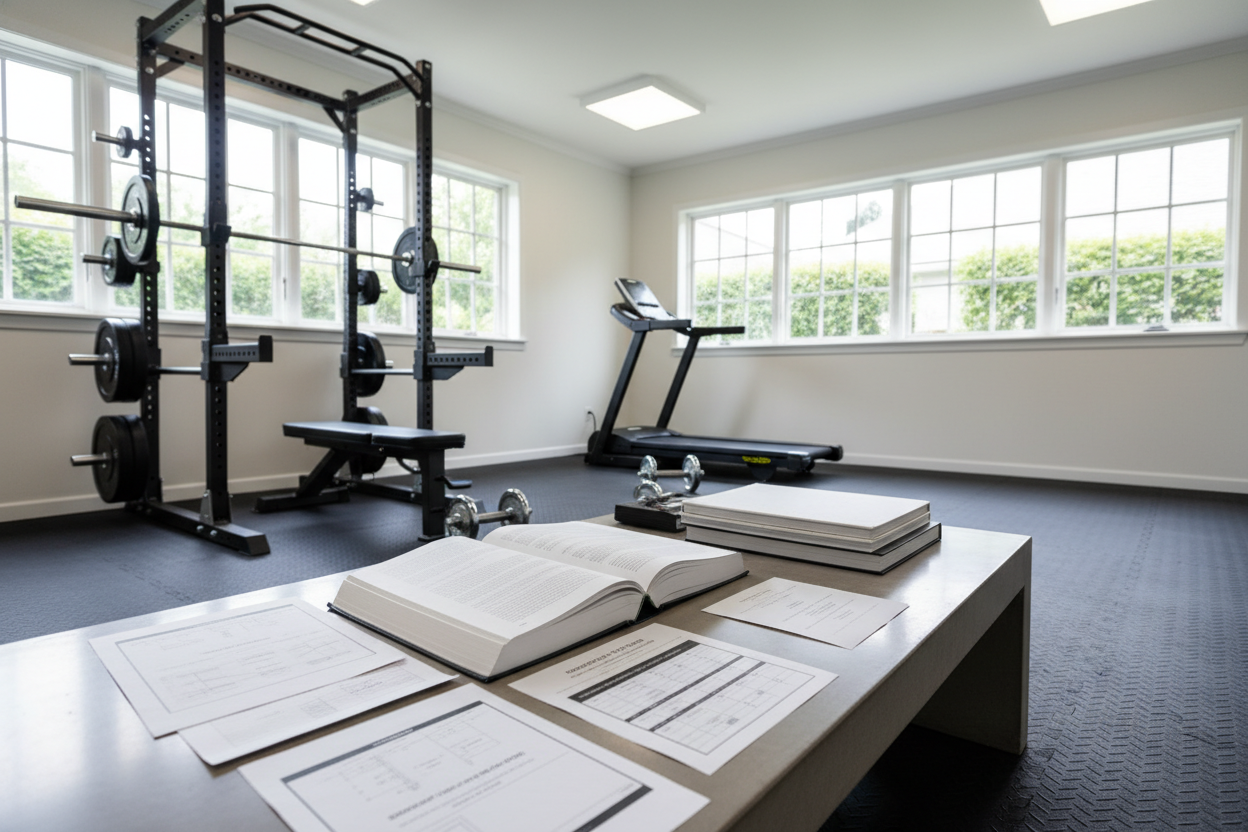
Reading a kinesiology textbook is great if you want to pass a certification exam. It is less great when you are trying to figure out if you should do three sets or five sets of overhead press today. These books often hide the 'how-to' behind layers of scientific jargon that doesn't translate to the grit of a heavy session.
The Russian Spreadsheets vs. Western College Theory
When you go hunting for a strength and conditioning books pdf, you usually find two flavors. First, there are the Soviet-era translations. Think Prilepin’s Chart and Verkhoshansky. These are brutal, mathematical, and treat the human body like a calculator. They are fascinating, but if you miscalculate your 'tonnage' by 5%, the manual basically tells you that you have failed the Motherland.
Then you have the Western textbooks, like the NSCA’s Essentials of Strength Training and Conditioning. These are the gold standard for certifications. They are also incredibly cautious. They spend chapters talking about machines you will never own and safety protocols that feel like they were written by a legal department. Neither of these approaches is 'wrong,' but they both require a massive amount of filtering before they become useful for a solo lifter.
How to Actually Build a Routine From a 400-Page File
If you have already hit 'download,' do not feel like you have to read every word. Skip the chapters on cellular metabolism. Skip the history of the Olympic games. Go straight to the sections labeled 'Periodization' or 'Program Design.' This is where the gold is buried.
Look for the sample templates. Most of these books will give you a 4-week or 12-week block. Take those skeletons and adapt them to your schedule. If a book calls for a complex five-day split but you only have three days, you need to know how to condense it into a full body strength and conditioning workout build your routine. The goal is to extract the logic—how they vary intensity and volume—and leave the 300 pages of fluff behind.
The Bare Minimum Gear These Authors Expect You to Own
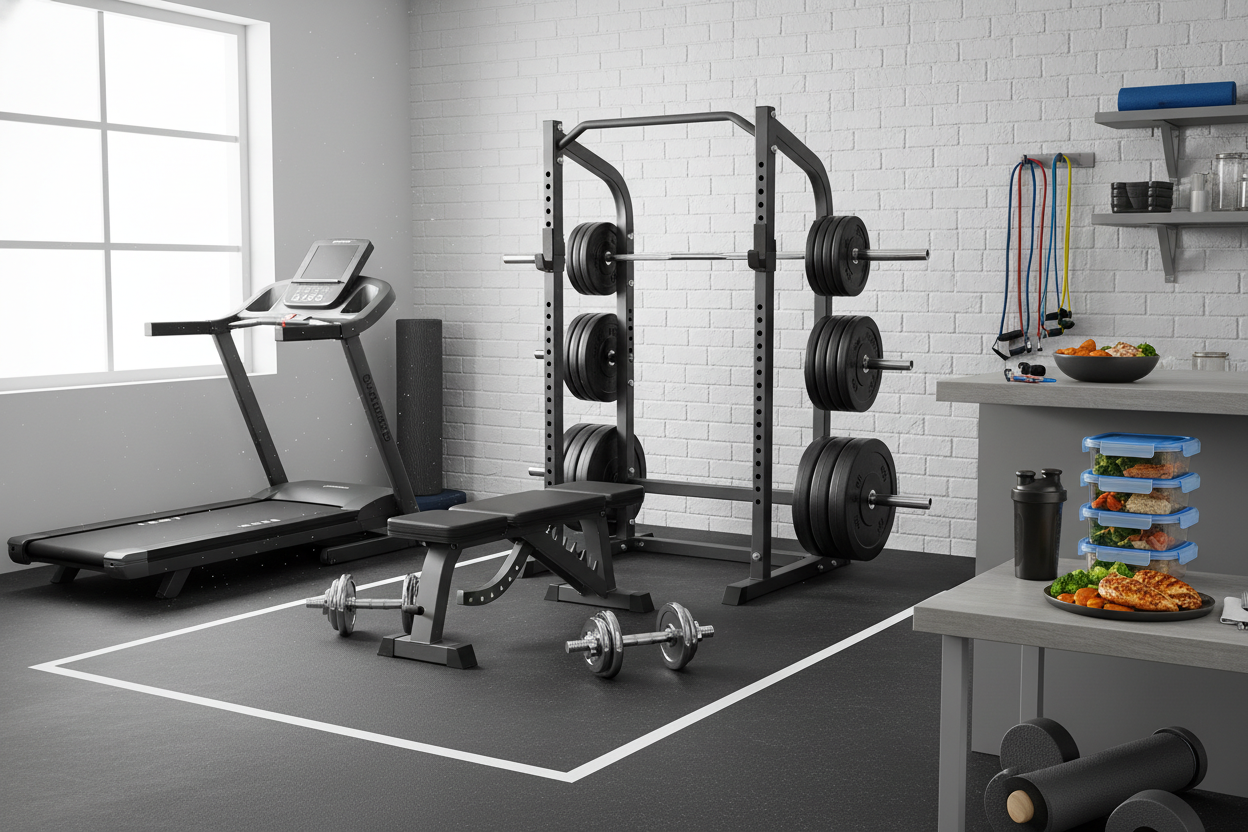
Here is the reality check: most academic manuals assume you are training in a facility with twelve racks, three sets of cables, and a turf strip. If you are working with a power rack and a pile of iron, half the exercises in those PDFs are useless to you. You have to learn the art of the 'garage gym swap.'
If a program calls for a leg press, you do heavy lunges. If it calls for a seated cable row, you do bent-over barbell rows. You don't need a commercial gym footprint to use elite programming. You just need the only strength and conditioning equipment worth your garage space. Focus on the big movers. If you have solid strength equipment like a high-quality barbell and a rack that doesn't wobble when you rack 300 pounds, you can execute 95% of any 'elite' program found in those PDFs.
Analysis Paralysis: When to Stop Reading and Pick Up the Bar
I have seen guys spend months 'perfecting' a program they found in a PDF without ever breaking a sweat. No amount of reading replaces time under tension. The best thing you can do is pick a basic template—even a flawed one—and run it for 12 weeks with total consistency. You will learn more about your body in those 12 weeks than you will in 12 months of reading about biomechanics.
Before you start your first heavy mesocycle, grab your basic strength training accessories—your belt, your chalk, your notebook—and just go. The 'perfect' program doesn't exist in a file; it exists in the work you actually do in your gym.
Is a strength and conditioning books pdf worth the read?
Yes, but only for the programming templates. Don't get stuck in the science chapters unless you are actually studying for a degree. Use it as a reference, not a novel.
Why are these books so long?
They are written to be textbooks. They have to cover everything from nutrition to facility management. As an athlete, you can safely ignore about 80% of the content.
Can I follow a D1 college program in my garage?
Mostly. You will just need to swap out machine-based exercises for barbell or dumbbell alternatives. The principles of progressive overload remain the same regardless of the gear.