Why Strength and Conditioning Gyms Make Commercial Chains Look Like a Joke
I remember the last time I stepped foot in a big-box commercial gym. It was 5:30 PM on a Tuesday, and I spent twenty minutes circling the floor like a shark just to find a squat rack that wasn't being used for bicep curls. It’s a soul-crushing experience that prioritizes membership volume over actual human performance. Real strength and conditioning gyms don't care about your membership retention; they care about your power output and your 1RM.
- Commercial gyms are built for comfort; performance gyms are built for work.
- Specialized facilities focus on compound movements over isolated machines.
- You can replicate a pro-level blueprint in a standard 20x20 garage.
- The right flooring and rack are non-negotiable for safety and progress.
The Problem With the Sea of Treadmills
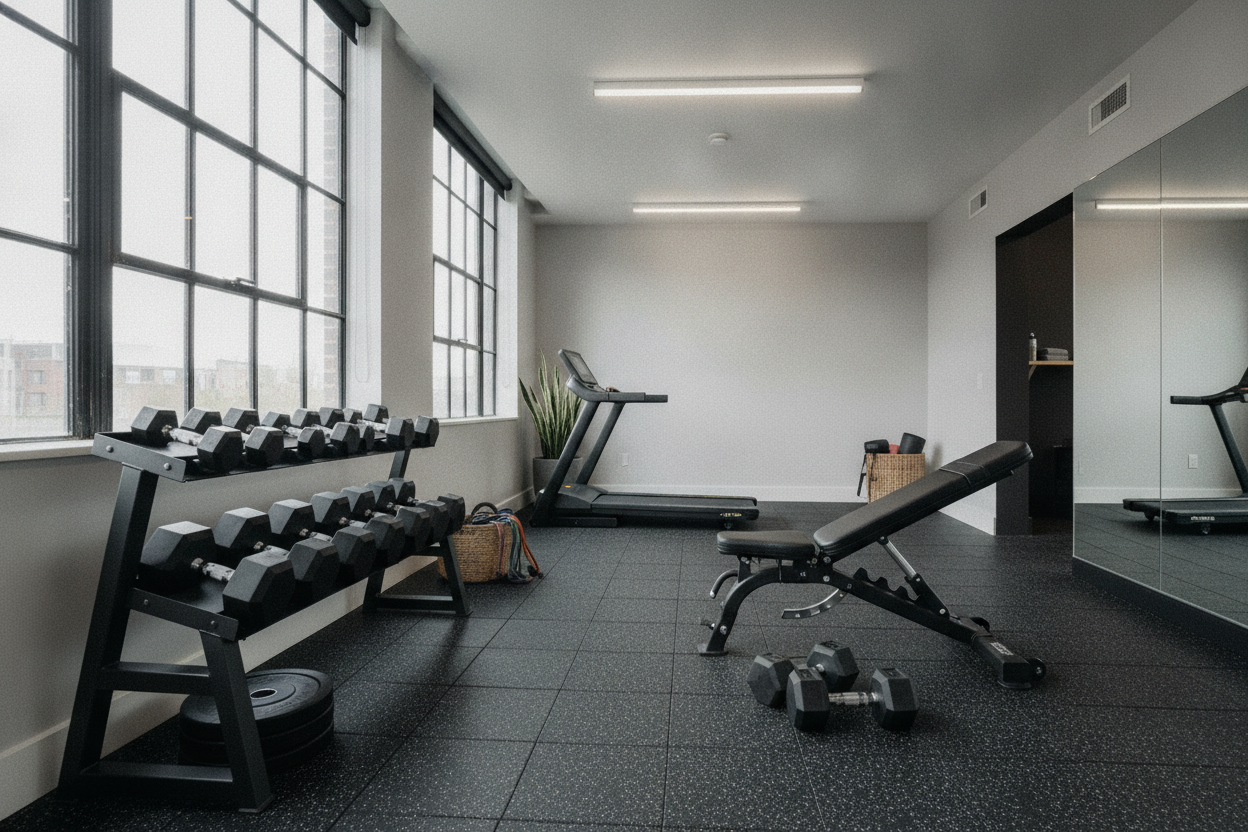
Commercial gyms operate on a predatory business model. They want you to sign up, pay $20 a month, and never show up. That is why they fill 80% of their floor space with cardio machines that collect dust. They want the environment to feel like a lounge, not a training center. In a true strength conditioning gym, the atmosphere is different because the goal is different. You aren't there to 'burn calories'; you're there to build a more capable version of yourself.
What Actually Makes a Facility 'Strength and Conditioning'?
The biggest difference is the density of utility. In a performance center, you won't find a line of single-use leg extension machines taking up prime real estate. Instead, you see rows of racks, platforms, and versatile strength equipment that allows for hundreds of different movements. These gyms are designed for flow and intensity. The floor is usually scarred from heavy pulls, the air smells like chalk, and nobody is going to complain if you drop a heavy set of deadlifts.
Stealing the Athletic Blueprint for Your Garage
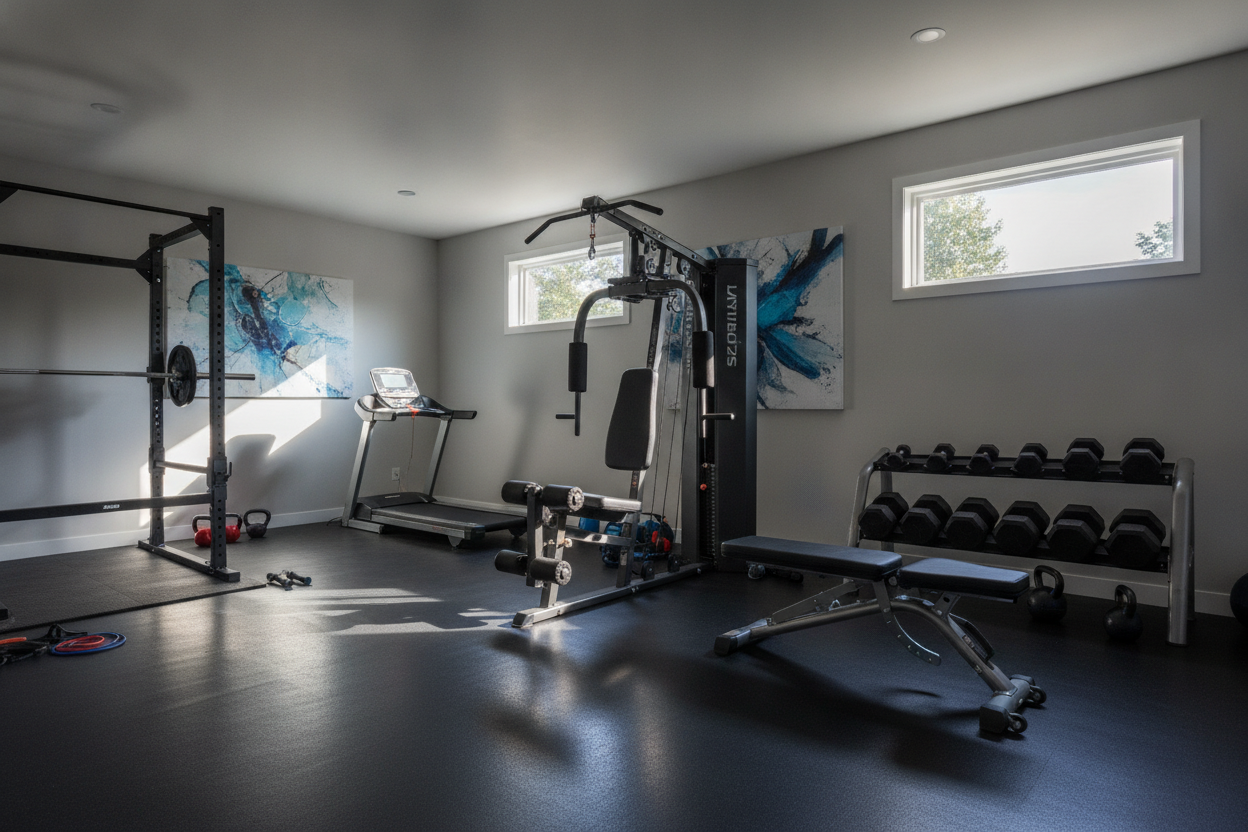
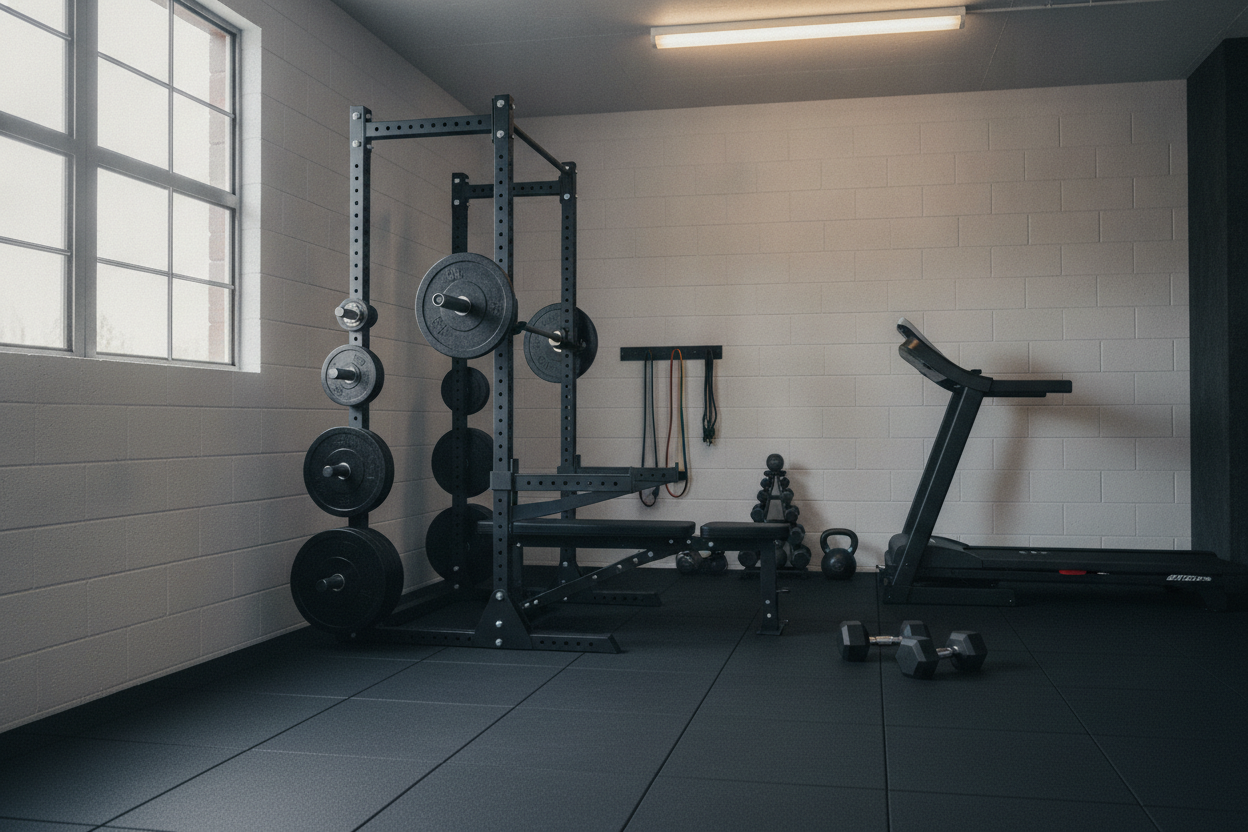
You don't need 10,000 square feet to train like a pro. When I built my own space, I had to be ruthless about what I bought. I wasted a lot of money on 'gimmick' bars before I realized you need to filter the noise and buy the only strength and conditioning equipment worth your garage space. Start with a 3x3 power rack made of 11-gauge steel—anything less will wobble when you're racking 300+ pounds.
Flooring is the most overlooked part of the blueprint. You can't do plyometrics or heavy sled work on bare concrete without destroying your joints or your gear. I recommend laying down a large exercise mat for cardio 6x12 to create a dedicated zone for dynamic warm-ups and explosive movements. It gives you that turf-like feel without the permanent commitment of industrial rubber glue.
Programming Like an Athlete, Not a Bodybuilder
If you want the results of a high-performance gym, you have to stop training for the pump. Athletes focus on movements, not just muscles. This means your week should be built around the 'big rocks'—squats, hinges, pushes, and pulls. You should establish a full body strength and conditioning workout build your routine that emphasizes explosive intent. If the bar isn't moving fast, you aren't getting the central nervous system adaptation you need.
The Small Details That Complete the Setup
Once you have the rack and the bar, it’s the small things that bridge the gap between a 'home gym' and a 'performance facility.' I’m talking about high-quality chalk that actually stays on your hands and a loud, wall-mounted timer that doesn't require you to fumble with a smartphone. You should also pick up some durable strength training accessories like heavy-duty resistance bands and fractional plates. These allow you to scale your movements and ensure you're hitting progressive overload every single week.
How much space do I really need for a strength gym?
You can fit a world-class setup in a 10x12 foot area. A rack, a barbell, and a bench cover 90% of your needs. The key is choosing equipment that can be tucked away or serves multiple purposes.
Is a commercial gym membership ever worth it?
Only if they have a dedicated turf area and at least five power racks. If you have to wait 15 minutes to squat, the 'amenities' aren't worth the lost time and momentum.
What is the most important piece of gear to buy first?
A high-quality barbell. Don't cheap out here. A bar with poor knurling or a bad sleeve spin will frustrate you every time you lift. Spend the money once and it will last twenty years.