Why Standard Butt Firming Exercises Fail (And How to Fix It)
You have likely spent hours doing bodyweight squats or donkey kicks, hoping for a change in your physique, only to see minimal results. It is a frustrating reality for many gym-goers. The truth is, most generic butt firming exercises fail because they focus on movement rather than muscle activation and progressive overload.
Building a strong posterior chain isn't just about moving weight from point A to point B. It requires a specific understanding of biomechanics, particularly hip extension and abduction. If you are tired of wasted reps, it is time to look at the physiology behind what actually stimulates growth and firmness.
Key Takeaways: The Firmness Protocol
- Prioritize Hip Extension: Exercises like hip thrusts activate the glutes significantly more than standing movements like squats.
- Mind-Muscle Connection is Non-Negotiable: If you feel the burn in your quads or lower back, your form needs adjustment immediately.
- Progressive Overload: To firm the tissue, you must increase weight or resistance over time; high reps with zero weight has diminishing returns.
- Angle Variation: A complete firm buttocks workout hits the muscle from the shortened position (thrusts) and the lengthened position (RDLs).
The Biomechanics of a Firm Booty Workout
To understand why certain moves work, you have to look at the anatomy. Your buttocks are made of three main muscles: the gluteus maximus, medius, and minimus. Most generic routines neglect the medius and minimus, leading to an unbalanced look.
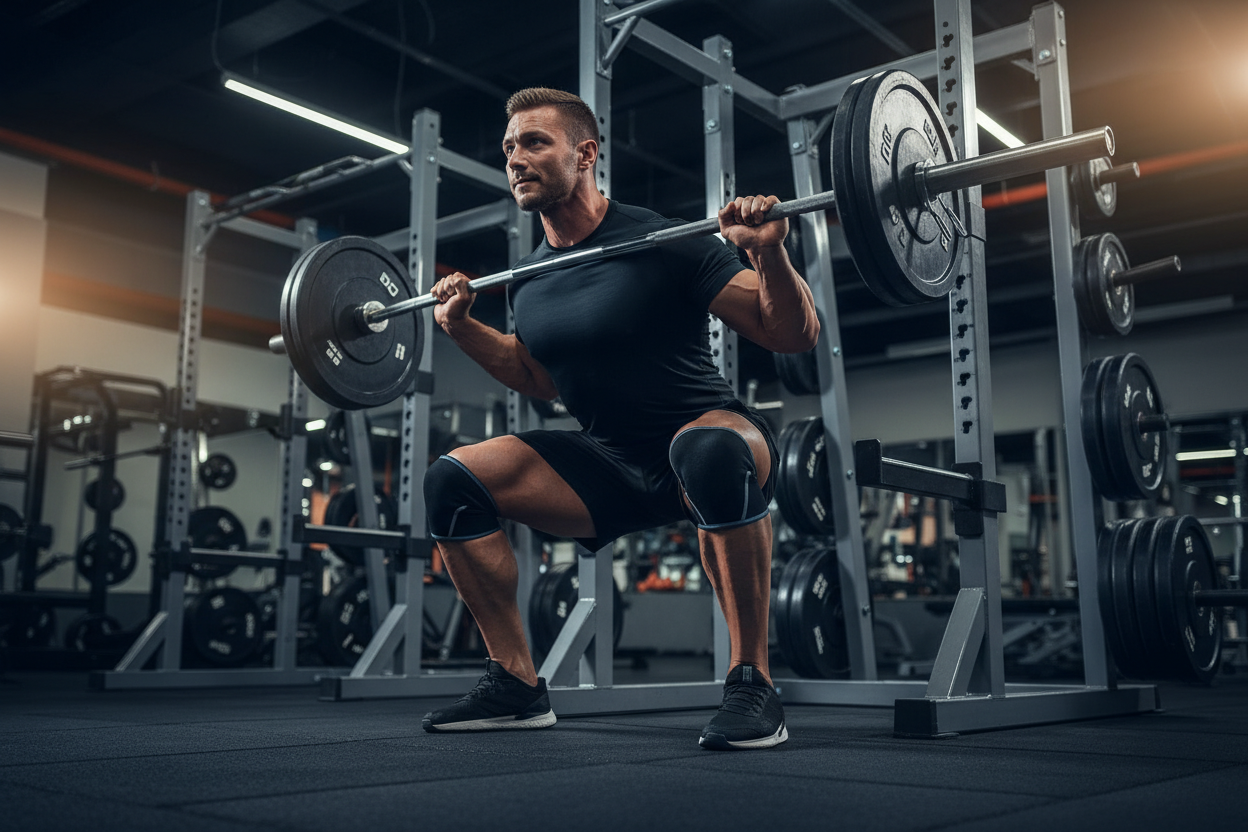
For firm glutes exercises to be effective, they must challenge these muscles under tension. The gluteus maximus is the powerhouse responsible for the "shelf" look, while the medius creates the upper curve. If your routine is purely vertical (squats), you are missing the horizontal loading vector that the glutes respond best to.
The Core Compound Movements
1. The King of Tension: Barbell Hip Thrusts
This is arguably the most effective movement for posterior development. Unlike squats, where the tension on the glutes decreases at the top of the movement, the hip thrust places maximum tension on the glutes at full contraction.
The Fix: Keep your chin tucked to your chest. If you look at the ceiling, your back will arch, shifting the load to your lumbar spine. Drive through your heels until your hips are fully locked out.
2. The Lengthening Specialist: Romanian Deadlifts (RDLs)
While thrusts work the muscle in a shortened state, RDLs damage the muscle fibers while they are stretched. This is crucial for hypertrophy (growth) and density.
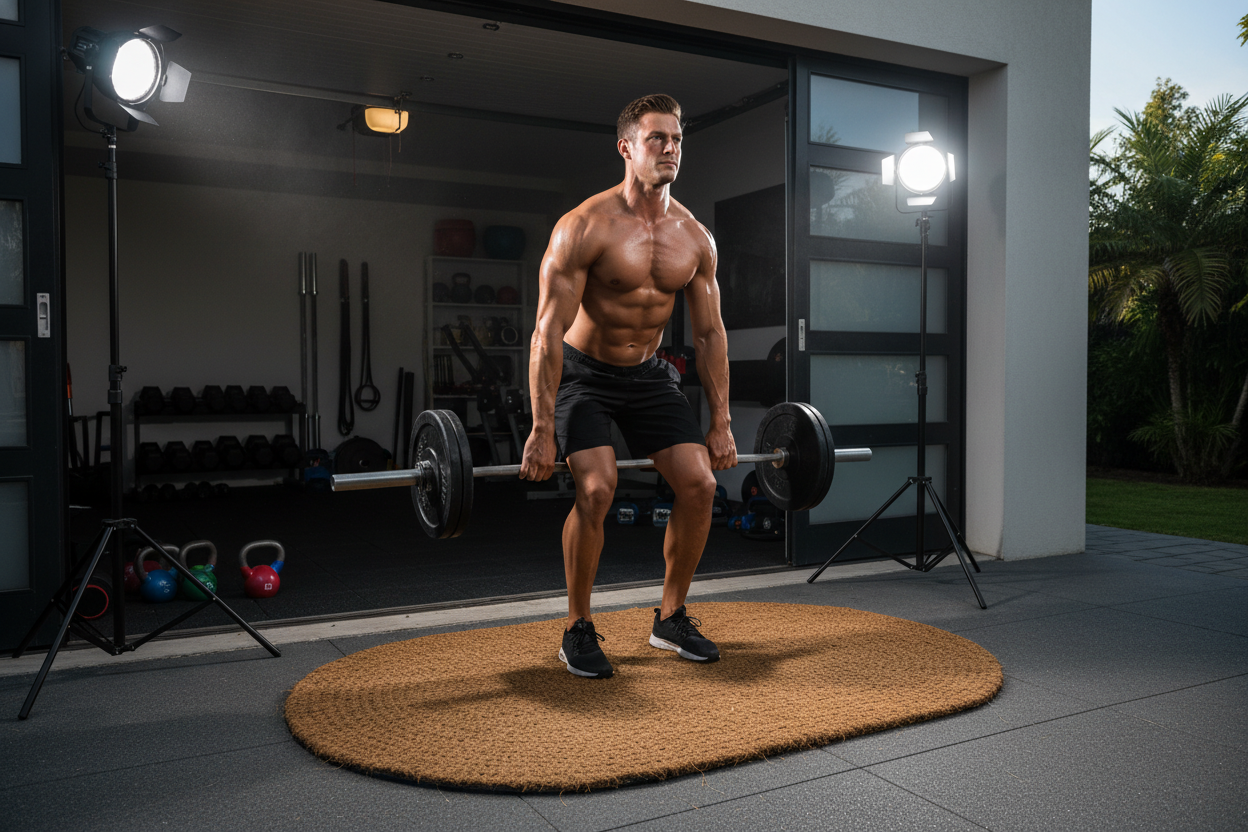
The Fix: Imagine closing a car door with your rear. Do not think about bending over; think about pushing your hips back. Stop as soon as your mobility limits you—going lower usually just rounds the back and disengages the glutes.
Isolation: The Secret to Roundness
Compound lifts build the mass, but isolation movements refine the shape. Buttocks firming exercises should always include abduction movements to target the glute medius.
Cable Kickbacks: These provide constant tension that gravity-based ankle weights cannot match. Keep a slight bend in the knee and kick slightly outward at a 30-degree angle rather than straight back. This hits the upper shelf of the glute more effectively.
My Training Log: Real Talk
I want to be honest about my personal experience with butt firming exercises because the Instagram highlight reels lie. When I first started prioritizing hip thrusts over squats, the transition was physically uncomfortable in a way no one warned me about.
I specifically remember the first time I pushed past 135lbs on the barbell hip thrust. Even with a foam pad, the bar dug into my hip bones so hard that I had deep, dark bruises on my pelvis for weeks. It looked like I had been in a fight. I also recall the immense frustration of "glute amnesia"—doing set after set of RDLs and only feeling my hamstrings screaming while my glutes stayed asleep.
It wasn't until I dropped the weight, physically poked my glute muscle with my thumb during the rep to wake up the nerve connection, and focused on that ugly, hard squeeze at the top that things changed. The aesthetic results came, but they were paid for with bruised hips and a lot of awkward eye contact with other gym patrons while thrusting a barbell.
Conclusion
Achieving a sculpted rear isn't about finding a magic workout for firm buttocks; it is about executing the right movements with intensity and precision. Stop relying on endless low-impact reps. Load the bar, focus on the hip hinge, and ensure your nutrition supports muscle recovery. The results will follow the effort.
Frequently Asked Questions
How often should I train my glutes for maximum firmness?
For most people, training glutes 2 to 3 times per week is optimal. This frequency allows for high volume while giving the muscles roughly 48 hours to recover and repair between sessions.
Can I get results with just bodyweight exercises?
Bodyweight buttocks firming exercises can work for beginners, but you will eventually hit a plateau. To continue firming and shaping the muscle, you need to introduce external resistance (weights or bands) to facilitate progressive overload.
Why do I feel these exercises in my lower back?
If you feel glute exercises in your back, you are likely compensating for a weak core or hyperextending your spine. Focus on bracing your abs (ribs down) and reducing the range of motion to ensure the glutes are doing the lifting, not your lower back.