Why Most Workouts to Gain Muscle Fail Normal Lifters
I remember sitting in my garage at midnight, staring at a half-assembled power rack and scrolling through a 'pro' bodybuilder's Instagram feed. He was advocating for a 6-day-a-week high-volume split that included four different types of lateral raises. I tried it for a month and ended up with a nagging rotator cuff injury and zero new mass. The reality is that most workouts to gain muscle you find online are designed for people whose full-time job is recovery, not for someone trying to squeeze a session in before the kids wake up.
- Recovery is the Bottleneck: You don't grow in the gym; you grow in your sleep. If you can't recover, you won't grow.
- Compound Priority: Big movements like squats, rows, and presses build the most meat per minute spent lifting.
- Stability Matters: If your feet are sliding or your bench is wobbling, your brain will shut down force production to keep you safe.
- The Logbook is King: If you aren't lifting more weight or doing more reps than last month, you're just exercising, not training.
Why You Are Exhausted But Not Growing
The fitness industry loves selling complexity because complexity sells supplements and apps. They want you to believe that the best gym workout plan to build muscle actually barefoot or some other gimmick is the secret. It isn't. Most people fail because they follow a 6-day body-part split they saw a 'natural' influencer post. For a guy with a job, a mortgage, and a life, that is a recipe for systemic fatigue.
When you hit chest on Monday and don't touch it again for a week, you're missing out on growth signals. But if you try to hit it three times a week with 20 sets each time, your joints will scream for mercy. The best gym routine for muscle building is one that balances frequency with enough intensity to actually trigger an adaptation without leaving you a walking zombie.
The Ugly Truth About Mechanical Tension
We've all been told to 'chase the pump' or 'feel the burn.' While metabolic stress plays a role, mechanical tension is the primary driver of hypertrophy. This means moving heavy loads through a full range of motion with control. Doing 20 sets of junk volume on a cable crossover isn't the most effective workout routine to build muscle. It just makes you tired.
I’ve wasted years doing 'finisher' sets that did nothing but add fatigue. Now, I focus on the 'Big Three' plus rows and overhead presses. If I can add five pounds to my bent-over row while keeping my form strict, I know my back is growing. You need stability to create tension. If you're using a cheap, 1-inch thin barbell that whips like a noodle, you're fighting the equipment instead of the weight.
Does Your Footwear Sabotage Your Lifts?
People spend $150 on squishy running shoes and then wonder why their squats feel unstable. When you're driving 300 pounds off the floor, you need a solid connection. Those air bubbles in your heels are basically mini-trampolines that leak force. Ditching the cushions for a flat, hard sole—or even lifting in socks—instantly improves your leverage. It's about ground contact. The more stable you are, the more weight you can move, and the more muscle you can build.
A Realistic 3-Day Framework for Normal People
You don't need to live in the gym. A 3-day full-body split or a 4-day upper/lower split is almost always superior for the average lifter. This allows you to hit every muscle group at least twice a week. Great workout routines to build muscle prioritize this frequency because protein synthesis usually drops back to baseline after about 48 to 72 hours.
A typical Monday could be Squats, Bench Press, and Rows. Wednesday might be Deadlifts, Overhead Press, and Pull-ups. Friday goes back to a squat variation, Incline Press, and a hinge. It sounds boring because it is. But boring builds slabs of muscle. If you want the best routine workout build muscle, you have to embrace the monotony of the basics. I usually cap my sessions at 75 minutes. If I'm there longer, I'm just talking or looking at my phone.
Setting Up Your Space for Heavy Lifts
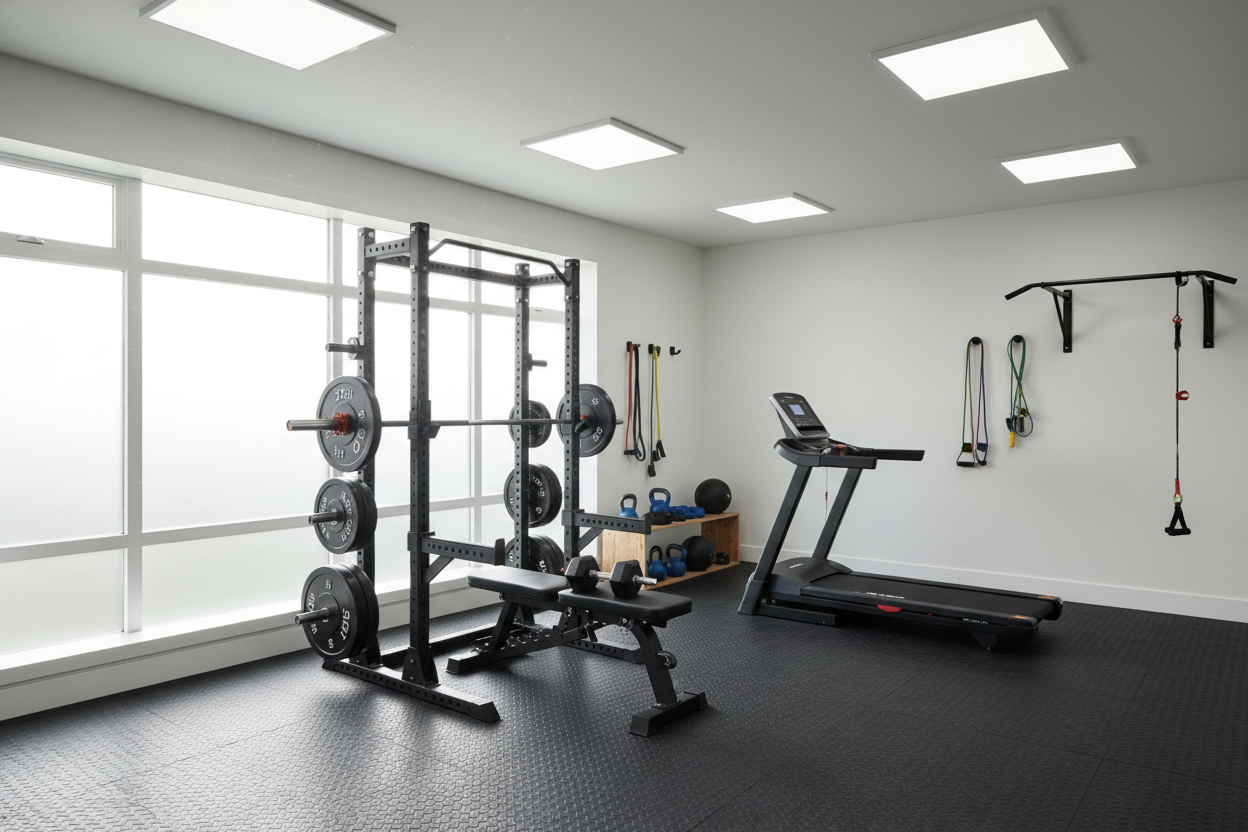
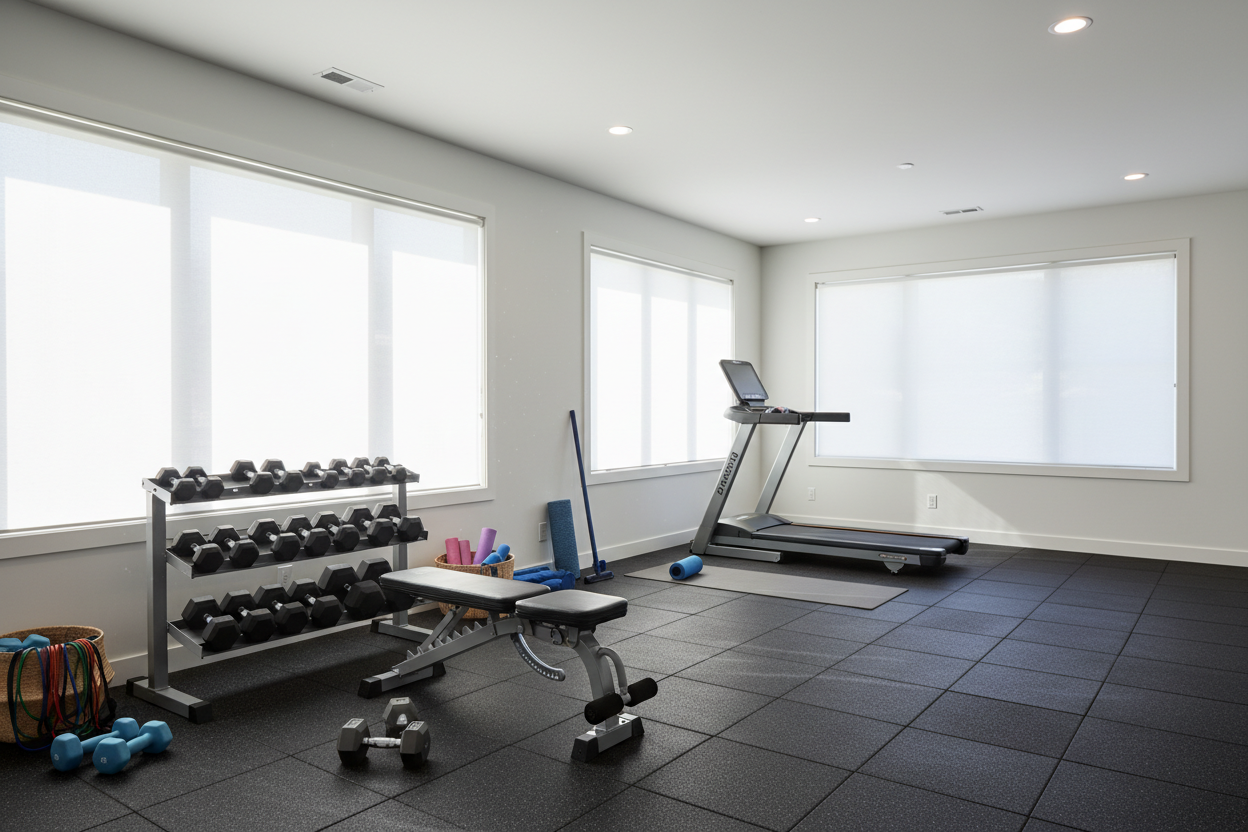
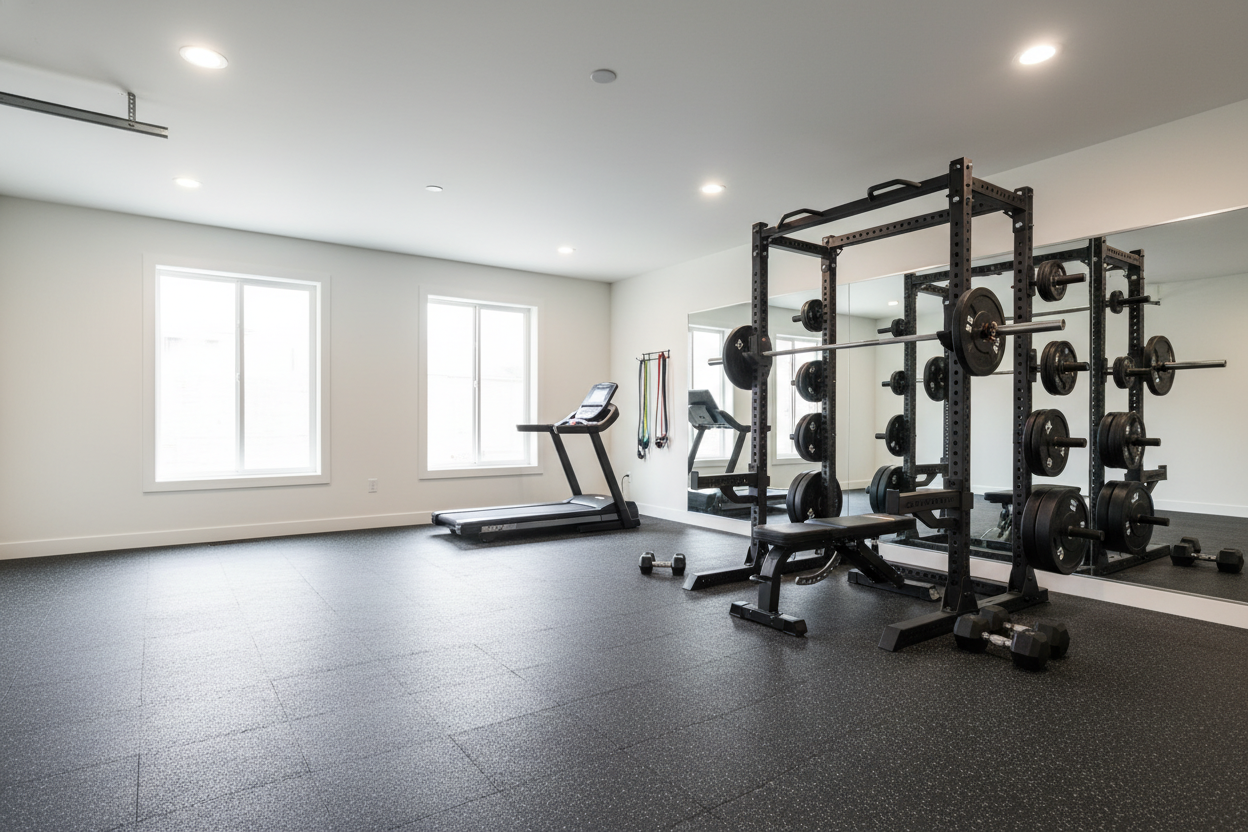
You don't need a 20,000-square-foot commercial facility to get results. My best gains happened in a cramped garage with a rack and a bar. However, you need the right tools. Investing in the best home workout equipment means buying things that won't break when you actually start moving heavy weight. A rack with a 1,000-lb capacity is a safety requirement, not a luxury.
Don't forget the floor. Dropping a heavy deadlift on bare concrete is a great way to crack your foundation and piss off your neighbors. I use a large exercise mat or horse stall mats to create a level, grippy surface. This isn't just about protection; it's about confidence. When you know the floor isn't going to give way and your feet aren't going to slip, you can actually push your limits on the best workouts routines to build muscle.
Progressive Overload: The Only Metric That Counts
Stop program hopping. I see guys change their routine every three weeks because they 'stopped feeling it.' The best exercise routine to build muscle is the one you stay on for six months. Use a notebook. Write down your sets, reps, and weight. If you did 225 for 5 last week, try for 6 this week. If you get 8, add five pounds.
It is a slow, grinding process. There are no shortcuts, despite what the bottle of pills at the supplement store says. If you focus on getting stronger in the 6-12 rep range on compound movements, eat enough protein, and sleep 7-8 hours, the muscle has no choice but to grow. It’s biology, not magic.
My Personal Hard Lesson
About five years ago, I bought a 'budget' barbell from a big-box store. It was rated for 300 pounds. The first time I loaded 315 for a set of deadlifts, the bar took on a permanent 'U' shape. I realized then that cheaping out on the gear that connects you to the weight is a mistake. I sold it for scrap and bought a quality 190,000 PSI zinc-coated bar. The knurling was better, the spin was smoother, and I stopped worrying about the bar snapping. Buy once, cry once.
FAQ
How many days a week should I train to gain muscle?
For most people, 3 to 4 days is the sweet spot. This allows for maximum intensity during sessions and full recovery between them. Five or six days often leads to diminishing returns for natural lifters.
Do I need machines to build muscle?
No. While machines are great for isolation and safety at the end of a workout, free weights (barbells and dumbbells) are the gold standard for building a base of strength and size.
Can I build muscle at home?
Absolutely. As long as you have a way to apply progressive overload—meaning you have enough weight to keep challenging yourself—your muscles don't know if you're in a fancy club or your basement.