Why Finding a Good Gym Program Free Online Feels Impossible
I’ve spent more time scrolling Reddit’s r/fitness at 11 PM than I care to admit. You’ve been there—your bench press has been stuck at 185 for two months, and you’re convinced the secret sauce is hidden in a new PDF. Finding a gym program free of charge shouldn't be this hard, yet most of what we find is fluff that ends up with a folder full of 'Day 1' screenshots and zero actual muscle.
The truth is, the internet is a graveyard of half-baked routines. Most of them are designed to look 'hard' rather than actually work. If a program has you doing three different types of bicep curls before you’ve even touched a barbell for your main lift, it’s probably trash. You need a plan that respects the science of strength, not one that chases clicks.
Quick Takeaways
- Program hopping is the fastest way to stay small and weak.
- Most free PDFs are 'lead magnets' designed to sell you an expensive app later.
- A real program must include a specific plan for progressive overload.
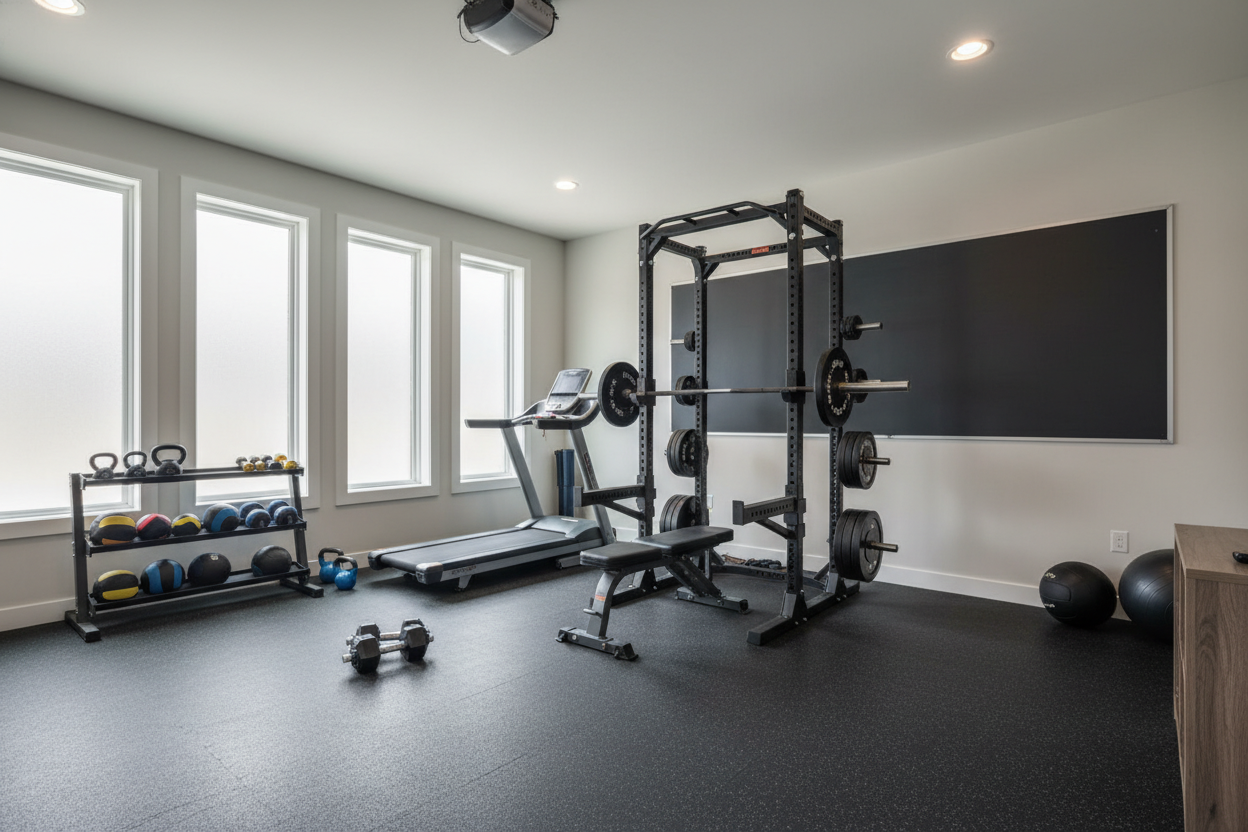
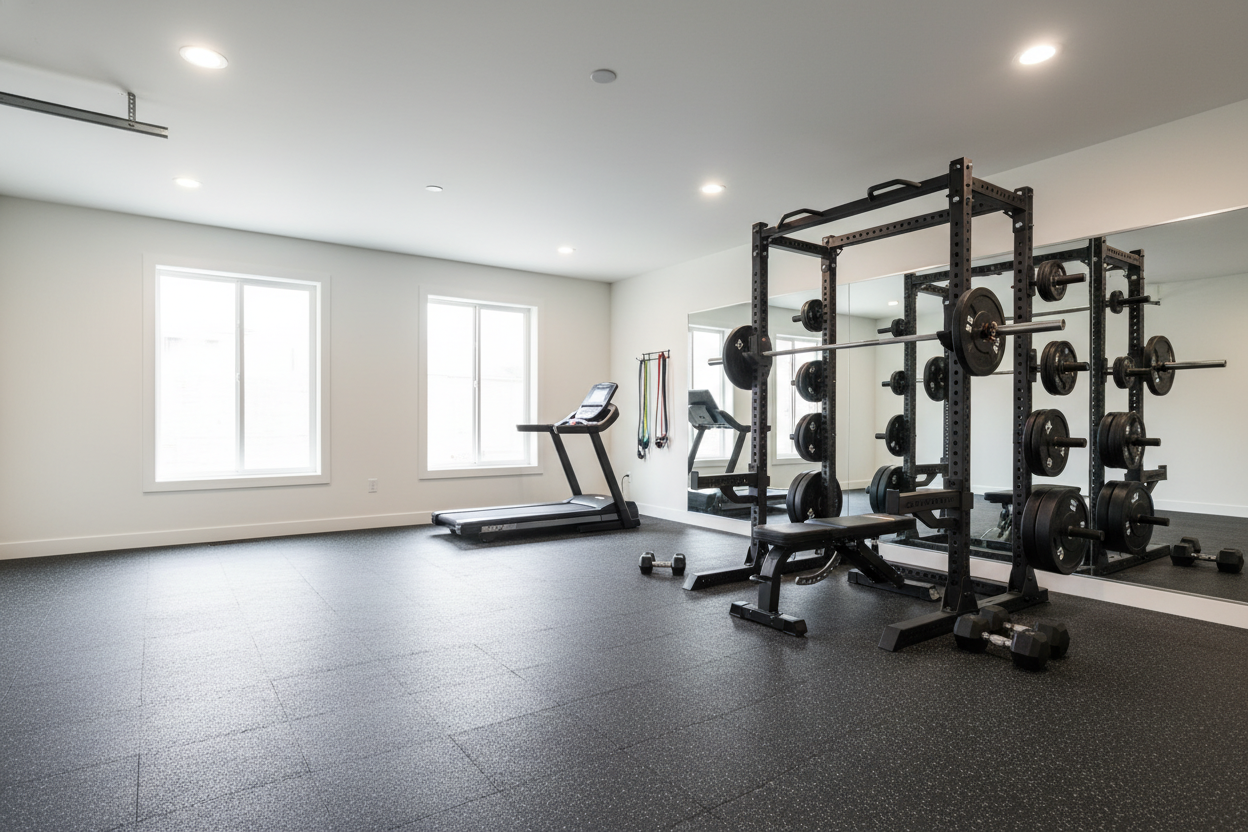
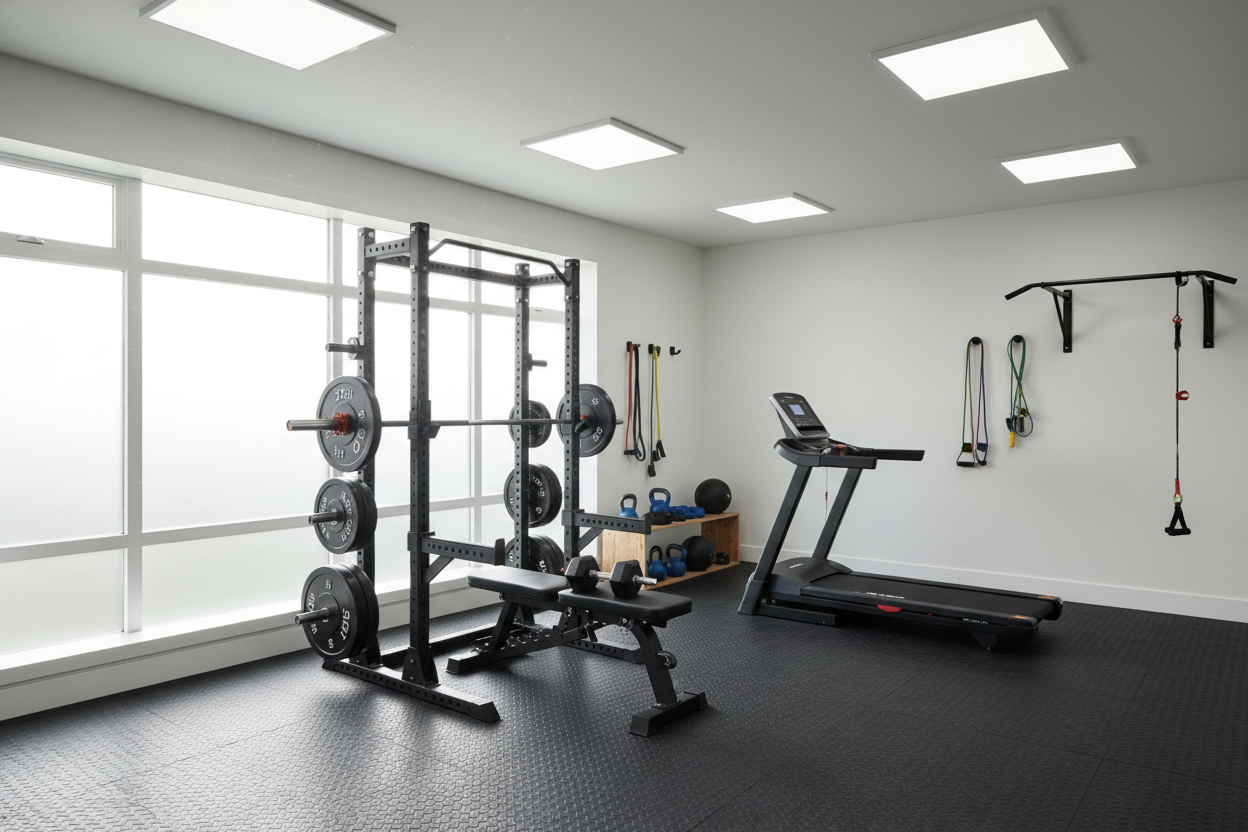
- You don't need fancy machines; a basic home setup with quality flooring is plenty.
The Problem With the 'Free Workout Split' Buffet
We are living in an era of information overload. You find a 'Powerbuilding' split on a forum, run it for six days, then see a shredded guy on TikTok doing a 'High Volume Arm Day,' and suddenly your original plan is in the trash. This is the 'free workout split' buffet, and it’s the primary reason most people never actually look like they lift. They are too busy sampling everything to finish a single meal.
Program hopping is a dopamine hit, not a training strategy. When you constantly cycle through free online workout plans, you never allow your nervous system to adapt to a movement. You’re essentially a perpetual beginner. I’ve seen guys spend three years 'trying out' every free workout gym routine they find, and they still have the same 135-lb bench press they started with. You have to stop looking for the 'perfect' plan and start looking for the 'consistent' plan that actually works.
How to Spot a Fake 'Free Gym Workout Program'
The fitness industry is built on selling you the 'next big thing.' When you search for a fitness training program free of cost, you aren't the customer—you're the product. Most of these downloads are cleverly disguised sales funnels. They’ll give you a flashy PDF with some stock photos of a guy who clearly doesn't use the program, and then they’ll hit you with a paywall on week four.
That free gym beginner workout plan pdf you just downloaded? It’s often designed to be intentionally confusing or overly difficult so you feel like you need to buy their 'Premium Coaching' to understand it. A real routine doesn't need a secret decoder ring. It needs a barbell, some plates, and a calendar. If a free gym workout program requires you to download a proprietary app just to see the rest of the reps, run the other way.
The 3 Non-Negotiables of Legitimate Free Gym Programs
If you’re vetting a new routine, look for these three things. First: Progressive Overload. This isn't just 'working hard.' It’s a specific instruction to add 5 lbs to the bar or one extra rep to the set every week. If the plan doesn't have a column for tracking your previous weight, it's just a list of exercises, not a program. A real free workout regimen is built on measurable progress.
Second: Realistic Equipment. You don't need a $5,000 functional trainer to get big. Most of the best programs ever written can be done in a garage. All you really need is a rack, a bar, and some decent exercise mat gym flooring to protect your foundation and your joints. If a gym free workout plan requires a 'Seated Iso-Lateral Row Machine' and you're training at home, just swap it for a barbell row. Don't let the lack of a specific machine be an excuse to quit.
Third: Sustainability. A 6-day-a-week high-volume split sounds great on paper, but if you have a job and a life, you’re going to fail by week two. A 3 or 4-day plan is almost always better because it leaves room for recovery. Recovery is where the muscle actually grows. If you aren't resting, you aren't growing.
Stop Searching, Start Lifting: A Routine You Can Actually Run
It’s time to stop the 'analysis paralysis.' You can spend another three weeks researching free daily workout plans, or you can pick one today and actually get a sweat going. The best routines are the ones that are boringly consistent. They focus on the 'Big Five': Squat, Bench, Deadlift, Overhead Press, and Row. These are the movements that move the needle.
If you want a recommendation from someone who has tested hundreds of these, start with a free beginner workout plan that emphasizes compound movements. It’s not flashy, but it works. For those who want more variety or are looking for something specific like powerlifting or hypertrophy, go to a comprehensive workout hub where the routines have been vetted by people who actually lift. Pick one plan, print it out, and commit to it for 90 days. No tweaks, no 'optimizing,' just work.
Personal Experience: My 6-Day Mistake
Years ago, I found a 'pro-level' high-volume leg program for free on a bodybuilding forum. It had me doing 30 sets of legs twice a week. I thought I was being 'hardcore.' By the end of the first month, my knees felt like they were filled with crushed glass and I was dreading every workout. I realized that a program meant for an elite athlete was poison for a regular guy training in his garage. I switched back to a simple 3-day full-body split, and my squat numbers actually went up while my pain went down.
FAQ
How often should I change my workout?
Hardly ever. You should stick to a program for at least 12-16 weeks. If you’re still making progress and adding weight to the bar, don’t touch a thing.
Can I build muscle with just bodyweight exercises?
Yes, but it's much harder to track progression. Adding 5 lbs to a barbell is easier and more objective than trying to find a 'harder' version of a push-up every single week.
What if I miss a day in my program?
Just pick up where you left off. Don't try to 'make it up' by doing a double session the next day. That's a one-way ticket to an injury or burnout.