Why Most Women's Weightlifting Classes Are Just Glorified Cardio
I’ve spent the last decade dragging my bruised shins across garage gym floors and testing every piece of steel I can find. Nothing gets my blood boiling faster than seeing a boutique studio charge $40 for women's weightlifting classes that are actually just high-speed arm-flailing sessions. You know the ones: the lights are low, the music is deafening, and you’re expected to do 50 reps of overhead presses with weights that weigh less than your laptop. It’s frustrating because it preys on the idea that women should only lift 'light' to avoid getting 'bulky,' a myth that should have been buried in the 90s.
The Dirty Secret About Group Fitness for Women
Searching for weightlifting classes women usually leads to a brightly lit room filled with 3-pound pink dumbbells and a fast-paced instructor who is more cheerleader than coach. The dirty secret of the commercial fitness industry is that it’s much easier to sell 'the burn' than it is to sell actual progress. Sweat is a terrible metric for a successful workout, yet these classes prioritize heart rate over mechanical tension every single time. They want you to leave feeling exhausted, but exhaustion isn't the same thing as growth.
When you sign up for a strength training class for women at a standard commercial gym, you’re often just doing aerobics with props. Genuine strength training requires progressive overload—the act of gradually increasing the weight, frequency, or number of repetitions in your routine. You can't do that when the heaviest weight in the room is 15 pounds. These classes are designed for high throughput and low equipment costs, not for turning you into a powerhouse. If you aren't touching a barbell or a heavy kettlebell, you aren't weightlifting; you're just doing a very intense dance routine.
How to Spot a Fake Strength Training Class
There are immediate red flags that you're in a cardio class disguised as a strength training class for women. First, look at the clock. If you aren't resting for at least 90 seconds to two minutes between your heavy sets, you aren't training for strength. Strength is built by taxing the central nervous system and the muscle fibers, which requires recovery time to repeat the effort. In most 'sculpt' or 'tone' classes, the rest periods are non-existent because the goal is to keep your heart rate in the 'fat-burning zone.' That’s cardio, plain and simple.
Second, look at the rep counts. If the instructor is shouting for you to do 30 reps of a bicep curl, the weight is too light to trigger hypertrophy or strength gains. Real weight lifting classes for women should focus on the 5-12 rep range for most movements. If you can do more than 15 reps without your form breaking down, the weight isn't heavy enough to force your body to adapt. Finally, check the scaling. If everyone in the room is using the same weight regardless of their experience level, the programming is lazy. A real weight training class for women should allow for individual progression, not a one-size-fits-all circuit.
What a Real Female Weight Lifting Gym Should Look Like
A real female weight lifting gym doesn't need neon signs or a DJ. It needs floor space, heavy iron, and a culture that respects the grind. When you walk into a legitimate strength facility, the first thing you should see are power racks. You should see women performing squats, deadlifts, and presses with 20kg Olympic barbells. There should be chalk on the floor and a distinct lack of 'thigh master' machines. The focus should be on the numbers in your logbook, not the calories on your watch.
In an effective environment, you’ll see people focusing on compound movements that recruit multiple muscle groups. While free weights are the gold standard, a well-equipped space will also feature heavy-duty weight lifting machines like leg presses, lat pulldowns, and cable rows to round out the programming. These machines allow you to push your muscles to failure safely after you've finished your heavy barbell work. The atmosphere should be one of focused effort, where the goal is to lift more today than you did last week. If the instructor is more concerned with your 'vibes' than your squat depth, keep moving.
Replicating the Best Parts of a Class in Your Garage
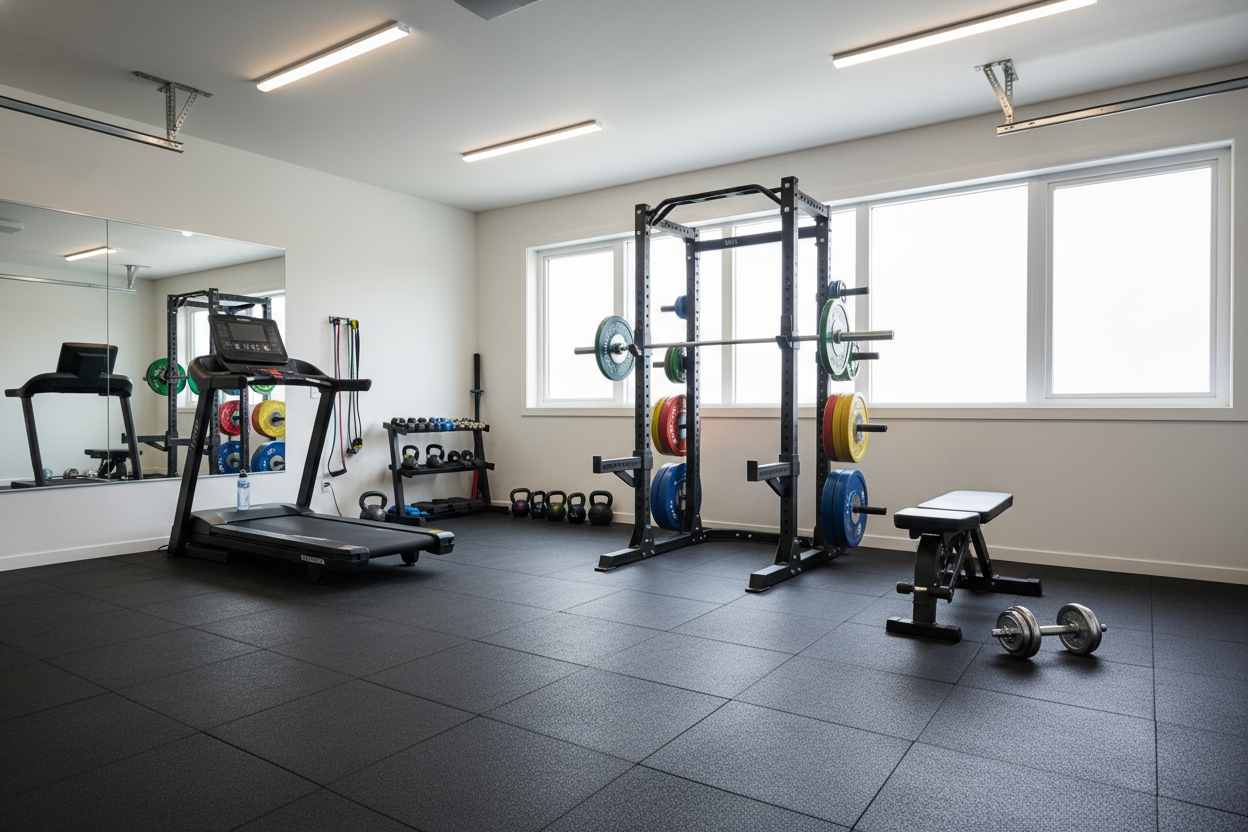
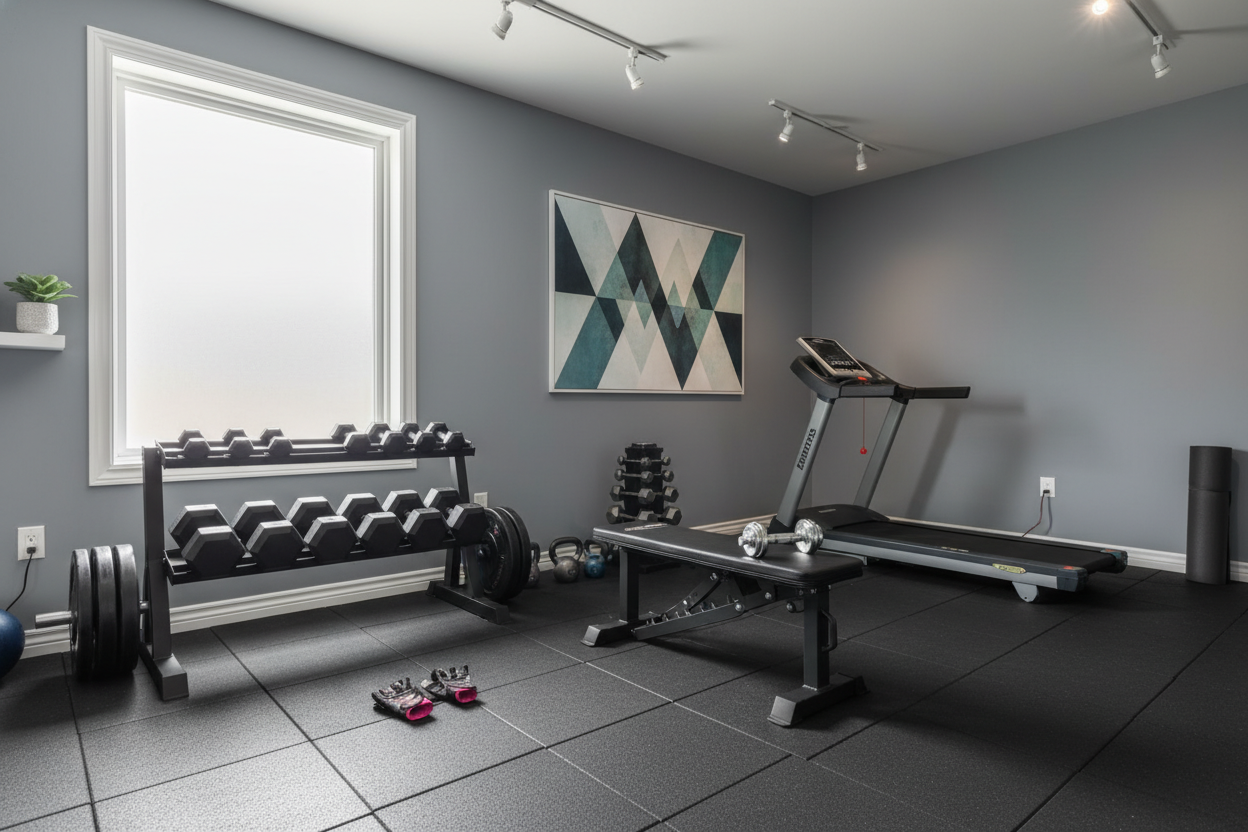
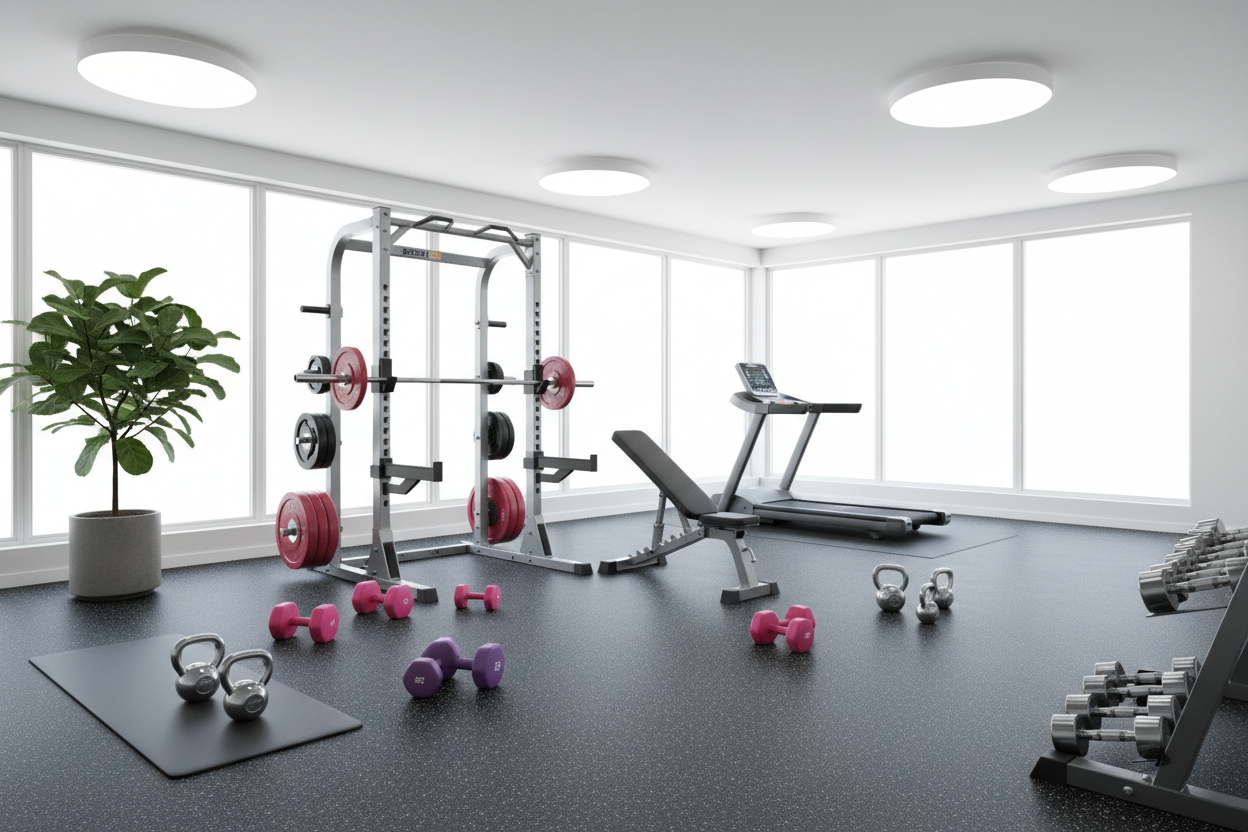
If you’re tired of the studio scene, the best move you can make is building your own sanctuary. You can replicate the community aspect through online programming or local lifting clubs, but the actual training is often better done at home where you control the variables. When you start choosing the best strength and weight training equipment for a home setup, you can ignore the fluff that commercial gyms buy to look 'approachable.' You don't need 50 pairs of dumbbells; you need one good rack and enough plates to keep you challenged for years.
The beauty of a home gym is that you can follow a program that actually works, like Starting Strength or StrongLifts, without feeling rushed by a class timer. You can take the three-minute rest you need to hit a new PR on your deadlift. You can grunt, use chalk, and drop the bar without a manager giving you a 'lunk alarm' warning. Strength training classes for women are often elusive if you're looking for high quality, so building your own space ensures you never have to compromise on your goals again.
The Bare Minimum Gear You Actually Need
You don't need a massive budget to start lifting heavy at home. The bare minimum starts with a solid power rack or squat stand with adjustable safety arms. Safety is paramount when you're training alone. Next, invest in a high-quality Olympic barbell. Don't buy the cheap $50 bars from the local sporting goods store; they have poor sleeve rotation and the knurling will cheese-grate your hands. You want a bar with a 28mm to 28.5mm diameter that can handle at least 500 pounds.
A versatile bench is the next logical step. The Gxmmat Adjustable Weight Bench is a great cornerstone for any home gym because it allows for flat, incline, and decline work, giving you way more options than a standard flat bench. Finally, round out your kit with some essential strength training accessories. I’m talking about a good set of spring collars to keep your plates from sliding, a lifting belt for when the weights get serious, and maybe some liquid chalk. This setup takes up less space than a treadmill and will do ten times more for your bone density and muscle mass.
Ditch the Studio, Keep the Gains
At the end of the day, weight lifting classes for women should be about empowerment through capability, not just burning calories. If your current class makes you feel like you're just spinning your wheels, it's because you probably are. Real strength is built in the quiet moments between heavy reps, through consistent, boring, and difficult work. It isn't always flashy, and it rarely involves a disco ball.
Whether you find a dedicated powerlifting gym or build your own iron paradise in the garage, stop settling for the 'pink weight' philosophy. You are capable of moving serious weight, and you deserve a training environment that reflects that. Ditch the glorified cardio, pick up a barbell, and start building the kind of strength that actually changes your life.
Personal Experience: My First 'Strength' Class Disaster
I remember signing up for a 'power hour' at a high-end studio a few years back. I walked in with my lifting belt, ready to work, and the instructor looked at me like I had walked in with a chainsaw. We spent 50 minutes doing pulses with 5-pound weights. I didn't even break a sweat until the last five minutes of 'finisher' burpees. I felt cheated. That was the day I decided to stop looking for classes and started buying my own plates. I realized that the industry wasn't going to give me the heavy training I wanted—I had to build it myself.
Frequently Asked Questions
Will lifting heavy make me look like a bodybuilder?
No. Building that level of muscle takes years of dedicated hyper-caloric eating and specific supplementation. Lifting heavy will simply make you stronger, denser, and more 'toned' because you'll actually have muscle underneath your skin.
How many days a week should I lift?
For most people, three to four days of full-body or upper/lower splits is plenty. Recovery is where the actual muscle building happens, so don't overtrain by trying to lift heavy every single day.
What if I don't know how to use a barbell?
The best way to learn is to hire a reputable strength coach for a few sessions or follow a reputable online program with video tutorials. Start with the empty bar and focus on your form before adding weight.