Why Most shoulder body workouts Ignore 66% of Your Delts
I spent the first three years of my lifting life obsessed with the barbell overhead press. I thought if I could just put 225 pounds over my head, I’d have those cannonball shoulders I saw in the magazines. Instead, I ended up with massive front delts, a nagging rotator cuff tweak, and a physique that looked completely flat from the side. My shoulder body workouts were fundamentally broken because I was neglecting the majority of the muscle group.
Quick Takeaways
- Standard pressing only builds the front portion of the shoulder, leading to a 'hunched' look.
- The lateral head is the only muscle responsible for actual shoulder width.
- Rear delt work is non-negotiable for shoulder health and bench press stability.
- You don't need fancy machines; dumbbells and bands are enough to hit all 3 heads.
The Problem With Press-Heavy Programming
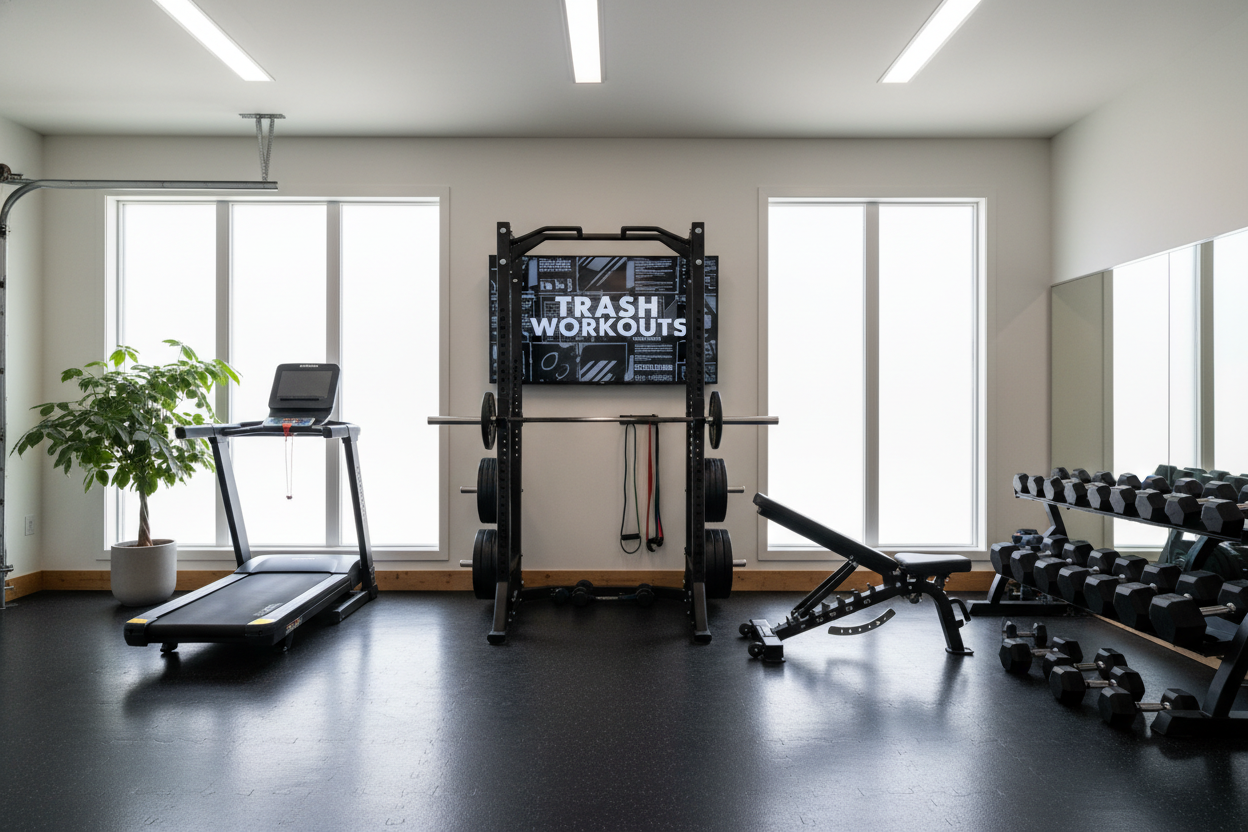
Most garage gym athletes fall into the trap of thinking 'heavy is better.' We load up the rack for military presses and incline bench, thinking we're hitting the whole shoulder. In reality, those movements are almost entirely anterior (front) delt dominant. If your routine is 90% pressing, you’re ignoring two-thirds of the deltoid. This creates a massive muscular imbalance that pulls your humerus forward, leading to that 'caveman' posture and eventually, impingement.
I’ve seen guys who can bench 315 but can’t perform a controlled 15-pound lateral raise without swinging their whole body. That’s a recipe for a labrum tear. Balanced shoulder training isn't just about aesthetics; it's about keeping your joints functional so you can keep lifting into your 40s and 50s.
Breaking Down the 3 Parts of the Shoulder Muscle
To build a complete physique, you have to understand the three shoulder heads. You’ve got the anterior (front), lateral (side), and posterior (rear) deltoids. While they all work together to move your arm, they each have distinct roles. When people ask what are the 3 shoulder muscles, they’re usually looking for how to target them specifically. You can't just 'press' your way to 3D delts because the three heads of shoulder respond to different angles of resistance.
The Front Delt: The Ego Lifter's Favorite
The anterior head is the 'show' muscle. It’s heavily involved in every chest press, dip, and overhead movement you do. Unless you’re a high-level bodybuilder, you probably don't need dedicated front delt isolation. If you’re already doing heavy barbell work, your front delt heads are likely already overdeveloped compared to the rest of the 3 shoulder muscles.
The Side Delt: Building Actual Width
This is the lateral head. If you want your shirts to fit tight in the sleeves, this is where you focus. It’s responsible for abduction—moving your arm out to the side. Since pressing doesn't hit this head effectively, you need to incorporate the best shoulder exercises for all 3 heads, specifically leaning lateral raises or cable work, to force that side head to grow. This is what creates that 'capped' look.
The Rear Delt: The Posture Saver
The posterior head is the most neglected of the 3 parts of shoulder muscle. It’s responsible for pulling your shoulders back. Ignoring the rear delt is why so many lifters have shoulders that roll forward. It’s a small muscle, but it’s the primary stabilizer for your heavy bench press. If you want a bigger bench, you need stronger rear delts.
How to Actually Hit All Shoulder Heads in One Session
The biggest mistake I see is saving rear and side delt work for the very end of the workout. By the time you’ve finished 5 sets of heavy presses, your CNS is fried and you’re just going through the motions on the 'small stuff.' Switch it up. Try pre-exhausting your rear delts or starting your session with lateral raises. You’ll find you have way more mind-muscle connection when you aren't already exhausted.
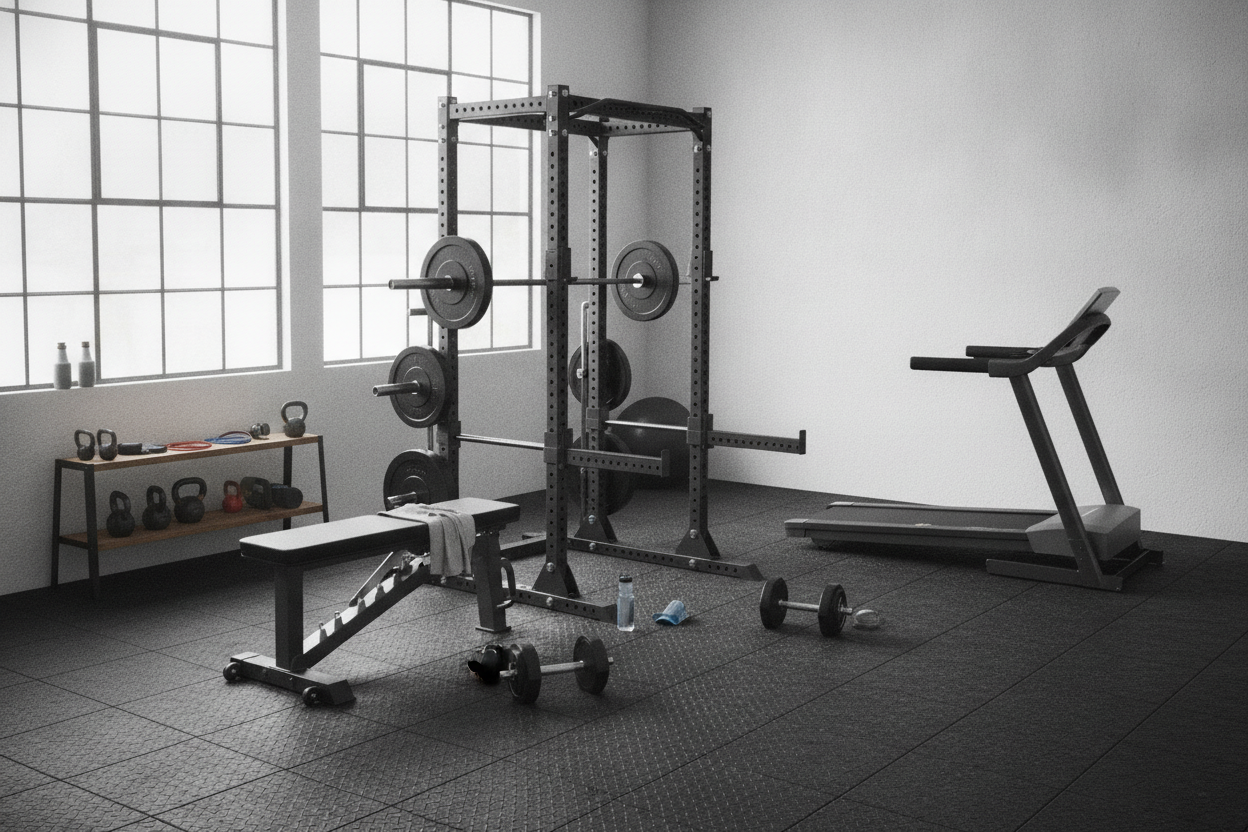
For floor-based movements like prone Y-raises or lying rear delt circles, I highly recommend clearing out enough space on a high-quality gym flooring for home workout. Doing these on a cold concrete garage floor is a great way to talk yourself out of doing them at all. Comfort leads to consistency.
A Sample Shoulder Workout to Hit All Heads
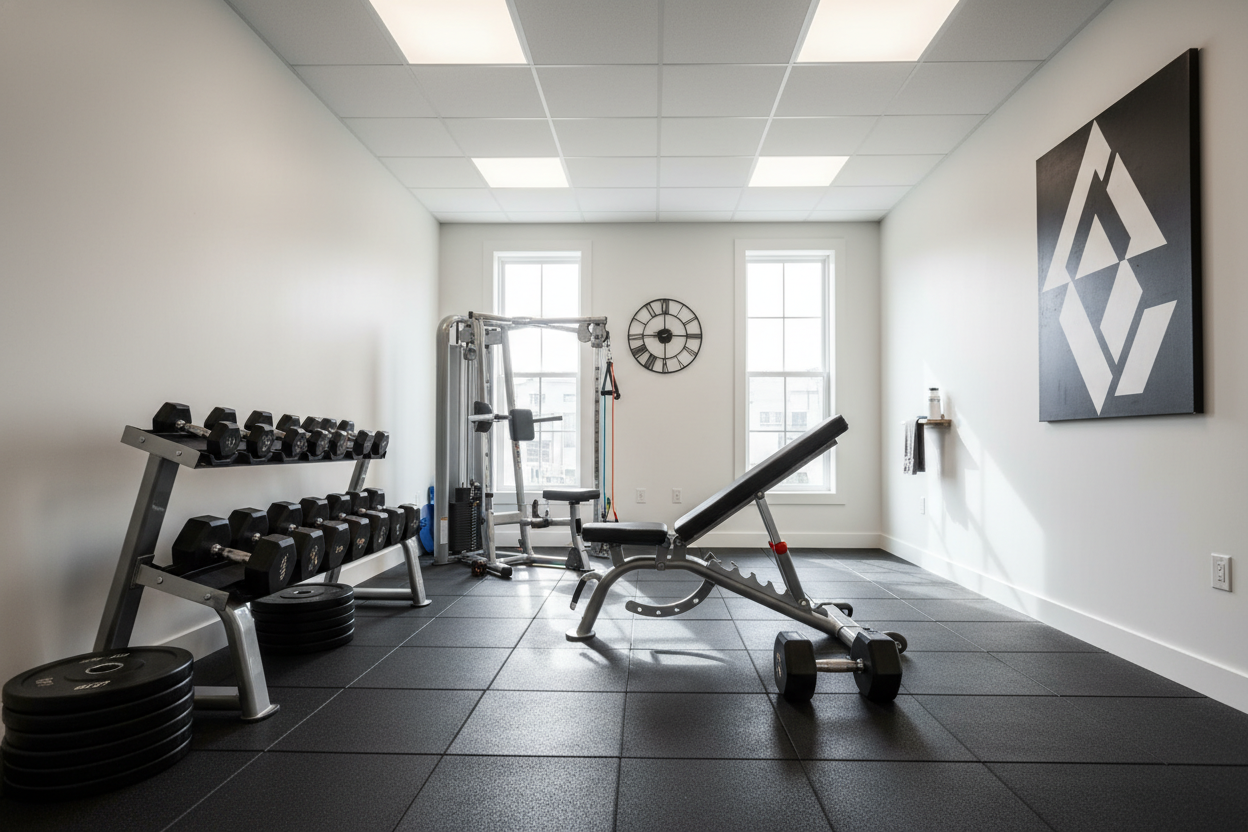
You don't need a commercial gym to do this. Grab your basic home gym equipment—a set of dumbbells and maybe some resistance bands—and follow this sequence to ensure you hit all 3 deltoids equally:
- Rear Delt Flyes: 3 sets of 15-20 reps (Start with the weakest link).
- Dumbbell Lateral Raises: 4 sets of 12-15 reps (Strict form, no swinging).
- Overhead Press (Dumbbell or Barbell): 3 sets of 8-10 reps.
- Face Pulls (with bands): 3 sets of 20 reps (Focus on the squeeze).
This sequence prioritizes the neglected heads before finishing with the heavy compound movement. It’s a total shift from the 'press first' mentality, but your joints and your mirror will thank you.
My Honest Take on Shoulder Gains
Years ago, I bought a cheap set of adjustable dumbbells that rattled every time I did a lateral raise. I hated using them, so I just stuck to the barbell. My side and rear delts vanished. The lesson? Equipment quality matters because it dictates your willingness to do the 'boring' isolation work. I eventually upgraded to a solid pair of urethane dumbbells, and suddenly, doing 10 sets of raises wasn't a chore. Don't let bad gear be the reason you have 2D shoulders.
FAQ
What shoulder exercise hits all heads?
No single exercise perfectly hits all three heads with equal intensity, but the Arnold Press comes closest because of the rotational component. However, for real growth, you are better off using specific shoulder head exercises for each section.
How to hit all shoulder heads with dumbbells?
You can hit every part of the shoulder by combining overhead presses (front), lateral raises (side), and bent-over flyes (rear). This trio is the gold standard for dumbbell-only shoulder workouts.
Why are my shoulders not growing despite heavy pressing?
You're likely only hitting the anterior head. To see growth, you need to increase volume on the lateral and posterior heads, which are often left untouched by traditional pressing movements.