Why Getting Back in Shape at 35 Requires a Totally Different Playbook
I remember standing in my garage last spring, staring at a 315-pound barbell like it was an old friend I hadn't seen in a decade. In my head, I was still the 22-year-old who could survive on pizza, four hours of sleep, and a 'no days off' mantra. I ripped that bar off the floor, felt a sickening 'pop' in my lower back, and spent the next three days rolling from my bed to the floor just to stand up. Getting back in shape at 35 is a noble goal, but if you try to use your college playbook, you're going to end up in a physical therapist's waiting room.
- Your ego is your biggest injury risk; leave the PRs in the past for now.
- Connective tissue heals slower than muscle—give your joints a lead time.
- Recovery is a metric you must track as closely as your bench press.
- High-impact movements are high-risk; prioritize low-impact intensity.
The 'I Used to Lift This Much' Trap
The hardest part of getting fit at 35 isn't the sweat; it's the psychology. We all have those 'ghost numbers' in our heads—the max bench from senior year or the 5K time from our mid-twenties. When you step back into the gym after a long hiatus, your brain tries to pick up exactly where it left off. But your 35-year-old nervous system and your 22-year-old ambition are currently speaking two different languages.
Ego-lifting on day one is a guaranteed disaster. I’ve seen guys try to jump straight back into a 5-day-a-week bodybuilding split because that’s what worked in 2012. By Wednesday, they are so catastrophically sore they can't reach the top shelf of the pantry, and by Friday, they've quit. You aren't just training your muscles; you're retraining your habits. Start with 50% of the weight you think you can handle. If it feels too easy, great. That means you’ll actually show up for your second workout.
Burnout is the silent killer of the 30-something athlete. We have jobs, kids, and mortgages now. We don't have the luxury of spending two hours in the gym and then napping for three. If your workout leaves you too exhausted to function at your 9-to-5, it’s a bad workout. Success at this age is measured by consistency over months, not the intensity of a single Monday afternoon session.
Why Your Joints Are Screaming (And How to Calm Them Down)
Physiologically, things have changed. By 35, your tendons and ligaments have significantly less blood flow than they did in your teens. While muscle memory is a real phenomenon that helps you regain size quickly, your connective tissues haven't kept pace. They are the 'weakest link' in the chain. When you start getting fit after 35, you’ll find that your muscles can often move weight that your joints aren't ready to stabilize yet.
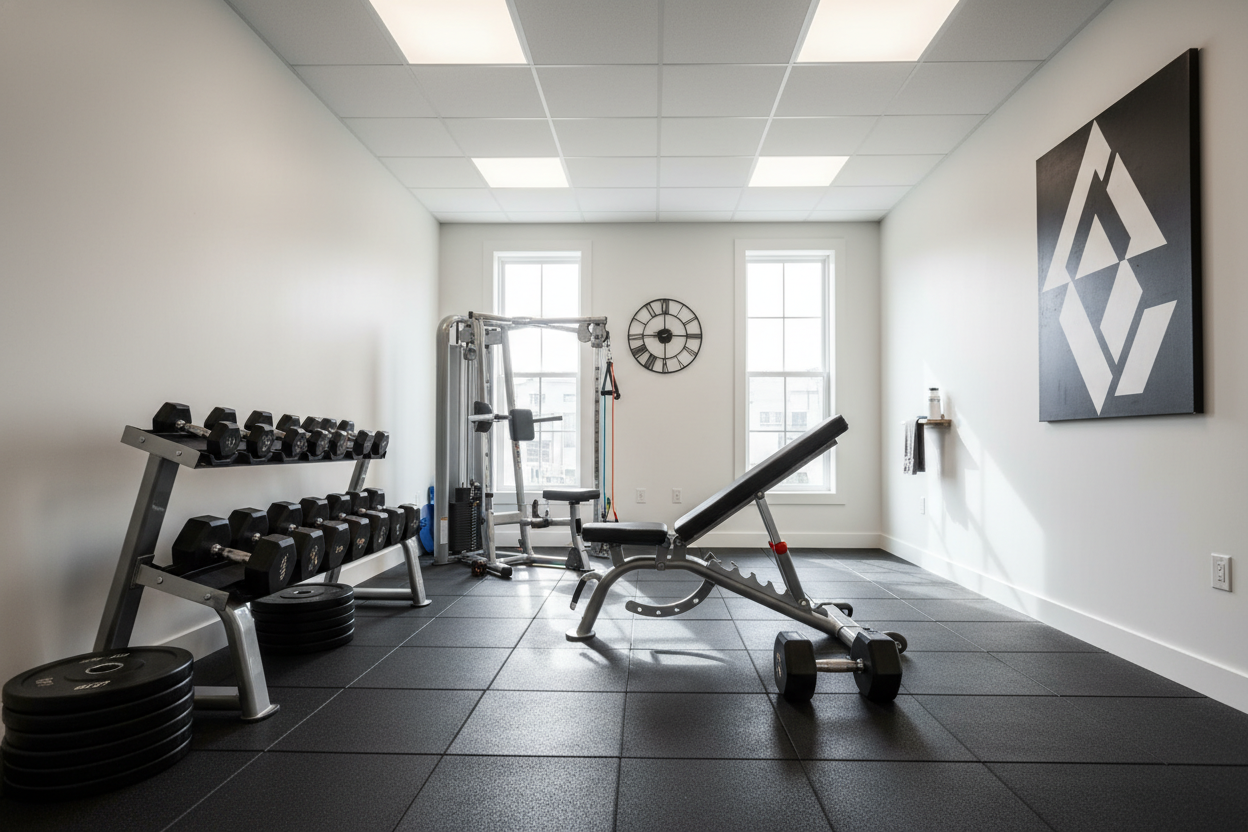
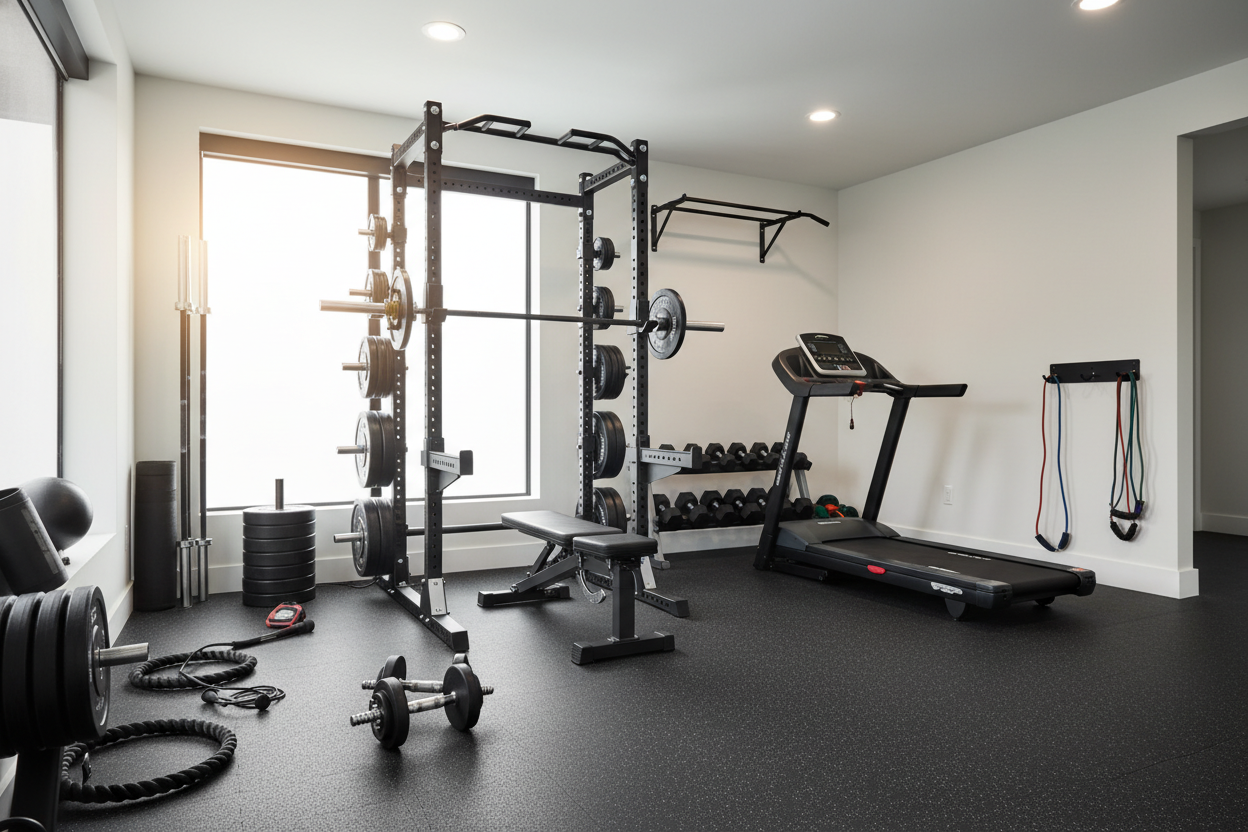
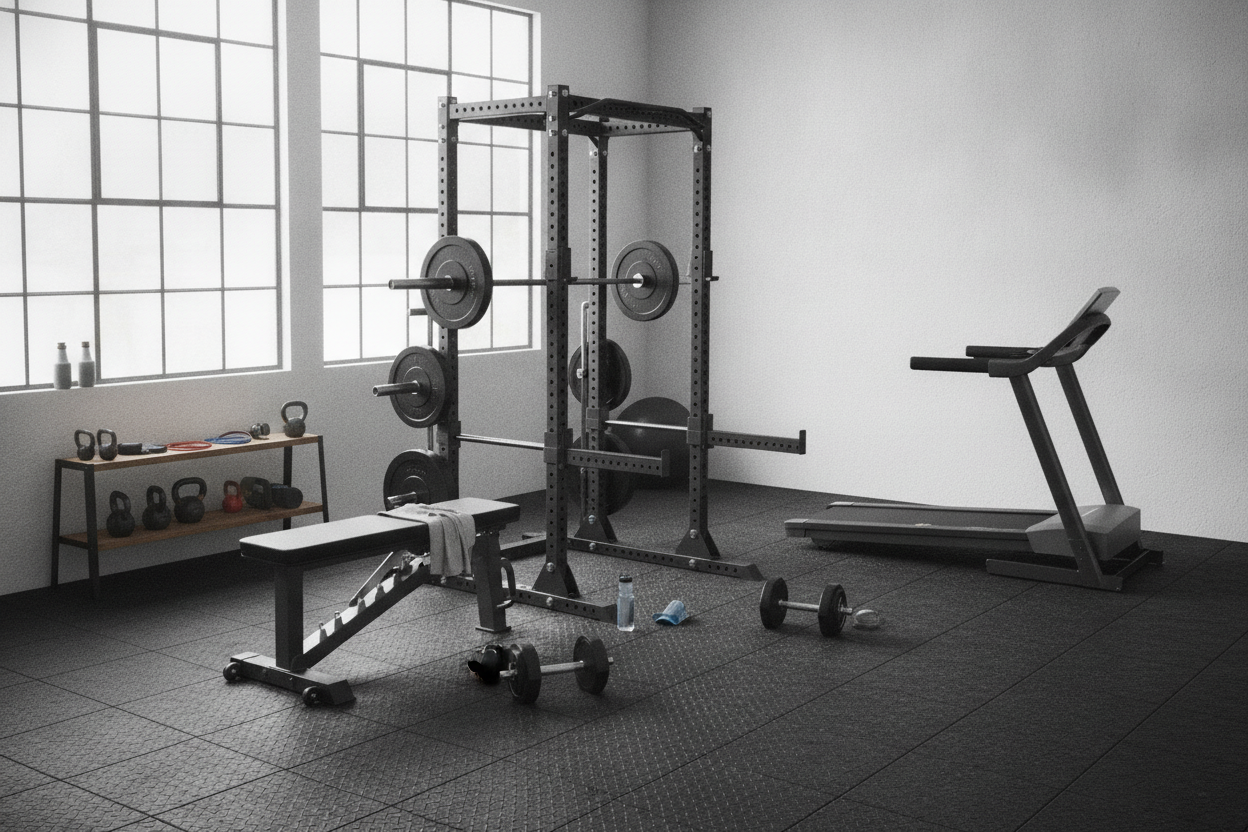
Most of us are training in garages or spare rooms. If you’re doing lunges or mountain climbers directly on a cold concrete slab or a cheap, thin rug, you’re asking for chronic inflammation. I spent six months wondering why my patellar tendon felt like it was on fire before I realized my floor was the enemy. Honestly, upgrading to an extra wide exercise mat was the single best investment I made for my longevity. Having that high-density, 7mm padding underfoot absorbs the shock that your ankles and lower back used to handle when you were younger.
You also need to rethink your warm-up. A couple of arm swings and a prayer won't cut it anymore. You need to get synovial fluid moving into those joints. Spend ten minutes on mobility—not just static stretching, but active movement. If your knees feel like they have sand in them, it’s a sign you’re rushing the process. Respect the hardware, and the software (your muscles) will follow.
The Minimalist Blueprint for Rebuilding Muscle
At 35, you need the highest possible Return on Investment (ROI) for every minute spent lifting. You don't need 'arm day' or 'calf day.' You need big, compound movements that recruit the most muscle mass in the shortest amount of time. Squats, deadlifts, overhead presses, and rows should be the pillars of your program. But here's the catch: you aren't chasing a 1-rep max anymore.
Focus on control and tension. I’ve found that the safest way to build 'grown-man strength' without blowing out a shoulder is by mastering the power of tempo training. Instead of bouncing the bar off your chest, take three seconds to lower it, pause for one, and explode up. This creates massive mechanical tension and 'time under tension'—the two primary drivers of muscle growth—without needing to load the bar with four plates on each side. It’s a smarter way to get strong that keeps your joints out of the danger zone.
Aim for three 45-minute sessions per week. This 'low-volume, high-frequency' approach works wonders because it allows for 48 hours of recovery between sessions. In your 30s, you don't grow in the gym; you grow while you sleep. If you aren't recovering, you aren't progressing. I’ve switched to a 'push/pull/legs' or a full-body split, and my strength gains have actually been more consistent than when I was training six days a week in my twenties.
Ditch the Bootcamps: Cardio That Doesn't Break You
We’ve been sold a lie that the only way to get fit is through high-intensity interval training (HIIT) bootcamps that involve endless burpees and box jumps. For a 35-year-old body that’s been sedentary for a few years, that is a recipe for a ruptured Achilles or a stress fracture. The impact-to-benefit ratio just isn't there. You want the engine of a Porsche, but you don't want to crash the car to get it.
Switch your focus to low-impact, steady-state conditioning. An AirBike, a rower, or even a weighted rucking session in your neighborhood will build your aerobic base without the orthopedic cost of pounding the pavement. If you must do intervals, do them on a bike where there’s no eccentric load on your joints. Heavy carries—like the Farmer's Walk—are another 'cheat code' for 30-somethings. Pick up two heavy dumbbells and walk for 40 yards. It builds grip strength, core stability, and cardiovascular endurance all at once, with almost zero risk of injury.
Building a Routine That Lasts Decades
The biggest shift you need to make is moving from a 'transformation' mindset to a 'foundation' mindset. You aren't training for a beach trip in six weeks; you’re training so you can still move well when you're 80. The habits you establish today—prioritizing form over weight, investing in quality gear, and respecting recovery—are what determine whether you’ll be getting 70 and fit at home or struggling to get out of a chair in thirty years.
Consistency is your superpower. A mediocre workout that you actually do is infinitely better than the perfect 'hardcore' workout that leaves you too injured to train for a month. At 35, you have the maturity to realize that fitness is a long-game. Treat your body like a high-end machine: use the right fuel, don't redline it every single day, and keep the maintenance schedule tight. Your future self will thank you.
Personal Experience: My 'Advil' Phase
Two years ago, I thought I could still 'power through' shoulder pain during pull-ups. I ignored the clicking and kept adding weight. I ended up with a subacromial impingement that took four months of boring physical therapy to fix. The lesson? Pain is information. At 35, a 'tweak' isn't something to work through; it's a signal to change your movement pattern or take a rest day. I’ve since swapped wide-grip pull-ups for neutral-grip rows, and my shoulders haven't felt this good since I was 18.
FAQ
How many days a week should I work out?
Start with three days of full-body strength training. This provides the best balance of stimulus and recovery. You can add light walking or low-impact cardio on your 'off' days to keep the momentum going.
Can I still get 'shredded' at 35?
Absolutely, but it happens in the kitchen more than the gym. Your metabolism isn't 'broken,' but you likely move less throughout the day than you did at 20. Focus on high protein intake and a slight caloric deficit rather than trying to burn off a bad diet with extra cardio.
What is the most important piece of equipment for a home gym at this age?
Beyond a set of adjustable dumbbells, invest in a high-quality flooring surface. A thick, non-slip mat protects your joints and your subfloor, making every movement safer and more comfortable.