Why Most Men's Health Shoulder Exercises Are Wrecking Your Joints
I remember flipping through a glossy magazine in my early twenties, trying to replicate a 12-move circuit that promised 'boulder shoulders' in six weeks. Halfway through the third set of heavy upright rows, my right rotator cuff felt like it was being poked with a hot needle. Most men's health shoulder exercises look incredible on a fitness model with elite genetics and a pro photographer, but they often ignore the reality of human biomechanics and the limitations of a garage gym.
Quick Takeaways
- Ditch the high-risk upright rows and behind-the-neck presses.
- Prioritize the scapular plane (about 30 degrees forward) for all pressing.
- Rear delts are the key to shoulder health and that '3D' look.
- Stability work is non-negotiable if you want to lift heavy into your 40s.
The Problem with Magazine-Style Shoulder Routines
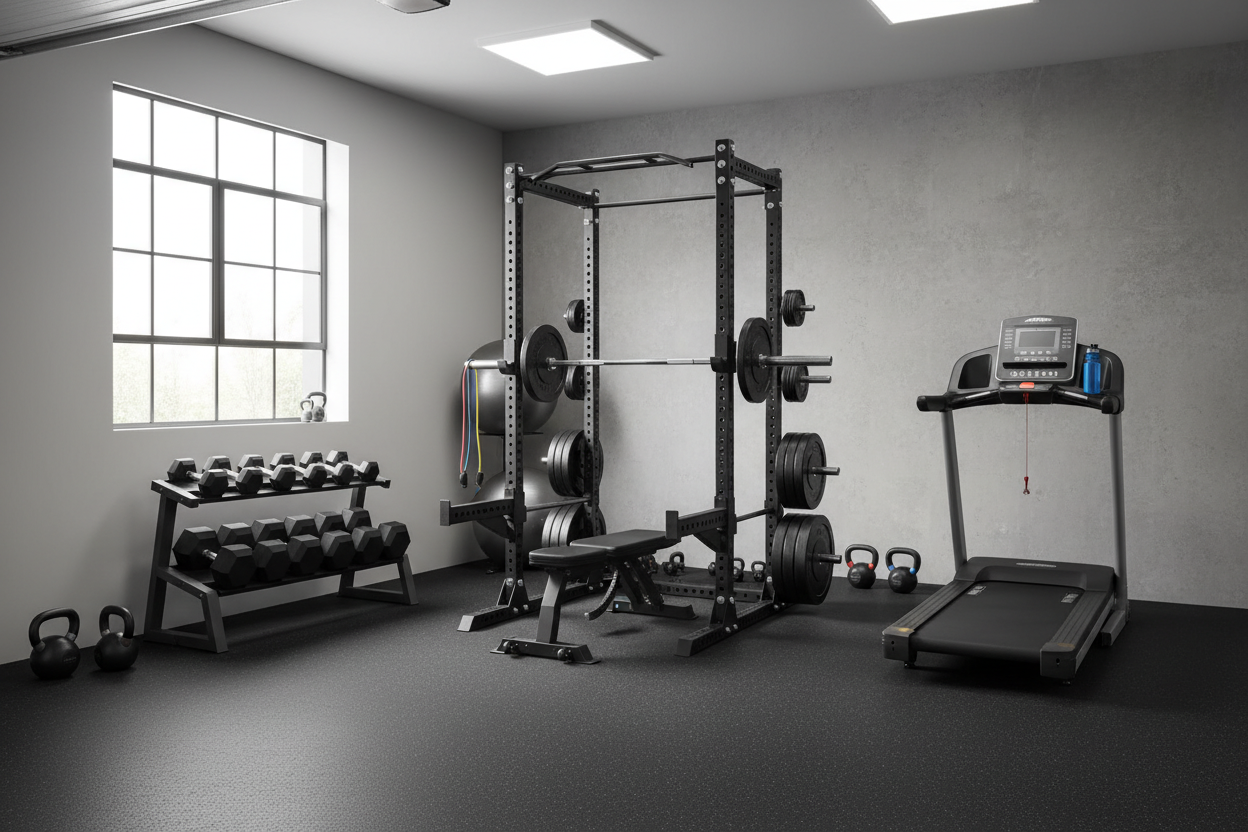
The issue with many popular shoulder workouts men's health promotes is the sheer volume of 'fluff' movements. They love complex cable angles and triple-drop sets that require four different machines. When you're training in a 400-square-foot garage with a power rack and a set of 52.5-lb adjustable dumbbells, those routines fall apart.
Beyond the equipment, these routines often force the shoulder into internal rotation under heavy load. That is a recipe for impingement. I have seen guys blow out their labrums trying to mimic a 'lateral raise variation' they saw online that had no business being done with anything heavier than a 5-lb plate. In my experience, simple is safer and more effective for building actual mass.
The 3 Men's Health Shoulder Exercises Worth Keeping
You don't need a dozen movements to grow your delts. You need three specific angles covered with enough intensity to trigger hypertrophy. If you are looking for a men's health shoulder workout that actually translates to real-world strength, focus on these staples.
Strict Dumbbell Press (For Real Front Delt Power)
I stopped doing barbell overhead presses as my primary mover three years ago. While the barbell allows for more weight, the fixed bar path can be brutal on your AC joint. Dumbbells allow your wrists and elbows to follow a more natural, slightly curved path.
When you press, keep your elbows tucked slightly forward rather than flared out to the sides. This puts the load on the muscle rather than the connective tissue. If you can move a pair of 80-lb dumbbells for sets of 8, your shoulders will be plenty big without the nagging 'click' every time you reach for a high shelf.
The Chest-Supported Rear Delt Row
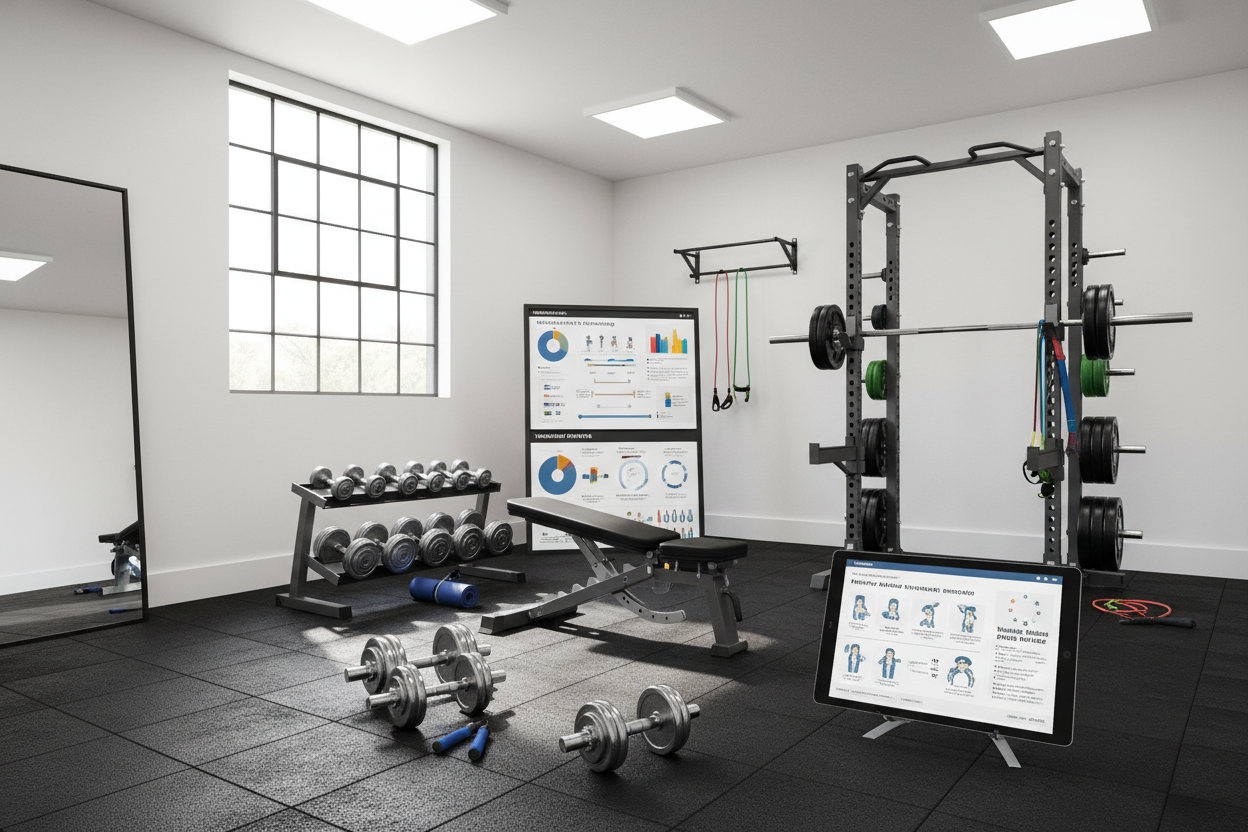
Most guys have 'caveman posture' from too much bench pressing and scrolling. To fix this, you need to hammer the rear delts. Instead of standing bent-over rows where your lower back gives out first, lay chest-down on an incline bench set to 45 degrees.
Pull the dumbbells up and out, focusing on the back of the shoulder. This eliminates momentum and forces the rear delt to do the work. It is the single best way to build that thick, rounded look from the side profile while pulling your humerus back into its proper socket.
Build Bulletproof Joints Before You Lift Heavy
You cannot build a house on a swamp. If your rotator cuff is weak, your brain will literally shut down your strength on big presses to protect the joint. I spent years ignoring the 'small stuff' until a nagging pain in my left shoulder made benching 135 lbs feel like a chore.
Before you touch a heavy dumbbell, spend ten minutes on functional exercises for shoulder health. Focus on external rotation and serratus activation. Think of it as greasing the groove. If the joint feels stable, you can push the intensity on your work sets without that underlying fear of a 'pop.'
How to Program This Men's Health Shoulder Workout
I recommend hitting shoulders twice a week. One day should be heavy pressing focused, and the other should be high-volume isolation. Don't try to crush your CNS with 20 sets in a single session. If you need more structure, check out our Workout Hub for routines that balance shoulder work with chest and back days.
For your warm-up and floor-based movements, make sure you have decent gym flooring for home workout. Doing T-spine mobility work or dead-bugs on cold concrete is a great way to talk yourself out of a workout. A solid 7mm to 10mm mat makes the pre-hab work much more tolerable.
Personal Experience: The Upright Row Mistake
I used to swear by heavy upright rows. I thought the 'burn' meant my traps and side delts were exploding. In reality, I was just grinding my supraspinatus tendon against my acromion. One afternoon, while pulling 155 lbs on a barbell, I felt a sharp 'snap' followed by weeks of weakness. I had to take two months off from all upper body pushing. That's when I realized that 'feeling the burn' isn't worth a structural injury. Now, I stick to high-rep lateral raises with a controlled tempo.
FAQ
Can I build big shoulders with just dumbbells?
Yes. In fact, for most people, dumbbells are superior to barbells for shoulder hypertrophy because they allow for a greater range of motion and better joint alignment. You just need enough weight to stay in the 8-15 rep range.
How often should I train rear delts?
You can train them almost every workout. They are small muscles that recover quickly and are almost always under-active compared to the front delts. I usually add 3 sets of face pulls or rear delt flyes to the end of every upper body session.
Is overhead pressing necessary for mass?
It is the most efficient way to add mass, but it is not 'necessary.' If you have a history of impingement, you can build impressive shoulders using high-volume lateral raises and heavy incline bench presses instead.