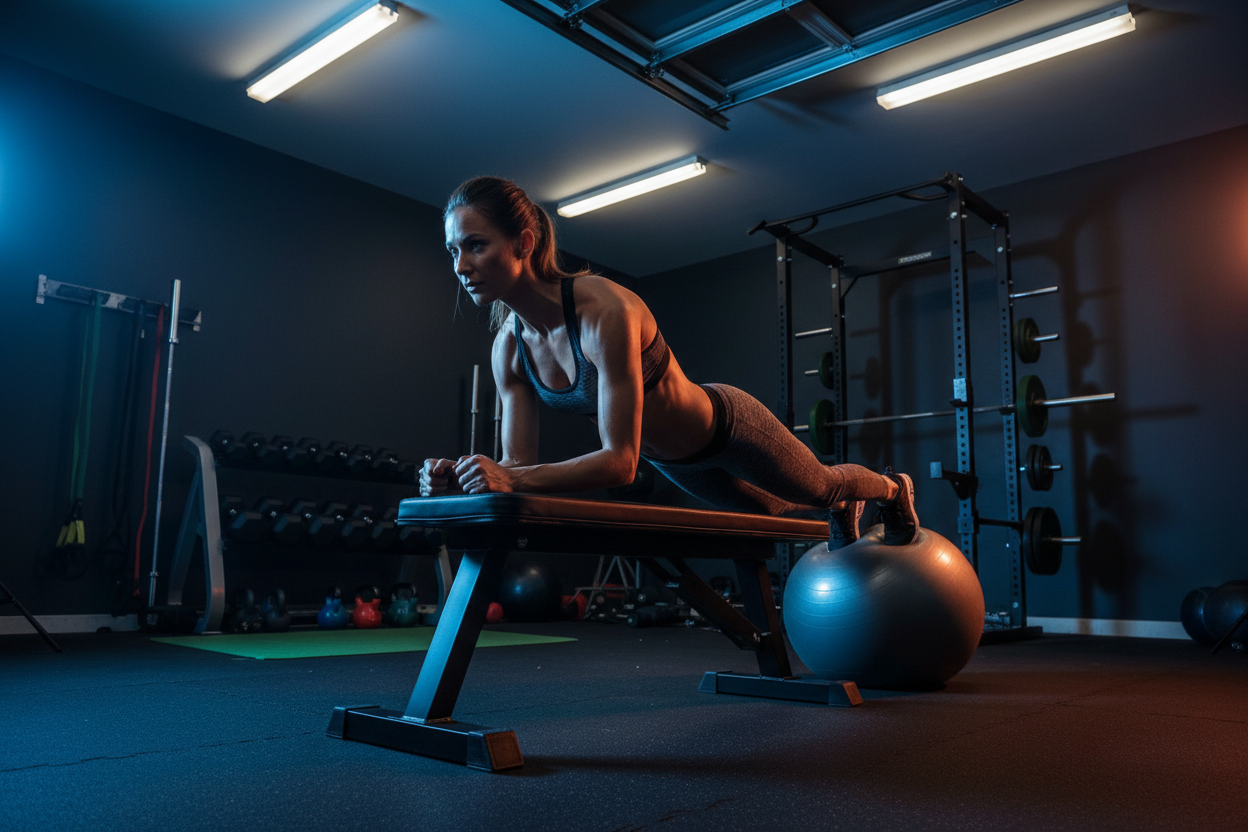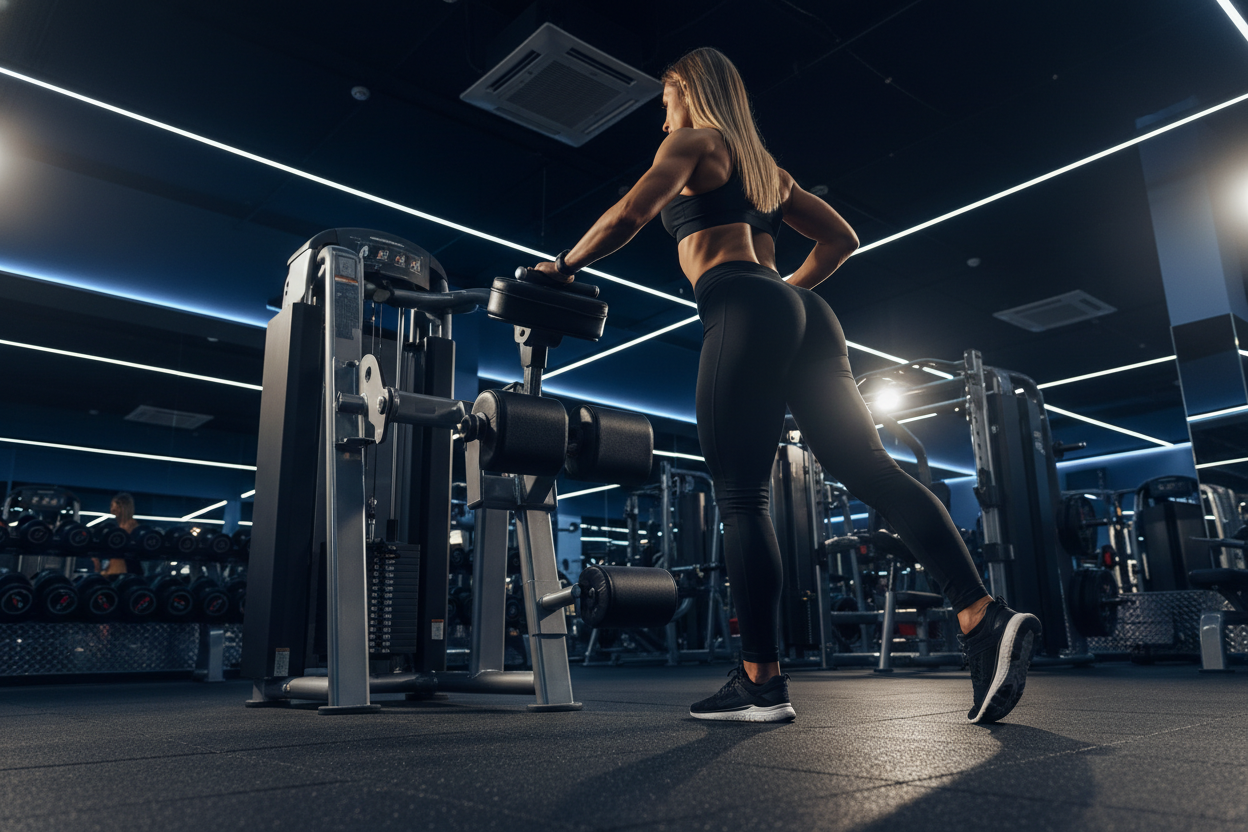
Why Most Leg Toning Exercises for Females Fail (And How to Fix It)
You have likely stood in front of the mirror, frustrated, wondering why endless squats and treadmill sessions haven't delivered that sculpted, athletic look you were promised. It is a common grievance. The fitness industry often feeds a narrative that light weights and high repetitions are the only path to lean legs, but physiology tells a different story. To truly change the shape of your lower body using leg toning exercises for females, we need to move past the myths and look at how muscle tissue actually adapts.
Key Takeaways for Effective Toning
- Volume isn't everything: Doing 50 reps with zero resistance builds endurance, not the muscle definition required for a "toned" look.
- Compound movements rule: Isolated exercises (like leg extensions) are secondary; squats, lunges, and deadlifts drive the metabolic demand needed for results.
- Progressive overload is non-negotiable: If you do not challenge the muscle with increased weight or tension over time, it has no reason to change shape.
- Nutrition controls visibility: You can build great muscle, but without a caloric deficit or maintenance strategy, that definition remains hidden.
The Physiology of a Toning Leg Workout for Women
Let’s clarify a massive misconception: "Toning" is not a medical term. When you say you want to tone, what you actually mean is you want to build muscle tissue while keeping body fat low enough to see that definition. That is it.
Many women fear that lifting challenging weights will result in a "bulky" physique. However, females generally lack the testosterone profile required to pack on massive amounts of size without deliberate, years-long effort and a caloric surplus. A proper toning leg workout for women relies on hypertrophy (muscle growth) training, usually in the 8–12 rep range, to create firm lines rather than soft mass.
The Importance of the Posterior Chain
A major mistake in womens leg toning exercises is being quad-dominant. If you only focus on squats and lunges, you develop the front of the leg while neglecting the back. For a balanced, aesthetic look, you must prioritize the posterior chain—your hamstrings and glutes. This lifts the leg visually and prevents knee injuries caused by muscle imbalances.
Top 3 Exercises That Actually Work
1. The Romanian Deadlift (RDL)
This is superior to the leg curl machine. The RDL stretches the hamstring under load. This eccentric (lowering) motion causes micro-tears in the muscle fiber that, when repaired, result in tighter, stronger legs. Keep your back flat and hinge at the hips, not the waist.
2. The Walking Lunge
Walking lunges add a dynamic stability element. Because you are moving forward, your glutes have to fire harder to stabilize the pelvis. This exercise targets the "tear drop" muscle above the knee and the glute-ham tie-in.
3. Goblet Squats
Back squats can be intimidating. The Goblet Squat, where you hold a weight at your chest, forces you to keep an upright torso. This engages the core and hits the quads effectively without placing unnecessary compressive load on the spine.
My Personal Experience with Leg Toning Exercises for Females
I spent the first three years of my training career doing exactly what the magazines told me to do: high-rep kickbacks and air squats until I collapsed. I thought the "burning" sensation meant it was working. It wasn't. My legs got stronger, but they looked exactly the same.
The shift happened when I stopped chasing the burn and started chasing mechanical tension. I remember the first month I committed to heavy split squats. It wasn't glamorous. I recall the specific, annoying feeling of my grip failing on the dumbbells before my legs actually gave out—a sign I needed lifting straps. I also remember the distinct wobble in my ankles during the last two reps, fighting to keep my knee from caving in. That wobble was my stabilizers finally waking up. It wasn't until I embraced that heavy, uncomfortable tension—where I was making ugly faces by rep 8—that I actually saw the lines in my quads appear.
Conclusion
Stop fearing the weight rack. The "bulky" look comes from excess calories, not heavy dumbbells. By incorporating compound movements and focusing on progressive overload, you will achieve that athletic aesthetic much faster than with endless cardio. Trust the process, track your weights, and eat to fuel your recovery.
Frequently Asked Questions
How often should I do leg toning exercises?
For most women, training legs twice a week is the sweet spot. This allows you to hit the muscles with enough frequency to stimulate growth while offering enough rest days for the tissue to repair and "tone" up.
Can I tone my legs without weights?
You can start without weights, but eventually, bodyweight exercises will stop providing enough stimulus. To continue seeing changes in leg definition, you will need to add resistance, whether through bands, dumbbells, or kettlebells.
Why are my legs getting bigger instead of smaller?
This is often a temporary phase where muscle is building underneath a layer of body fat that hasn't burned off yet, or it is due to water retention from muscle repair (inflammation). Ensure you are in a slight caloric deficit if your goal is to reduce overall circumference.