Why Most Home Setups Ruin Real Strength Gym Training
I remember the night I finally quit my $80-a-month commercial gym. I was tired of waiting twenty minutes for a squat rack while staring at rows of pristine, untouched pec deck machines. I thought I would just buy those same machines for my garage. Big mistake. I spent three grand on 'versatile' equipment that ended up being glorified clothes racks because they couldn't handle the load of actual strength gym training.
- Prioritize a 3x3-inch steel power rack over any flashy cable machine.
- Compound movements are the only way to build real-world strength and density.
- Quality barbells have better knurling and higher tensile strength for heavy pulls.
- Never skimp on floor protection; concrete cracks faster than your ego.
The Difference Between 'Working Out' and Getting Strong
Sweating isn't the same as progressing. You can do burpees until you puke, but that won't help you deadlift five hundred pounds. A real gym strength training workout is about one thing: progressive overload. If you aren't adding weight to the bar or squeezed out an extra rep with the same weight, you're just exercising, not training.
In my first year, I chased the pump. I did high-rep isolation work and wondered why my bench press stayed stuck at 185. True strength requires a focus on the central nervous system. You need to move heavy objects through a full range of motion. That is the harsh reality most 'fitness influencers' won't tell you because it's harder to sell a barbell than a fancy vibrating platform.
Why Flashy Machines Sabotage Your Garage Setup
People try to turn their 400-square-foot garage into a miniature Planet Fitness. You don't need a leg press that takes up half the floor and costs two thousand dollars. You need a strength workout gym built on versatility and durability. Most home-grade machines use cheap plastic pulleys and thin cables that feel gritty after three months of use.
When you buy a machine, you're locked into one movement path. When you buy iron, you have infinite possibilities. I've seen guys waste their entire budget on a leg extension machine while using a $90 barbell that bends permanently under a 225-lb load. That is a recipe for a stagnant total and a broken heart.
Stop Chasing Cable Crossovers
Cable crossovers are the 'dessert' of lifting. If you haven't eaten your steak—meaning heavy squats, presses, and rows—you have no business worrying about the cables. Dual adjustable pulleys are great for finishing a workout, but they are a massive distraction if you haven't yet built a base level of strength with free weights. Put that money into a better rack first.
The Only 4 Pieces of Iron You Actually Need
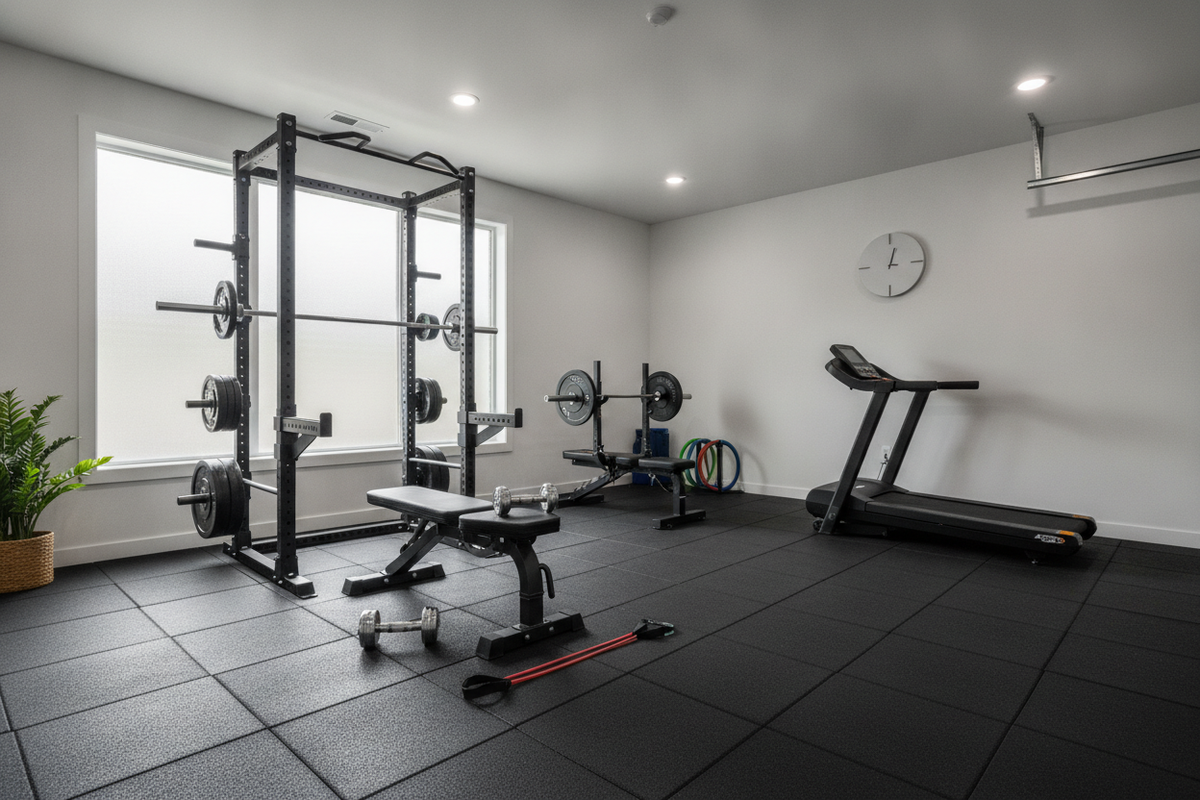
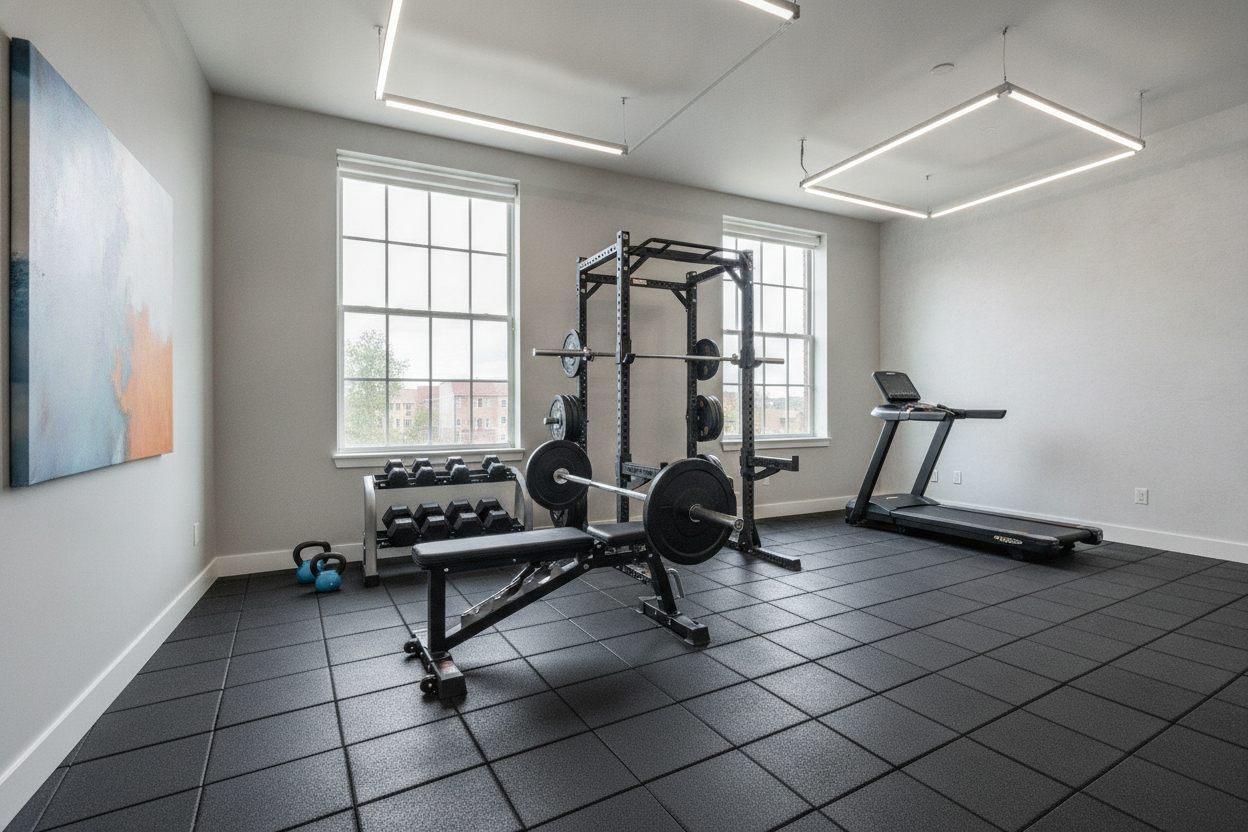
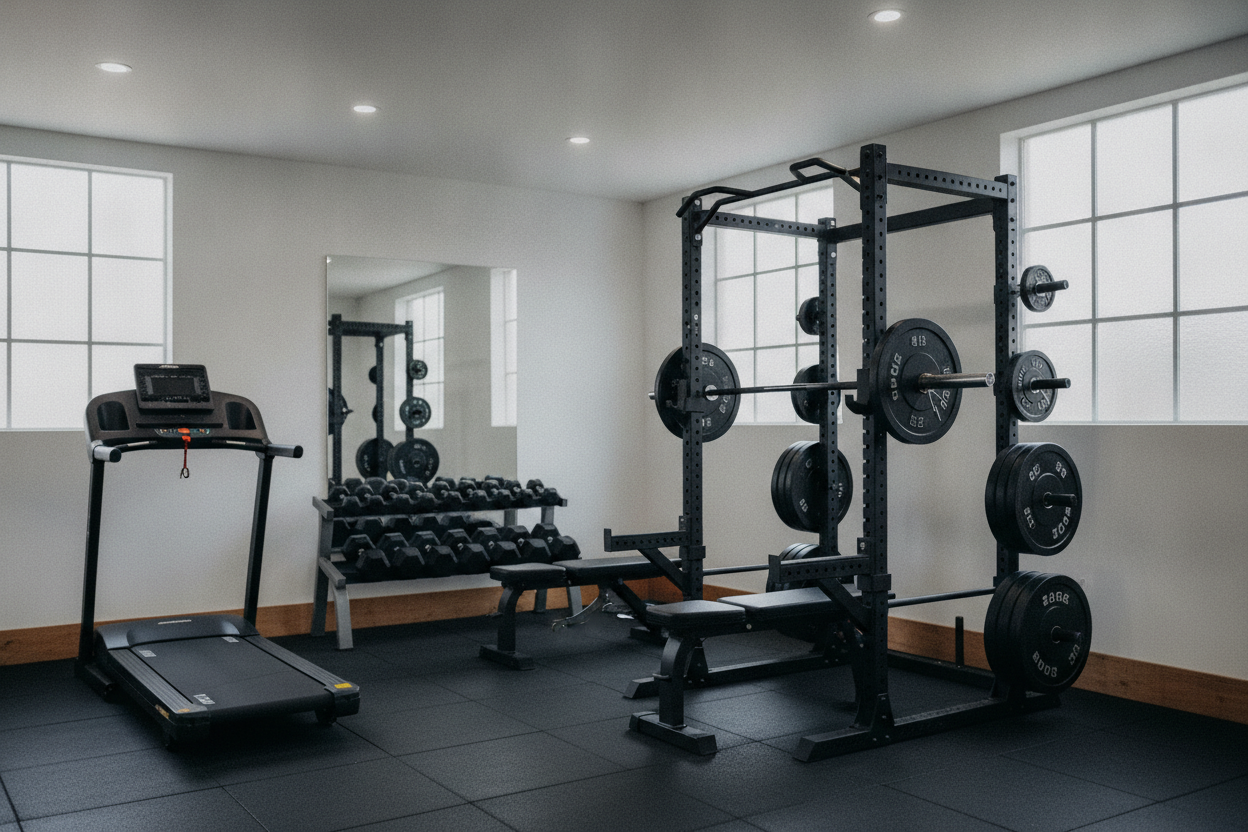
If you want to move serious weight, you only need four things. First, a power rack with 11-gauge steel and 5/8-inch or 1-inch hardware. Second, a bench rated for at least 1,000 lbs. Third, an Olympic barbell with a 190,000 PSI tensile strength minimum. Finally, enough plates to actually challenge yourself. This is where you spend your money on foundational strength equipment.
I personally use a bar with aggressive knurling because my hands sweat like crazy. If the bar is sliding in your grip, you're not training your back; you're training your frustration. Invest in a bar that bites back. You want a 28.5mm or 29mm diameter for stability during heavy presses. Don't buy a 'standard' 1-inch bar from a big-box store; it's a toy, not a tool.
Structuring Your Lifts Without Overcomplicating Things
Stop the five-day 'bro splits.' Unless you're on performance enhancers, hitting a muscle group once a week is the slow lane to nowhere. For home lifters, a full body strength training workout three times a week beats a body-part split every time. You hit the big lifts more often, and your body adapts faster to the frequency.
A solid strength training gym workout should revolve around a squat, a hinge, a push, and a pull. That's it. If you do those four things three times a week and eat enough protein, you'll see more progress in six months than you did in six years at the commercial gym. Keep the logbook, track the numbers, and stop looking for 'new' exercises to confuse the muscle.
The Boring Stuff You Can't Afford to Ignore
Buy real collars. The spring ones that come with cheap sets eventually lose their tension and slide. I've had a 45-lb plate slide off during a squat, and it's not a fun way to meet your chiropractor. Use 3/4-inch stall mats or a dedicated gym flooring for home workout solution to save your foundation. Concrete is brittle; iron is not.
Don't forget the small strength training accessories that make a big difference. A 10mm lever belt and some liquid chalk are worth their weight in gold once the weights get heavy. These aren't crutches; they are tools that allow you to push your muscles further without your grip or core being the immediate point of failure.
My Biggest Gear Mistake
I once bought a 'bargain' adjustable bench from a random site. During a heavy set of incline presses, the adjustment pin sheared off. I ended up flat on my back with 200 lbs hovering over my neck. I learned that day that 'cheap' in a home gym isn't just a waste of money—it's dangerous. Buy gear that is overbuilt for your current strength so you have room to grow into it.
FAQ
How much space do I actually need?
A 10x10 foot area is the sweet spot. It gives you enough room for a full-size power rack and a 7-foot Olympic bar with room to load plates on the sides without hitting the walls.
Should I buy bumper plates or iron plates?
Iron is thinner, meaning you can fit more on the bar, and it's usually cheaper. Bumpers are quieter and essential if you plan on doing any Olympic lifts or dropping deadlifts frequently.
Is a power rack really necessary?
Yes. Unless you have a spotter living in your garage, those safety pins are your only insurance policy. Never squat or bench heavy alone without them.