Stop Overcomplicating Shortened Position Glute Exercises
I was scrolling through my feed the other night, and I swear every other post was a self-proclaimed biomechanics coach explaining why my glute growth had stalled because of my iliac fiber alignment. It is enough to make you want to sell your power rack and take up competitive knitting. We have reached a point where people are so obsessed with shortened position glute exercises that they have forgotten how to actually move heavy weight and train hard.
- Shortened position means the muscle is under the most tension when it is fully contracted (the 'squeeze').
- Lengthened position means the muscle is under the most tension when it is stretched (the bottom of a squat).
- A balanced program requires hitting both ends of the spectrum.
- Stability is the secret sauce—if you are wobbling, your glutes are not growing.
The Internet Is Making Biomechanics Way Too Complicated
Lately, the fitness world has developed a weird obsession with shortened vs lengthened position glutes. If you listen to some of these influencers, you would think that performing a standard lunge is a total waste of time unless you are measuring the exact degree of your shin angle with a protractor. It is true that shortened and lengthened glute exercises target the muscle differently, but you do not need a master's degree in kinesiology to build a better posterior chain.
The science is real, but the application is being buried under jargon. Most people just need to stop overthinking and start loading. The goal is simple: pick movements that challenge the muscle at different points in its range of motion. You do not need to reinvent the wheel; you just need to understand which wheel you are spinning.
What Are We Actually Talking About Here?
Let's strip away the fluff. When we talk about shortened glute exercises, we are talking about movements where the hardest part of the lift is at the very top, when your glutes are squeezed tight. Think of a hip thrust. The weight feels heaviest and the tension is highest when your hips are locked out and your glutes are 'short.'
Compare that to lengthened glute exercises, like a Romanian Deadlift or a deep squat. In those movements, the glutes are under the most stress at the bottom, when they are stretched out. If you only do RDLs, you are great at the stretch but missing out on the peak contraction. If you only do glute bridges, you are missing out on the mechanical tension that comes from a deep stretch. You need the full range to see real progress.
Why Your RDLs and Squats Aren't Enough
I love a heavy RDL. Nothing beats the feeling of a 315-lb pull that torches the hamstrings and glutes. But relying purely on glute lengthening exercises is like trying to build a chest with only deep flies and no bench press. You are leaving half the gains on the table. The glutes are unique because they are incredibly powerful in that fully contracted, shortened position.
If you ignore glute shortened position exercises, you are essentially ignoring the muscle's strongest point. This is often why people hit a plateau. They get strong at the bottom of the movement but lack the 'pop' at the top. To really round out your development, you have to filter through the noise and focus on the only glute exercises you actually need to cover the full spectrum of muscle lengths.
My Go-To Setup for Maximum Contraction
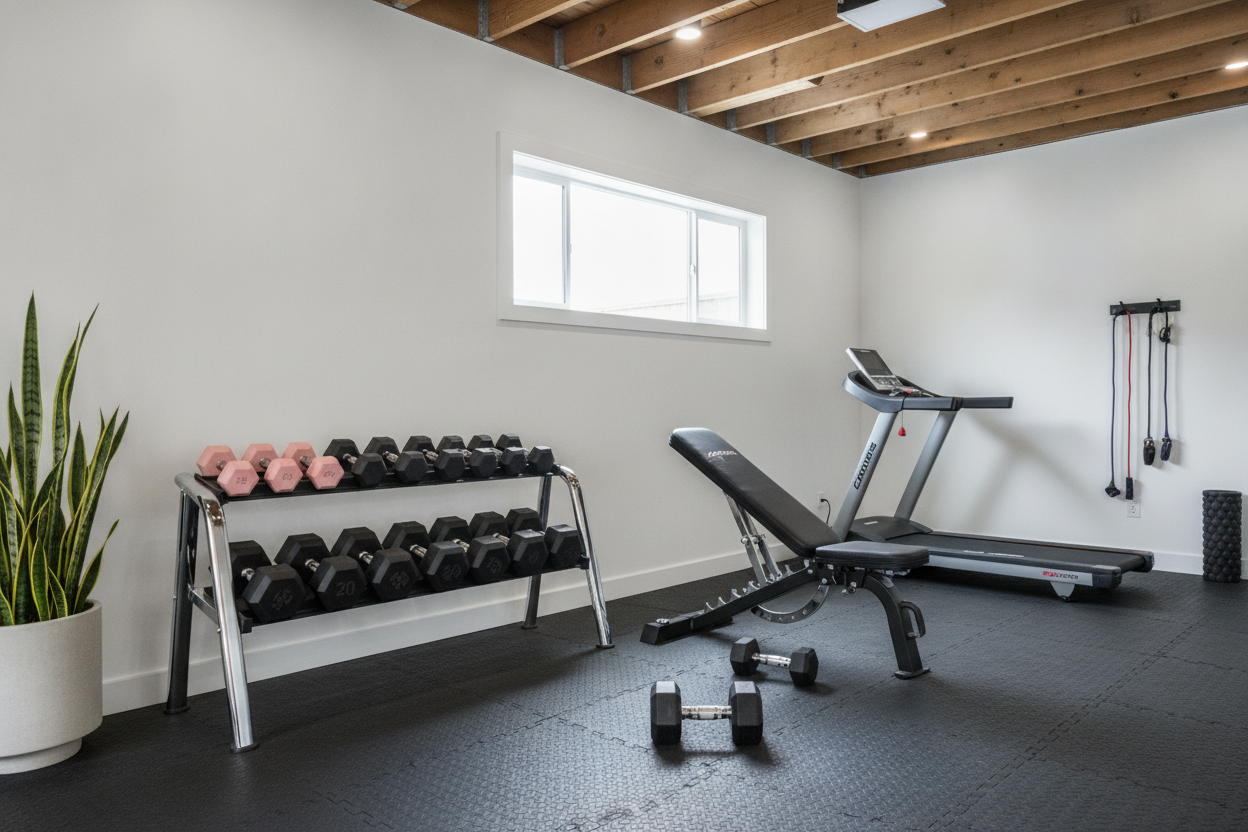
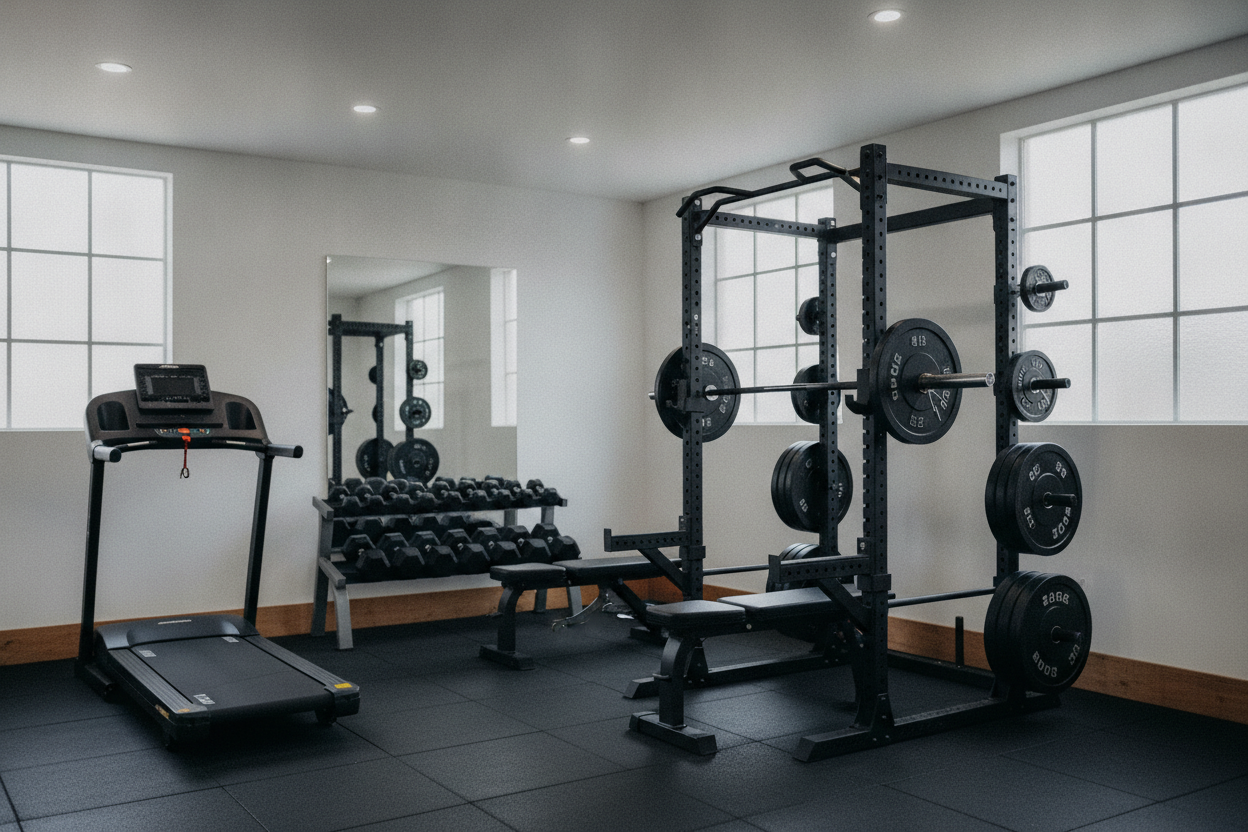
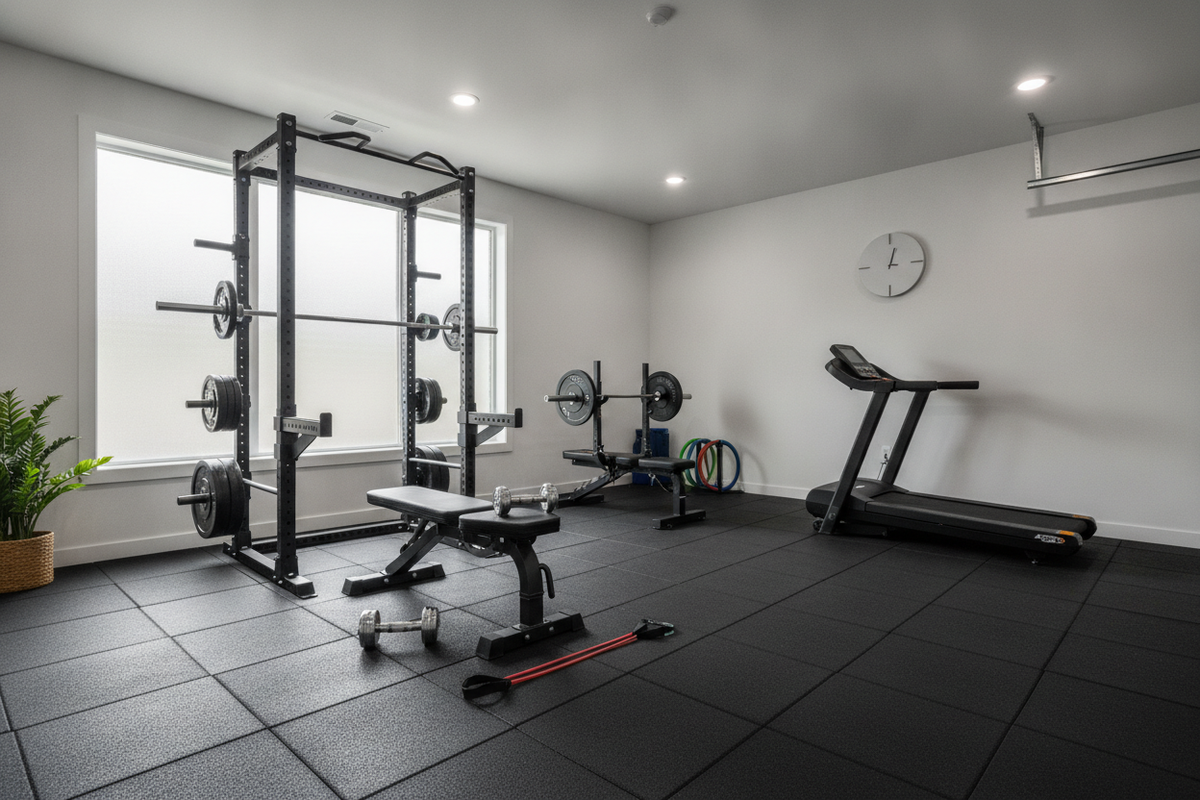
In my home gym, I do not have room for ten different machines, so I have to be picky. For shortened position glute exercises, the barbell hip thrust is king. But here is the thing: if your bench is sliding across the floor or the bar is digging into your hips, you will quit before your glutes do. I have found that using a dedicated Gxmmat Glute Bench is a total lifter-saver because it provides a stable, grippy surface that does not budge when you are pushing 400 lbs.
Aside from thrusts, I swear by 45-degree hyperextensions. To make these a shortened position powerhouse, round your upper back and tuck your chin. This keeps the tension on the glutes rather than the lower back. You also need a solid weight set and bench to perform glute bridges and step-ups properly. If your equipment is flimsy, your brain will subconsciously limit the power your glutes output to keep you from falling over.
How to Actually Program This Stuff (Without Spending Hours)
You do not need a four-hour leg day to see results. I follow a simple framework: start with one heavy lengthened movement (like a squat or RDL), follow it with one heavy shortened movement (like a hip thrust), and finish with a high-rep isolation move. This ensures you hit glute shortening exercises and lengthening moves in a single session.
Before you dive into the heavy iron, make sure your body is actually ready to work. I usually run through a quick protocol like Fix Glute Amnesia: 3 Activation Exercises for Glutes That Actually Work to get the mind-muscle connection firing. If you can't feel your glutes working with bodyweight, you definitely won't feel them correctly under a heavy barbell. Keep the volume moderate—3 sets of 8-12 reps on your main lifts is usually the sweet spot for hypertrophy without burning out your CNS.
Do I really need a hip thrust machine?
No. A barbell and a stable bench work perfectly fine. Machines offer more stability, which can help with mind-muscle connection, but they are not a requirement for growth.
What is the best shortened position exercise for home gyms?
The glute bridge. It has a shorter range of motion than the hip thrust, which allows you to load it heavier and focus entirely on that top-end contraction without the setup hassle.
Can I just do squats for glutes?
Squats are great glute lengthening exercises, but for most people, the quads or lower back will give out before the glutes are fully fatigued. Adding a shortened position move ensures the glutes are the limiting factor.