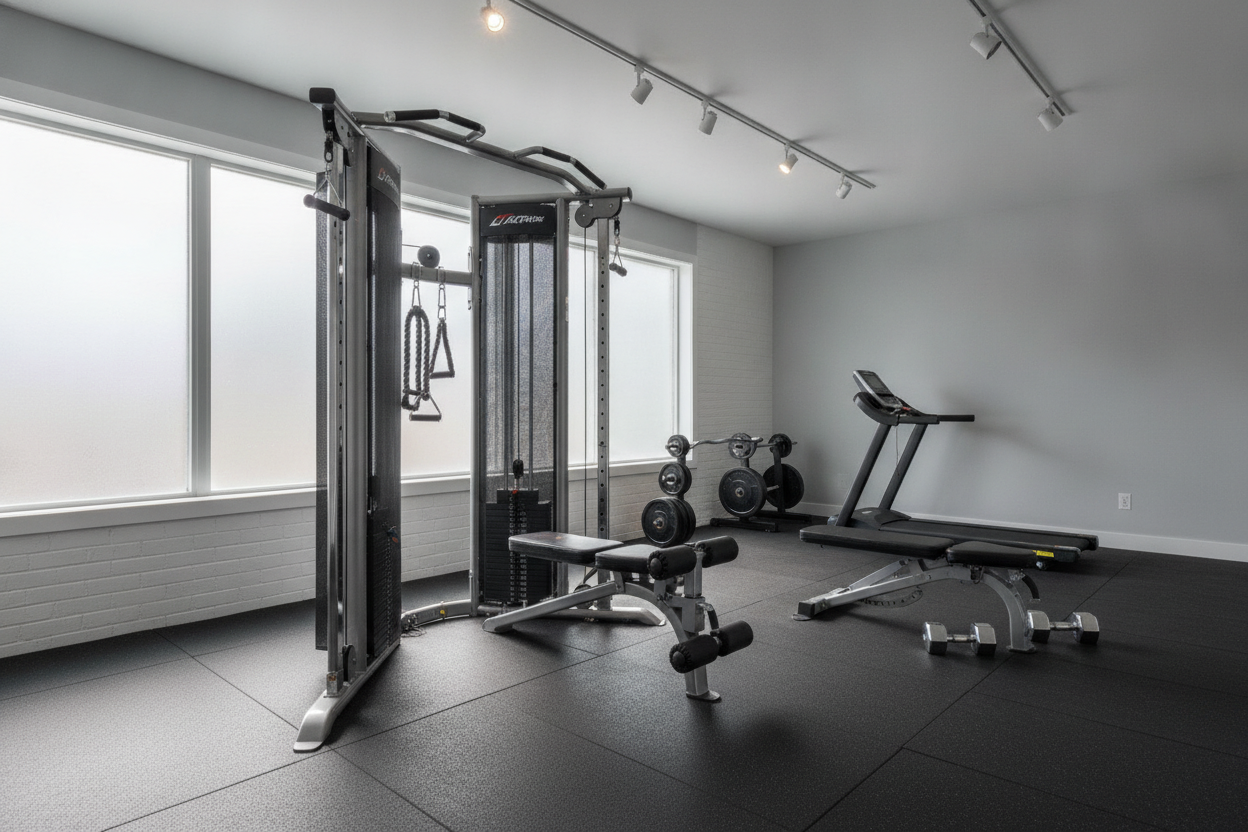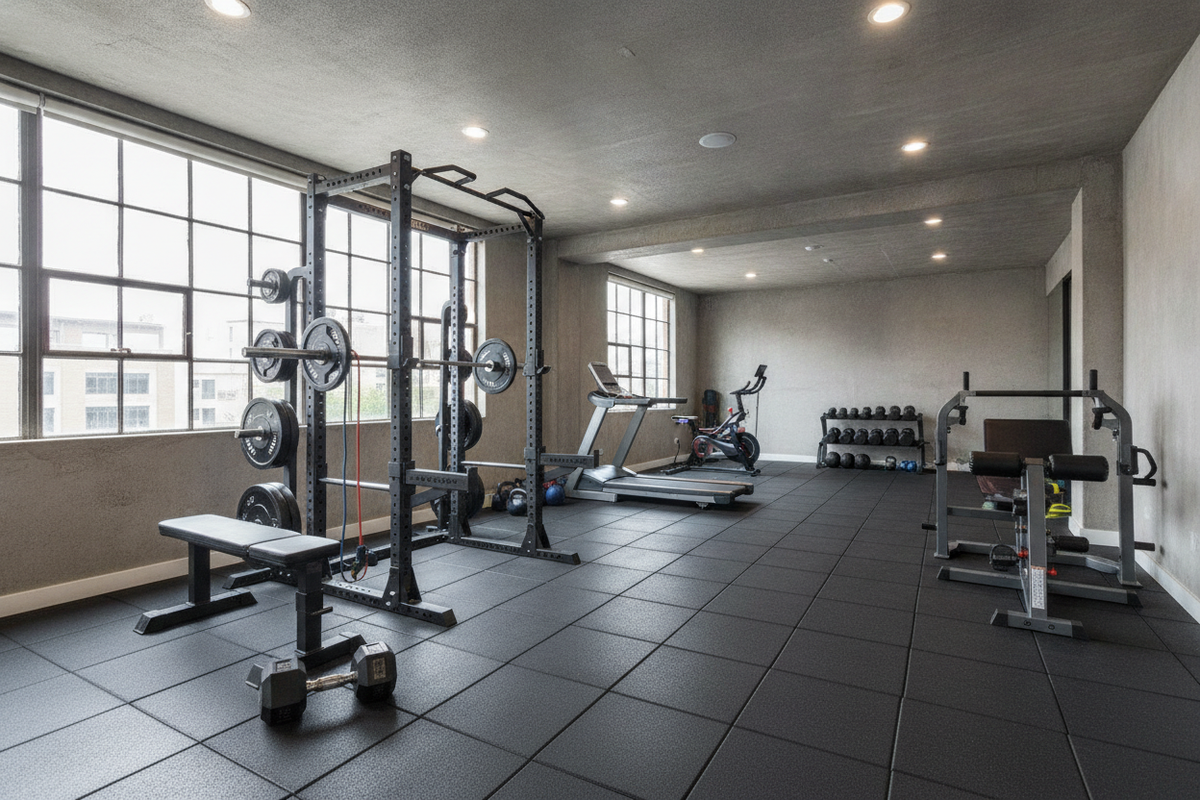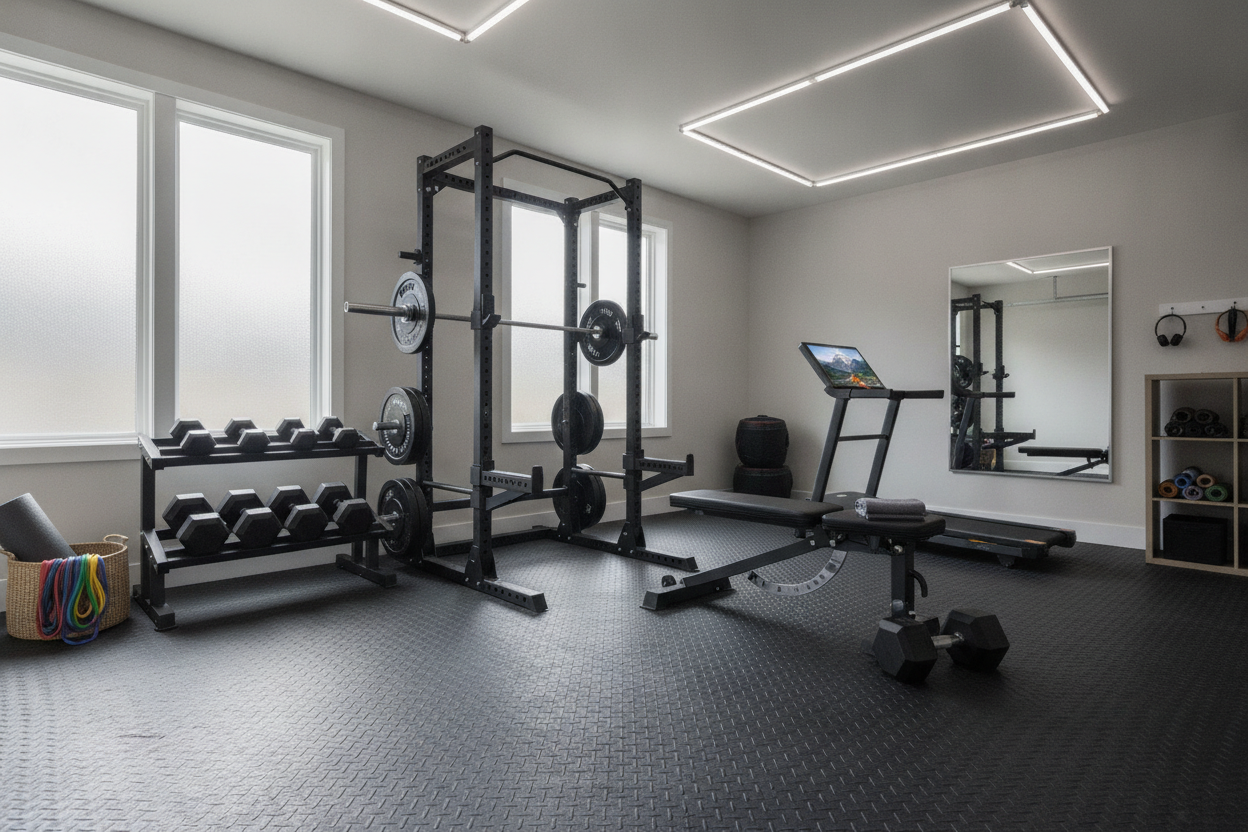
Why Most At-Home Workout Equipments Become Clothes Racks
I’ve been there. It’s midnight, you’re scrolling through Amazon, and suddenly a 50-piece set of resistance bands looks like the secret to getting shredded. You buy the workout equipments, wait for the delivery truck, and three weeks later, that 'revolutionary' kit is just a tripping hazard in your spare bedroom.
Most home gyms don't fail because people are lazy. They fail because the gear is annoying to use, takes up too much space, or simply doesn't fit the way you actually train. I’ve spent a decade testing everything from 11-gauge power racks to cheap plastic sliders, and I've learned that 'more' is rarely 'better.'
- Buy for the person you are today, not the person you hope to be in six months.
- Versatility is king; if a tool only does one thing, it’s probably a waste of floor space.
- Flooring and a solid bench are more important than any flashy machine.
- If it takes more than 5 minutes to set up, you won’t use it.
The Aspirational Trap of Buying Gear for the 'Future You'
We’ve all done it. We see a sleek ad for cool exercise equipment and think, 'If I owned that, I’d finally start working out.' It’s the aspirational trap. You aren't buying a tool; you're buying a version of yourself that doesn't exist yet. This is why people search Google for phrases like 'show me exercise equipment' instead of 'how to squat with proper form.'
Those 22-piece workout kits look great in a staged photo, but in reality, they’re often made of cheap TPE plastic and nylon that feels like it’s going to snap mid-row. If you haven't touched a weight in three years, buying a $2,000 smart mirror isn't going to change your DNA. Start with the habit, then buy the gear that supports it.
Why Your Current Setup Feels More Like a Junkyard
Walk into most garages and you’ll see a graveyard of workout things and random exercise gear. A single 15-lb kettlebell here, a set of rusted dumbbells there, and maybe a pull-up bar that doesn't quite fit the door frame. It’s a mess because there’s no system.
A real home gym is a cohesive environment. You want tools that play well together. Instead of buying five different machines, focus on the best exercise equipment for full body workout, like a quality barbell or a set of adjustable dumbbells. One solid piece of iron is worth ten cheap plastic gadgets.
The Danger of Single-Use Gadgets
The biggest space-wasters are workout products designed for a single movement. Think about those bulky pieces of aerobics equipment from the 90s or that specific exercise item you saw on a late-night infomercial for 'targeting lower abs.' They do one thing, they do it poorly, and they take up a 4x4 foot footprint. In a home gym, every square inch is premium real estate. If a piece of gear can’t be used for at least three different exercises, it doesn't deserve a spot on your floor.
My 3-Step Filter for Buying Workout Equipments
Before you hit 'buy' on that new shiny toy, run it through this filter. First: Do I actually enjoy this movement? If you hate rowing, don't buy a rower just because it's on sale. You won't magically start liking it just because it's in your basement.
Second: Do I have the actual, physical space? Measure your ceiling height. I once bought a power rack that was 90 inches tall, only to realize my basement ceiling was 88 inches. That was an expensive mistake that involved a hacksaw and a lot of swearing. Third: Is this redundant? If you have dumbbells, do you really need a dedicated bicep curl machine? Probably not.
Foundation First, Accessories Second
People love buying workout aids and niche exercise aids before they even have a place to put them. Listen to me: buy your flooring first. Dropping a 45-lb plate on bare concrete is a great way to crack your foundation and ruin your gear. Investing in high-quality large exercise mats or 3/4-inch horse stall mats is the least sexy but most important purchase you'll make.
Once the floor is protected, get a bench that doesn't wobble. A cheap $50 bench feels like a death trap when you're trying to press anything over 100 pounds. Look for a tripod design or a heavy-duty frame with at least a 600-lb capacity. These are the boring essentials that actually make you want to train.
Putting Together a Setup You Will Actually Use
Stop trying to build a commercial gym in a weekend. Start small. Get a pair of adjustable dumbbells or a single heavy kettlebell and see if you can stick to a routine for 30 days. Let your progress dictate your purchases. When you find yourself constantly wishing you had a pull-up bar, that's when you buy one.
If you're looking for a roadmap, check out this list of the top home exercise equipment for a complete workout. It focuses on the essentials—the stuff that won't end up holding your laundry. Build a gym that serves your goals, not your ego, and you'll actually find yourself using it every morning.
My Biggest Gear Mistake
Years ago, I bought a cheap 'all-in-one' cable machine from a big-box store. It looked like it could do everything. In reality, the cables were sticky, the weight stack was too light, and the whole thing shook if I moved too fast. It took up half my garage and I hated using it. I eventually sold it for a quarter of what I paid just to get the space back. Now, I stick to iron and simple pulleys. Lesson learned: quality over features, every single time.
FAQ
Is it better to buy new or used gear?
Used iron (plates, dumbbells) is almost always better. Iron is iron; as long as it isn't cracked, it works. For anything with bearings or cables, like a high-end barbell or a rower, buy new so you get the warranty.
How much space do I really need?
You can get a killer workout in a 6x8 foot area. The key is vertical storage. Get your weights off the floor and onto the wall or a rack to keep the floor clear for movement.
What is the most underrated piece of equipment?
A set of gymnastic rings. They cost $40, hang from anywhere, and provide a better upper body workout than machines costing ten times as much. Plus, they pack into a gym bag.