Why I Walked Out of 3 Exercise Equipment Stores Empty-Handed
Last Saturday, I spent six hours driving between three different exercise equipment stores. I had cash in my pocket and a desperate need for a new barbell and some calibrated plates. I wanted to support a local business, but by 4:00 PM, I was back on my couch, ordering from my phone. It wasn’t just the prices—it was the sheer lack of gear for people who actually lift heavy and train hard.
- Showroom models are often higher quality than the boxed inventory you actually take home.
- Retail markups on 'commercial' gear can be 40% higher than direct-to-consumer equivalents.
- Most local shops prioritize cardio machines over functional strength equipment.
- Shipping heavy iron is expensive, making local shops viable only for plates and flooring.
The Illusion of 'Try Before You Buy'
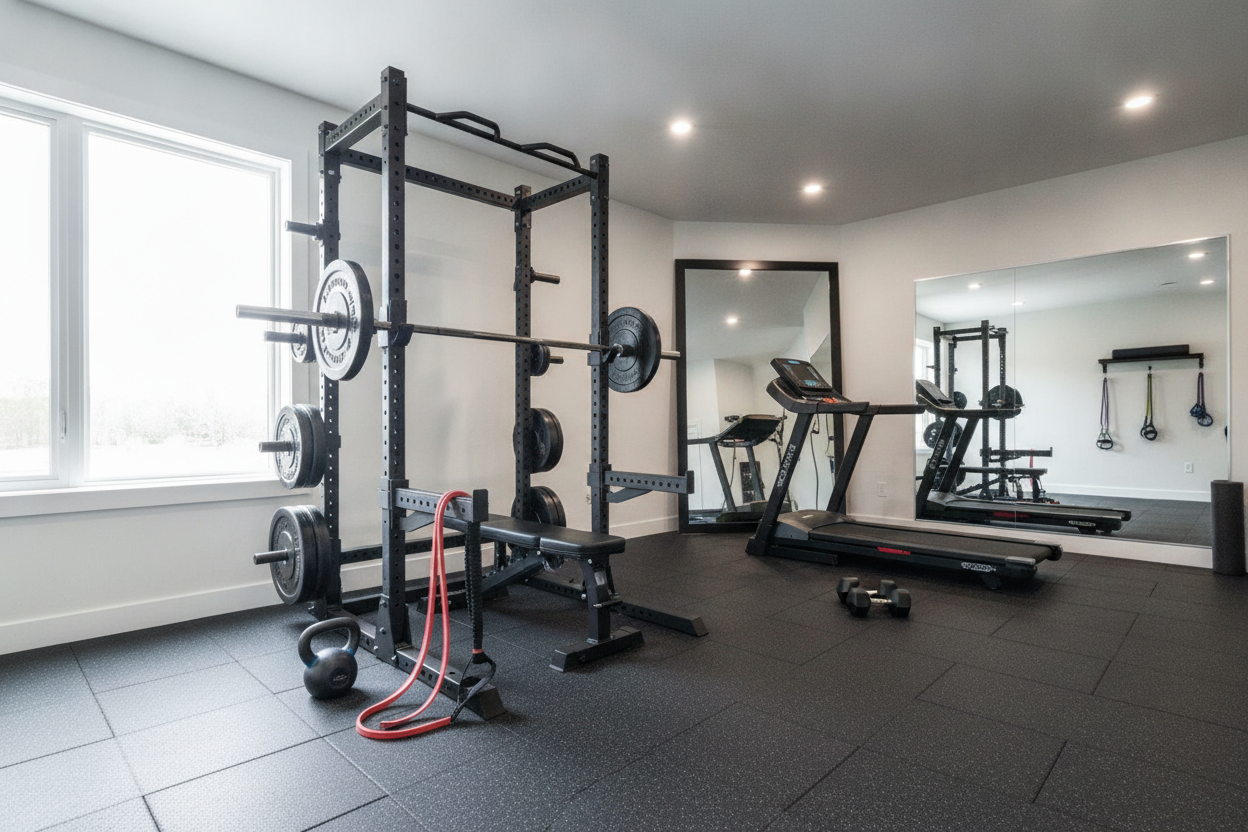
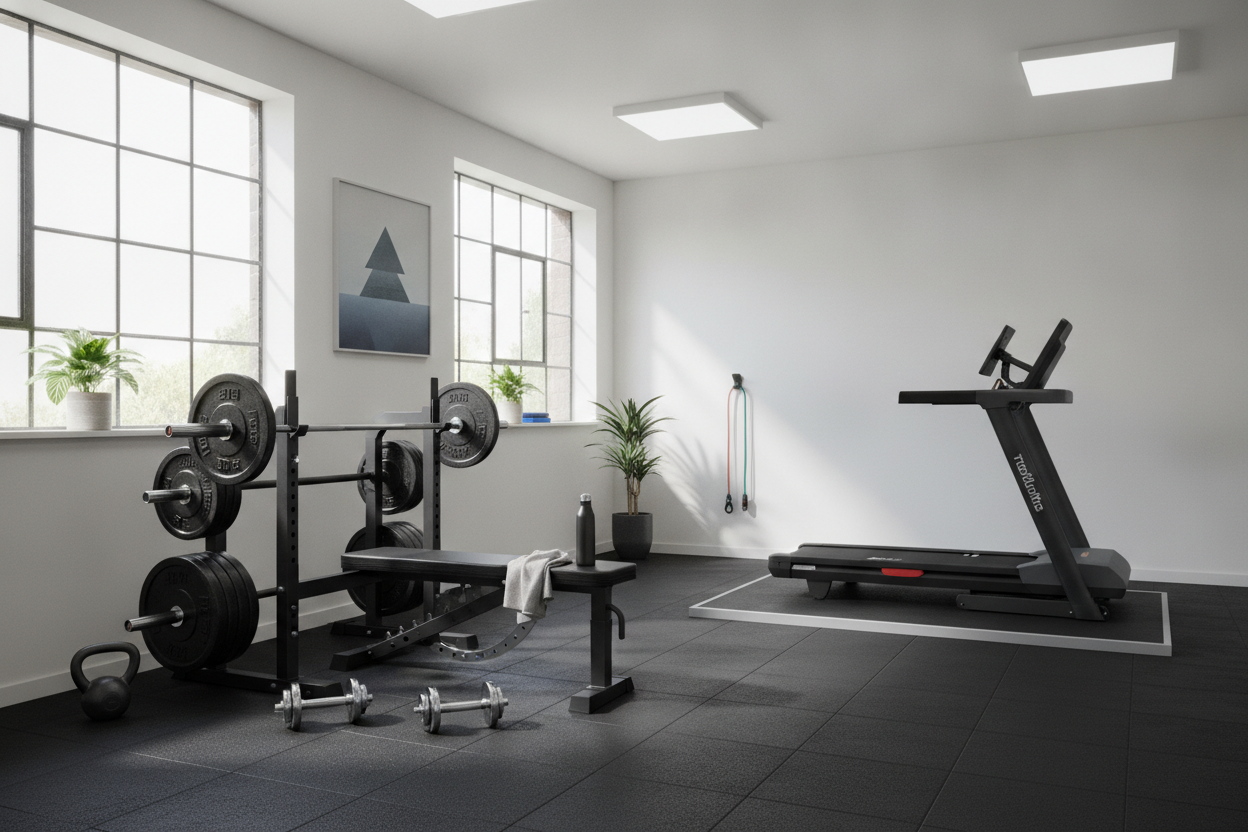
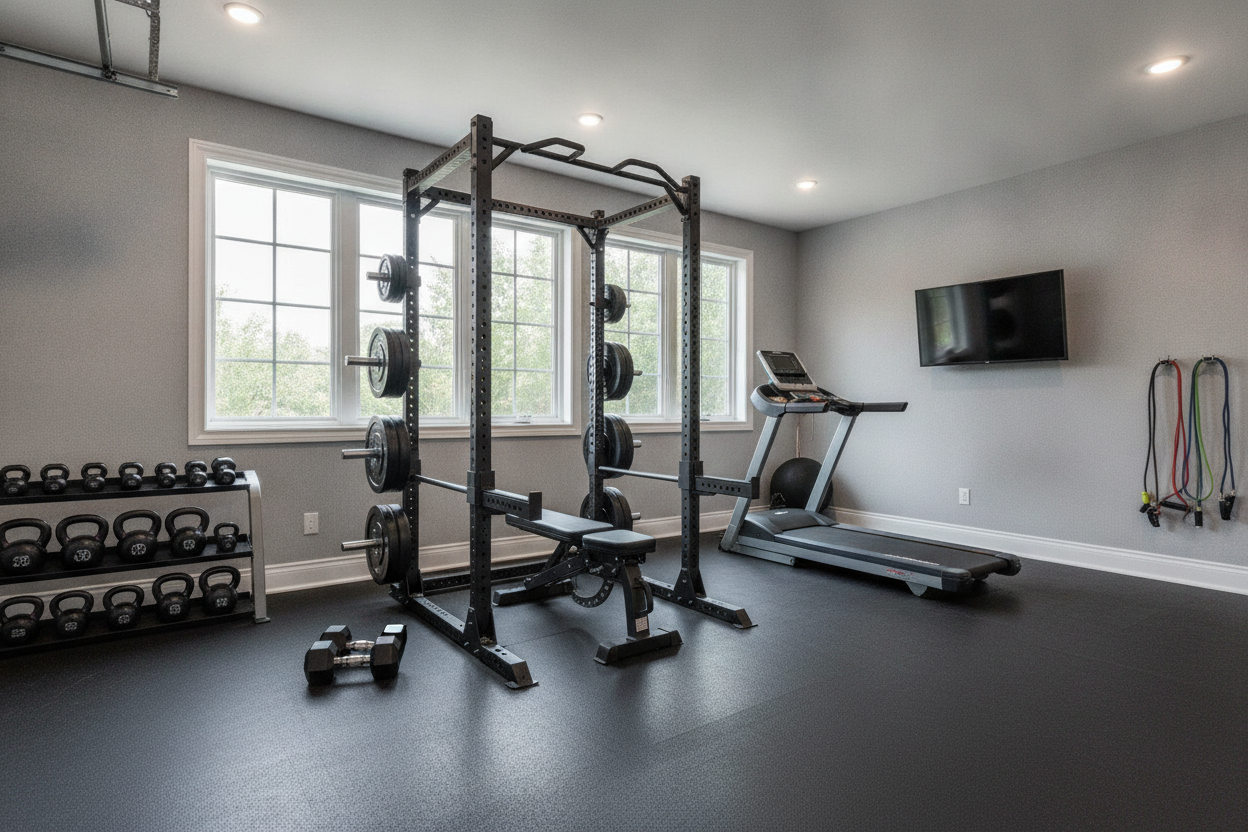
The biggest draw of a local fitness equipment store is the tactile experience. You want to walk in, grab a bar, and see if the knurling is going to cheese-grate your shins or if it’s as smooth as a PVC pipe. I went in looking for a power rack that didn't feel like a coat rack. I wanted to shake the uprights and see if the 2x3 or 3x3 tubing actually held steady under a simulated 400-pound re-rack.
But here is the reality: the floor models are meticulously leveled and bolted down to look sturdier than they are. When I asked to see the actual stock, I found out the 'home' versions they sell use thinner 14-gauge steel instead of the 11-gauge on the floor. It's a bait-and-switch that happens more often than people realize. You think you're buying a tank, but you're taking home a Honda Civic with a body kit. If you can't verify the steel grade and the bolt size (look for 5/8-inch or 1-inch hardware), you're just guessing.
The Showroom Floor Reality Check
Most gym equipment stores are essentially treadmill graveyards. You walk in and are greeted by a sea of plastic-shrouded consoles and 'smart' screens that will be obsolete in three years. When you finally find the strength section, it’s usually tucked in the back corner. You’ll find a few sets of chrome dumbbells and maybe a Smith machine, but rarely a high-quality 20kg Olympic bar with proper needle bearings.
The inventory is designed for the casual user who wants a 'workout room,' not a garage gym. I saw a 'heavy duty' bench priced at $450 that had a 500-pound weight capacity. For context, if you weigh 200 pounds and you're benching 300, you are at the absolute limit of that equipment's safety. Before you drop half a grand on a subpar bench, checking a home gym equipment review guide will show you that you can get a competition-grade 1,000-pound capacity bench for nearly half that price online. Most retail shops simply don't stock the specs that serious lifters require.
Beware the 'Commercial Grade' Upsell
Salespeople at workout equipment stores love to throw around the phrase 'commercial grade' like it's a magic spell. They’ll try to steer you toward a massive, $5,000 functional trainer that takes up 25 square feet of your garage. They tell you it's what the pros use. What they don't tell you is that those machines are priced for high-traffic health clubs with massive insurance policies, not for a guy training alone in his driveway.
I had a guy try to sell me a selectorized leg extension machine for $2,800. I could buy a high-end power rack, a barbell, and 300 pounds of plates for that same price. These stores push big-ticket items because the margins on a $500 barbell are tiny compared to the commission on a $6,000 elliptical. They aren't looking at your training goals; they're looking at their monthly quota. You don't need a club-sized cable crossover to get strong; you need a solid place to squat and a bar that won't bend.
So, Where Should You Actually Buy Your Gear?
If you are asking where to buy gym equipment that actually lasts, the answer is almost always direct-to-consumer (DTC) brands. Companies like Rogue, REP Fitness, and Titan have cut out the middleman. They don't have to pay rent on a showroom in a fancy shopping center, which means they can put more money into the quality of the steel and the precision of the machining. You get better tolerances, better warranties, and gear that actually holds its resale value.
Shopping online also allows you to wait for seasonal home gym equipment deals, which can save you hundreds on shipping or bundled packages. When you buy from a retail store, you're paying for their overhead. When you buy DTC, you're paying for the equipment. I’ve found that even with shipping costs, I'm still saving 20-30% on high-end items compared to what the local 'fitness boutique' is trying to move.
The Only Time I Still Shop Local
There is one scenario where I still ask who sells fitness equipment nearby: when I need dead weight. Shipping is the silent killer of home gym budgets. If you're looking for 500 pounds of cast iron plates or 4x6-foot rubber stall mats, the freight costs can sometimes exceed the price of the product itself. This is the only time a local fitness equipment store or a farm supply shop is your best friend.
I’ll drive 40 miles to pick up horse stall mats because they are 100 pounds each and a nightmare to ship. However, if you don't have a truck or a way to haul heavy rubber, looking for specialized gym flooring for home workout spaces that ships in manageable sections is a much better call than trying to cram a 6-foot roll of rubber into a sedan. I also check who sells gym equipment in the used market. Apps like Marketplace are where the real local 'stores' are. You can find someone’s abandoned New Year's resolution for pennies on the dollar, which is the only way I'll buy iron locally these days.
Is it cheaper to buy gym equipment online or in-store?
Online is almost always cheaper for everything except heavy plates and flooring. Retail stores have huge overhead costs that they bake into the price of the machines. DTC brands pass those savings to you.
Can I negotiate prices at a local fitness equipment store?
You can try, especially on floor models or if you're buying a 'package' (rack, bar, and plates). However, even with a 10% discount, the base price is usually still higher than a better-quality item from an online specialist.
What should I look for when testing a showroom rack?
Check the gauge of the steel (11-gauge is the gold standard), the size of the bolts, and the quality of the welds. If the welds look like a bird pooped on the joints, walk away. Also, check the hole spacing; 1-inch or 2-inch spacing is what you want for safety adjustments.