Why I Use a Wall for My Hardest Leg Training Exercises
I remember the night I almost put a 70-pound dumbbell through my drywall. I was halfway through a set of Bulgarian split squats, my back foot was wobbling on a bench that has seen better days, and my ego was trying to outpace my inner ear. I did not fail because my quads were cooked; I failed because my balance was trash. That is the dirty secret of most leg training exercises performed at home: you are usually fighting gravity, not just the weight.
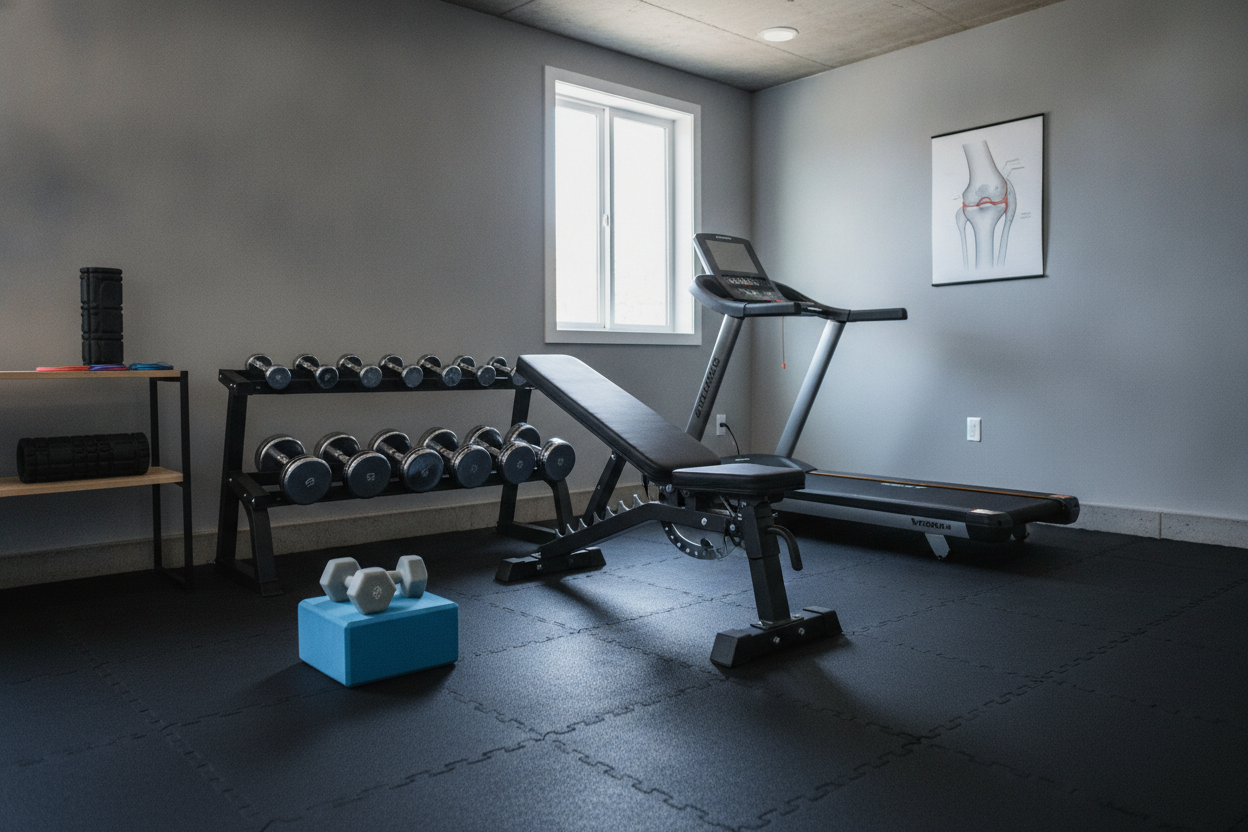
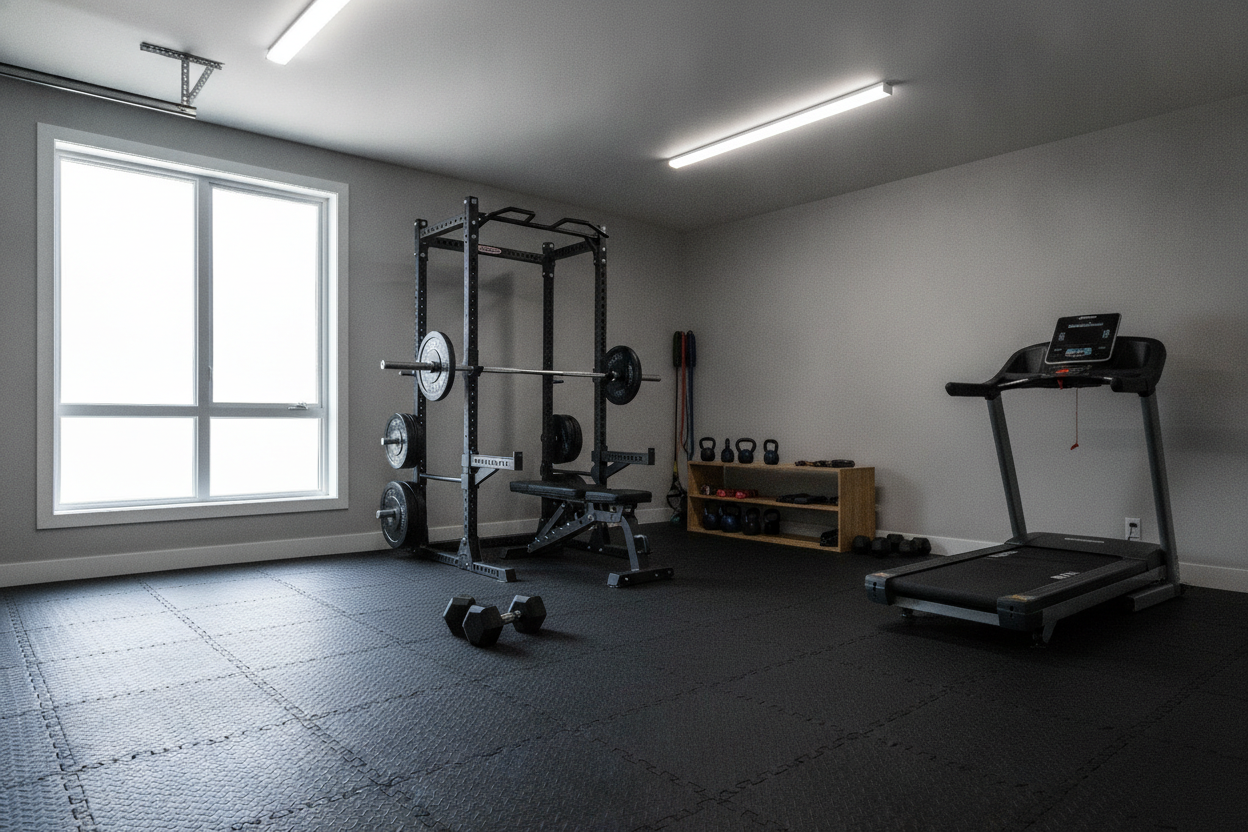
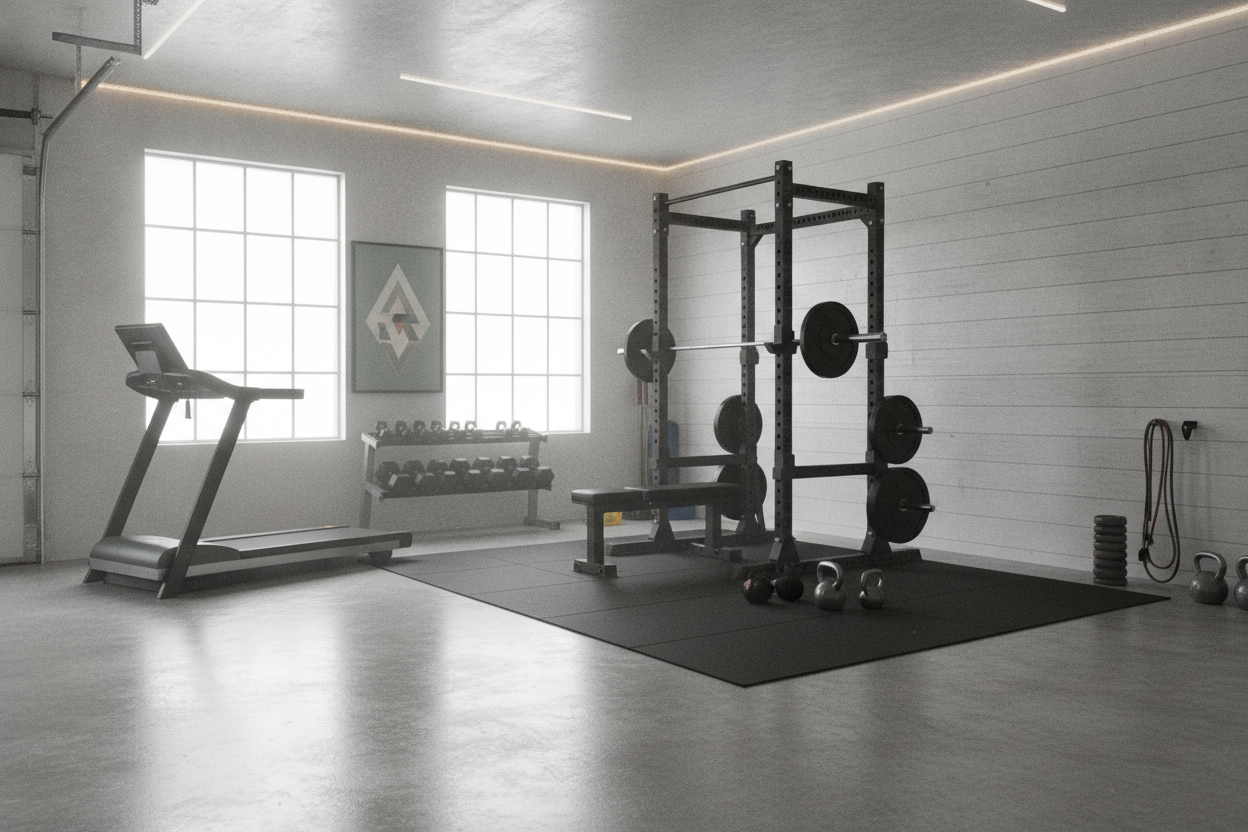
If you are training in a garage or a spare bedroom, you probably do not have a $5,000 hack squat machine. You have dumbbells, maybe a rack, and hopefully some floor space. But trying to turn a leg workout into a tightrope act is the fastest way to stay small. You need stability to move real weight.
- Stability allows for greater motor unit recruitment.
- Hand-supported movements let you push to absolute failure safely.
- Removing the balance component shifts the focus from your inner ear to your quads.
- A simple wall or doorframe can replace expensive commercial machines.
Why You Keep Falling Over Before Your Quads Actually Fail
Most good leg exercises fail for the wrong reasons. You are doing lunges, your heart rate is screaming at 170 BPM, and your ankles are twitching like they are possessed. By the time you rack the weights, your quads feel okay, but you are gasping for air and your balance is shot. This is not leg training; it is a cardiovascular panic attack.
When you perform a workout for your legs that relies heavily on unilateral balance, your brain acts as a governor. It limits the amount of force your muscles can produce because it is terrified you are going to fall. To get strong leg workouts that actually build mass, we have to kill that fear response and stabilize the movement.
Stability Is the Secret to Unlocking Real Power
Force production is a byproduct of stability. If you want to Build True Power With This Strength Training Leg Workout, you have to give your central nervous system a reason to trust the movement. When you hold onto a rack or a wall, your brain realizes you are not going to tip over. Suddenly, it flips the switch and lets you recruit those high-threshold motor fibers you have been missing.
I have found that by adding a 'kickstand' or a hand-hold, I can usually add 15-20% more weight to my leg exercises for strength immediately. It is not that I got stronger in five seconds; it is that I stopped wasting energy on micro-adjustments in my ankles and hips. We are here to build muscle, not join the circus.
How a Simple Wall Upgrades Your Go-To Movements
The 'Hand-Supported' method is exactly what it sounds like. You are not pulling yourself up with your arm; you are just using a wall or a rack upright to keep your torso vertical and your path straight. This turns a shaky movement into a piston-like drive. It is the difference between a good leg workout and a session that actually moves the needle.
The Supported Bulgarian Split Squat
This is the king of home leg training exercises. Set up your bench or a couch about two feet in front of a wall. Hold a heavy dumbbell in the hand opposite the wall. Use your free hand to lightly touch the wall for balance. Now, sink deep. Because you are not wobbling, you can sit further back into your hip, targeting the glutes, or drive the knee forward to torch the quads. I have taken sets of these so far past failure that I had to sit on the floor for five minutes afterward.
The Doorway Sissy Squat
If you want that teardrop muscle above the knee, you need quad isolation. Stand in a doorway and grab the frame at shoulder height. Lean your entire body back while pushing your knees forward and down toward the floor. The doorframe keeps you from falling on your head. It is a brutal way to end a session without needing a 400-pound barbell on your back.
When Free Weights Still Aren't Enough Isolation
There comes a point where holding a 100-pound dumbbell in one hand while leaning on a wall becomes a logistical nightmare. Your grip gives out, or the sheer load on your spine starts to limit your leg training. This is when I started looking at a dedicated Leg Machine for my own space. Sometimes, you just need to sit down and move a pin to get that final pump.
I eventually added the Gxmmat Leg Extension Curl Machine to my garage. It has a small footprint—essential when you are fighting for every square inch—and it allows me to hit those final isolation sets that free weights just cannot replicate. If you are serious about strong leg workouts, you eventually have to bridge the gap between making do and having the right tool for the job.
Structuring Your New Supported Leg Workout
Do not just add one set and call it a day. To see real growth, you need to program these with intent. Here is how I have been running my lower body days lately:
- Hand-Supported Bulgarian Split Squats: 3 sets of 8-12 reps. Use a weight that makes the 10th rep feel like a fight.
- Doorway Sissy Squats: 3 sets to absolute failure. Do not count reps; just go until the burn is unbearable.
- Leg Extensions: 4 sets of 15 reps, focusing on a 2-second squeeze at the top.
FAQ
Does holding the wall make the exercise easier?
It makes the balance easier, but it makes the muscle work harder. Because you are not shaking, you can actually push your quads to the point of failure, which is much more difficult than just falling over.
Can I use a PVC pipe instead of a wall?
You can, but it is not as stable. A wall or a power rack upright is fixed. A PVC pipe can still wobble, which defeats the purpose of removing the stability requirement.
Will this hurt my knees?
Actually, it usually helps. Most knee pain in lunges comes from poor tracking or shearing forces when you are off-balance. By staying stable, your joints move through a cleaner, more predictable path.