Why I Treat the Best Glute Strength Exercises Like Heavy Deadlifts
I spent years falling for the 'booty burn' trap. I’d spend forty minutes doing high-rep band walks and bodyweight kickbacks, chasing a stinging sensation that I mistook for progress. My glutes were always sore, but my actual strength was stagnant. It wasn't until I stopped treating my posterior chain like a 'toning' project and started treating it like a primary compound lift—with the same respect and intensity I give a heavy deadlift—that I actually saw a change in my power and physique. If you want a stronger backside, you have to stop playing around with light resistance and start mastering the best glute strength exercises with real weight.
Quick Takeaways
- Mechanical tension is the primary driver of muscle growth, not just the 'burn' from high reps.
- The barbell hip thrust, RDL, and Bulgarian split squat are the foundational 'Big Three' for glute power.
- Safety pins and spotter arms are essential when training these heavy movements alone at home.
- Rest times of 3 to 5 minutes are necessary to maintain the intensity required for true strength gains.
The Difference Between Chasing a Pump and Building Raw Power
There is a massive difference between metabolic stress and mechanical tension. Metabolic stress is that burning feeling you get when you do 50 reps with a rubber band around your knees. It feels like work, but it doesn't provide the structural stimulus needed to actually get stronger. To build a posterior chain that can move heavy objects or sprint with explosive power, you need mechanical tension—the kind that only comes from moving a heavy barbell through a full range of motion.
A lot of people waste their first year in the gym on isolation pump work because it’s easier and less intimidating. I see it all the time in home gyms: people buying every small accessory under the sun before they even own a solid barbell. If you’re just starting out, you should Ditch the Curls: Best Weight Lifting Exercises for Beginners and focus on the heavy hitters. Your glutes are the largest, most powerful muscle group in your body; treating them like a small accessory muscle is a recipe for plateauing. You need to load them with weights that make you sweat by rep five, not rep fifty.
Three Heavy Lifts That Don't Require Weird Contortions
You don't need twenty different variations to build strength. You need three. The first is the Barbell Romanian Deadlift (RDL). This is the king of the eccentric (lengthening) phase. By keeping the bar close to your shins and hinging at the hips, you put a massive amount of tension on the glutes and hamstrings. The second is the heavy barbell hip thrust. This is arguably the best weight exercise for glutes because it provides maximum tension at the point of peak contraction—the top of the movement.
Finally, we have the Bulgarian Split Squat. Yes, everyone hates them. Yes, they are miserable. But they are unparalleled for fixing imbalances and building unilateral power. When you're programming these, remember that the best weight glute exercises are the ones you can consistently add weight to over time. If a movement is so complicated that you spend more time balancing than lifting, it’s not a strength movement. As I often say, The Best Weight Lifting Exercises for Women Fit on One Post-It because complexity is usually just a distraction from hard work.
How to Safely Fail a Heavy Lift When You're Home Alone
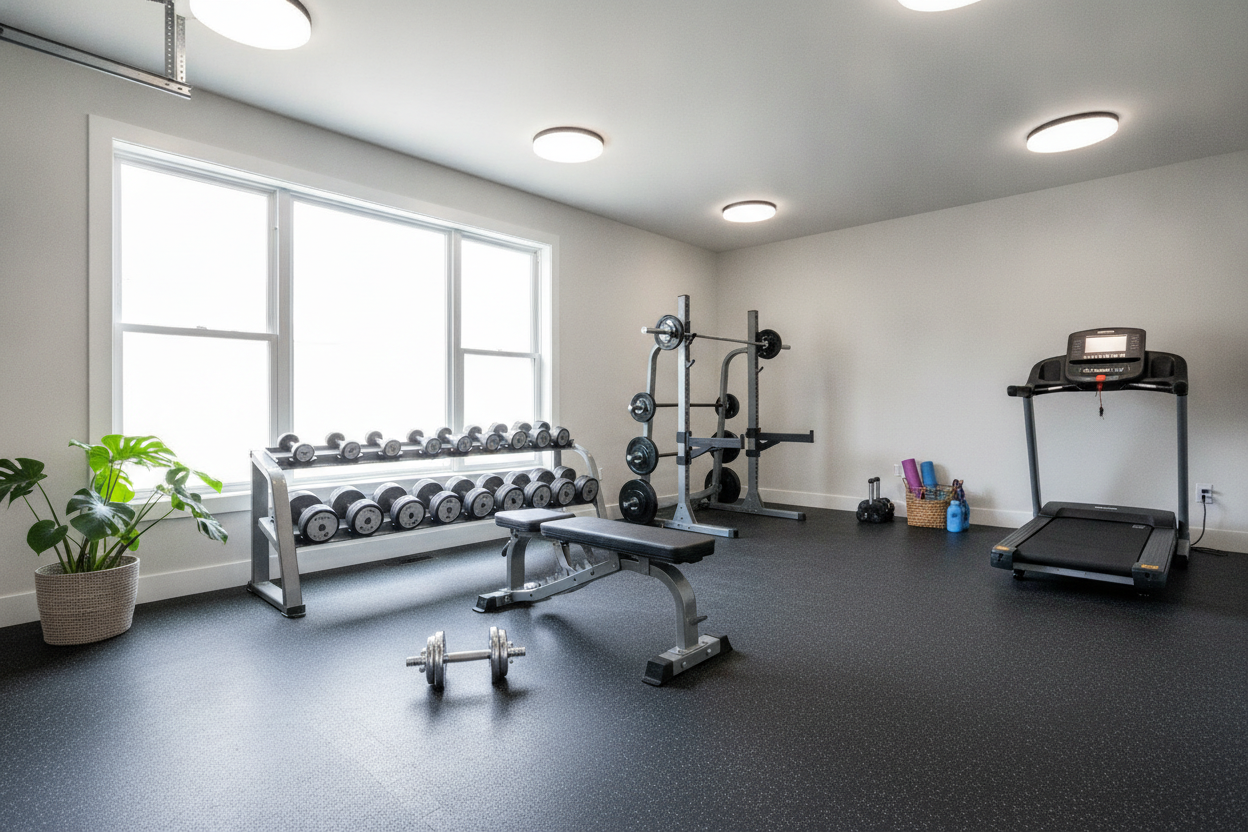
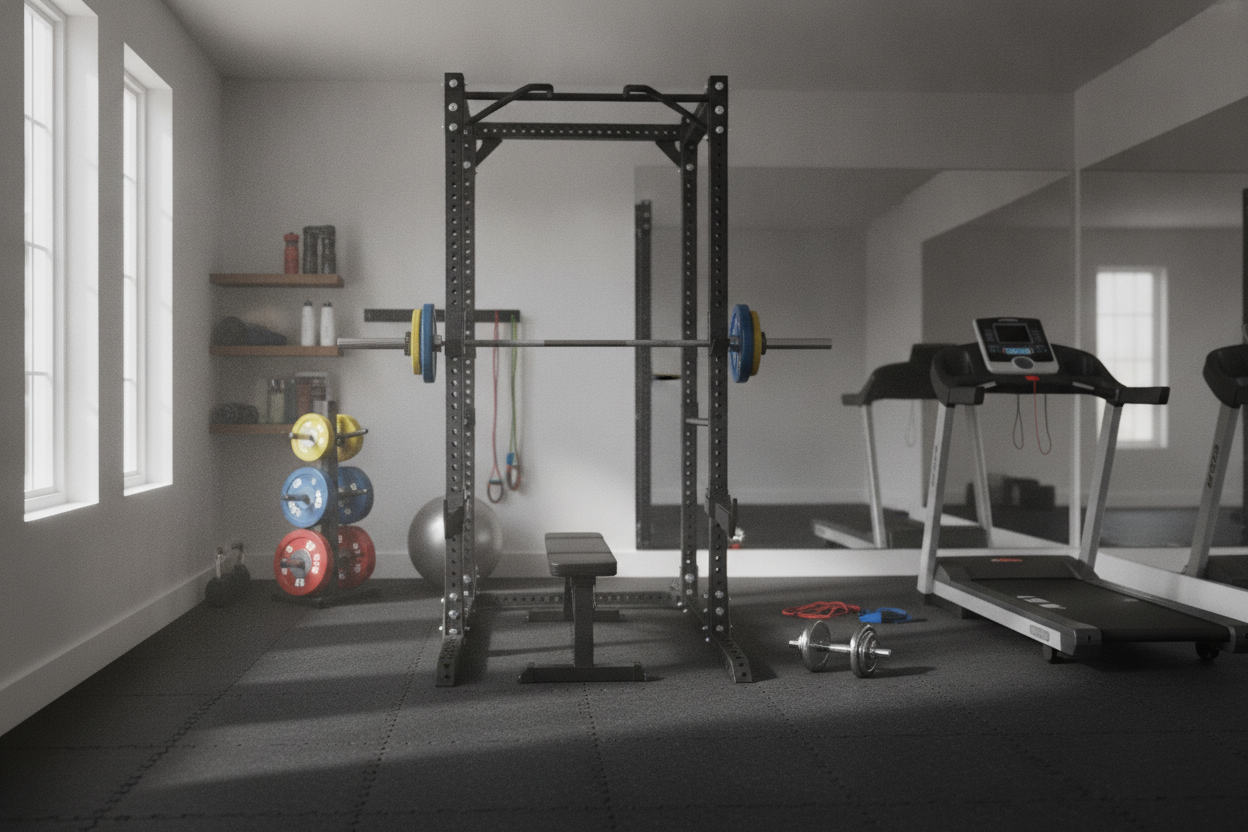
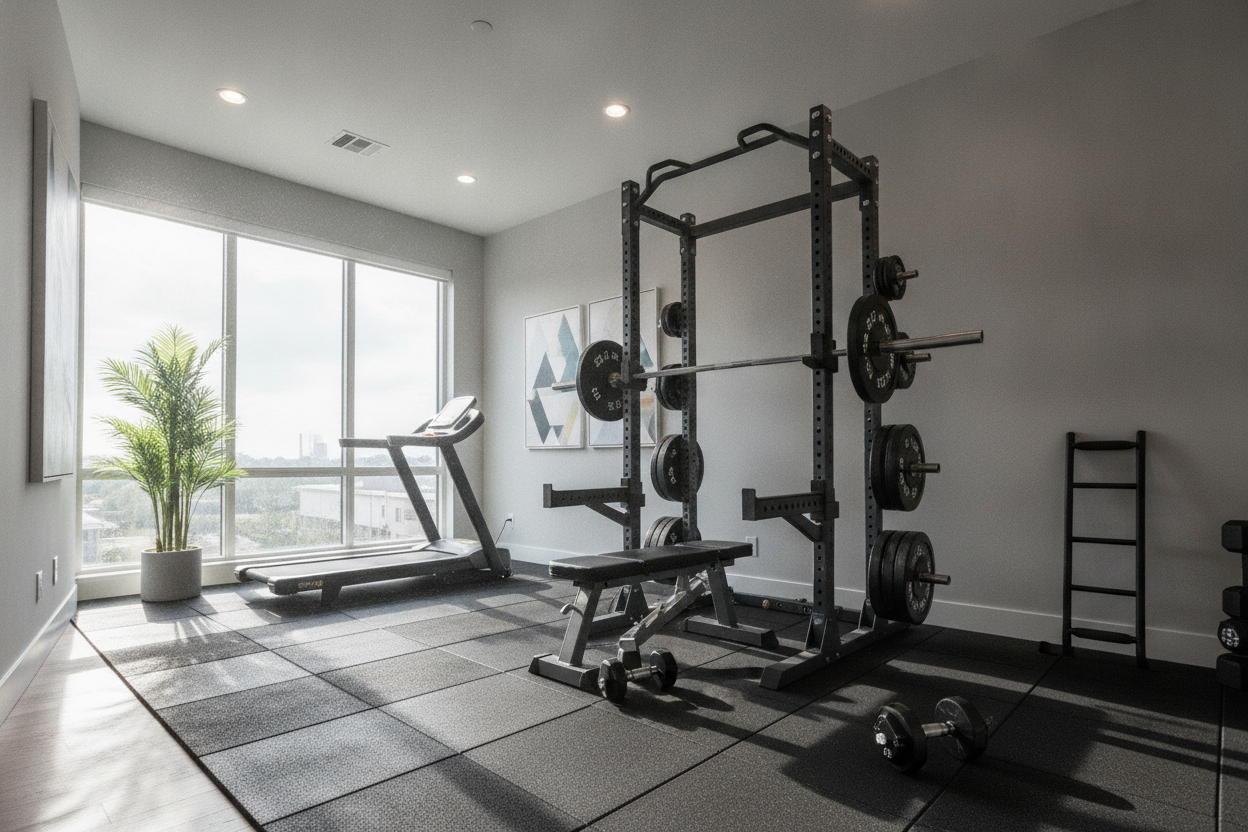
Training heavy at home is a different beast than training in a commercial gym with a dozen people around to help. If you're going to push your limits on an RDL or a heavy squat, you need a 'bail out' plan. This is where your equipment choice becomes a safety issue, not just a matter of convenience. I always tell people that if they are serious about lifting heavy in a garage or spare room, they need a rack with reliable safety features.
For example, using the spotter arms on a Gxmmat X6 Power Rack Weight Bench Package allows you to set a 'floor' for your movements. If you’re doing RDLs and your grip fails or your back starts to round, you can simply drop the bar onto the steel pins rather than onto your toes. Similarly, when hip thrusting, I use bumper plates. Bumper plates have a consistent 450mm diameter regardless of weight, which keeps the bar at a safe height off your pelvis. If you can’t get the last rep up, you can simply roll the bar forward off your hips. Never lift heavy alone without a mechanical fail-safe.
How to Keep Your Bench From Sliding During Heavy Thrusts
There is nothing more frustrating than getting into position for a 300-pound hip thrust, driving upward, and having your bench slide backward across the floor. It ruins your leverage, kills your set, and can actually tweak your back. Most home gym floors are either slick concrete or rubber mats that still have a bit of 'give.' To fix this, you need to anchor your bench against something that isn't going to budge.
I recommend using a heavy, stable bench like the Gxmmat Adjustable Weight Bench and wedging it directly against the uprights of your power rack or a solid wall. If you’re using the rack, the weight of the rack itself (plus any plates stored on it) acts as a dead stop. This allows you to drive your upper back into the pad with 100% force without worrying about the bench tipping or migrating. If you don't have a rack to wedge against, place a couple of heavy 45-pound plates on the floor behind the bench feet to create an artificial anchor.
Programming True Strength: Rest Times and Volume
If you finish a set of glute work and you’re ready to go again in 45 seconds, you aren't training for strength—you’re doing cardio. True strength training requires the replenishment of ATP (adenosine triphosphate) in your muscles. For heavy compound movements, you should be resting between 3 and 5 minutes. This feels like an eternity when you're used to fast-paced circuits, but it is the only way to ensure that your nervous system is recovered enough to handle the next heavy set.
Focus on a lower volume with higher intensity. Instead of four sets of fifteen, try three sets of five to eight reps. When the weight is heavy enough that you're genuinely concerned about the final rep, your body has no choice but to adapt and grow stronger. This isn't about 'toning'; it's about building a functional, powerful posterior chain that supports your spine and moves the needle on your big lifts.
My Personal Experience with the 'Sliding Bench' Disaster
I learned the importance of equipment stability the hard way. About three years ago, I was testing my 1RM on hip thrusts in my garage. I was using a cheap, lightweight folding bench I'd found on a clearance rack. I didn't anchor it. On my second rep at 315 pounds, the bench feet lost grip on the dusty floor. The bench shot backward, I dropped to the floor with the barbell pinned across my hips, and I had to awkwardly 'worm' my way out from under the bar while my neighbors probably wondered what the crashing sound was. Now, I never lift without a heavy-duty bench wedged against a rack. Stability isn't just about comfort; it's about not ending up as a 'gym fail' video on the internet.
FAQ
Do I need a specialized hip thrust machine for my home gym?
No. While they are nice to have, a standard barbell, bumper plates, and a stable bench are all you need. In fact, the barbell version is often better because it forces you to stabilize the weight yourself, engaging more secondary muscles.
Should I feel RDLs more in my hamstrings or glutes?
It depends on your knee bend. For more glute focus, keep a slight bend in the knees and focus on pushing your hips as far back as possible. If your legs are nearly straight, the hamstrings will take over more of the load.
How often should I train heavy glute exercises?
Because these are heavy compound movements that tax the central nervous system, 2 to 3 times per week is usually the sweet spot. You need to give your tissues time to recover between sessions if you're actually moving significant weight.