Why I Sit Still for 3 Minutes in My Basic Muscle Building Workout
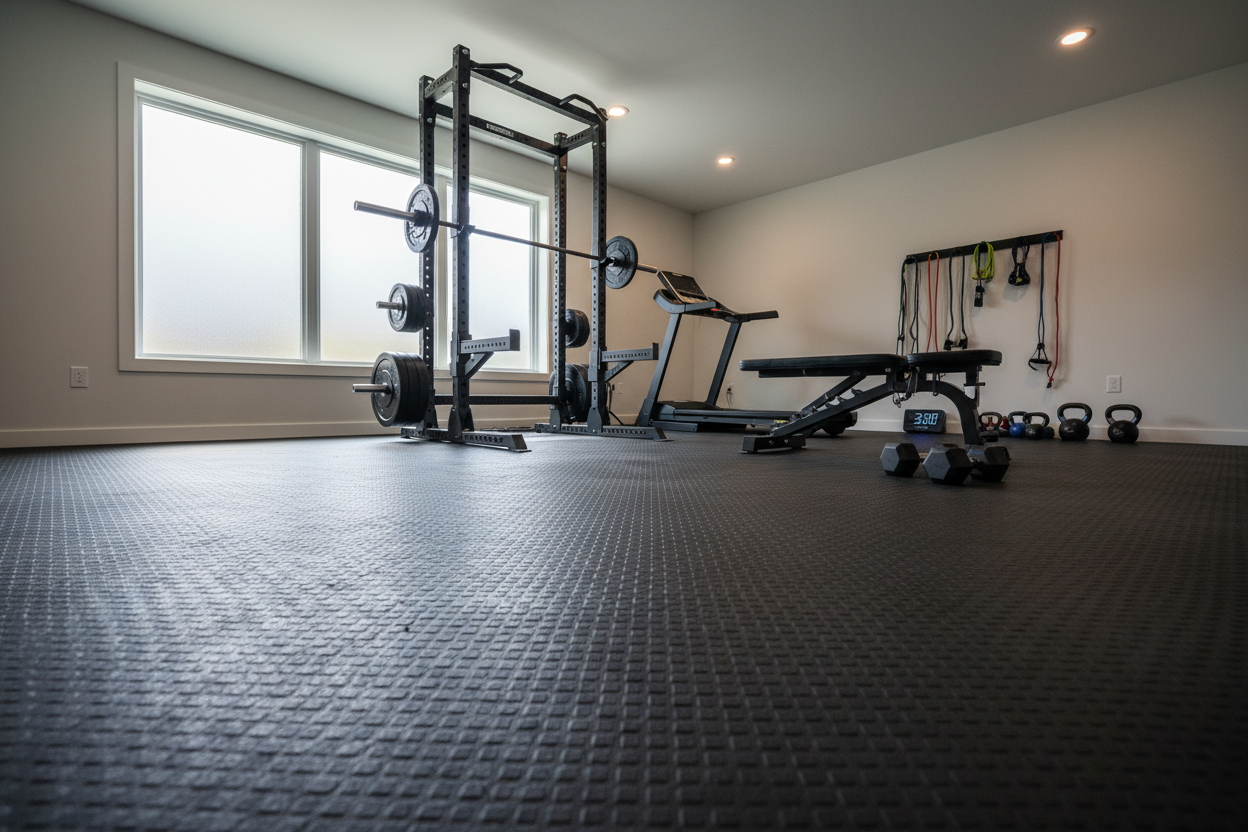
I used to judge my workouts by the size of the sweat puddle on my rubber flooring. If I wasn't gasping for air between sets of rows, I felt like I was wasting time. I would rush through a basic muscle building workout in 40 minutes, checking my watch every 30 seconds to make sure I wasn't 'getting cold.' I was exhausted, sure, but my lifts were plateauing and my physique wasn't changing.
The reality is that your muscles don't care how hard you're breathing. They care about mechanical tension. If you're rushing back to the bar while your heart is still hammering at 150 BPM, you aren't training for size; you're doing shitty cardio with a barbell. I had to learn the hard way that sitting on my bench doing absolutely nothing for three full minutes was the missing ingredient to actually getting stronger.
Quick Takeaways
- Sweating is a cooling mechanism, not a marker of muscle growth.
- Full ATP recovery takes roughly 3 to 5 minutes between heavy sets.
- Short rest periods force you to drop weight, reducing the total tension on the muscle.
- Use your rest time to log data or decompress, not to scroll social media.
The Difference Between Getting Tired and Getting Bigger
We’ve been conditioned by high-intensity interval training and 'shred' programs to believe that fatigue equals progress. In a basic muscle building routine, fatigue is actually the enemy of the stimulus you want. Hypertrophy is driven by recruitment of high-threshold motor units. To hit those, you need to move heavy loads with high intent. If you’re huffing and puffing, your central nervous system is redlining just to keep you upright, which means it can't send the maximum signal to your quads or chest.
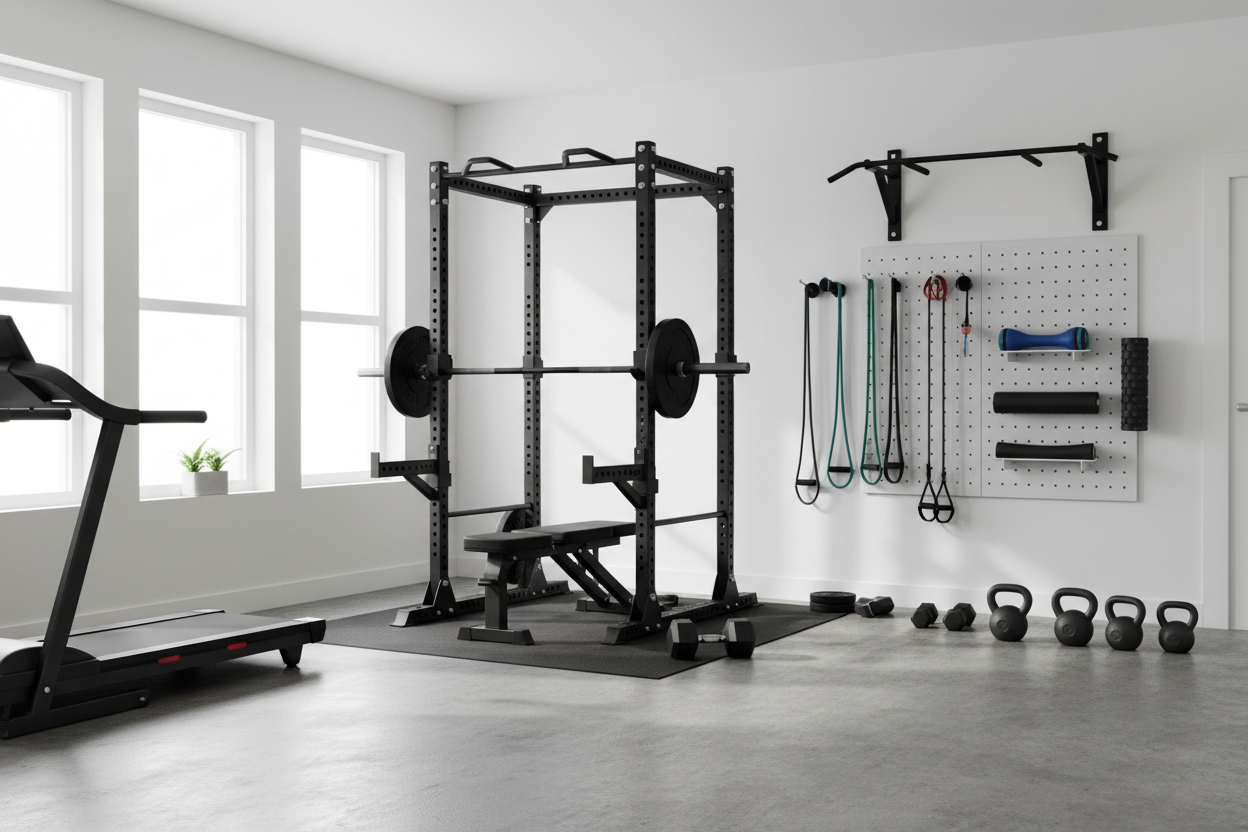
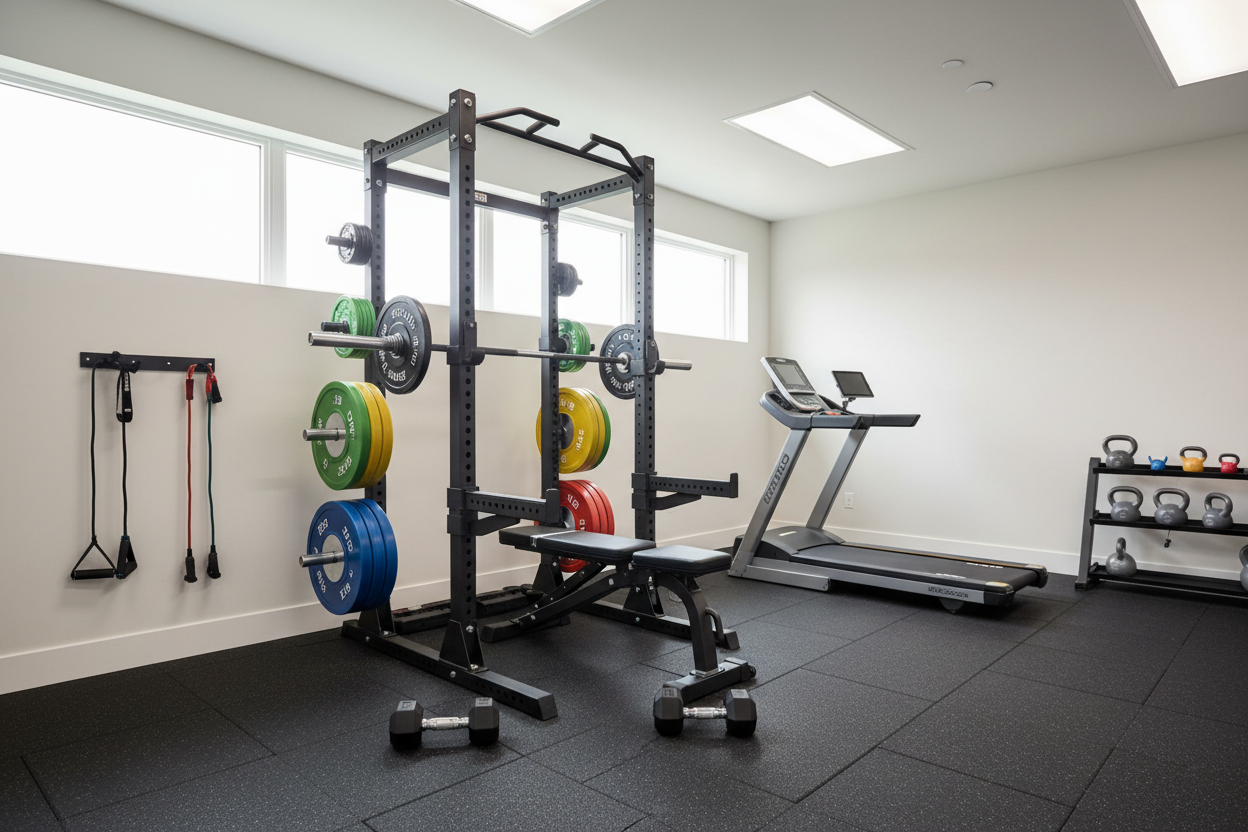
When you rush your sets, you end up performing 'garbage volume.' This is when you're lifting 60% of what you could normally handle because you're too winded to load the 45-lb plates back on. You don't need fancy machines or a 20-piece cable crossover to trigger growth. You can get incredible results with basic at home gym equipment like a solid power rack and a barbell, provided you have the patience to let your body recover between efforts. If your goal is to look like you lift, you have to stop training like a marathon runner.
Mechanical tension is the primary driver of growth. This means taking a muscle through a full range of motion under a heavy load. If you cut your rest to 60 seconds, your second and third sets will inevitably see a massive drop in performance. You'll go from 10 reps to 6, then to 4. By the end, you've moved less total weight than if you had just waited two more minutes. You’re tired, but you haven't given the muscle enough work to force an adaptation.
Why 3 Minutes is the Magic Number for Mechanical Tension
Let's talk about the fuel in your tank: Adenosine Triphosphate, or ATP. This is the immediate energy source your muscles use for explosive movements and heavy lifting. When you grind out a heavy set of 8-12 reps, you burn through your ATP stores. It takes about 3 minutes for your body to replenish roughly 95% of that energy. If you jump back in at the 90-second mark, you’re working with a half-empty tank. Your nervous system is also fried. Moving a heavy barbell requires your brain to 'fire' your muscles in a coordinated, powerful way. Neural fatigue lasts longer than muscular fatigue, which is why your second set often feels heavier than the first if you don't wait long enough.
I’ve tested this repeatedly in my own garage. On days when I’m in a rush and try to keep rest to 1 minute, my top set of bench press at 225 lbs feels like a ton of bricks by the third rep. When I force myself to sit still for 180 seconds, I can usually nail 8 to 10 reps for three straight sets. That extra time allows the pH levels in your muscles to stabilize as well. The 'burn' you feel is acidity building up, which actually inhibits muscle contraction. By waiting, you clear that acidity and allow for more forceful contractions. This isn't just bro-science; it's basic physiology that many home gym owners ignore because they feel 'lazy' sitting on a bench.
p>If you're worried about your workout taking too long, remember that quality beats quantity. Five sets performed with 100% intensity and full recovery are worth more than ten sets performed in a state of perpetual exhaustion. You want to finish your set feeling like your muscles did the work, not like your lungs are on fire.How to Build Your Routine Around Long Rest Periods
The biggest complaint about three-minute rest periods is that they turn a 45-minute workout into a 90-minute marathon. If you're training in a garage, you probably have a life, a job, and kids. You can't spend two hours a day staring at your squat rack. The trick is to structure your week so that you aren't doing 20 different exercises in one go. Spreading your volume across a 5 day muscle building workout routine allows you to focus on two or three big movements per session with long rest, while keeping the total daily time manageable.
I usually prioritize my 'money' lifts—squats, deadlifts, presses—at the start of the session. These are the ones that get the full 3-5 minute rest. As I move into accessory work like curls or lateral raises, I might drop the rest to 90 seconds because the systemic fatigue is much lower. This 'front-loading' of rest ensures your most important lifts get the most recovery. It’s about being surgical with your energy. Don't waste your 'freshness' on tricep extensions; save it for the movements that actually move the needle on your physique.
What to Actually Do While You Rest
Doing nothing is harder than it sounds. Most people reach for their phone and get lost in a scroll hole, which kills their mental focus. Instead, use that time for 'productive' rest. I like to log my reps and RPE (Rate of Perceived Exertion) immediately. It keeps me dialed into the performance. If I’m doing heavy squats or deadlifts, I’ll step off the platform and walk slowly across my thick 6x8ft exercise mat just to keep the blood flowing without spiking my heart rate.
You can also do some very low-intensity mobility work. If your lats are tight during bench press, do some light doorway stretches. Just avoid anything that makes you sweat or breathe harder. The goal is to bring your heart rate down, not keep it up. Some people find that lying flat on their back between sets of heavy squats helps decompress the spine and reset the nervous system. It looks weird to the neighbors, but your lower back will thank you when you're loading 315 lbs for your final set.
The 'Rest-Heavy' Template to Try This Week
If you want to see what a difference this makes, try this simple upper-body template. Focus on the rest intervals as much as the weight. You’ll likely find that you can use heavier weights than usual for your later sets. If you need more ideas on how to program this, check out our workout hub for more detailed breakdowns.
- Barbell Bench Press: 3 sets of 6-8 reps (3 minutes rest)
- Weighted Pull-Ups: 3 sets of 8-10 reps (3 minutes rest)
- Overhead Press: 3 sets of 8-10 reps (2.5 minutes rest)
- Barbell Rows: 3 sets of 10-12 reps (2.5 minutes rest)
- Bicep Curls / Tricep Pushdowns: 3 sets of 12-15 reps (90 seconds rest)
By the time you get to the isolation work at the end, your heart rate should be relatively stable, allowing you to really focus on the mind-muscle connection. This isn't a 'circuit.' Treat every set like its own event. If you finish the bench press and you aren't ready to go again at 3 minutes, take 4. The goal is performance, not a high calorie-burn on your Apple Watch.
Personal Experience: My 'Ego-Rest' Mistake
A few years ago, I was obsessed with 'density training.' I tried to cram as many sets as possible into a 30-minute window. I was using 50-lb dumbbells for chest presses and feeling like a hero because I was drenched in sweat. But my chest wasn't growing. I finally swallowed my ego, bought a proper stopwatch, and forced myself to wait 3 minutes between sets. Within a month, I was using the 70s for the same reps. I wasn't 'fitter,' but I was significantly stronger because I finally gave my muscles the fuel they needed to actually work. My biggest mistake was thinking that being 'busy' in the gym was the same thing as being 'productive.'
FAQ
Is 3 minutes too long for isolation exercises?
Usually, yes. For things like curls or calf raises, 60-90 seconds is plenty. These moves don't tax your central nervous system or your lungs as much as a squat or a row does.
What if I don't feel tired after 3 minutes?
That’s the point. You shouldn't feel 'tired'; you should feel 'ready.' If you feel like you could have gone sooner, try increasing the weight on the bar. If the weight is truly challenging, you’ll need every second of that rest.
Can I do 'active recovery' like jumping jacks?
No. That defeats the purpose. The goal is to replenish ATP and lower your heart rate. Doing jumping jacks keeps your heart rate high and drains the energy you need for your next heavy set.